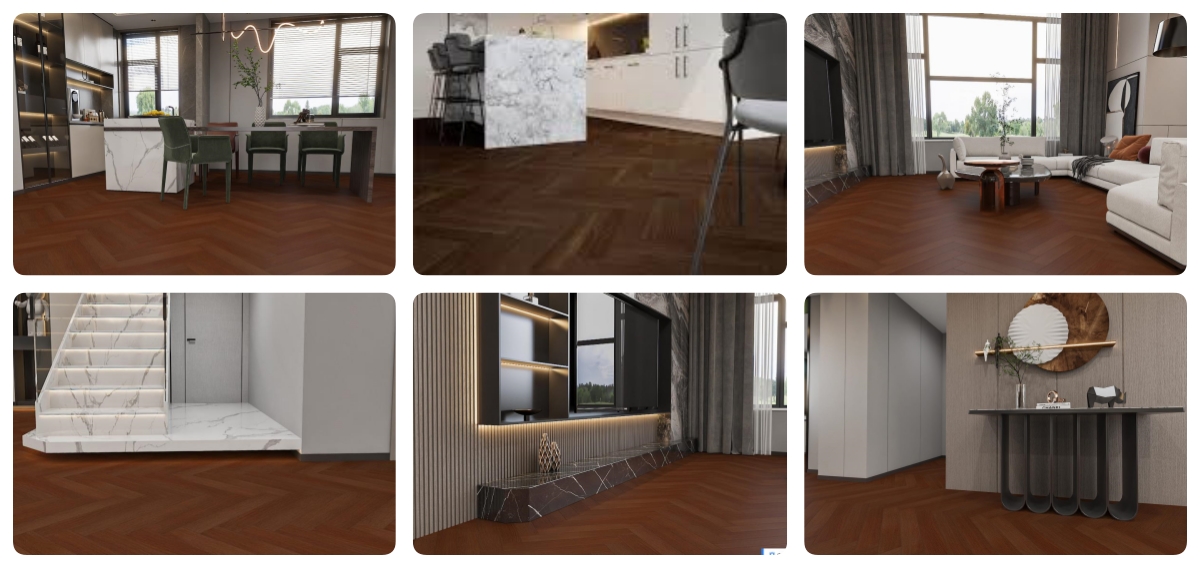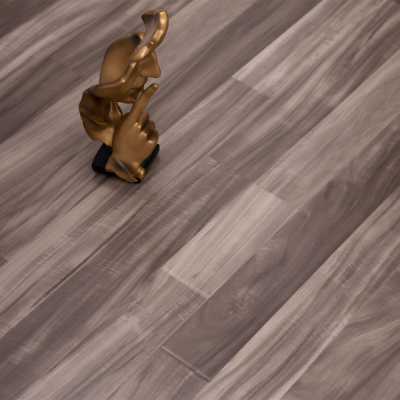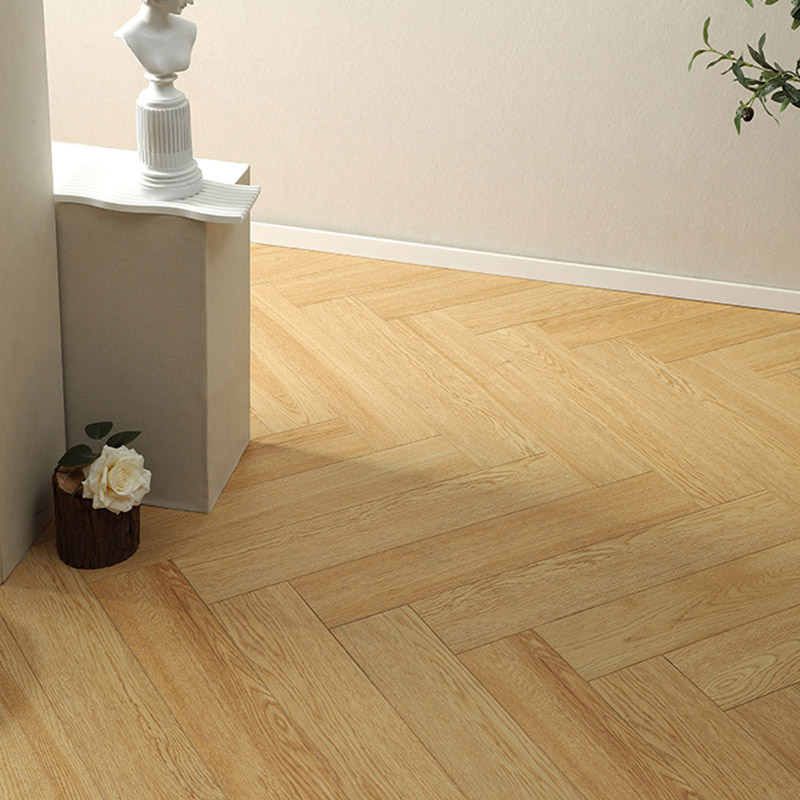
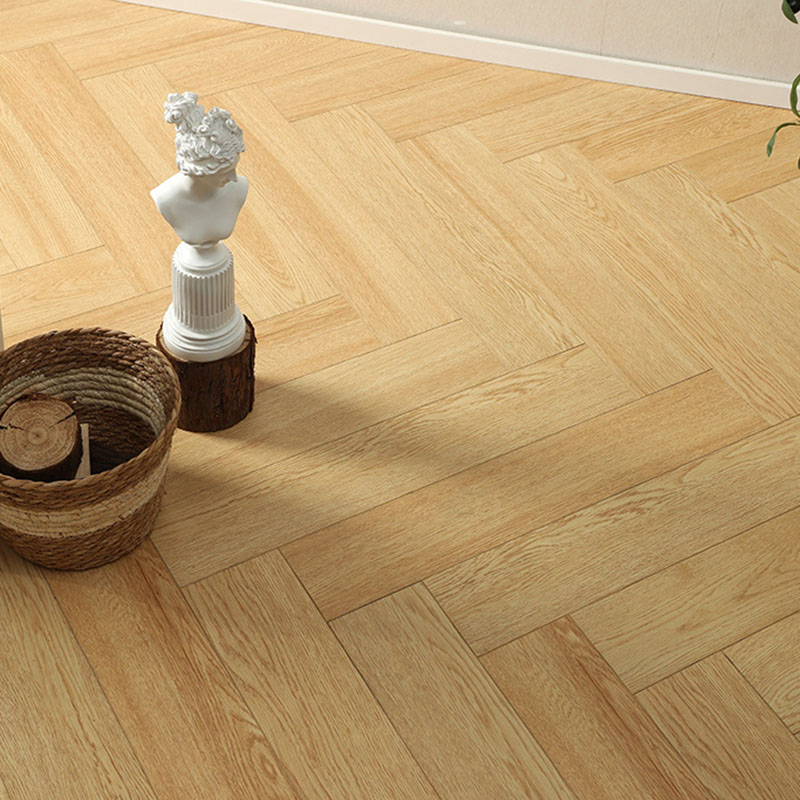
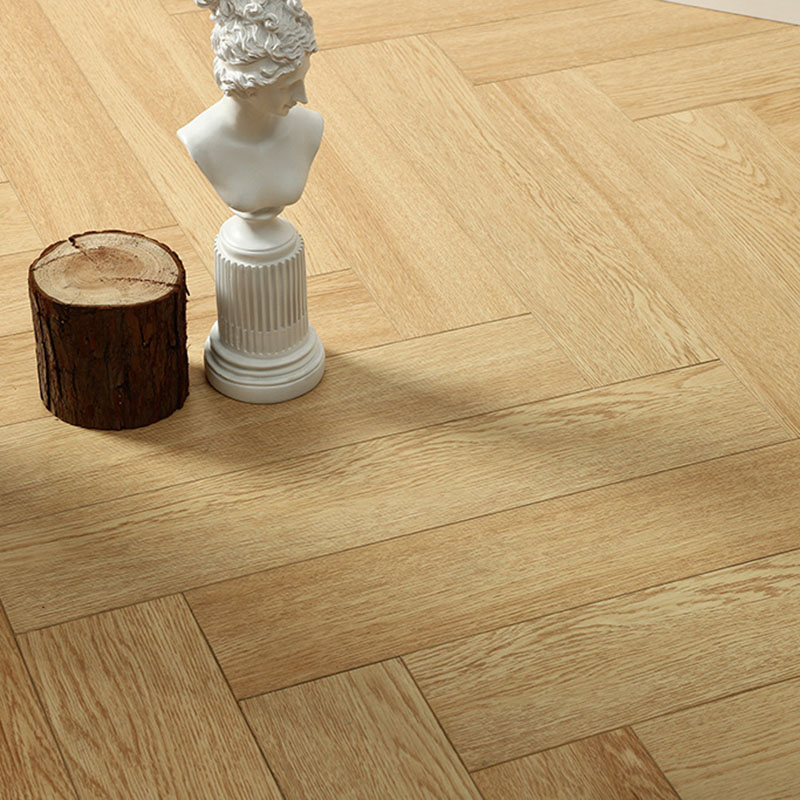
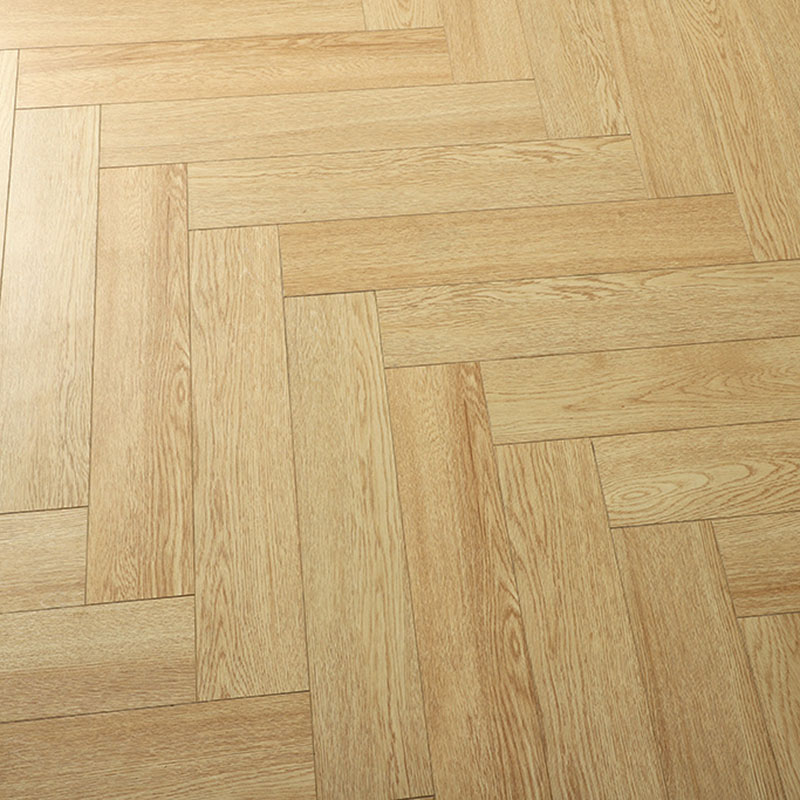
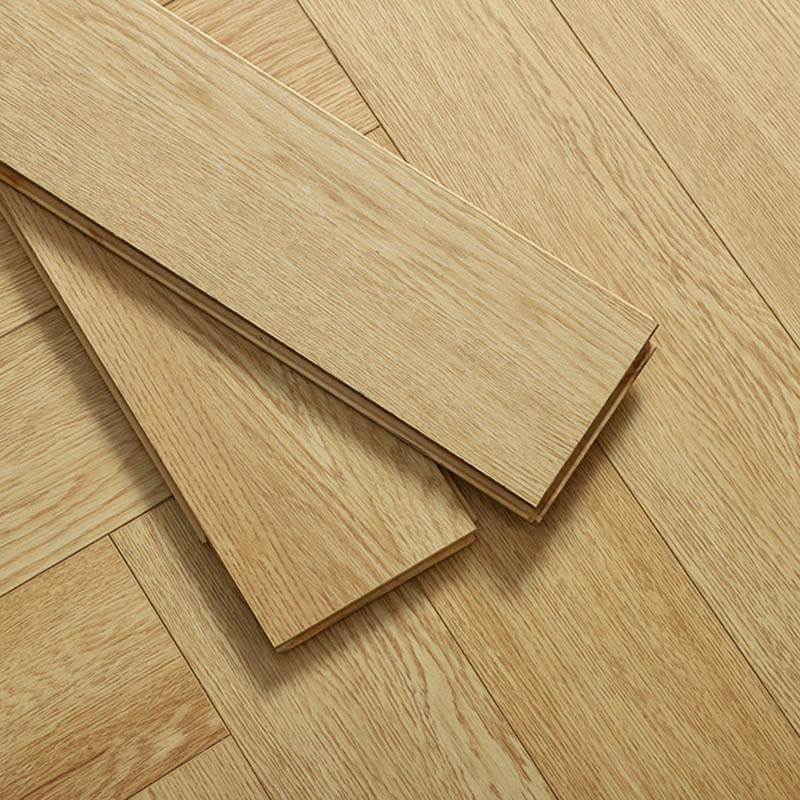
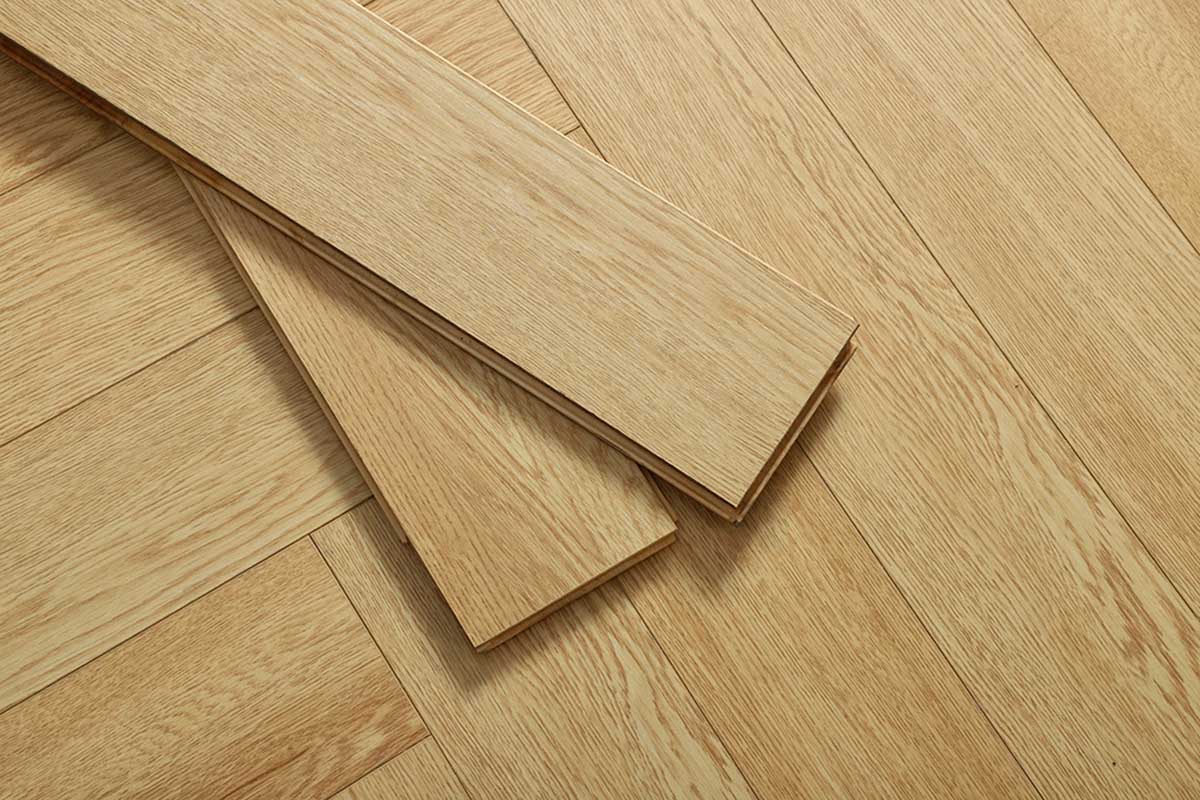
Smooth Oak Engineered Herringbone Wood Flooring
Technical Parameters and Specifications
Below are engineering-ready specifications for Smooth Oak Engineered Herringbone Wood Flooring commonly requested by procurement teams:
Top Layer: 2–4 mm oak veneer (smooth surface)
Core Options: Multi-ply birch plywood / HDF / softwood core
Dimensions: 600–900 × 120–150 × 14–15 mm
Moisture Content: 8–10%
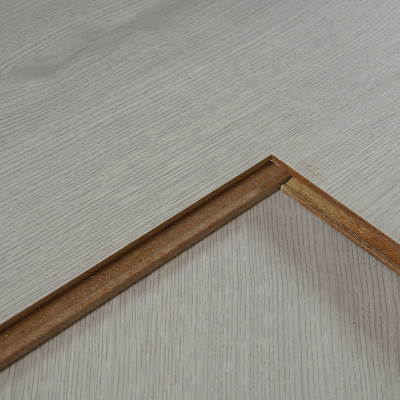
Joint System: T&G or click herringbone locking
Surface Finish: UV lacquer / matte lacquer (5–10 gloss)
Fire Rating: EN 13501-1 Class C-fl s1
Formaldehyde Emission: E1 / CARB Phase 2
Packaging: Shrink-wrapped with corner protection
Product Definition
Smooth Oak Engineered Herringbone Wood Flooring refers to a multi-layer oak-faced engineered parquet system designed with precision tongue-and-groove or click joints. It offers dimensional stability, uniform color grading, and high installation accuracy for commercial and residential engineered wood projects.
Technical Parameters and Specifications
Below are engineering-ready specifications for Smooth Oak Engineered Herringbone Wood Flooring commonly requested by procurement teams:
Top Layer: 2–4 mm oak veneer (smooth surface)
Core Options: Multi-ply birch plywood / HDF / softwood core
Dimensions: 600–900 × 120–150 × 14–15 mm
Moisture Content: 8–10%
Joint System: T&G or click herringbone locking
Surface Finish: UV lacquer / matte lacquer (5–10 gloss)
Fire Rating: EN 13501-1 Class C-fl s1
Formaldehyde Emission: E1 / CARB Phase 2
Packaging: Shrink-wrapped with corner protection
Structure and Material Composition
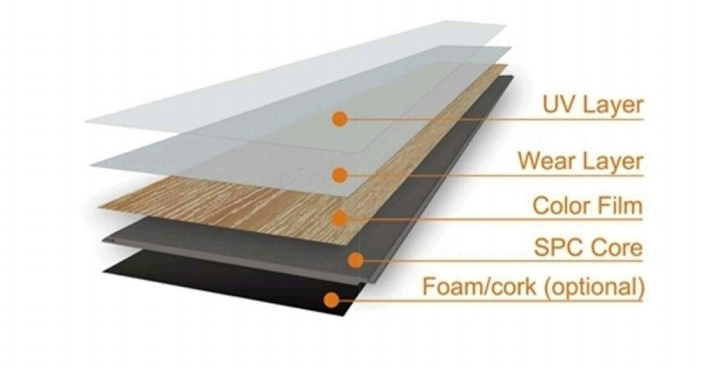
Wear Layer: Smooth oak veneer, graded by color and grain consistency.
Stability Core: Cross-layer birch plywood or engineered HDF for anti-warpage stability.
Bottom Balancing Layer: Poplar or eucalyptus veneer ensuring dimensional balance.
Coating System: Multi-stage UV lacquer curing for abrasion and stain resistance.
Connection System: Precision CNC-cut herringbone profile.
Manufacturing Process
Moisture Conditioning: Oak veneer and plywood are stabilized at 8–10% MC in controlled chambers.
CNC Calibration: Veneer thickness calibrated to ±0.1 mm tolerance.
Hot Pressing: Multi-layer structure pressed at 110–140°C with controlled pressure cycles.
CNC Profiling: Herringbone left/right pieces milled with accuracy ≤0.05 mm.
Sanding & Surface Treatment: Fine sanding (180–240 grit) followed by UV lacquer or matte coating.
Quality Assurance: Swelling test, bonding strength test, and milling precision inspection.
Industry Comparison
| Material | Dimensional Stability | Cost | Installation Accuracy | Maintenance |
|---|---|---|---|---|
| Smooth Oak Engineered Herringbone Wood Flooring | High | Medium | Very High | Low |
| Solid Oak Parquet | Medium–Low | High | High | Medium |
| SPC Herringbone | Very High | Medium–Low | High | Very Low |
Application Scenarios
Designed for environments where precision pattern installation, aesthetic uniformity, and structural reliability are required:
Commercial interiors (restaurants, offices, boutiques)
Premium residential units
Hospitality projects (hotel corridors, lounges)
EPC and developer flooring packages
Wholesale and multi-container distribution programs
Core Pain Points and Solutions
Pain Point 1: Pattern misalignment in large-area herringbone.
Solution: Use CNC-profiled left/right boards with mill tolerance ≤0.05 mm.Pain Point 2: Veneer cracking during seasonal humidity cycles.
Solution: Select engineered multi-ply core with controlled MC 8–10%.Pain Point 3: Color inconsistency across batches.
Solution: Require supplier batch control records and pre-selection grading.Pain Point 4: Installation delays due to unstable substrate.
Solution: Specify plywood core flooring with stronger shear bonding.
Risk Warnings and Mitigation
Risk: Subfloor moisture above 12% causing cupping.
Mitigation: Require moisture testing and vapor barrier installation.Risk: Poor milling → pattern gaps.
Mitigation: Ask for CNC profile QC reports.Risk: Over-sanding on site damaging veneer.
Mitigation: Prefer factory-finished flooring.Risk: Mis-matched left/right boards from mixed batches.
Mitigation: Order balanced sets only.
Procurement Selection Guide (6+ Executable Steps)
Define veneer thickness (2–4 mm) based on traffic requirements.
Choose core type: birch plywood for stability, HDF for precision, softwood for cost control.
Confirm joint structure: T&G for glue-down; click for floating installation.
Request batch-specific color grading samples.
Evaluate coating: matte lacquer for modern interiors; UV lacquer for heavy use.
Check documentation: E1/CARB compliance, test reports, milling accuracy.
Assess supplier capacity: automated pressing lines and CNC capability.
Engineering Case Example
An EPC contractor installed 12,000 m² of Smooth Oak Engineered Herringbone Wood Flooring in a four-block luxury apartment project. By using birch plywood core and factory-finished UV lacquer, the team reduced installation deviations by 32%, achieved pattern accuracy tolerance under 1 mm, and minimized post-installation maintenance across 18 months of operation.
FAQ (10 Technical Questions)
1. What core is best for herringbone? Birch plywood provides the best dimensional stability.
2. Can this flooring be sanded? Yes, 2–4 mm veneer supports light re-sanding.
3. Is click herringbone reliable? Modern CNC systems ensure precise locking.
4. Suitable for underfloor heating? Yes, with controlled temperature ≤27°C.
5. Will color vary between batches? Small variation is normal; request graded samples.
6. What installation method is recommended? Glue-down is preferred for large herringbone layouts.
7. What is the recommended humidity range? 40–60% RH for optimal stability.
8. Can it be installed over tiles? Yes, if the tiles are level and dry.
9. What is the expected lifespan? 20–30 years with proper maintenance.
10. Does smooth oak scratch easily? UV lacquer improves abrasion resistance for commercial use.
CTA: Request Technical Files or Samples
If you require engineering samples, technical data sheets, or a formal quotation for Smooth Oak Engineered Herringbone Wood Flooring, contact our technical sales team to receive project-specific specifications, container loading plans, and optimized procurement pricing for B2B orders.
E-E-A-T Author Credentials
Written by a senior wood-engineering specialist with 12+ years of experience in engineered flooring structural design, QC auditing, and commercial project consulting across Europe and Southeast Asia.
Referenced institutions for technical standards: European Federation of the Parquet Industry (FEP), National Wood Flooring Association (NWFA).
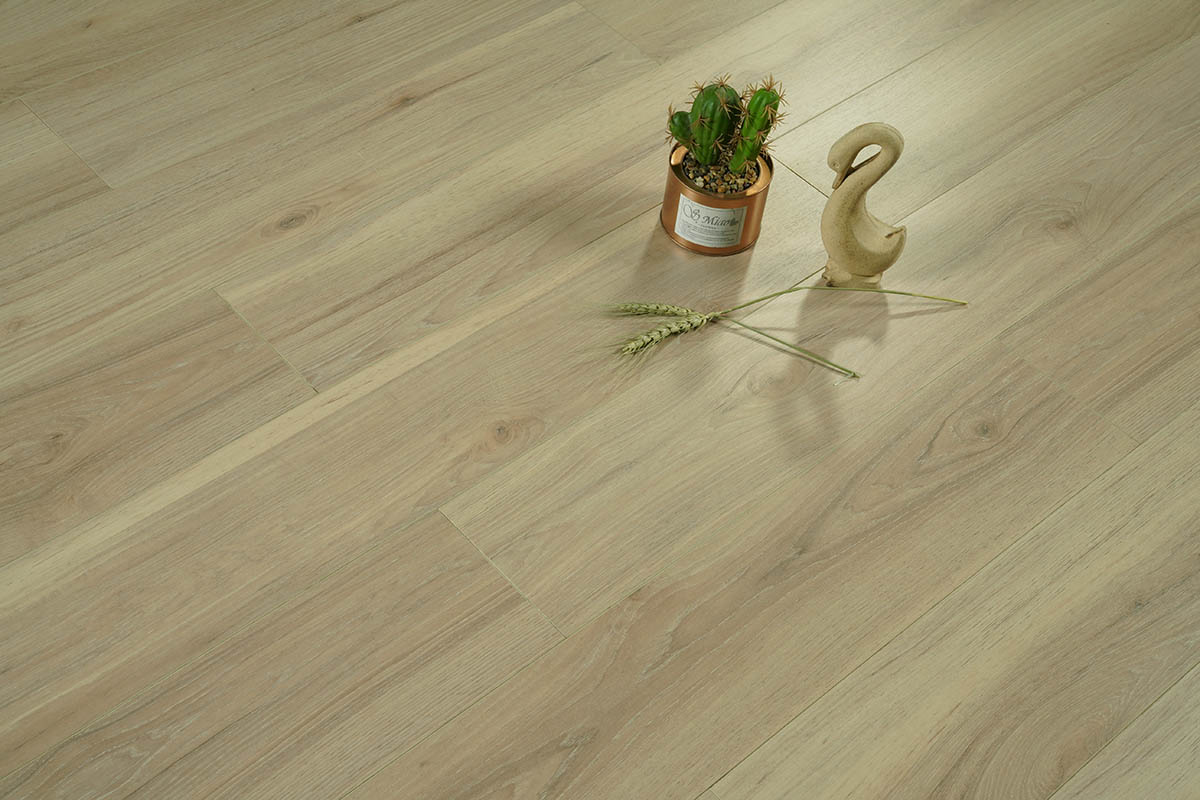
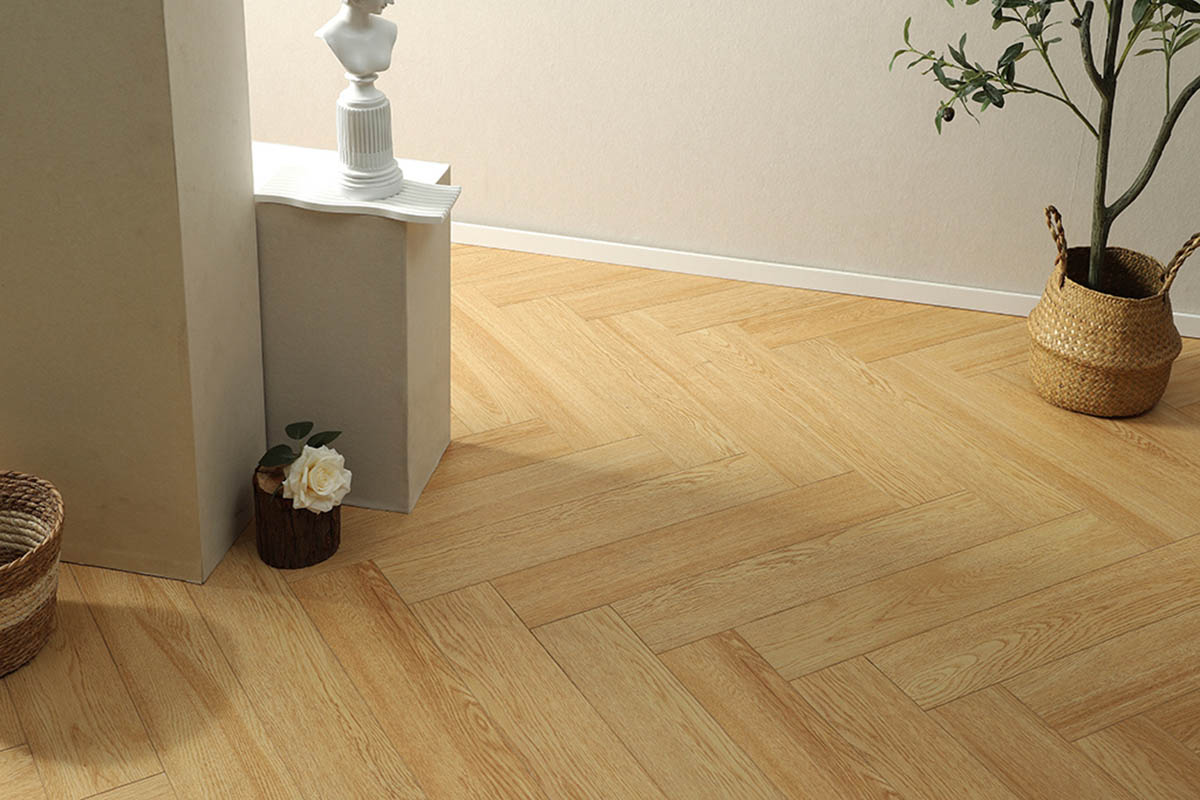
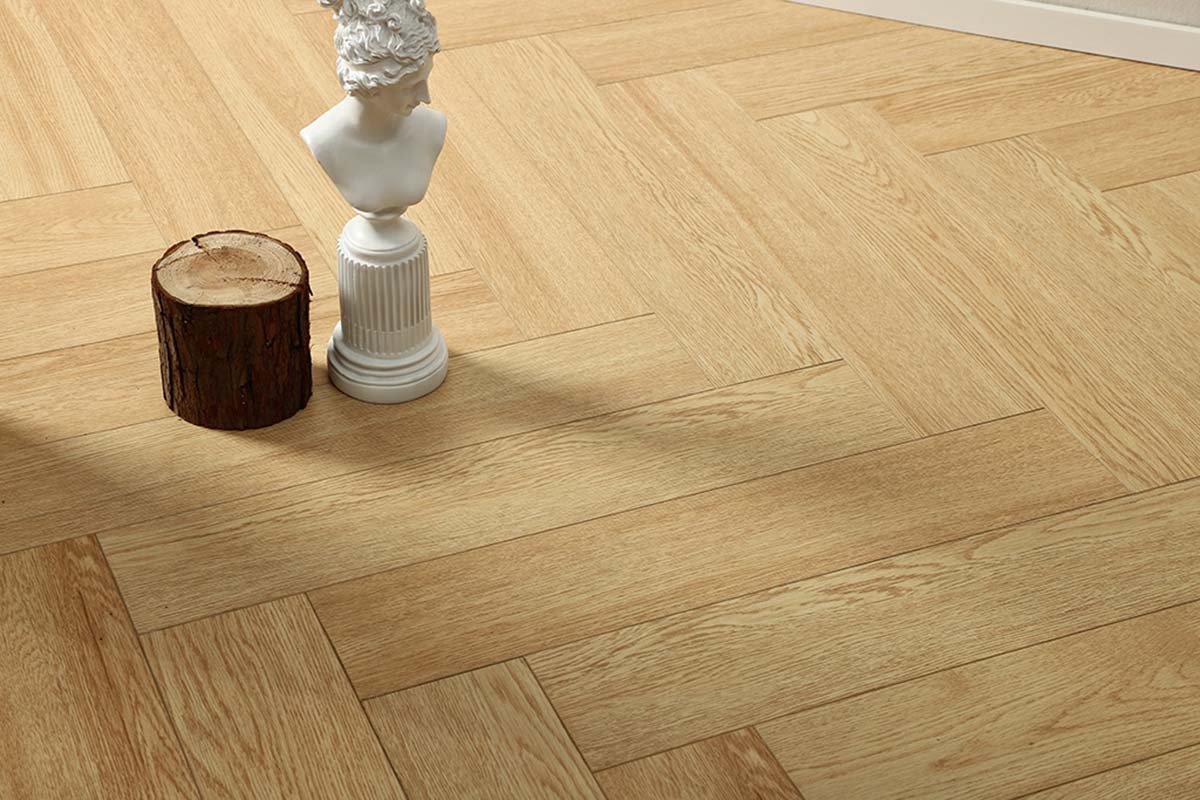
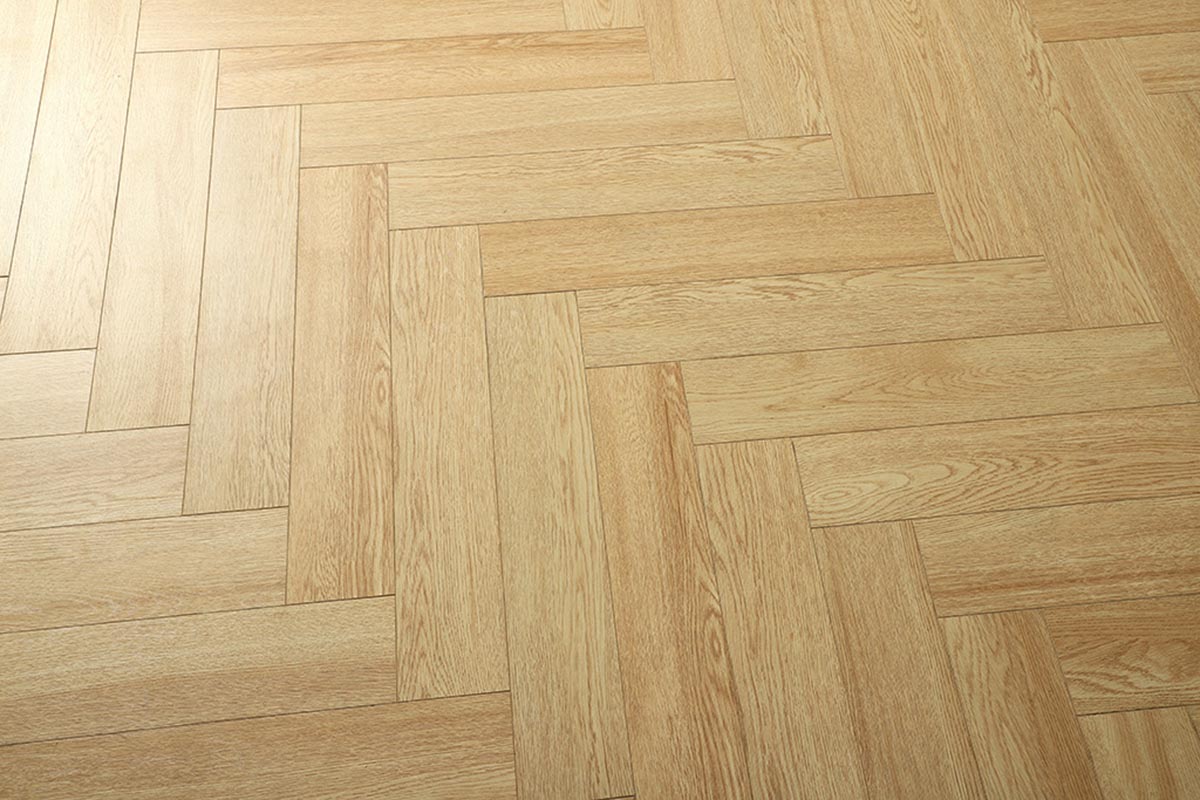
| Application |
Application :Master bedroom, second bedroom, kitchen, guest bathroom, children's room, business office, chain store, multi-functional exhibition hall, star hotel, business center, university campus, specialized hospital, yoga club, domestic airport, long-distance bus station, etc.