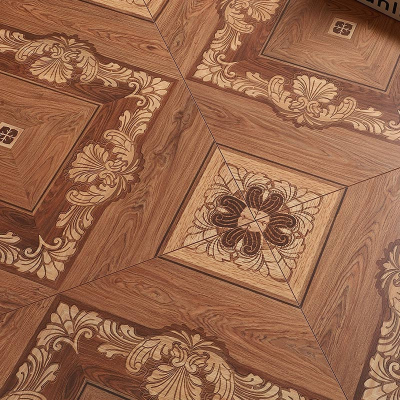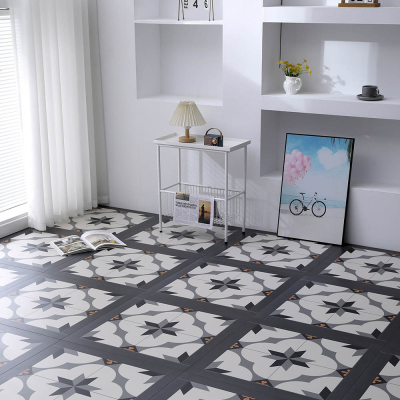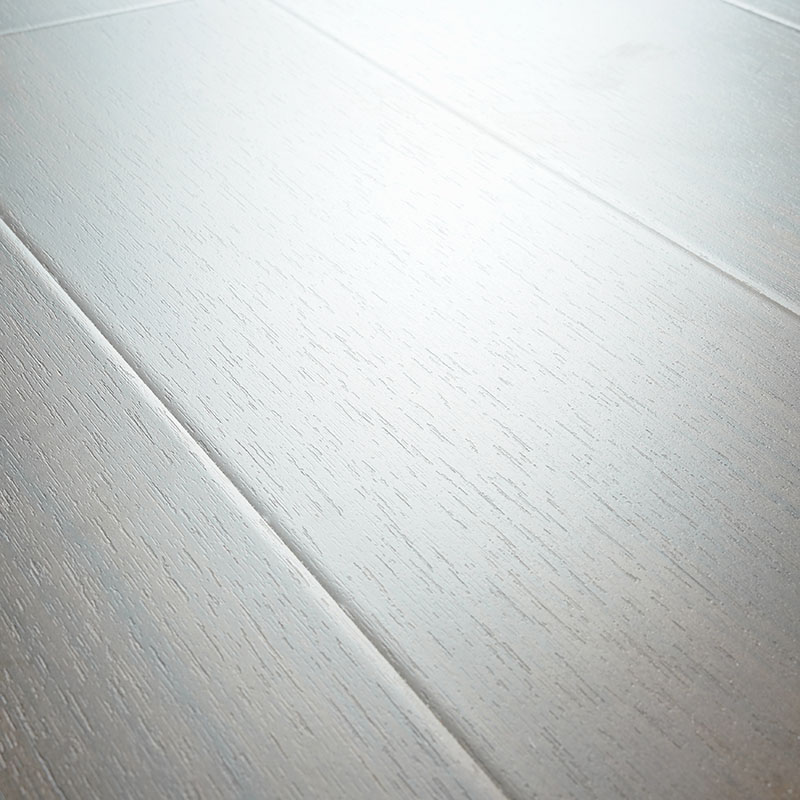
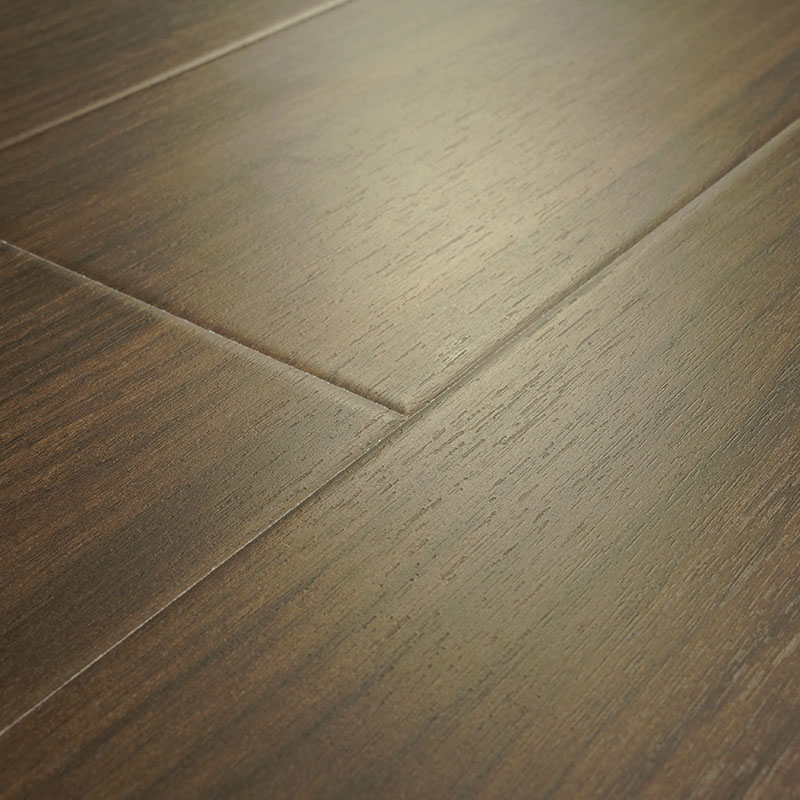
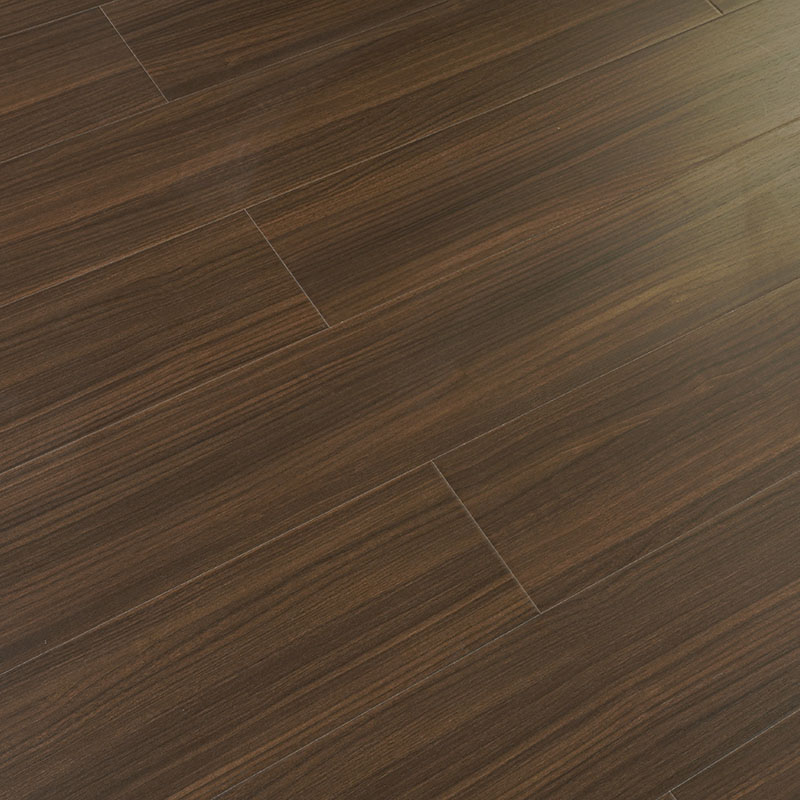
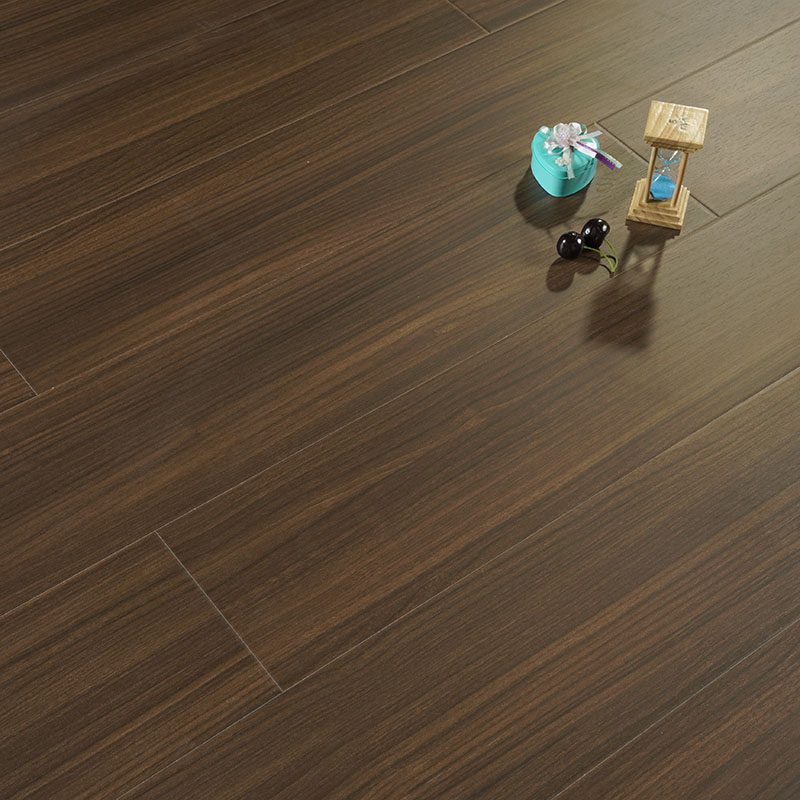
Interior Best Quality Natural Touch Laminate Flooring
Manufacturing Process and Engineering Control
Engineering Production Steps
HDF board formation via hot-press consolidation
Melamine resin impregnation of decor and overlay papers
Synchronized embossing lamination under high pressure
Precision CNC profiling of click-lock edges
Surface inspection, batch coding, and packaging
Key Manufacturing Equipment
Short-cycle or continuous hot press lines
High-definition embossing plates
Automated resin impregnation systems
High-precision CNC profiling machines
Critical Process Control Points
Synchronization accuracy between decor and embossing
HDF moisture equilibrium before profiling
Uniform curing of melamine resin layers
Product Definition
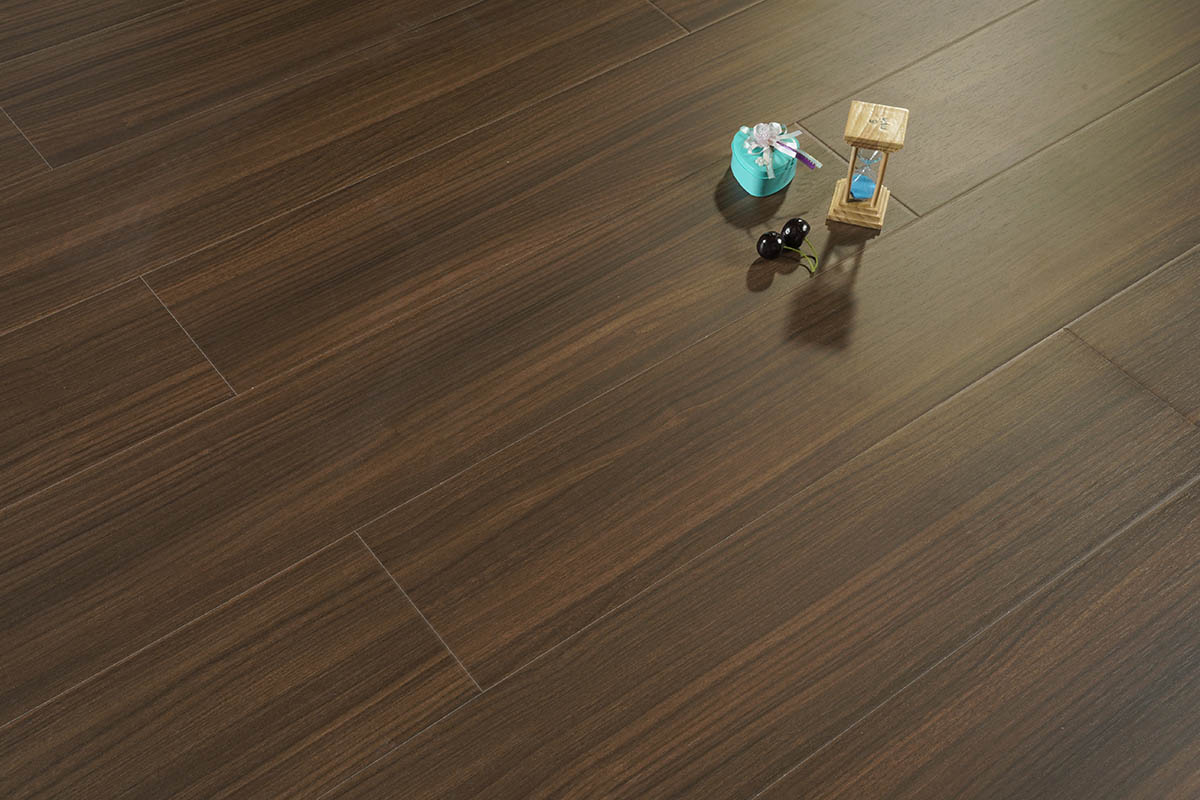
Interior best quality natural touch laminate flooring is a premium engineered flooring solution designed to replicate the tactile texture and visual depth of real wood while delivering consistent dimensional stability, abrasion resistance, and cost efficiency for residential and commercial interior environments.
Technical Parameters and Specifications
Natural touch laminate flooring performance is defined by surface realism, wear resistance, structural density, and emission control to meet long-term interior project requirements.
| Parameter | Typical Range | Reference Standard |
|---|---|---|
| Total Thickness | 8 – 12 mm | EN 13329 |
| Abrasion Class | AC4 – AC5 | EN 13329 |
| HDF Core Density | 850 – 900 kg/m³ | ISO 9426 |
| Surface Embossing Depth | 0.15 – 0.30 mm | Internal QC |
| Dimensional Stability | ≤ 0.15% | EN 318 |
| Formaldehyde Emission | E1 / ≤ 0.124 mg/m³ | EN 717-1 |
What Is Natural Touch Laminate Flooring?
Natural touch laminate flooring is a premium laminate flooring category defined by its surface realism. The term "natural touch" refers to the tactile and visual quality of the surface—the floor is designed to feel like real wood, not like a printed image under a smooth plastic layer.
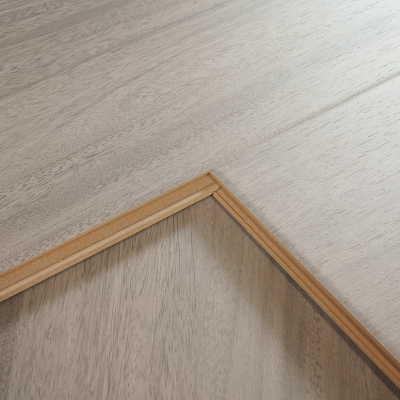
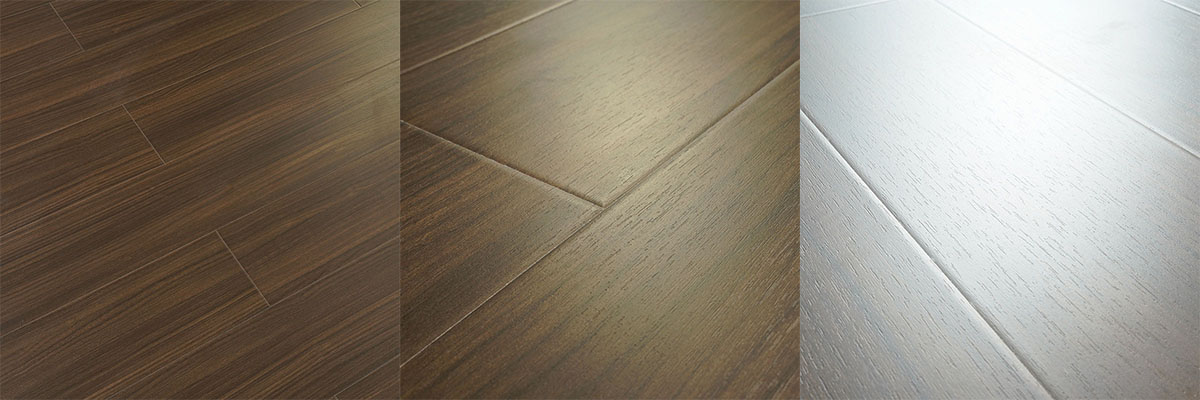
The key technology behind natural touch laminate is synchronized embossing, also called EIR (Embossed in Register). In a standard laminate, the printed wood grain and the surface texture are not aligned—the texture is a generic embossing pattern that does not follow the printed grain. In natural touch laminate, the embossing pattern is synchronized with the printed wood grain, so the texture follows the grain lines, knots, and pores of the wood image.
The result is a surface where the visual pattern and the tactile texture match. When you look at the floor, you see wood grain. When you touch it, you feel the grain in the same places. This visual-tactile consistency is what makes natural touch laminate feel closer to real wood than standard laminate.
Natural touch laminate is suitable for interior design projects where appearance matters—residential living areas, hotel interiors, retail spaces, and office interiors. It provides the appearance of wood with the dimensional stability, wear resistance, and cost efficiency of laminate.
For full specifications, see the specifications table below. For click-lock systems and locking performance, see the interlocking laminate flooring page.
How Synchronized Embossing Creates a Realistic Wood Surface
Synchronized embossing is the core technology of natural touch laminate. The following factors determine how realistic the surface appears.
Wood grain image. The decorative layer is printed with a high-resolution wood grain image. The resolution and colour accuracy of the print determine the base realism of the surface. For natural touch laminate, high-resolution printing (multi-layer colour reproduction) is used to capture the subtle colour variation and grain detail of natural wood.
Embossing pattern. The embossing plate is engraved with a texture pattern that matches the wood grain image. The pattern includes the grain lines, knots, pores, and surface irregularities of the wood.
Texture depth. The depth of the embossing (typically 0.15–0.30 mm for natural touch products) determines how pronounced the tactile effect is. Deeper embossing provides more pronounced texture; shallower embossing provides a subtler effect.
Matte surface. A matte finish reduces surface glare and artificial shine. This is important for realism—real wood does not reflect light like a glossy surface. Matte finishes also make the texture more visible because light reflects differently across the embossed surface.
Grain direction. The embossing pattern follows the grain direction of the printed wood image. This means the texture runs in the same direction as the visual grain, which is essential for realism.
Visual and tactile consistency. The synchronization between the printed image and the embossed texture is what creates visual-tactile consistency. If the synchronization is inaccurate, the texture and the image do not match, and the surface looks and feels artificial.
Surface reflection. The way light reflects off the surface affects how the texture is perceived. A matte finish with consistent embossing produces a soft, diffuse reflection that enhances the wood appearance.
Texture repeat control. The embossing pattern repeats across the panel. The repeat length and the variation between repeats affect how natural the surface appears. Longer repeat lengths and greater variation reduce the visible repetition.
Synchronization accuracy. Synchronization accuracy is typically measured in millimeters of misalignment between the printed grain and the embossed texture. For natural touch laminate, the misalignment should be minimal—typically within 0.5 mm or less for premium products. Verify synchronization accuracy with the manufacturer before specification.
Natural Touch vs Standard Laminate Flooring
The following table compares natural touch laminate with standard laminate flooring.
| Feature | Natural Touch Laminate | Standard Laminate |
|---|---|---|
| Wood-grain synchronization | Synchronized (EIR) | Not synchronized or partially synchronized |
| Surface texture | Embossed | Standard embossed or smooth |
| Visual depth | Higher | Moderate |
| Tactile wood feel | More pronounced | More limited |
| Matte finish options | Available | Product-dependent |
| Design customization | OEM/ODM available | Product-dependent |
| Cost | Mid-range | Low–mid range |
Important note: The difference between natural touch and standard laminate depends on the specific product. Not all products labelled "natural touch" have the same level of synchronization accuracy or texture depth. Request physical samples and verify the synchronization quality before specification.
When natural touch is worth the premium: Natural touch laminate is typically specified where the appearance of the floor is a design priority—hotel interiors, premium residential projects, retail spaces, and office interiors where the floor contributes to the brand experience. For projects where appearance is secondary to cost, standard laminate may be sufficient.
When standard laminate is sufficient: Standard laminate is suitable for projects where the floor is functional rather than design-led—storage areas, back-of-house spaces, and cost-sensitive residential projects.
Natural Touch Laminate Surface Finishes
Natural touch laminate is available in a range of surface finishes. Availability depends on the specific product range—contact us for current options.
Matte. Reduces glare and artificial shine. Enhances the realism of the wood appearance.
Wood grain. The standard natural touch finish, with embossing synchronized to the wood grain.
Rustic. A distressed surface effect that reproduces the look of aged or reclaimed wood.
Brushed. A surface effect that reproduces the look of brushed wood, with visible linear texture.
Saw-cut. A surface effect that reproduces the look of sawn wood, with visible saw marks.
Natural oak texture. A texture pattern based on natural oak grain, with visible grain lines and subtle pores.
Contemporary wood texture. A cleaner, more uniform texture pattern suited to modern and minimalist interiors.
Important note: The descriptions above are general style directions. Actual finishes depend on the current product range. Request physical samples before specification.
How to Choose Colors and Wood Textures for Interior Design
The choice of colour and wood texture is one of the most important decisions in natural touch laminate specification. The following sections cover the main colour directions and their typical applications.
Light Oak
Best for: Scandinavian interiors, minimalist interiors, small rooms.
Design notes: Light oak reflects more light and makes small rooms feel larger. It pairs well with white walls, light textiles, and natural wood furniture. Suitable for residential living areas, bedrooms, and light commercial interiors.
Natural Oak
Best for: Residential interiors, hotel interiors, contemporary interiors.
Design notes: Natural oak provides a warm, balanced appearance that works with a wide range of furniture and colour palettes. It is the most versatile choice for residential and hospitality projects.
Grey Oak
Best for: Modern interiors, industrial interiors, commercial interiors.
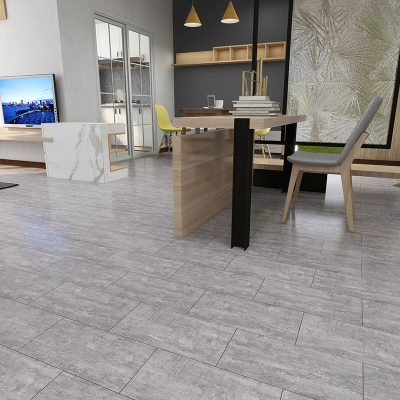
Design notes: Grey oak provides a neutral, contemporary appearance. It pairs well with modern furniture, cool colour palettes, and minimalist interiors. Suitable for retail spaces, offices, and contemporary residential projects.
Dark Oak
Best for: Luxury interiors, classic interiors, large interiors.
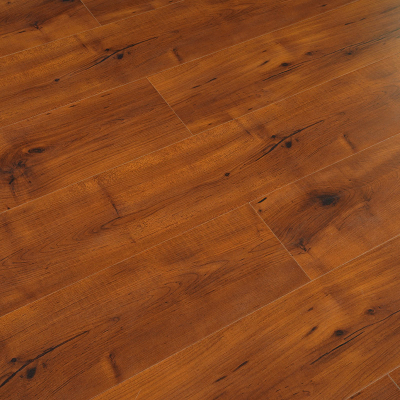
Design notes: Dark oak provides a rich, dramatic appearance. It works best in large spaces where the darker tone does not make the room feel smaller. Suitable for luxury residential projects, hotel lobbies, and classic interiors.
Important note on lighting: Colour appearance depends heavily on lighting. The same floor can appear warmer under incandescent lighting and cooler under daylight or LED lighting. Request physical samples and review them under the actual lighting conditions of the space before making a final decision.
Natural Touch Laminate for Different Interior Styles
The following sections explain how natural touch laminate is matched to different interior styles. The value is in the combination of colour, wood texture, and surface finish—not in general statements about suitability.
Modern Minimalist
Colour: Light or medium oak.
Texture: Contemporary wood texture, subtle grain.
Finish: Matte.
Design notes: Low visual contrast and clean grain patterns support the uncluttered aesthetic of minimalist interiors.
Scandinavian
Colour: Light oak.
Texture: Natural oak texture, visible but subtle grain.
Finish: Matte.
Design notes: Light tones and natural texture pair with white walls, light textiles, and natural wood furniture.
Contemporary
Colour: Natural oak or medium grey oak.
Texture: Contemporary wood texture or natural oak texture.
Finish: Matte or semi-matte.
Design notes: Balanced tones and moderate texture work with modern furniture and neutral colour palettes.
Rustic / Farmhouse
Colour: Medium or dark oak.
Texture: Rustic or saw-cut texture, pronounced grain.
Finish: Matte.
Design notes: Pronounced texture and warmer tones create a rustic, welcoming atmosphere.
Hotel Interiors
Colour: Natural oak, grey oak, or dark oak, depending on the hotel's design direction.
Texture: Natural oak texture or contemporary wood texture.
Finish: Matte.
Design notes: The choice depends on the hotel's overall design palette. Request samples and review them under the actual lighting conditions of the space.
Apartment Interiors
Colour: Light oak or natural oak.
Texture: Natural oak texture or contemporary wood texture.
Finish: Matte.
Design notes: Light and natural tones work well in apartments, where space and light are often limited.
Retail Interiors
Colour: Grey oak or natural oak, depending on the brand.
Texture: Contemporary wood texture.
Finish: Matte.
Design notes: The floor should support the brand without competing with merchandise. Neutral tones and moderate texture are common choices.
Office Interiors
Colour: Natural oak or grey oak.
Texture: Contemporary wood texture.
Finish: Matte.
Design notes: A professional, contemporary appearance that works with office furniture and branding colours.
Natural Touch Laminate Flooring Specifications
| Parameter | Typical Range | Reference Standard |
|---|---|---|
| Total Thickness | 8 – 12 mm | EN 13329 |
| Abrasion Class | AC4 – AC5 | EN 13329 |
| HDF Core Density | 850 – 900 kg/m³ | ISO 9426 |
| Surface Embossing Depth | 0.15 – 0.30 mm | Internal QC |
| Dimensional Stability | ≤ 0.15% | EN 318 |
| Formaldehyde Emission | Verify applicable emission class (E1, E0, ENF, CARB Phase 2) for the target market | EN 717-1 |
Contact us for the complete technical datasheet, test reports, and OEM specifications. Technical values vary by production specification, and the appropriate specification depends on the project requirements. We provide test reports with each shipment.
Structure and Material Composition
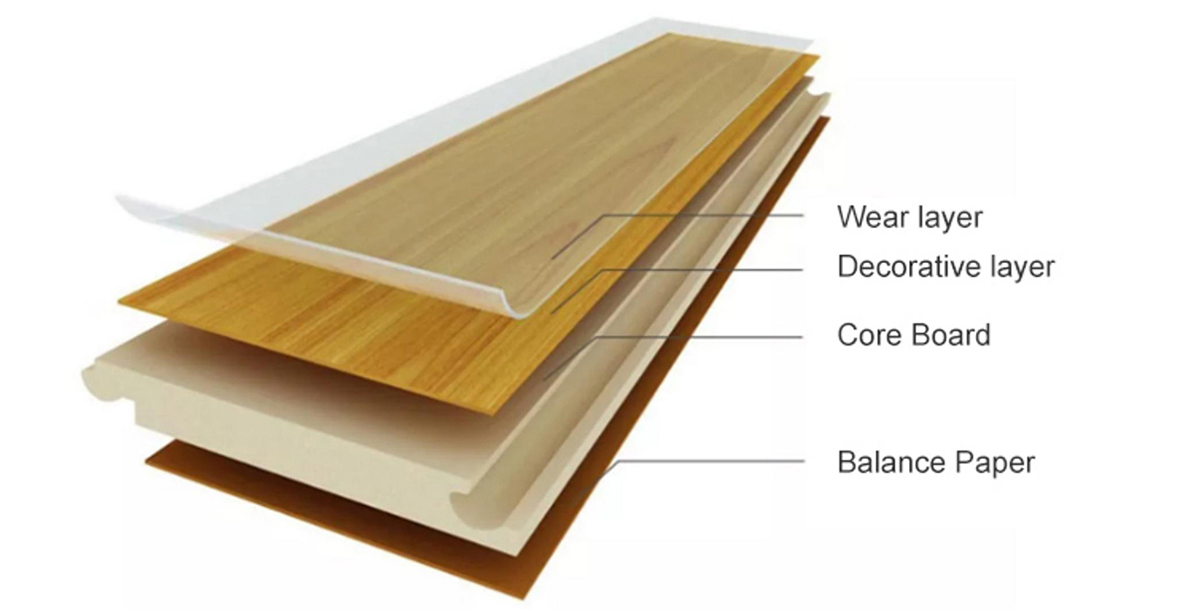
Natural touch laminate flooring uses a layered composite structure engineered for visual authenticity and mechanical stability.
Overlay layer. Aluminum oxide-enhanced wear layer with matte finish.
Natural touch decor paper. High-resolution wood grain synchronized with embossing.
HDF core board. Load-bearing, moisture-controlled fiberboard.
Balancing backing layer. Controls panel tension and prevents deformation.
Manufacturing Focus: Synchronized Embossing
The manufacturing step that defines natural touch laminate is the synchronization between the printed decor and the embossing. This is controlled through synchronization accuracy—the alignment between the embossing plate and the printed decor paper. Any misalignment results in a surface where the texture and the image do not match. For general laminate manufacturing, see the laminate flooring manufacturing page.
Limitations of Natural Touch Laminate
Natural touch laminate is designed for interior dry areas. The following limitations should be considered before specification.
Moisture resistance. It is moisture-resistant but not waterproof. It is not suitable for bathrooms, kitchens, basements, or other wet areas. For wet areas, consider waterproof SPC flooring.
Subfloor requirements. Natural touch laminate requires a flat, sound subfloor for proper installation. Uneven subfloors can compromise the locking system and cause joint problems.
Acoustic performance. Acoustic performance depends on the underlayment and floor assembly. Where acoustic performance is a requirement, specify an appropriate underlayment and verify acoustic test data.
Colour variation. Colour appearance varies by lighting conditions. Request physical samples and review them under the actual lighting conditions of the space.
Surface damage. Deep scratches or impact damage may not be repairable. Damaged panels can be replaced, but the replacement panel must match the existing floor.
For projects where these limitations are a concern, consider alternative flooring types or additional system components.
Natural Touch Laminate vs Engineered Wood
| Feature | Natural Touch Laminate | Engineered Wood |
|---|---|---|
| Appearance | Printed wood grain with synchronized embossing | Real wood surface with natural grain variation |
| Tactile feel | Embossed texture | Real wood grain |
| Maintenance | Low | Moderate to high |
| Moisture sensitivity | Moisture-resistant, not waterproof | Moisture-sensitive |
| Dimensional stability | High | Moderate |
| Cost | Mid-range | High |
| Installation | Click-lock, fast | Nail/glue or click, slower |
| Design consistency | Consistent across batches | Natural variation between boards |
Choose natural touch laminate if: the project requires consistent appearance, low maintenance, and controlled cost, with a realistic wood appearance.
Choose engineered wood if: the project requires a real wood surface and the budget and maintenance regime can support it.
Natural Touch Laminate vs SPC Flooring
| Feature | Natural Touch Laminate | SPC Flooring |
|---|---|---|
| Wood realism | High, synchronized embossing | Moderate to high, product-dependent |
| Texture | Embossed texture | Embossed texture |
| Waterproof performance | Moisture-resistant, not waterproof | Waterproof core |
| Dimensional behavior | Stable under normal interior conditions | Stable in wet and dry conditions |
| Underfoot feel | Solid, depends on thickness and underlay | Solid, depends on thickness and underlay |
| Installation | Click-lock | Click-lock |
| Application | Interior dry areas | Interior dry and wet areas |
Choose natural touch laminate if: the priority is wood realism and the area is a dry interior space.
Choose SPC if: the area may be exposed to moisture, or if waterproof performance is required. For wet areas, see the waterproof SPC flooring page.
How to Select Natural Touch Laminate for a Project
The following steps provide a practical selection sequence for natural touch laminate.
Select wood color. Choose the colour direction—light oak, natural oak, grey oak, or dark oak—based on the interior style and lighting.
Select surface texture. Choose the texture pattern—natural oak texture, contemporary wood texture, rustic, brushed, or saw-cut—based on the design intent.
Select embossing style. Verify the synchronization quality between the printed decor and the embossing. Request physical samples.
Select thickness. Choose the thickness based on the project requirements—8–10 mm for most interior projects, 10–12 mm for heavier-duty applications.
Select AC rating. Match the abrasion class to the expected traffic level—AC4 for general use, AC5 for heavier use.
Confirm locking system. Verify the locking system type and locking test reports.
Confirm test reports. Request test reports for abrasion class, dimensional stability, and emissions.
Request physical samples. Review samples under the actual lighting conditions of the space.
Confirm MOQ, packaging, and lead time. Verify order quantities, packaging specifications, and delivery schedule.
Confirm OEM/ODM requirements. See the OEM & ODM section below for customization options.
OEM & ODM Natural Touch Laminate Flooring
For distributors, importers, and project suppliers, OEM and ODM services allow the product to be customized to the market or brand requirements. The following elements can typically be customized.
Custom decor paper. Custom wood grain designs, including species, colour, and grain pattern.
Custom wood colors. Custom colour matching to a specific design reference.
Surface texture. Custom texture patterns, including rustic, brushed, saw-cut, and contemporary options.
Embossing pattern. Custom embossing plates synchronized with the custom decor.
Plank size. Custom plank dimensions, including length, width, and thickness.
Thickness. Custom thickness within the production range.
Private label. Custom branding on packaging and product.
Packaging. Custom packaging specifications, including carton design, pallet configuration, and labelling.
MOQ. Minimum order quantity depends on the customization scope. Contact us for details.
Sample approval. Custom orders typically require sample approval before production. Contact us for the sample process.
For OEM/ODM inquiries, contact us with your project requirements.
FAQ: Natural Touch Laminate Selection and Specification
1. What is Natural Touch laminate flooring?
Natural touch laminate flooring is a premium laminate category defined by surface realism. The printed wood grain and the surface texture are synchronized, so the floor looks and feels like real wood.
2. What is EIR laminate flooring?
EIR (Embossed in Register) is the technology behind natural touch laminate. The embossing pattern is synchronized with the printed wood grain, so the texture follows the grain lines, knots, and pores of the wood image.
3. What is synchronized embossing?
Synchronized embossing means the embossing plate and the printed decor are aligned during manufacturing. This creates visual-tactile consistency—the texture matches the image.
4. Is Natural Touch laminate better than standard laminate?
Natural touch laminate provides higher surface realism than standard laminate. Whether it is "better" depends on the project—natural touch is worth the premium where appearance is a design priority.
5. What wood colors are available?
Available colours depend on the current product range. Common directions include light oak, natural oak, grey oak, and dark oak. Contact us for current options and samples.
6. Can Natural Touch laminate be customized?
Yes. Custom decor paper, custom colours, surface texture, embossing pattern, plank size, thickness, private label, and packaging are available. Contact us for OEM/ODM details.
7. Can you customize the embossing texture?
Yes. Custom embossing plates can be produced and synchronized with custom decor paper. Contact us for the customization process.
8. Is Natural Touch laminate suitable for hotels?
Yes. Natural touch laminate is commonly specified for hotel interiors where appearance and durability are both priorities. The appropriate specification depends on the hotel's design direction and traffic level.
9. Is Natural Touch laminate suitable for retail interiors?
Yes. Natural touch laminate is commonly specified for retail interiors where the floor supports the brand without competing with merchandise. Neutral tones and moderate texture are common choices.
10. How do I choose between Natural Touch laminate and SPC?
Choose natural touch laminate if the priority is wood realism and the area is a dry interior space. Choose SPC if the area may be exposed to moisture or if waterproof performance is required.
11. Can I request samples before ordering?
Yes. Contact us with your project requirements and the colour direction you are considering. We will provide physical samples for review.
12. What is the minimum order quantity for custom Natural Touch laminate?
Minimum order quantity depends on the customization scope—custom decor, custom embossing, and custom packaging may each have different minimums. Contact us with your project requirements for current MOQ and lead times.
- Call to Action
For interior projects requiring premium appearance with engineered reliability, request technical datasheets, compliance certificates, pricing quotations, or physical samples of interior best quality natural touch laminate flooring to support specification and procurement decisions.
E-E-A-T Author Credentials
This article is developed by professionals with long-term experience in laminate flooring engineering, interior building materials, and international B2B procurement, ensuring accurate technical insights and practical guidance for professional buyers and project stakeholders.
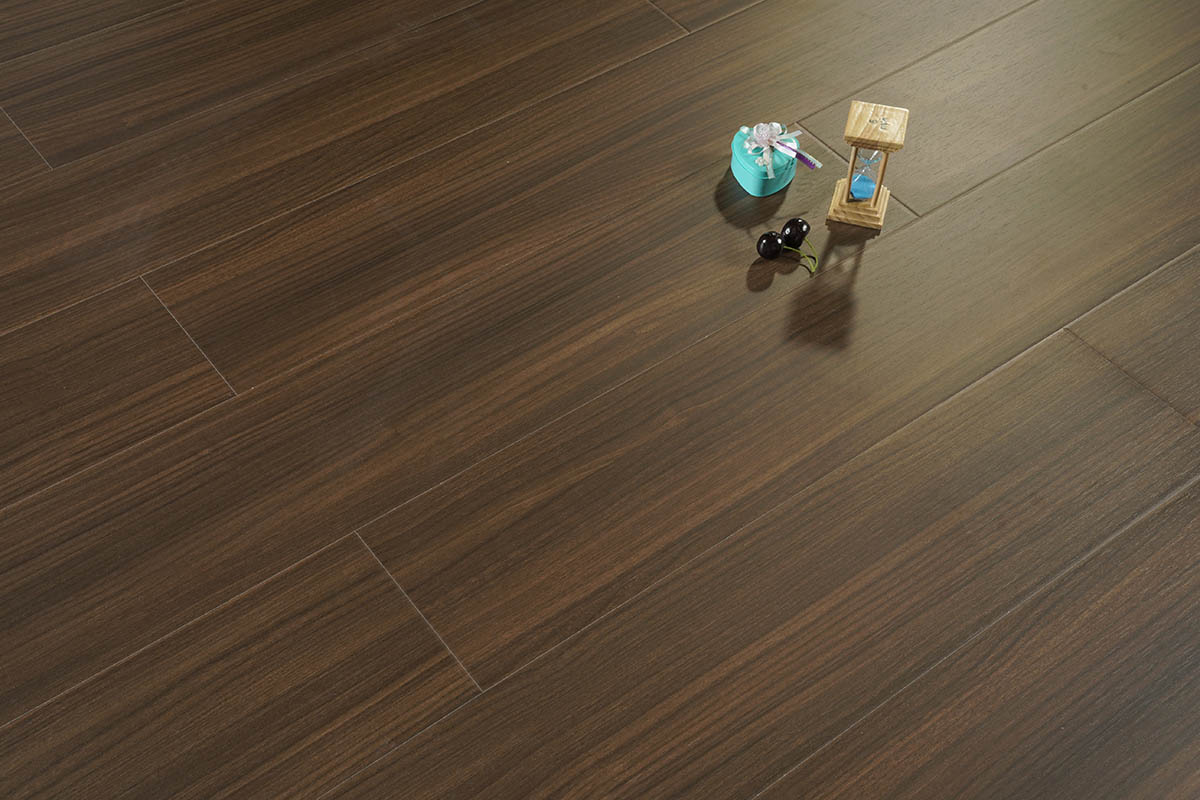
Application
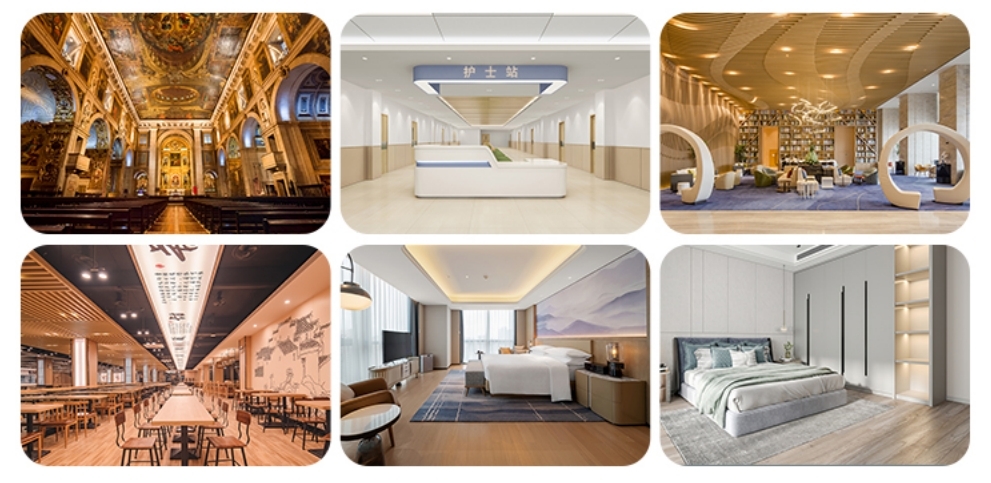
Application: Public places such as shopping malls, hospitals, hotels, amusement parks, schools, living rooms, dining rooms, kitchens, bedrooms, study rooms, etc.