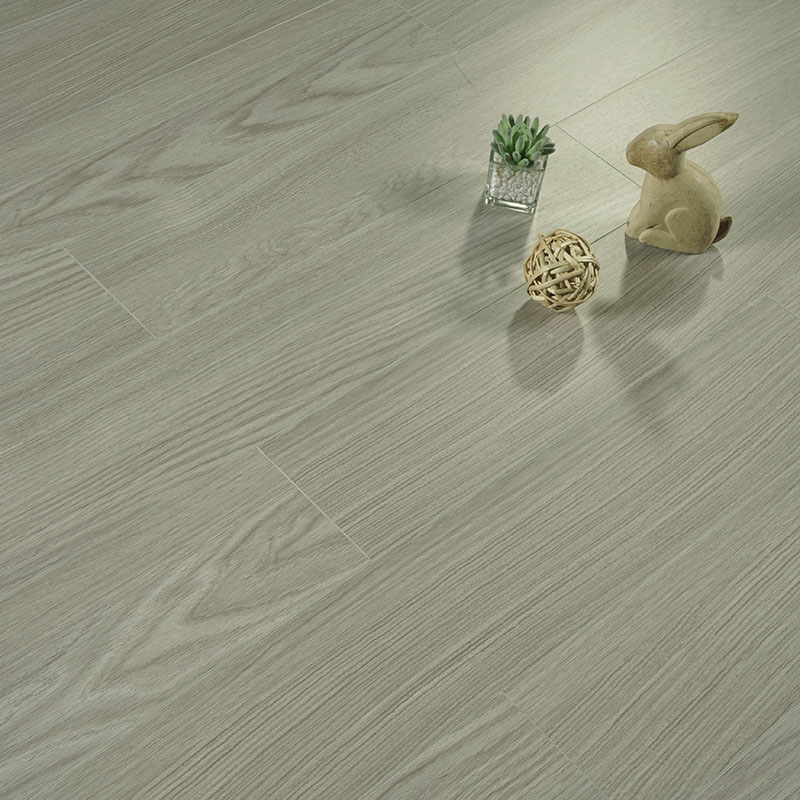
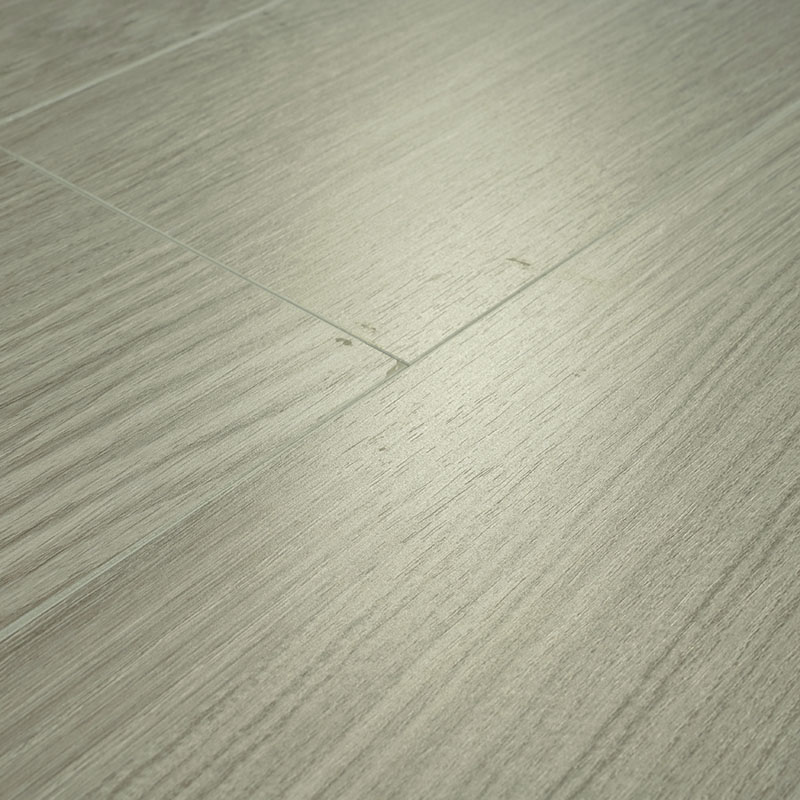
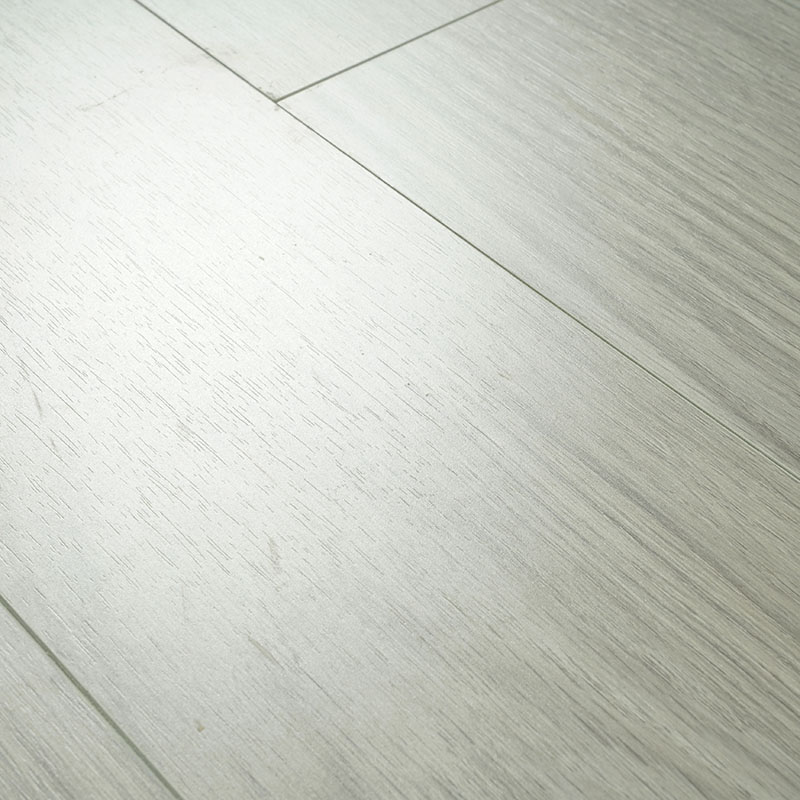
Indoor Engineered Wood Flooring
Factory indoor waterproof engineered wooden flooring offers the perfect balance of natural aesthetics and technical performance. Designed with multi-layer stability, it resists warping, expansion, and moisture damage. Its waterproof features make it suitable for kitchens, basements, and high-traffic indoor areas, while still delivering the warmth and elegance of real wood. Compliance with international standards ensures safety, eco-friendliness, and long-term reliability. Easy installation methods, including floating and glue-down systems, make it adaptable to different project requirements. This flooring solution provides lasting beauty, excellent durability, and cost-effectiveness, making it a smart choice for both commercial and residential environments.
Indoor Engineered Wood Flooring Overview
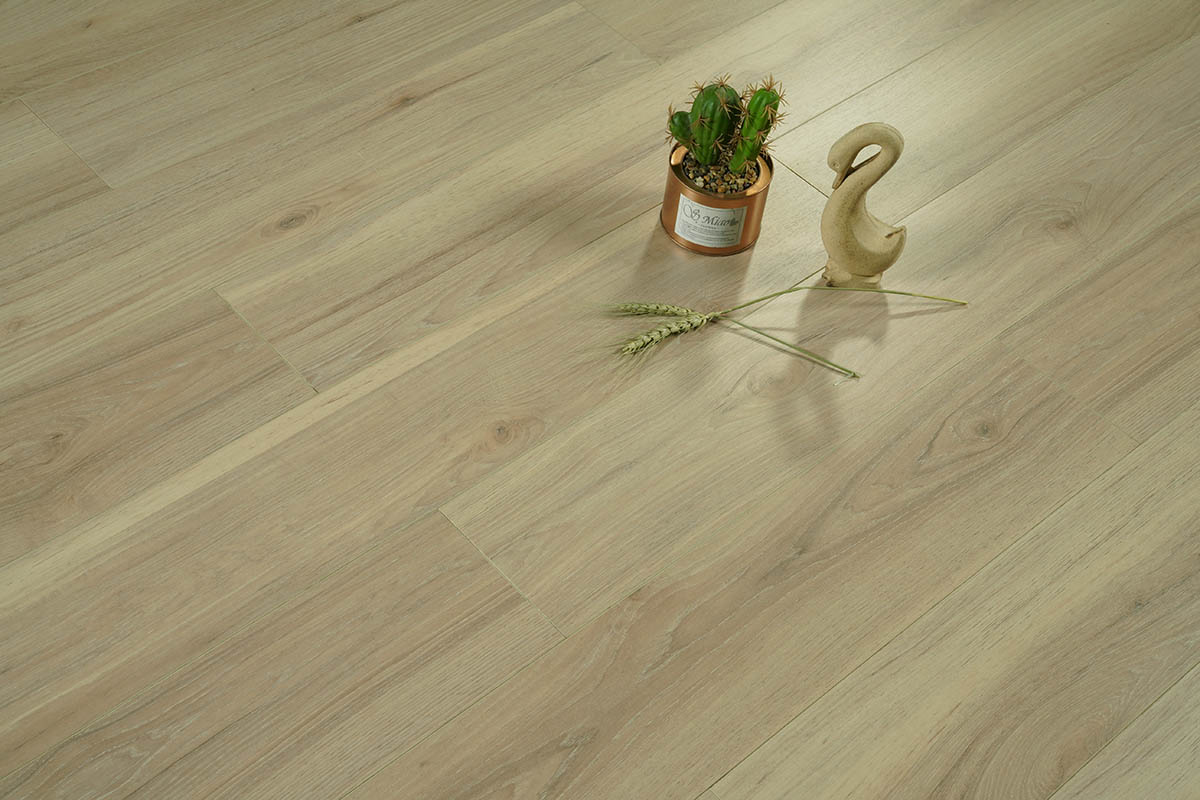
Indoor engineered wood flooring is a real wood floor built on a multi-layer construction: a hardwood surface layer, a cross-laminated core and a balancing back layer. The surface is genuine wood, which is what distinguishes it from laminate and from vinyl; the cross-laminated core is what limits the movement of the plank and allows it to be used where solid wood of the same width would move more.
This page is the entry to the indoor engineered wood range as a series. It sets out the constructions offered, the species and finishes available, the specification to confirm for an order, the applications, the moisture behaviour, the customization and wholesale terms, and the installation and maintenance requirements. The individual products in the range each have their own page, where the species, the total thickness, the wear layer, the dimensions, the finish and the joint system for that product are stated. This page does not repeat those figures; it explains what the figures mean and how to compare them.
The range is supplied for residential interiors, hotel interiors, office interiors, apartment projects and commercial interior projects. It is a wood floor and not a waterproof floor; the moisture behaviour and the limits are set out below.
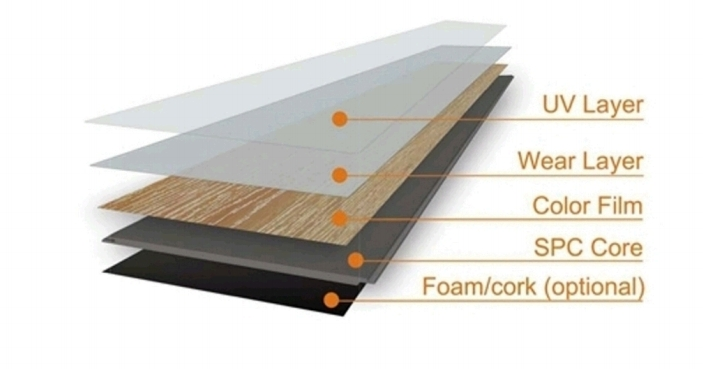
Engineered Wood Flooring Structure
Every product in the range shares the same three functional roles, whatever its core construction.
The top layer is the hardwood wear layer. It is the visible wood surface, its species and grade determine the appearance, and its thickness determines how many times the floor can be sanded and refinished.
The core layer is the structural layer, and it is cross-laminated so that the grain of the layers runs in alternating directions. That is what limits the movement of the plank and gives the floor its dimensional stability.
The backing layer balances the plank, counteracts the pull of the top layer and helps keep the plank flat.
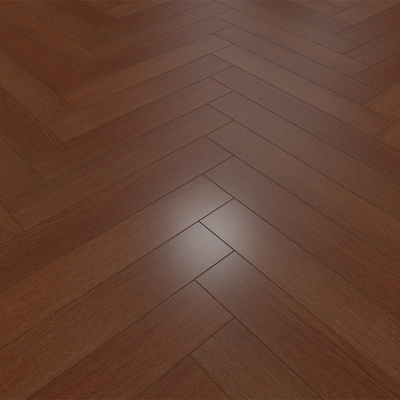
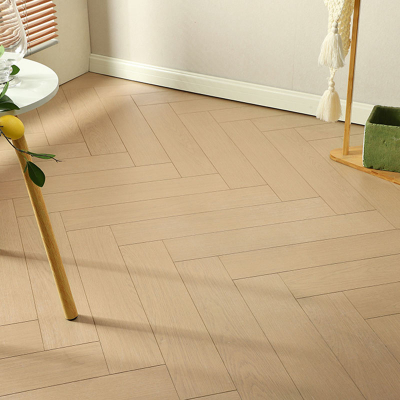
What differs between products is the core build. A three-layer plank has one core layer, while a multi-ply plank has a core built from more than three layers; the two differ in stability, thickness and cost. The construction for a given product is stated on that product's page as a single material, and the terms are not used interchangeably. The three-layer herringbone format is a separate product with its own pattern and plank geometry, and it is specified on its own page.
Product Specifications
The table below is the specification framework for the range. It lists the fields that are stated for each product; the values for a given product are on that product's page, and the values for an order are confirmed in the quotation.
| Specification | Where the value is stated |
|---|---|
| Product type | The product's own page |
| Construction (three-layer or multi-ply) | The product's own page |
| Wood species and grade | The product's own page, confirmed on a sample |
| Total thickness | The product's own page, confirmed in the quotation |
| Wear layer thickness | The product's own page, confirmed in the quotation |
| Core material | The product's own page, as a single material |
| Backing layer | The product's own page |
| Plank width and length | The product's own page |
| Surface finish and gloss level | The product's own page |
| Joint system | The product's own page |
The total thickness and the wear layer thickness are separate figures and should be read together: the total thickness describes the whole plank, while the wear layer determines how much material is available for refinishing. A thicker plank is not automatically more durable; the surface performance depends on the wear layer, the finish and the maintenance.
Where test documentation is held for a product, the report is issued per standard and per model, with the report name, the number and the testing laboratory stated. A management-system certificate such as ISO 14001 relates to the production management system and does not by itself demonstrate the performance of a product, and where a report is not held it is stated as not held rather than implied by a standard name. The specification sheet and the test reports held for a product are supplied on request, before the order, together with the sample.
Wood Species and Surface Finishes
The species available are listed with each product, and the species is confirmed for the order. Oak and walnut are the species most commonly supplied; other species are described by their own names and are not presented as one another. Species differ in hardness, in how much they move with humidity and in how they take a finish, and those differences are assessed from the product data for each species.
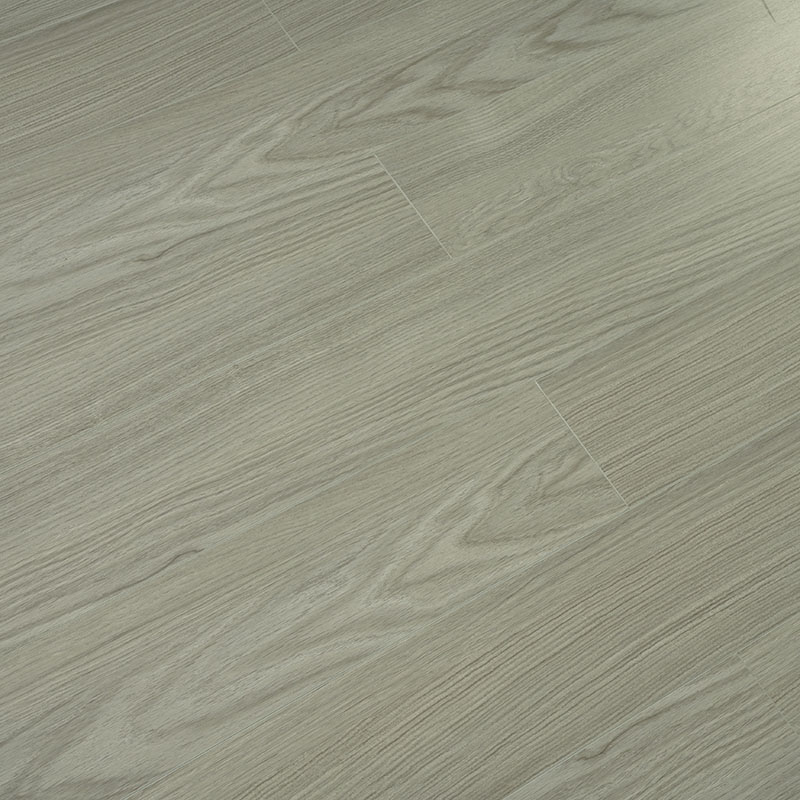
The surface finishes available are the ones actually produced. A natural finish shows the wood with minimal colour change; a smoked finish darkens the wood through a treatment rather than a stain; a brushed finish raises the grain; a matte finish reduces reflection; a UV lacquered finish forms a film on the surface; and an oil finish penetrates the wood rather than forming a film. A lacquered floor is cleaned and, when the film wears, recoated or refinished, while an oiled floor is maintained with the appropriate oil as the surface dries out; the two are not maintained with the same products. The care routine for each finish is covered on the hardwood floor maintenance page.
Applications of Indoor Engineered Wood Flooring
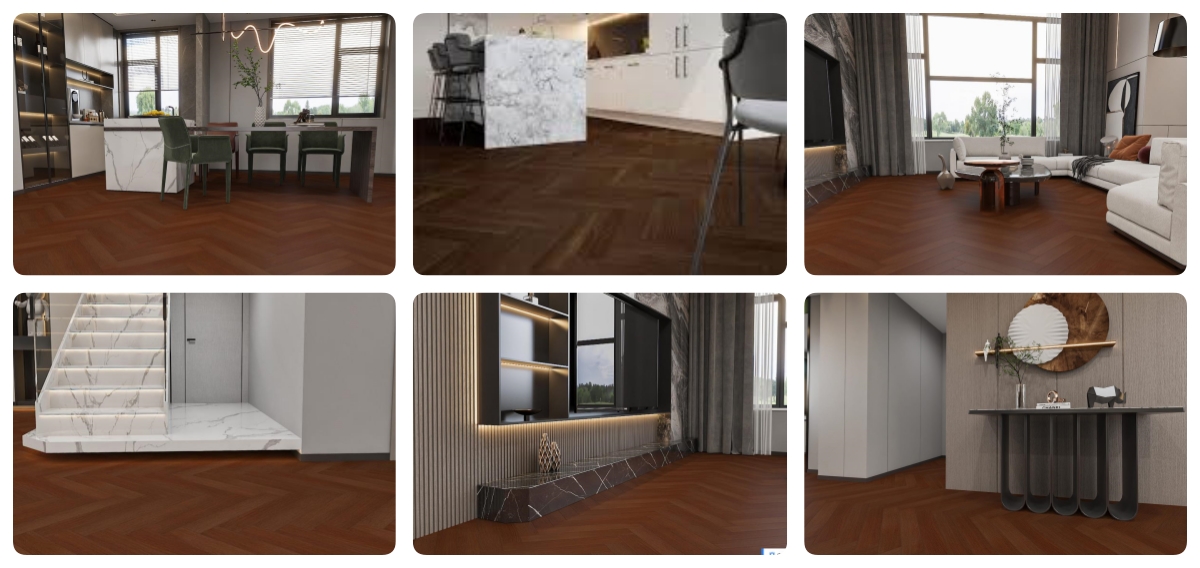
The range is used in residential interiors, including living rooms, dining areas, hallways and bedrooms; in hotel interiors, including guest rooms and public areas; in office interiors; in apartment projects; and in commercial interior projects.
The checks are made in a fixed order for each project. First the room and the traffic: a hotel guest room and a hotel lobby are different environments, and the expected traffic decides how much wear layer is wanted. Second the finish and the maintenance routine: a lacquered finish is cleaned and recoated, an oiled finish is maintained with oil, and the routine has to match what the operator can actually carry out. Third the subfloor and the installation: the flatness and moisture condition of the subfloor and the joint system determine whether the installation can proceed as planned. The pattern or the species alone does not decide suitability for a commercial interior.
Two applications are often confused and should be separated. A factory showroom or an administrative office is an interior space and is assessed like other commercial interiors. A factory production floor is a different environment, with point loads, rolling loads and possible exposure that a wood floor is not the default choice for, and it is assessed separately.
The range is not a waterproof floor. It is not intended for bathrooms with a shower, laundry rooms with a floor drain or any area with standing water, and a bathroom is not made suitable by sealing the joints. Where the project includes underfloor heating, the compatibility and the temperature limits are confirmed from the installation instructions for the specific product and from the heating system's requirements.
Moisture Resistance and Performance
The multi-layer construction reduces the movement of the plank compared with solid wood, and that is a dimensional stability benefit rather than a waterproofing one. Three things should be kept apart:
The surface protection is the finish and the coating, and it resists marking and makes cleaning easier.
The moisture resistance of the board comes from the cross-laminated core and, where used, a treated core, and it reduces the rate of water uptake at the edges.
The joint and edge performance depends on the profile and the installation, and it determines how much water reaches the core.
None of the three makes the installed floor waterproof. Spills should be wiped up, prolonged moisture should be avoided, and the subfloor moisture condition should be tested before installation, because a floor covering does not stop moisture rising through a concrete slab. The test method depends on the subfloor type, and the acceptable limit for the product is stated in its installation instructions.
Customization and Wholesale Supply
The range is supplied as a series, and the quotation is built per order from the products, species, finishes and dimensions that are actually available. The following items are confirmed for the specific order and stated in writing:
The products in the range that are offered for the order, and their constructions.
Wood species, grades and colors available.
Plank dimensions and wear layer thickness for each product quoted.
Core and backing materials for each configuration.
Surface finish, texture and gloss level options.
Packaging details, including pieces per carton and pallet arrangement.
MOQ for standard and customized designs.
Sample availability and the terms that apply.
Production lead time for the order size and configuration.
Technical documentation, including the specification sheet and the test reports held for each product.
Warranty scope and duration, including commercial use.
Installation and Maintenance
The subfloor should be flat, dry and sound, and the flatness and moisture limits are those stated in the installation instructions for the specific product and joint system. The installation method is stated in each product's specification. Where the product can be installed either as a floating floor or fixed to the subfloor, the choice depends on the product's construction, the subfloor condition and the project's requirements: a floating installation is faster and allows the floor to move as a unit, while a fixed installation limits that movement and is used where the product and the subfloor call for it. The expansion gaps at the perimeter and at fixed objects follow the installation instructions.
The acclimation period and the conditions are those stated for the product rather than a fixed figure, because they depend on the construction and on the site conditions. Indoor humidity should be kept within the range stated for the product, because a wood floor responds to changes in humidity. Routine maintenance is dust removal and damp mopping with a cleaner intended for the finish; excess water should be avoided. The detailed installation requirements are covered on the engineered wood flooring installation guide, and the care routine is covered on the hardwood floor maintenance page.
Frequently Asked Questions
1. What is indoor engineered wood flooring?
It is a real wood floor with a hardwood surface layer, a cross-laminated core and a balancing back layer, used in interior spaces. The surface is genuine wood and the core limits the movement of the plank.
2. What is the difference between solid and engineered wood flooring?
Solid wood is milled from a single piece of timber and moves with humidity across its full width. Engineered wood has a real wood surface over a cross-laminated core, which limits that movement and allows wider planks. The full comparison is covered on the engineered wood versus solid hardwood page.
3. What wood species are available?
The species available are listed with each product in the range, and oak and walnut are the species most commonly supplied. Species differ in hardness and in how they move with humidity, and the difference is assessed from the product data for each species.
4. Is engineered wood flooring moisture-resistant?
The cross-laminated core reduces the movement of the plank and the treated core reduces the rate of water uptake at the edges, but the floor is not waterproof. The finish, the board and the joints each contribute something different, and none of them makes the installed floor waterproof.
5. Can engineered wood flooring be used with underfloor heating?
It depends on the construction, the species, the thickness and the heating system, and the compatibility and temperature limits are confirmed from the installation instructions for the specific product and from the heating system's requirements.
6. Can the flooring be customized for commercial projects?
Customization depends on the species, the construction, the dimensions, the finish and the order size, and the options available are confirmed in the quotation. A change of species or dimensions can affect the core construction and the tooling, so the customized configuration is confirmed before production.
| Product Structure |