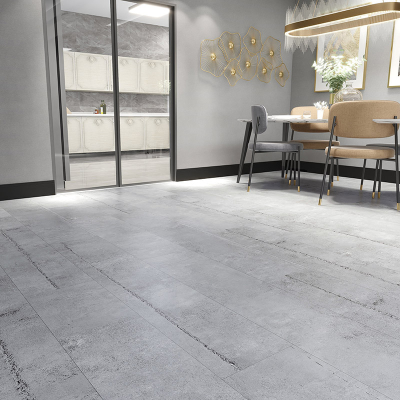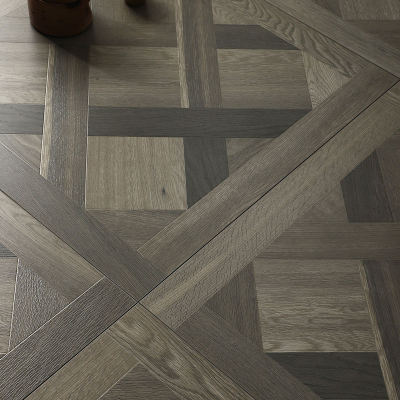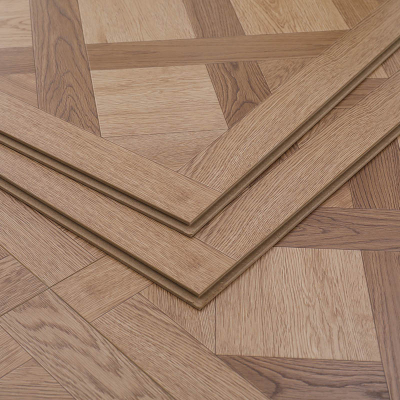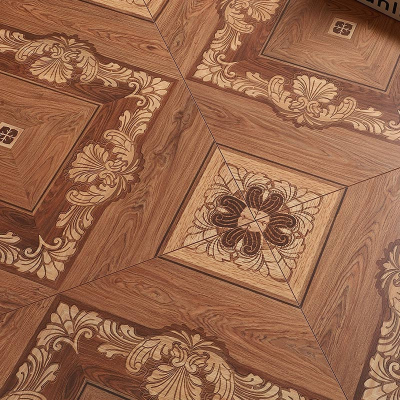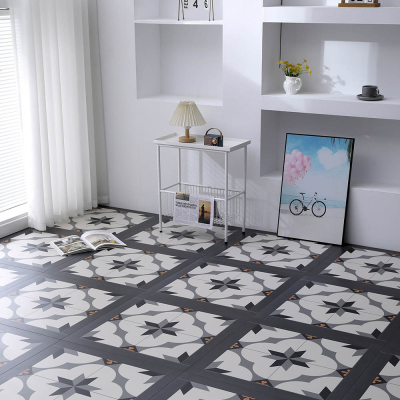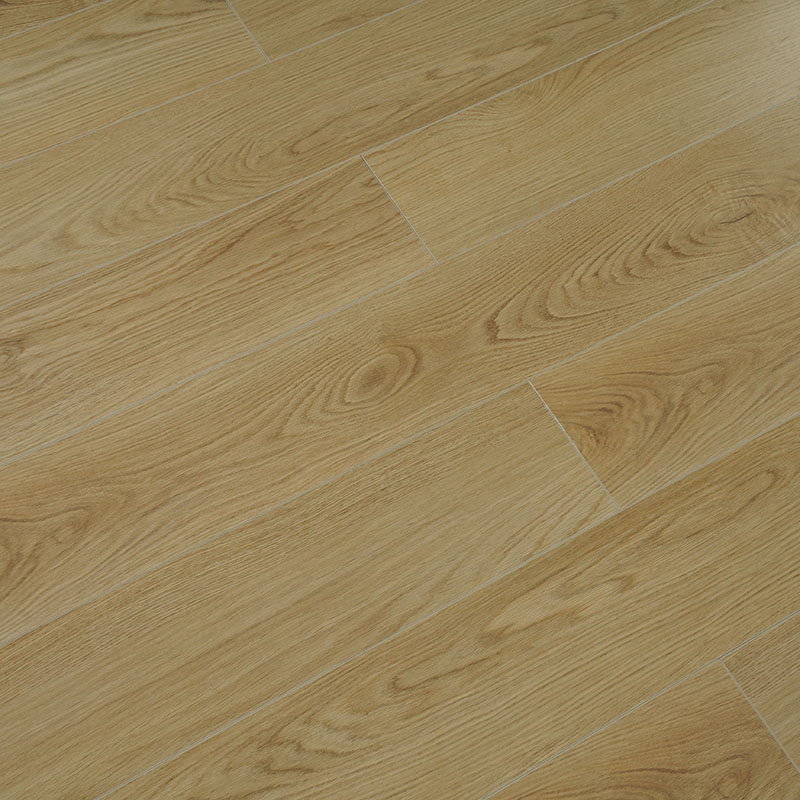

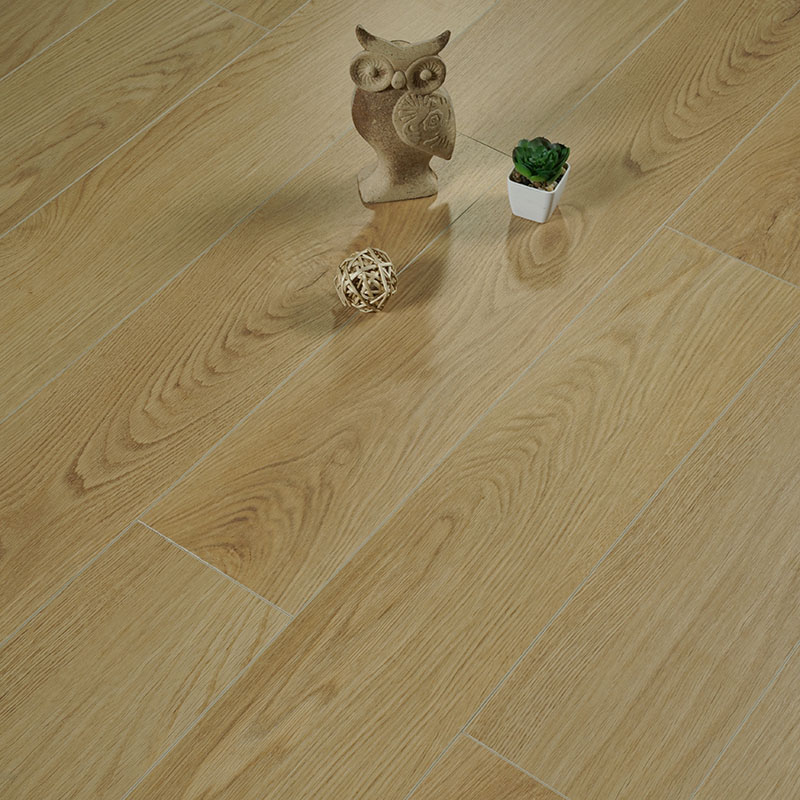
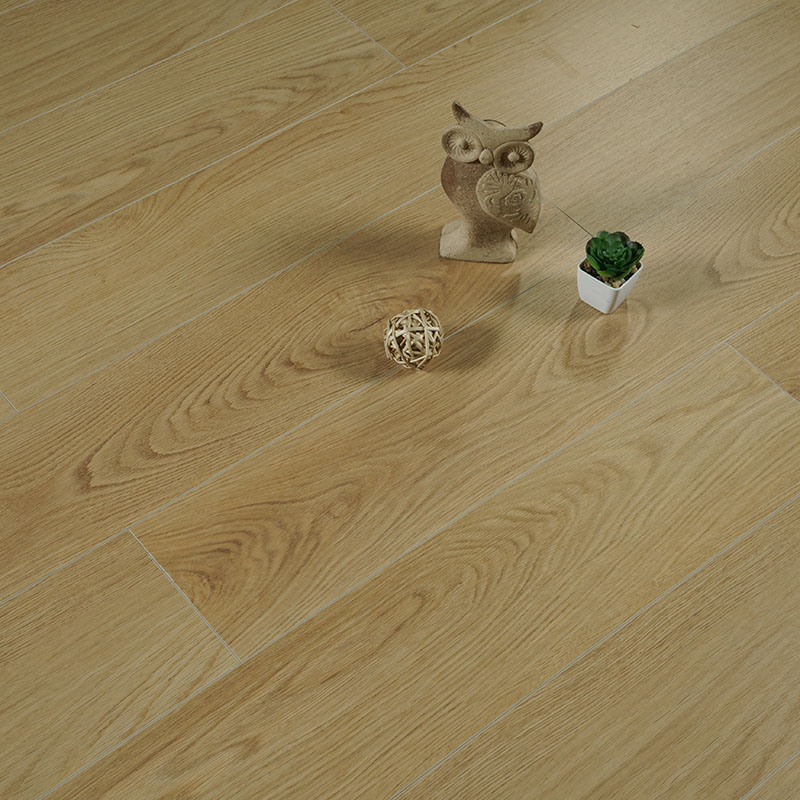

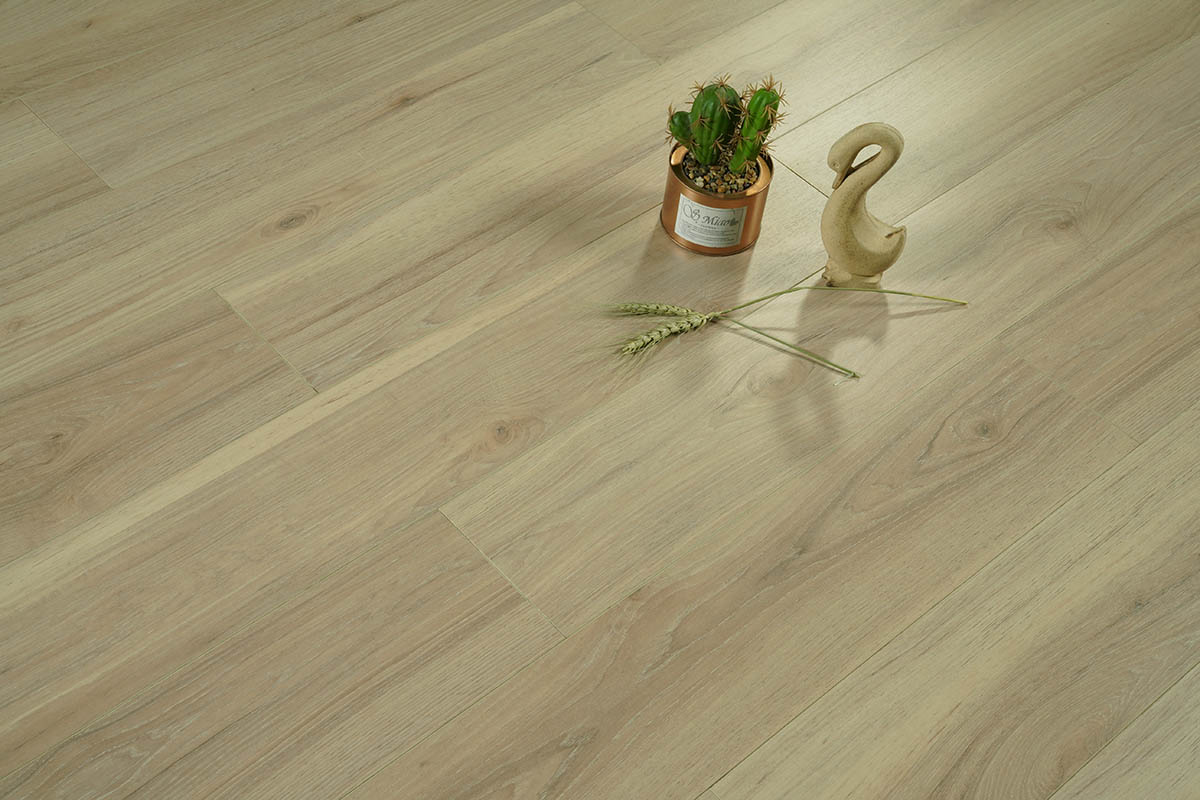
Ab Grade Oak Hard Wood Timber Engineered Flooring
Manufacturing Process
Engineering-Oriented Production Steps
Log selection and AB grade veneer slicing
Veneer kiln drying and moisture equalization
Core plywood fabrication with cross-grain orientation
Cold and hot pressing with structural adhesives
Precision sanding and thickness calibration
Surface finishing and UV curing
Profiling for tongue & groove or click systems
Key Manufacturing Equipment
Industrial veneer slicers
Multi-layer hot press lines
Wide-belt sanding machines
UV oiling and lacquering systems
CNC profiling machines
Product Definition
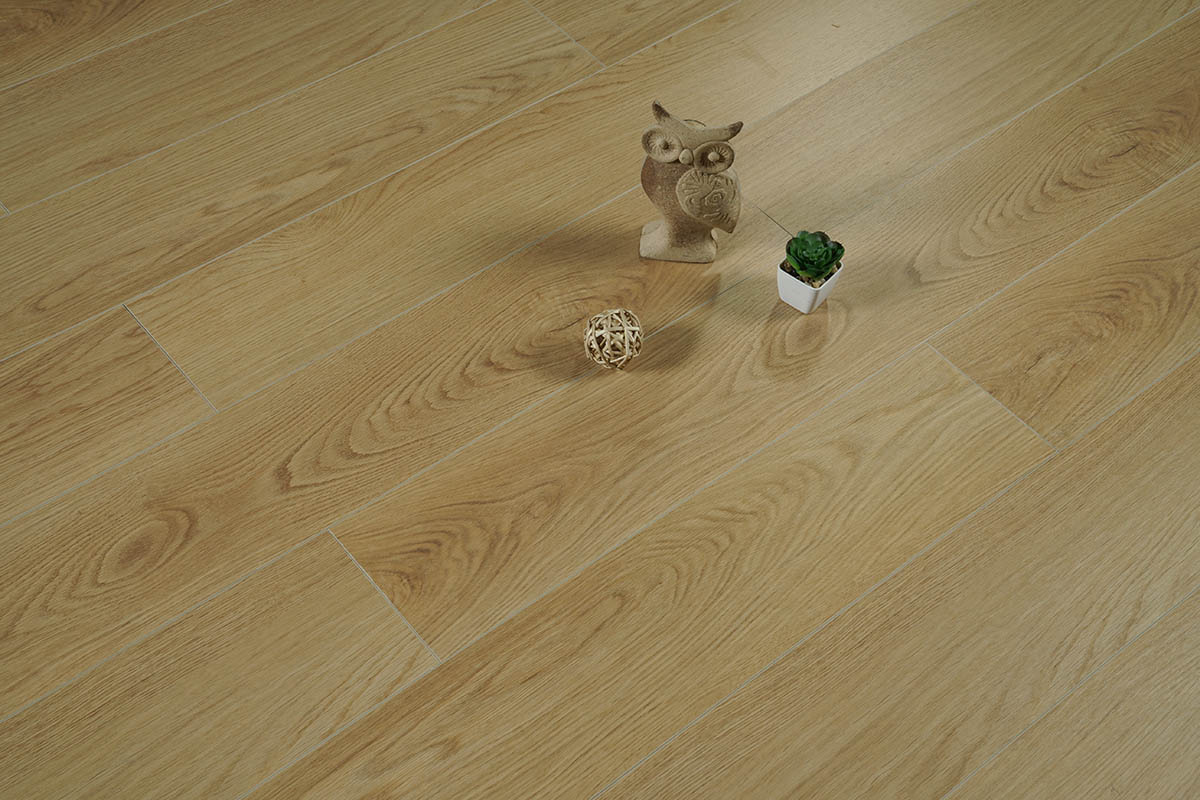
AB Grade Oak Hard Wood Timber Engineered Flooring is a multi-layer hardwood flooring system featuring a premium European or American oak veneer with controlled natural variation. It combines the aesthetic quality of solid oak with engineered structural stability for professional interior construction and renovation projects.
Technical Parameters and Specifications
| Parameter | Typical Specification |
|---|---|
| Total Thickness | 12 / 14 / 15 / 18 mm |
| Top Veneer Thickness | 2.5 / 3 / 4 mm AB Grade Oak |
| Core Structure | Multi-ply eucalyptus or birch plywood |
| Board Width | 120–240 mm |
| Board Length | 600–2200 mm (random length) |
| Moisture Content | 8% ± 2% |
| Surface Finish | UV lacquer / Natural oil |
| Installation Method | Floating, glue-down, nail-down |
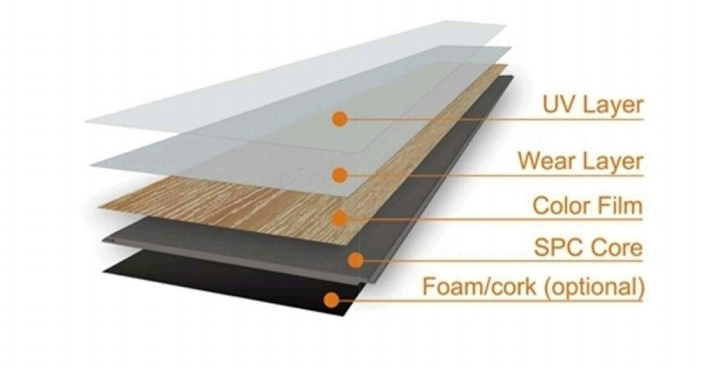
Structure and Material Composition
Layered Construction Overview
Surface Layer: AB Grade oak veneer with controlled knots and natural grain variation
Wear Protection: UV-cured lacquer or hardwax oil system
Core Layer: Cross-laminated plywood for dimensional stability
Backing Layer: Balancing veneer to reduce warping
Manufacturing Process
Engineering-Oriented Production Steps
Log selection and AB grade veneer slicing
Veneer kiln drying and moisture equalization
Core plywood fabrication with cross-grain orientation
Cold and hot pressing with structural adhesives
Precision sanding and thickness calibration
Surface finishing and UV curing
Profiling for tongue & groove or click systems
Key Manufacturing Equipment
Industrial veneer slicers
Multi-layer hot press lines
Wide-belt sanding machines
UV oiling and lacquering systems
CNC profiling machines
Industry Comparison
| Criteria | Engineered Oak (AB Grade) | Solid Oak Flooring | Laminate Flooring |
|---|---|---|---|
| Dimensional Stability | High | Low | Very High |
| Refinishing Capability | 2–3 times | Multiple times | Not possible |
| Natural Appearance | Excellent | Excellent | Moderate |
| Installation Flexibility | High | Limited | Very High |
Application Scenarios
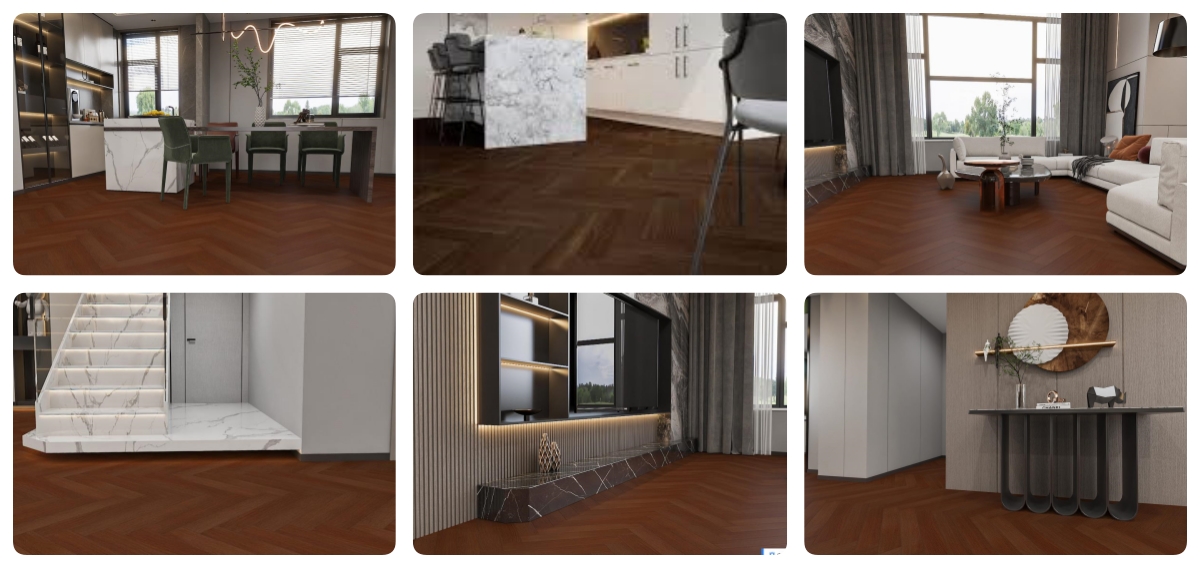
Distributors: Mid-to-high-end residential and commercial portfolios
EPC Contractors: Hotels, serviced apartments, offices
Engineering Consultants: Projects requiring natural wood compliance
Importers: Markets with demand for natural oak flooring
Core Pain Points and Solutions
Pain Point: Solid wood deformation risk
Solution: Engineered core improves dimensional stabilityPain Point: Inconsistent natural appearance
Solution: AB grading balances uniformity and authenticityPain Point: Complex installation requirements
Solution: Click or glue-down engineered systemsPain Point: Long-term maintenance concerns
Solution: UV lacquer and oil systems reduce wear
Risk Warnings and Mitigation
Control site humidity between 40%–65%
Allow acclimation before installation
Avoid direct water exposure
Verify subfloor moisture levels
Procurement Selection Guide
Define project traffic and usage class
Select appropriate thickness and veneer grade
Confirm finish system and maintenance expectations
Review structural core material and bonding method
Request technical datasheets and test reports
Inspect production samples for grading consistency
Plan logistics and on-site storage conditions
Engineering Case Example
A 4,800 m² serviced apartment project adopted 14 mm AB Grade oak engineered flooring with a 3 mm veneer and UV oil finish. Installation time was reduced by 22% compared to solid wood, with zero reported deformation after 18 months of operation.
FAQ
Q1: What defines AB Grade oak?
A: Limited knots with controlled color variation.Q2: Is engineered oak suitable for underfloor heating?
A: Yes, with temperature limits.Q3: How many times can it be refinished?
A: Typically 2–3 times.Q4: Is it more stable than solid oak?
A: Yes, significantly.Q5: What installation methods are supported?
A: Floating, glue-down, nail-down.Q6: Does AB Grade allow knots?
A: Small and sound knots only.Q7: Can board sizes be customized?
A: Yes, within manufacturing limits.Q8: Is it suitable for commercial use?
A: Yes, with appropriate wear layer.Q9: What finishes are most durable?
A: UV lacquer and hardwax oil.Q10: How does it compare in lifecycle cost?
A: Lower than solid wood over time.
Call to Action
For technical datasheets, grading samples, or project-specific quotations for AB Grade Oak engineered hardwood flooring, please submit your application details including area size, installation method, and usage requirements.
E-E-A-T Author Credentials
This article is written by a flooring engineering specialist with over 15 years of experience in hardwood flooring manufacturing, international trade, and EPC project specification, supporting distributors and contractors across global markets.
 .
.