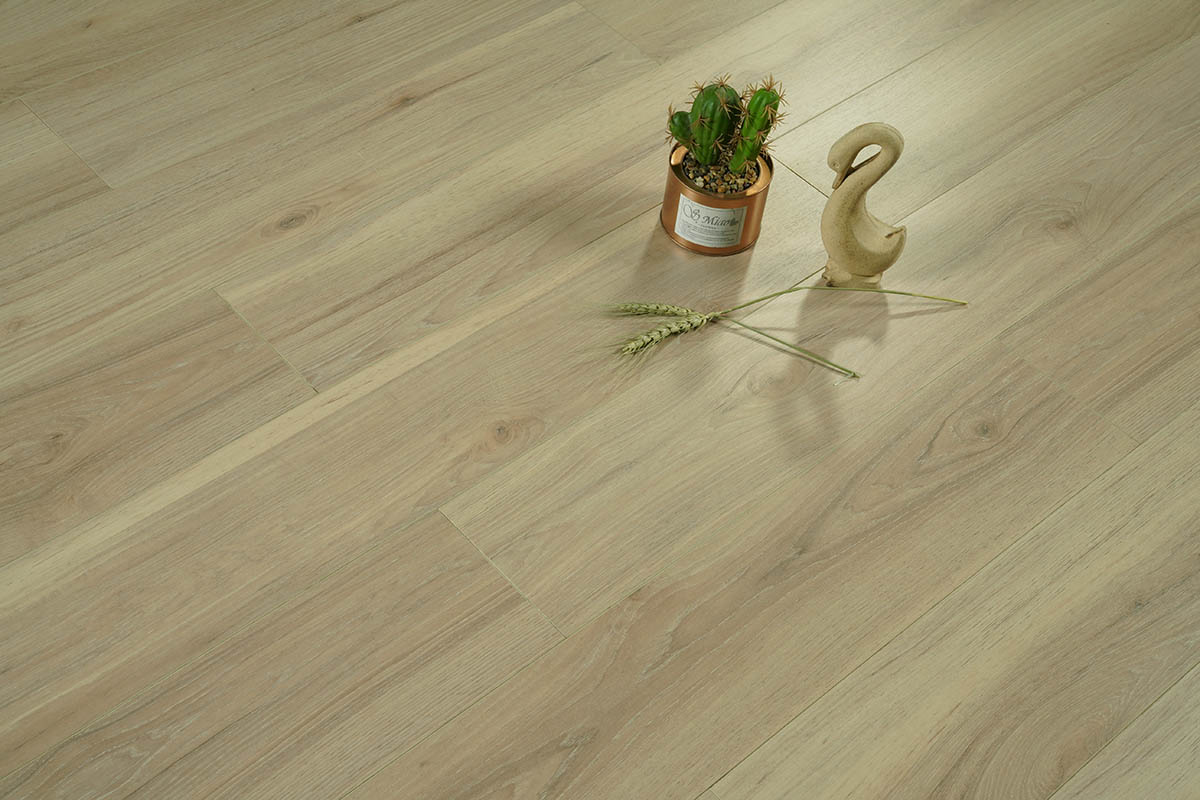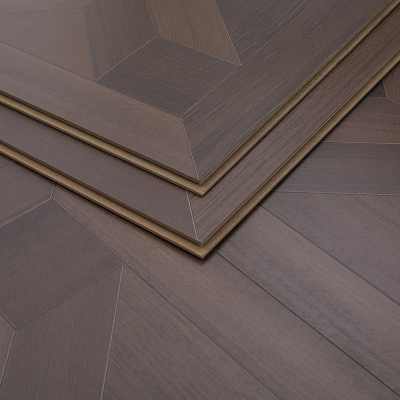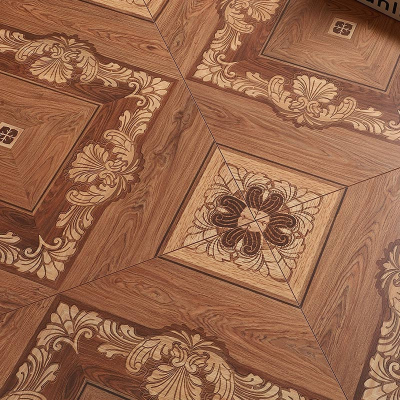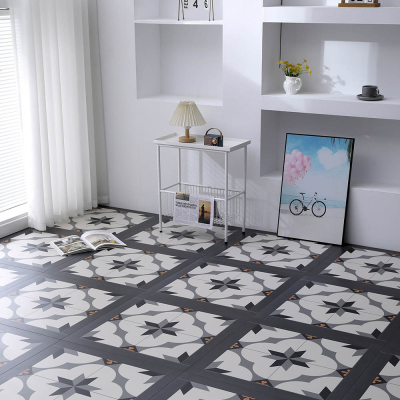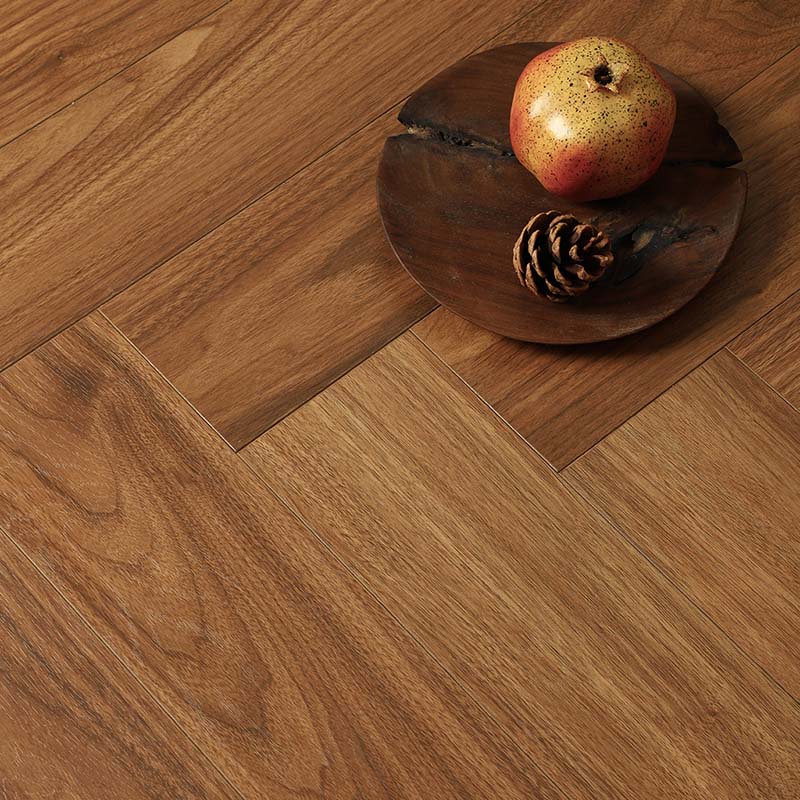
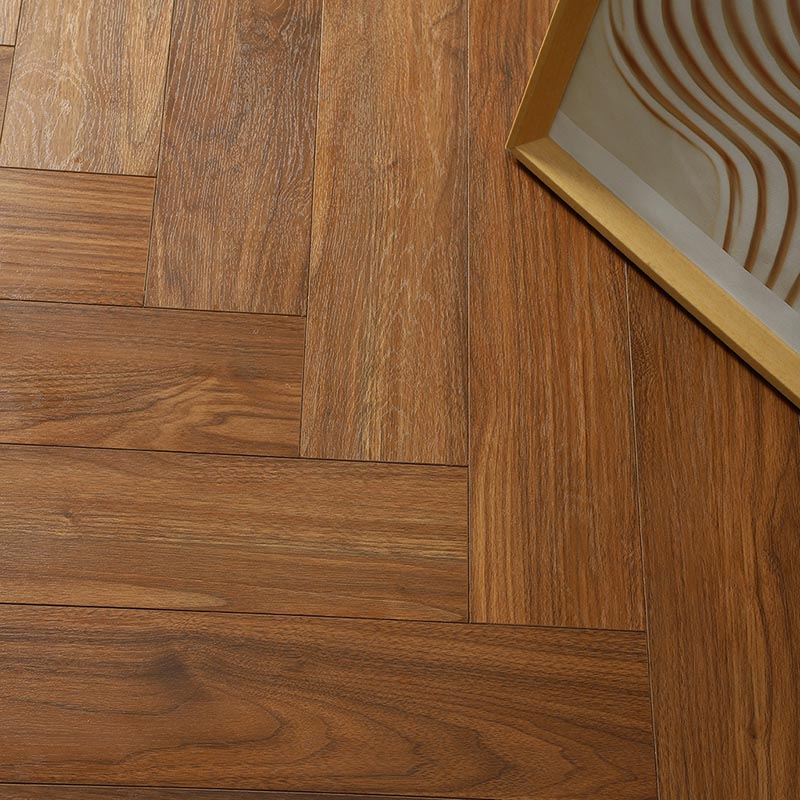
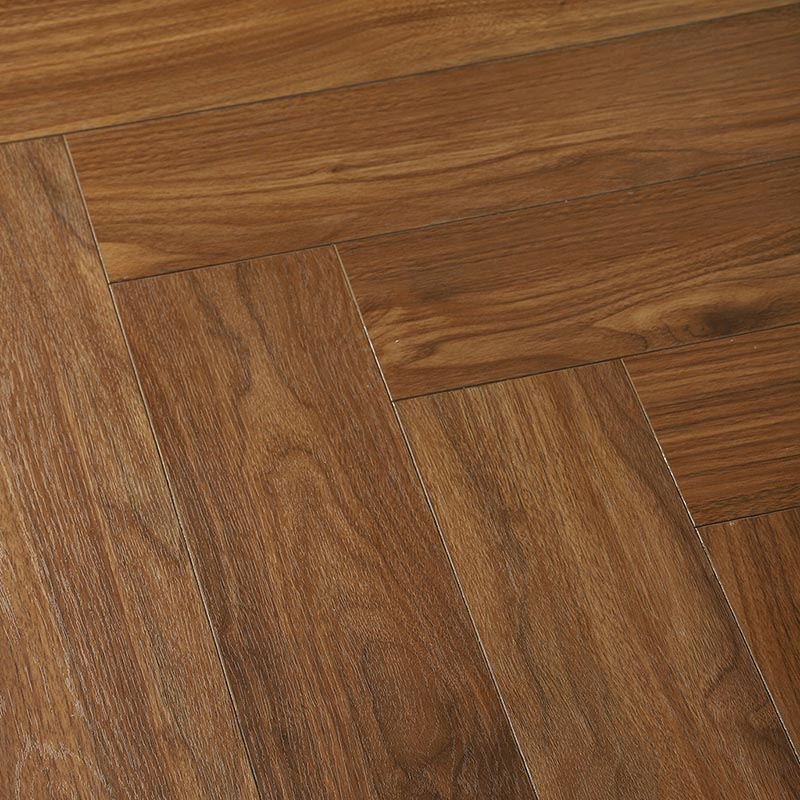
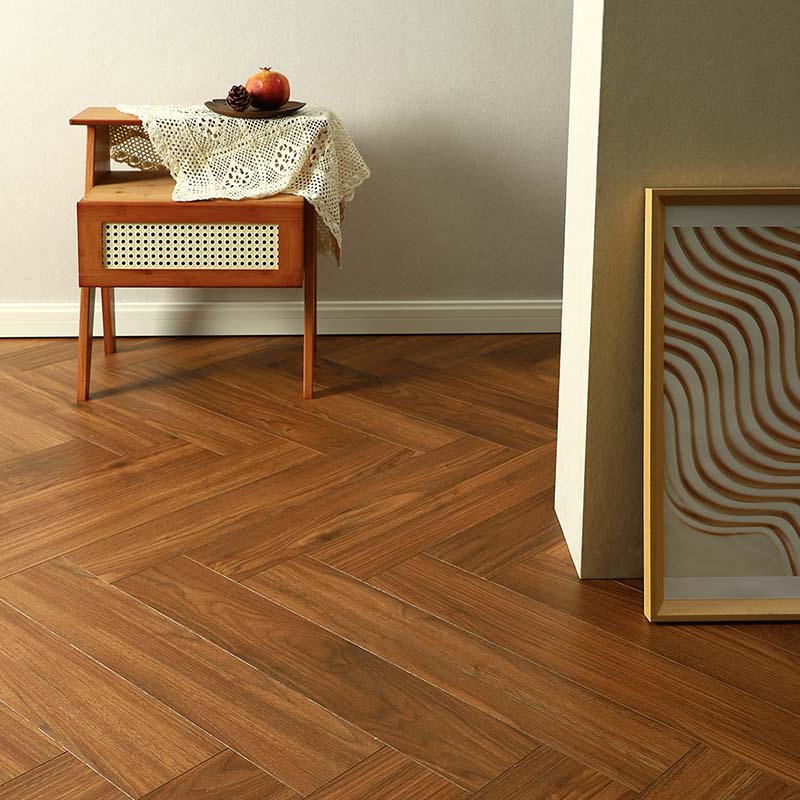
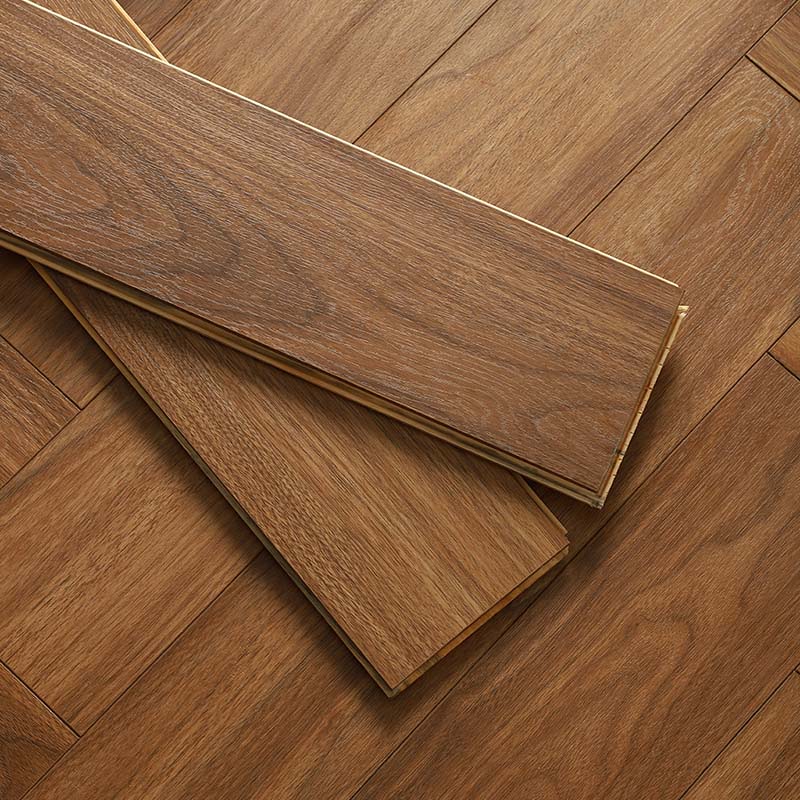
Interior Designer Dedicated Three Layers Herringbone Engineered Wood Flooring
Three-layer herringbone engineered wood flooring has become a staple in contemporary interior design, combining elegance with durability. Globally, the engineered wood flooring market is expected to surpass USD 20 billion by 2030, driven by demand for high-end residential and commercial projects.
The herringbone pattern remains popular among interior designers for its visual sophistication and ability to elevate spaces, while the three-layer construction ensures stability, moisture resistance, and longevity. Rising construction activity in North America, Europe, and Asia-Pacific significantly contributes to market expansion.
Global Market Landscape of Three-Layer Herringbone Engineered Wood Flooring
Three-layer herringbone engineered wood flooring has become a staple in contemporary interior design, combining elegance with durability. Globally, the engineered wood flooring market is expected to surpass USD 20 billion by 2030, driven by demand for high-end residential and commercial projects.
The herringbone pattern remains popular among interior designers for its visual sophistication and ability to elevate spaces, while the three-layer construction ensures stability, moisture resistance, and longevity. Rising construction activity in North America, Europe, and Asia-Pacific significantly contributes to market expansion.
Key Market Trends and Drivers
The adoption of three-layer herringbone engineered wood flooring is propelled by several market trends:
• Premium Aesthetics: Herringbone patterns create luxurious interior environments.
• Enhanced Durability: Multi-layer construction reduces warping, cracking, and deformation.
• Eco-Friendly Materials: Increasing emphasis on FSC-certified wood and low-VOC finishes.
• Ease of Installation: Modern click-lock or tongue-and-groove systems simplify deployment.
• Customization Demand: Buyers seek various plank widths, thicknesses, finishes, and colors to suit bespoke design requirements.
Technical Specifications and Product Structure
Three-layer herringbone engineered wood flooring is designed with precision to balance aesthetics and performance:
• Wear Layer: 2–4mm hardwood providing surface durability and visible wood grain.
• Core Layer: Cross-laminated plywood or HDF ensuring dimensional stability and resistance to moisture.
• Back Layer: Balancing layer preventing warping and enhancing structural integrity.
Technical parameters include:
• Total Thickness: 14–20mm, with a wear layer of 2–4mm.
• Plank Width: 70–120mm suitable for classic herringbone layouts.
• Moisture Absorption: 6–8% for stability in varying climates.
• Abrasion Class: AC3–AC5 for residential to light commercial use.
• Fire Rating: Compliant with B1 or equivalent standards.
Manufacturing Process
The production of three-layer herringbone engineered wood flooring involves meticulous craftsmanship:
• Timber Selection: Premium hardwood veneers are chosen for consistent color and grain.
• Core Fabrication: Multi-layer plywood or HDF cores are cross-laminated for stability.
• Layer Lamination: Veneer, core, and back layers are bonded under heat and pressure.
• Surface Treatment: UV-cured lacquer or aluminum oxide coating is applied for scratch and wear resistance.
• Quality Inspection: Each plank is tested for dimensional accuracy, moisture content, surface finish, and mechanical properties.
International Buyer Preferences and Challenges
Global buyers, especially interior designers and contractors, prioritize:
• Uniformity: Consistent color, grain pattern, and quality across shipments.
• Durability: Resistance to scratches, dents, and moisture for high-traffic areas.
• Sustainability: FSC certification and low-VOC coatings are increasingly mandatory.
• Logistics: Competitive pricing, timely delivery, and flexible shipment quantities.
• Sample Verification: Pre-shipment samples allow designers to confirm finish and color before bulk purchase.
Applications and Advantages
Three-layer herringbone engineered wood flooring is suitable for:
• Residential Spaces: Living rooms, dining areas, hallways, and bedrooms.
• Commercial Spaces: Offices, hotels, retail stores, and showrooms.
• Renovation Projects: Can be installed over existing subfloors with minimal preparation.
• Moisture-Prone Areas: Engineered core provides moderate resistance, suitable for underfloor heating installations.
Key advantages include visual elegance, structural stability, low maintenance, environmentally friendly materials, and adaptability to high-end interior design projects.
Frequently Asked Questions (FAQ)
1. Can three-layer herringbone flooring be used with radiant heating?
Yes, engineered wood with stable core construction is compatible with most underfloor heating systems, following manufacturer guidelines.
2. How long does herringbone pattern installation take compared to straight planks?
Herringbone installation requires careful layout and alignment, but modern click-lock systems significantly reduce installation time for professional teams.
3. Are custom finishes or stains available?
We provide customization options including wood species, stain color, plank width, and surface finish to meet interior designer requirements.
4. What certifications should buyers look for in international shipments?
FSC, ISO, and low-VOC certifications are commonly required to comply with global environmental and safety standards.
Request Professional Support and Samples
We provide tailored support for interior designers, architects, and international buyers seeking three-layer herringbone engineered wood flooring. Contact us to request technical datasheets, quotations, and sample planks to ensure product quality, finish, and performance before bulk orders.
Our commitment is to deliver high-quality, durable, and visually sophisticated engineered wood flooring that meets global B2B standards and enhances premium interior designs.