SPC Flooring Pros and Cons – Is It the Right Choice for Your Project?
In today’s highly competitive commercial and residential construction market, SPC Flooring has become one of the fastest-growing rigid flooring categories worldwide. Developers, contractors, and distributors are increasingly evaluating SPC Flooring not only for its durability and dimensional stability, but also for its consistency in large-scale projects.
This article provides a professional, data-driven review of SPC Flooring—covering technical structure, real-world advantages and limitations, supplier selection, logistics, and cost considerations. It also explains why international buyers continue to source SPC Flooring and SPC wall panels from China, and how experienced manufacturers such as Floorcasa support reliable project delivery.
Global Market Background and Industry Trends
The global resilient flooring market continues to expand, driven by urban renovation, hospitality projects, and mixed-use commercial developments. Within this segment, SPC Flooring (Stone Plastic Composite) is one of the fastest-growing rigid core solutions, especially in North America, Europe, the Middle East, and Southeast Asia.
Several structural trends are accelerating the adoption of SPC Flooring:
l Growing demand for waterproof rigid core flooring solutions in multi-family and hospitality projects
l Increasing use of commercial SPC Flooring systems for retail, healthcare, and education facilities
l Strong preference for low-VOC and recyclable flooring materials in public and green building programs
Unlike traditional vinyl or laminate products, SPC Flooring offers higher dimensional stability under temperature fluctuations, making it suitable for large-format installation without frequent expansion joints.
What Is SPC Flooring?
Product Structure and Core Technology
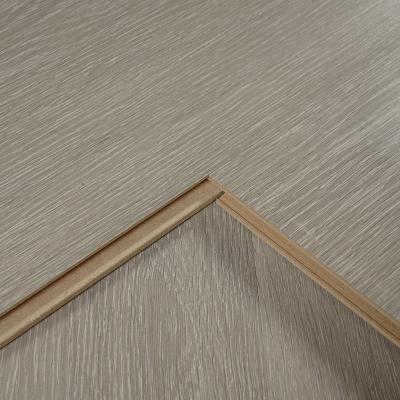
SPC Flooring is a multi-layer rigid floor system built around a stone-plastic composite core. A typical SPC Flooring structure includes:
l UV protective coating
l Wear layer (0.3–0.7 mm for commercial projects)
l Decorative film
l Rigid SPC core (limestone + PVC compound)
l Integrated IXPE or EVA underlayment
Compared with traditional LVT, SPC Flooring uses a higher mineral content in the core, resulting in stronger compression resistance and better subfloor tolerance.
Key Advantages of SPC Flooring
1. Structural Stability and Load Performance
One of the primary reasons specifiers choose SPC Flooring is its superior stability. The rigid mineral core minimizes expansion and contraction, even under heavy foot traffic and wheeled loads.
For large commercial projects, SPC Flooring reduces the risk of joint separation and edge curling—two common failure points in conventional vinyl systems.
2. Waterproof and Moisture-Resistant Performance
Unlike laminate, SPC Flooring is completely waterproof. This makes SPC Flooring suitable for:
l kitchens and pantries
l hotel bathrooms
l basements and utility rooms
Many buyers specifically request waterproof SPC Flooring for apartments and hotels where maintenance costs must be tightly controlled.
3. Installation Efficiency
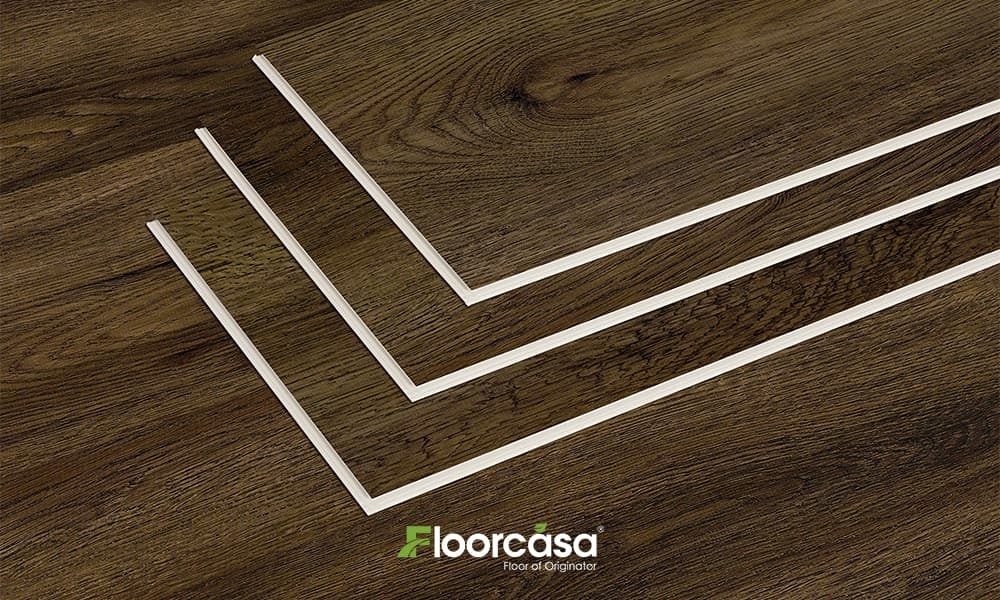
Most modern SPC Flooring products are equipped with advanced click-lock systems. This enables faster installation and reduced labor costs, especially in renovation projects with tight timelines.
In practice, installers report up to 25–30% productivity improvement when switching from glue-down vinyl to click-system SPC Flooring.
4. Design Versatility
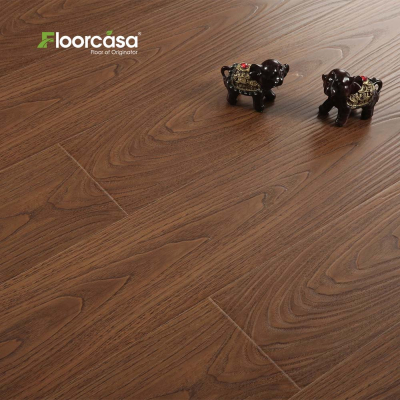
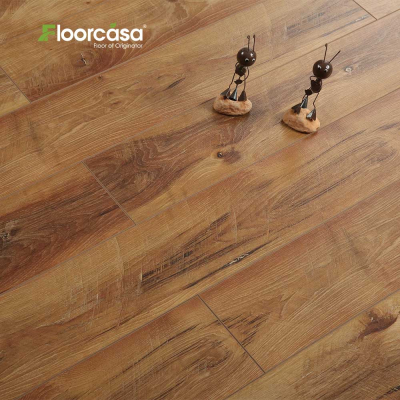
With high-definition printing and EIR embossing, SPC Flooring can realistically replicate:
l natural oak and walnut
l stone and concrete textures
l commercial pattern surfaces
This has significantly expanded the use of SPC Flooring in retail and branded environments.
Practical Disadvantages of SPC Flooring
1. Surface Comfort
Due to its rigid core, SPC Flooring is harder underfoot than WPC flooring. In long-duration standing environments, such as checkout zones or production areas, cushioning solutions or thicker underlays may be required.
2. Acoustic Performance Limitations
While integrated IXPE pads improve sound reduction, SPC Flooring still requires professional acoustic testing when used in residential towers. Without proper specification, impact sound ratings may not meet local building codes.
3. Quality Differences Between Suppliers
Not all SPC Flooring products are manufactured to the same standards. Variations in calcium carbonate ratio, stabilizers, and extrusion temperature directly affect performance and locking system durability.
This is why selecting an experienced SPC Flooring manufacturer in China is critical for long-term project success.
Why Import SPC Wall Panels and SPC Flooring from China?
Although this article focuses on SPC Flooring, many international buyers now source both SPC Flooring and SPC wall panels from the same supplier to standardize quality and simplify logistics.
Cost and Industrial Scale Advantages
China remains the world’s largest production base for rigid core flooring and wall panel systems. A qualified OEM SPC Flooring supplier in China can offer:
l competitive raw material sourcing
l automated extrusion and profiling lines
l consistent batch control
l scalable output for project and distribution orders
Integrated Product Portfolios
Leading factories now supply:
l SPC Flooring systems
l decorative SPC wall panels
l matching trims and skirting
This integrated approach improves visual consistency across residential and hospitality interiors.
Technical Parameters Buyers Should Evaluate
When specifying SPC Flooring, professional buyers should verify:
l Total thickness: 4.0–7.0 mm
l Wear layer: 0.3 mm (light commercial), 0.5–0.7 mm (heavy commercial)
l Click system tensile strength
l Static load and rolling load performance
l Fire resistance classification
l Formaldehyde and VOC compliance
Reputable suppliers such as Floorcasa provide full laboratory reports for every SPC Flooring model.
Manufacturing Process Overview
Professional SPC Flooring production typically includes:
1. Raw material formulation and mixing
2. High-precision extrusion of SPC core
3. Calibrating and cooling
4. Surface lamination and EIR embossing
5. Profiling and click system machining
6. Final inspection and packaging
Strict process control ensures consistent locking accuracy—one of the most important quality factors in SPC Flooring installation.
How to Choose the Right SPC Flooring Supplier
Selecting the right supplier is often more important than selecting the product itself.
Key evaluation criteria include:
l experience in international SPC Flooring export projects
l in-house testing and certification capabilities
l stable formulation control
l ability to support custom surface and branding requirements
A professional partner such as Floorcasa offers project-based quality documentation, production scheduling transparency, and customized packaging for distributors.
Transportation and Logistics Considerations
Because SPC Flooring is heavier than traditional vinyl flooring, freight planning directly affects landed cost.
Buyers should consider:
l pallet optimization and container loading plans
l moisture protection during ocean transport
l destination port handling requirements
Many SPC Flooring manufacturers in China now support mixed container loading of flooring and wall panel products to improve freight efficiency.
Cost Structure and Purchasing Tips
The total cost of SPC Flooring includes:
l raw material formulation
l wear layer thickness
l surface technology (standard print vs EIR)
l packaging and palletization
l certification and testing
l freight and import duties
To ensure a smooth purchasing experience, buyers should:
l request pre-production samples
l confirm mass production color tolerance
l lock formulation specifications in the contract
l define packaging and labeling requirements clearly
Working with established exporters such as Floorcasa helps reduce hidden risks during large-volume SPC Flooring procurement.
Is SPC Flooring the Right Choice for Your Project?
For most residential, hospitality, and commercial applications, SPC Flooring offers an excellent balance between durability, stability, waterproof performance, and installation efficiency.
However, projects with very high acoustic requirements or comfort-focused spaces may require supplementary underlay systems or alternative flooring structures.
When specified correctly and sourced from a reliable supplier, SPC Flooring remains one of the most technically dependable rigid flooring solutions on the global market.
Frequently Asked Questions (B2B)
Q1. Is SPC Flooring suitable for large commercial projects?
Yes. Commercial-grade SPC Flooring with a 0.5–0.7 mm wear layer and certified load performance is widely used in retail, hospitality, and education facilities.
Q2. Can SPC Flooring and SPC wall panels be sourced from the same factory?
Yes. Many integrated manufacturers, including Floorcasa, supply both SPC Flooring and SPC wall panel systems, enabling consistent design and simplified logistics.
Q3. What certifications should international buyers require for SPC Flooring?
Buyers should request fire resistance reports, VOC emission certificates, dimensional stability testing, and wear layer abrasion results for all SPC Flooring products.
Q4. How long is the typical production lead time for SPC Flooring orders?
For standard models, production usually ranges from 15–25 days after order confirmation. Customized SPC Flooring designs may require additional sampling and approval time.
Partner with Floorcasa for Reliable SPC Flooring Solutions
If you are planning a new residential, hospitality, or commercial project and evaluating SPC Flooring, working with an experienced manufacturer is essential.
Floorcasa provides complete support—from technical documentation and customized product development to stable mass production and international logistics coordination.
Contact Floorcasa today to request a detailed quotation, technical specifications, and project samples, and discover how professional SPC Flooring solutions can enhance your next project.