Laminate Flooring: Complete Guide to Types, Benefits, Specifications & Applications
What Is Laminate Flooring?
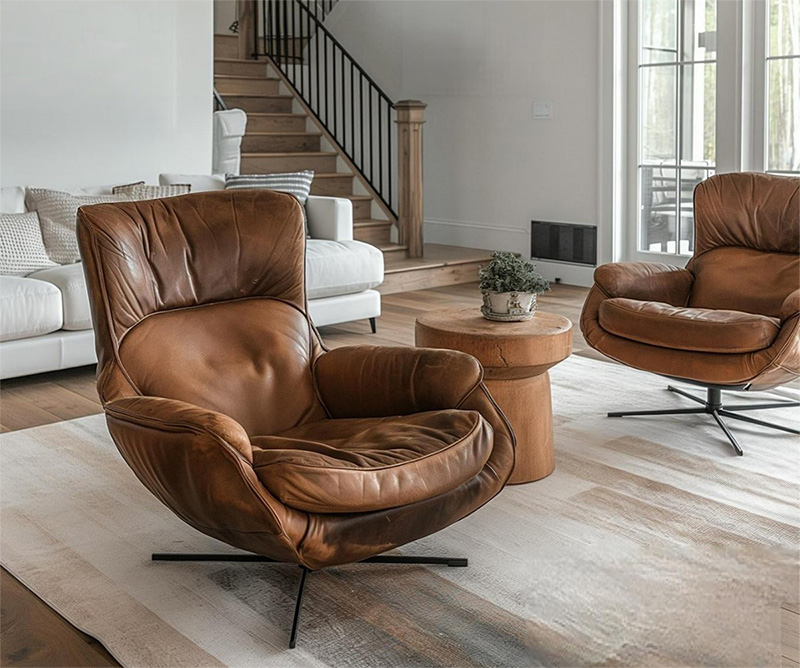
Laminate flooring is a multi-layer engineered floor covering designed to replicate wood or stone aesthetics while delivering consistent dimensional stability, wear resistance, and cost efficiency. It is a versatile and durable flooring solution for residential, commercial, and light industrial applications.
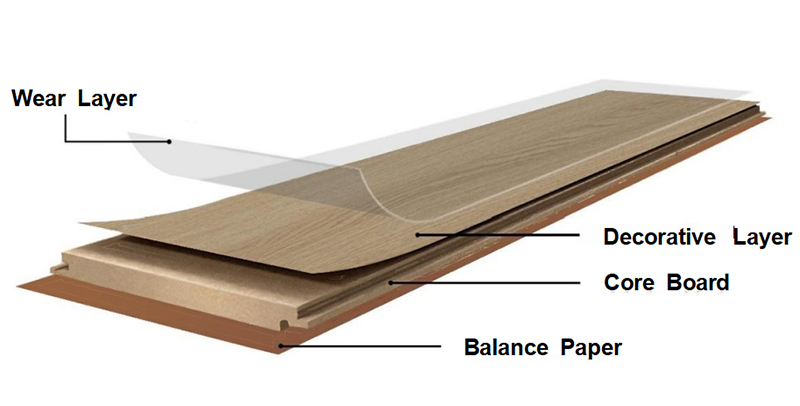
A laminate floor is built from several layers bonded together under heat and pressure. The core is typically high-density fiberboard (HDF), which provides structural stability and load-bearing strength. Above the core is a decorative layer—printed paper that provides the wood or stone appearance. Above that is the wear layer, a melamine resin-infused film that protects the surface from abrasion. Below the core is a balancing layer that prevents warping.
Most laminate floors use a click-lock system, which allows the panels to be connected without adhesive. This is called a floating installation. The floor is not fixed to the subfloor but held together by the locking joints and the weight of the floor itself.
Laminate flooring is used in residential living areas, bedrooms, hallways, offices, retail spaces, hospitality interiors, and public facilities. It is not suitable for wet areas such as bathrooms, kitchens, or basements, because the HDF core is moisture-sensitive.
This guide covers what laminate flooring is, how it is made, the main types, advantages and disadvantages, specifications, applications, and how to choose the right product for a project.
Types of Laminate Flooring
Laminate flooring is available in several categories, defined by abrasion class, thickness, appearance, and moisture resistance. The following table summarises the main types.
| Type | Key Characteristic | Typical Use |
|---|---|---|
| AC3 laminate flooring | Moderate abrasion resistance | Residential |
| AC4 laminate flooring | Good abrasion resistance | General commercial |
| AC5 laminate flooring | High abrasion resistance | Heavy commercial |
| 8mm laminate flooring | Lower thickness, lower cost | Residential, renovation |
| 10mm laminate flooring | Balanced thickness | Residential, commercial |
| 12mm laminate flooring | Higher thickness, more substantial feel | Premium residential, commercial |
| Wood-look laminate flooring | Printed wood grain | Residential, commercial |
| Herringbone laminate flooring | Geometric parquet pattern | Design-led interiors |
| Waterproof / water-resistant laminate | Enhanced moisture resistance (verify product test) | Areas with occasional moisture exposure (not continuous standing water) |
| Commercial laminate flooring | Higher AC rating and density | Offices, retail, public spaces |
Important note: These categories overlap. For example, a product can be AC5, 12mm, wood-look, and commercial-grade at the same time. The appropriate combination depends on the project requirements.
AC3 laminate flooring. Suitable for residential use, including living areas and bedrooms.
AC4 laminate flooring. Suitable for general commercial use, including offices and light retail.
AC5 laminate flooring. Suitable for heavy commercial use, including high-traffic retail and public spaces.
8mm, 10mm, and 12mm laminate flooring. Thickness affects the floor's underfoot feel, floor height, and cost. Thickness should be evaluated together with HDF density, wear class, and locking system—not in isolation.
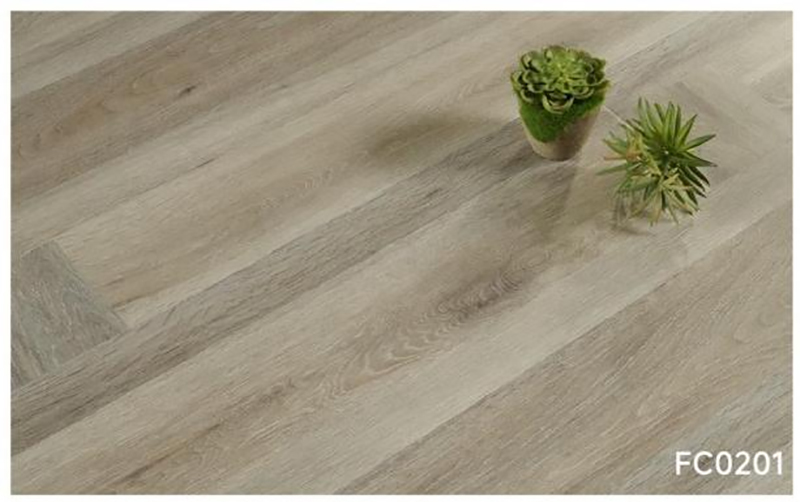
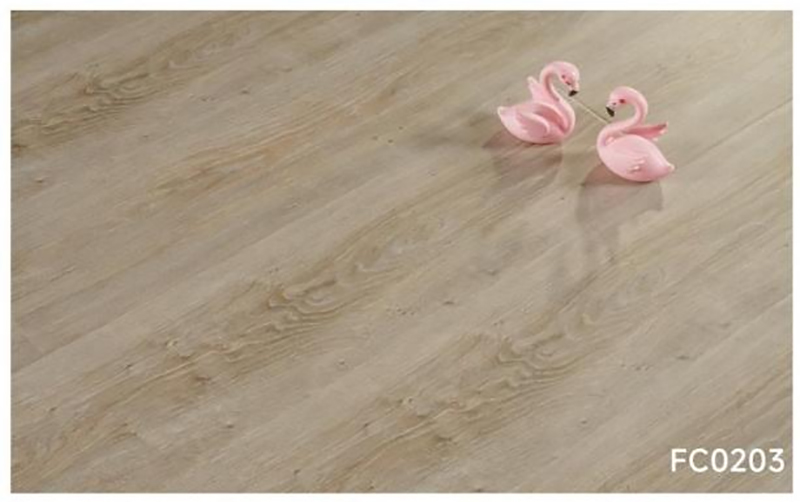
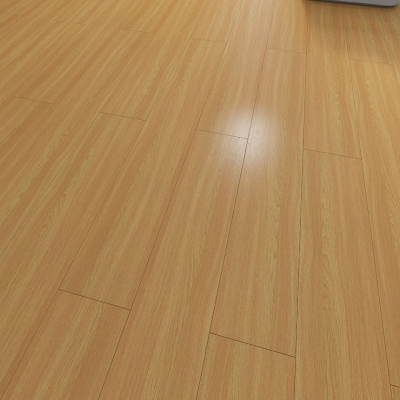
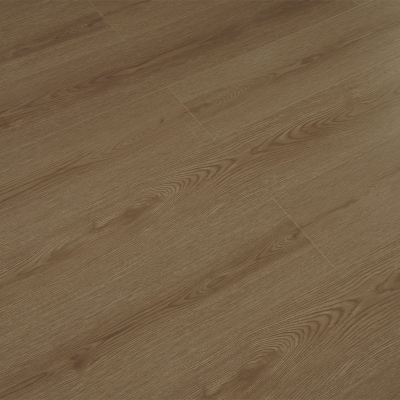
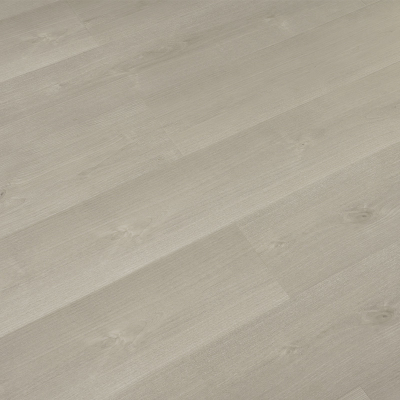
Wood-look laminate flooring. The most common appearance category, reproducing the look of oak, walnut, and other wood species.
Herringbone laminate flooring. A geometric parquet pattern that adds architectural definition to the floor.
Waterproof / water-resistant laminate flooring. Enhanced moisture resistance, but generally not suitable for continuous standing water. Verify the product's moisture resistance and intended application.
Commercial laminate flooring. Higher AC rating and core density for commercial traffic. Verify test reports against the expected traffic level.
Advantages and Disadvantages of Laminate Flooring
Laminate flooring is a practical choice for many projects, but it is not suitable for every situation. The following sections summarise the main advantages and limitations.
Advantages
Affordable. Laminate flooring is generally less expensive than solid hardwood or engineered wood.
Scratch resistance. The melamine wear layer provides good resistance to surface scratches, especially in higher AC ratings.
Easy installation. Click-lock systems allow fast, tool-free installation, reducing labor time and project cost.
Wide range of designs. Laminate flooring is available in a wide range of wood and stone appearances, including synchronized embossing (EIR) for realistic texture.
Low maintenance. No sealing or waxing is required. Routine dry or damp cleaning is sufficient.
Consistent appearance. Unlike natural wood, laminate flooring provides consistent appearance across boards and batches, which is an advantage for large projects.
Limitations
Moisture sensitivity. The HDF core is moisture-sensitive. Laminate flooring is not suitable for wet areas such as bathrooms, kitchens, or basements.
Cannot normally be refinished. Unlike solid hardwood, laminate flooring cannot be sanded and refinished. Damaged panels must be replaced.
Subfloor preparation requirements. Laminate flooring requires a flat, sound subfloor. Uneven subfloors can compromise the locking system and cause joint problems.
Quality varies significantly by HDF and wear layer. Quality varies significantly by HDF density and wear layer thickness. A low-density core with a thin wear layer may fail prematurely in commercial applications. Verify HDF density, wear layer thickness, and AC rating before specification.
For a full comparison with alternative flooring types, see the Industry Comparison section below.
Technical Parameters and Specifications
Laminate flooring performance is defined by standardized mechanical, physical, and surface properties. The following table provides typical values.
| Parameter | Typical Range | Reference Standard |
|---|---|---|
| Total thickness | 7 – 12 mm | EN 13329 |
| Wear layer classification | AC3 – AC6 | EN 13329 |
| Abrasion resistance | AC3: ≥2,000 cycles; AC4: ≥4,000 cycles; AC5: ≥6,000 cycles (Taber test) | EN 13329 |
| Surface hardness | ≥3H (pencil hardness) | Internal QC |
| Density of core board | 850 – 930 kg/m³ | ISO 9426 |
| Dimensional stability (thickness swelling) | ≤18% after 24h water exposure | EN 318 |
| Formaldehyde emission | E1 or E0 grade | EN 717-1 |
| Locking strength | ≥1,200 N/m | Internal QC |
| Slip resistance | R9 – R10 | EN 13893 |
Contact us for the complete technical datasheet, test reports, and OEM specifications. Technical values vary by production specification, and the appropriate specification depends on the project requirements. We provide test reports with each shipment.
Structure and Material Composition
Laminate flooring consists of a precisely engineered layered structure, with each layer performing a specific functional role.
Overlay wear layer. Melamine resin-infused film for abrasion resistance.
Decorative layer. Printed paper providing wood or stone appearance.
Core layer. High-density fiberboard (HDF) for load-bearing strength.
Balancing layer. Stabilizing backing to prevent warping.
Edge locking system. Precision-milled mechanical joints.
The HDF core determines the floor's structural performance—its density affects load-bearing strength, joint strength, and dimensional stability. The wear layer determines abrasion resistance. The decorative layer determines appearance. The balancing layer prevents the panel from warping. The locking system determines how the panels connect and how the floor performs under movement.
Manufacturing Overview
Laminate flooring is produced by combining an HDF core with decorative and wear-resistant layers, followed by pressing, profiling, finishing, and quality inspection. For detailed manufacturing processes, see the laminate flooring manufacturing page. For click-lock systems and locking performance, see the interlocking laminate flooring page. For surface realism and EIR embossing, see the natural touch laminate flooring page.
Industry Comparison
| Flooring Type | Durability | Moisture Resistance | Maintenance | Cost Level |
|---|---|---|---|---|
| Laminate Flooring | High | Moderate | Low | Medium |
| Solid Wood Flooring | Moderate | Low | High | High |
| Engineered Wood Flooring | High | Moderate | Medium | High |
| SPC / Vinyl Flooring | High | High | Low | Medium |
Moisture resistance levels: Moderate = moisture-resistant but not waterproof; Low = moisture-sensitive; High = waterproof or highly moisture-resistant.
Important note: The comparison above is general guidance. The appropriate flooring choice depends on the specific project requirements, including traffic level, moisture exposure, acoustic requirements, and budget. Verify product test reports before specification. For wet areas, see the waterproof SPC flooring page.
Limitations of Laminate Flooring
Laminate flooring is designed for interior dry areas. The following limitations should be considered before specification.
Moisture sensitivity. It is moisture-resistant but not waterproof. It is not suitable for bathrooms, kitchens, basements, or other wet areas. For wet areas, consider waterproof SPC flooring.
Cannot normally be refinished. Unlike solid hardwood, laminate flooring cannot be sanded and refinished. Damaged panels must be replaced.
Subfloor requirements. Laminate flooring requires a flat, sound subfloor for proper installation. Uneven subfloors can compromise the locking system and cause joint problems.
Surface damage. Deep scratches or impact damage may not be repairable. Damaged panels can be replaced, but the replacement panel must match the existing floor.
Quality variation. Performance varies significantly by HDF density, wear layer thickness, and locking system quality. Verify test reports before specification.
For projects where these limitations are a concern, consider alternative flooring types or additional system components.
Application Scenarios
Laminate flooring is widely adopted across projects where durability, appearance consistency, and installation efficiency are critical.
Distributors. Retail and wholesale flooring supply.
EPC contractors. Commercial buildings and offices.
Developers. Residential apartments and housing projects.
Hospitality. Hotels, serviced apartments, dormitories.
Public facilities. Schools, libraries, administrative buildings.
Core pain points and solutions:
Surface wear in high-traffic areas. High AC-rated wear layers extend service life.
Dimensional instability. HDF core density control minimizes deformation.
Installation efficiency. Click-lock systems reduce labor time.
Cost control. Engineered structure lowers total project cost.
Risk Warnings and Mitigation Advice
Improper selection or installation can compromise laminate flooring performance. The following risks should be considered.
Excessive moisture exposure. May cause edge swelling. Mitigation: avoid wet areas, clean up spills promptly, and verify moisture resistance for the intended application.
Uneven subfloors. Can lead to joint failure. Mitigation: verify subfloor flatness before installation.
Low-density core boards. Reduce load resistance. Mitigation: specify HDF density appropriate for the application.
Incorrect expansion gaps. Cause buckling. Mitigation: calculate expansion gaps correctly and install expansion profiles.
Low-quality locking systems. Reduce joint strength and installation reliability. Mitigation: verify locking test reports and conduct sample installation trials where possible.
Procurement and Selection Guide
The following steps provide a practical framework for specifying laminate flooring.
Define project traffic load and usage category. Match the expected traffic to the appropriate AC rating.
Select appropriate AC wear rating. AC3 for residential, AC4 for general commercial, AC5 for heavy commercial.
Confirm core density and thickness. Higher density improves joint strength and load resistance.
Check emission compliance requirements. Verify the applicable emission class for the target market.
Evaluate locking system performance. Request locking test reports and conduct sample installation trials where possible.
Review surface texture and slip resistance. Verify the appearance and slip resistance against the project requirements.
Verify factory quality control documentation. Request test reports and compliance certificates.
Engineering Case Application
In a 25,000 m² commercial office renovation project, AC5-rated laminate flooring with 10 mm thickness was installed over raised concrete subfloors. The project required a durable, consistent floor that could be installed quickly without major subfloor modification. Laminate flooring was selected over carpet (maintenance) and tile (installation time).
The project achieved rapid installation and consistent visual quality. After five years of continuous use under high foot traffic, the floor maintained surface integrity without joint opening or edge damage. Individual panels could be replaced without removing the entire floor.
FAQ: Laminate Flooring Selection and Specification
1. Is laminate flooring suitable for commercial use?
Yes, with AC4 or higher rating. Verify the wear class against the expected traffic level and request test reports.
2. Can laminate flooring be installed over concrete?
Yes, with a moisture barrier. The concrete must be dry, flat, and clean. Verify subfloor moisture content before installation.
3. Is laminate flooring waterproof?
It is moisture-resistant, not fully waterproof. It is not suitable for wet areas such as bathrooms, kitchens, or basements. For wet areas, consider waterproof SPC flooring.
4. What factors affect the lifespan of laminate flooring?
Service life is affected by the wear class, HDF density, locking system quality, subfloor condition, installation quality, maintenance regime, and the actual traffic level. Verify product test data and project references for the specific application.
5. Can damaged planks be replaced?
Yes, individual panels can be removed and replaced, provided the locking profiles are not damaged.
6. Does laminate flooring fade?
UV-stable surfaces minimize fading. Verify the product's UV stability and light fastness test results for the intended application.
7. Is underlayment required?
Underlayment is recommended for acoustic performance and moisture control. The appropriate underlayment depends on the product and project requirements.
8. Can laminate flooring be used with floor heating?
Yes, within specified temperature limits. Verify the product's underfloor heating compatibility and follow the underfloor heating manufacturer's instructions.
9. What maintenance is required?
Routine dry or damp cleaning. Avoid excess water, wax, or oil-based cleaners. Maintain indoor humidity within the recommended range.
10. Is laminate flooring recyclable?
Laminate flooring is partially recyclable depending on region and product composition. The HDF core can be recycled in some regions; the melamine layers may require special processing. Verify the recycling options for the specific product and market.