A Comprehensive Guide: How to Choose Between SPC, LVT, and WPC Flooring ?
Product Definition
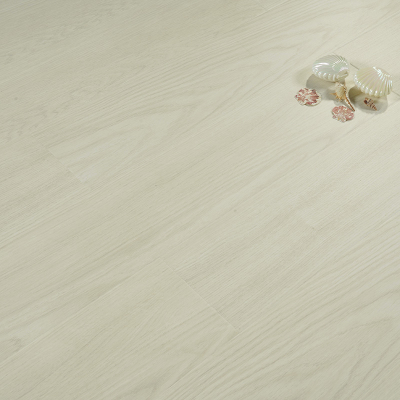
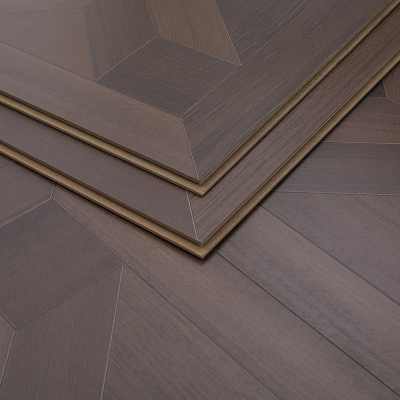
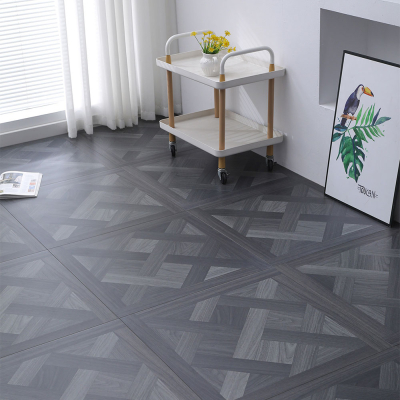
SPC, LVT, and WPC flooring are resilient vinyl-based flooring systems widely used in modern interior construction. They differ primarily in core composition, structural rigidity, acoustic performance, and installation tolerance, making each suitable for distinct engineering, commercial, and residential flooring requirements.
Technical Parameters and Specifications
| Parameter | SPC Flooring | LVT Flooring | WPC Flooring |
|---|---|---|---|
| Total Thickness | 4.0–6.5 mm | 2.0–5.0 mm | 5.5–8.5 mm |
| Wear Layer | 0.3 / 0.5 / 0.7 mm | 0.3 / 0.5 / 0.7 mm | 0.3 / 0.5 mm |
| Core Density | 1900–2100 kg/m³ | 1200–1400 kg/m³ | 650–800 kg/m³ |
| Dimensional Stability | Very High | Medium | High |
| Installation Method | Click-lock / Loose lay | Glue-down / Loose lay | Click-lock |
| Fire Rating | Bfl-s1 (EN 13501) | Bfl-s1 | Bfl-s1 |
Structure and Material Composition
SPC Flooring Structure
UV protective coating
Transparent wear layer
Printed decor film
Rigid SPC core (calcium carbonate + PVC)
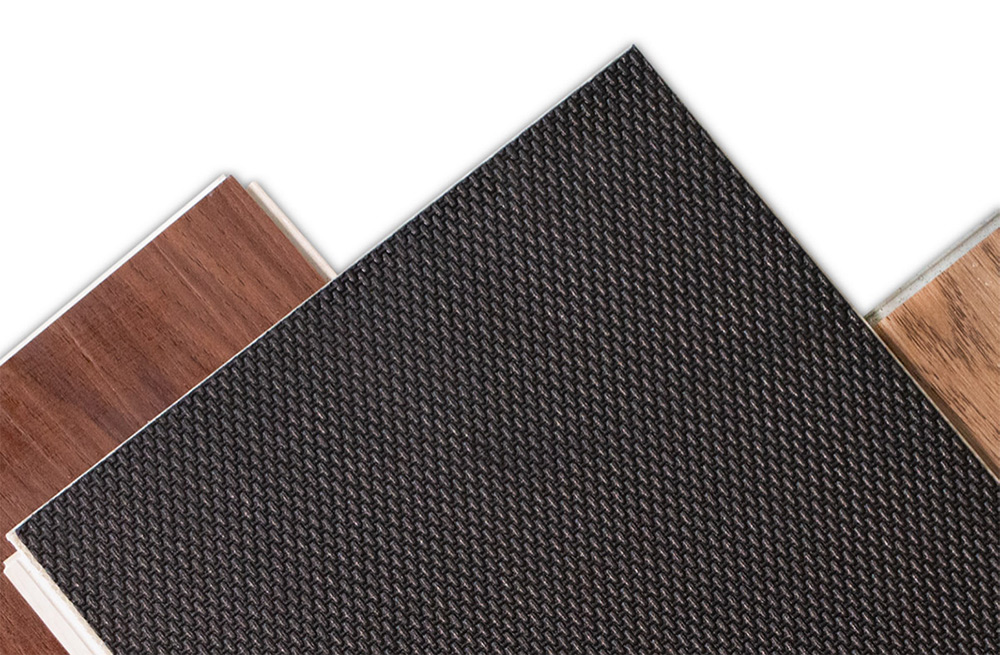
Integrated or attached IXPE/EVA underlayment
LVT Flooring Structure
PU or UV coating
Wear layer
Decor layer
Flexible PVC core
WPC Flooring Structure
UV coating
Wear layer
Decor layer
Foamed WPC core (PVC + wood powder)
Sound absorption backing
Manufacturing Process
Engineering Steps
Raw material batching and mixing
Extrusion or calendering of core layer
Hot lamination of decor and wear layers
Cooling and stress stabilization
CNC profiling for locking systems
Surface UV curing and inspection
Key Equipment
High-torque twin-screw extruders (SPC/WPC)
Calendering lines (LVT)
CNC profiling machines
UV coating and curing lines
Industry Comparison
| Criteria | SPC | LVT | WPC |
|---|---|---|---|
| Subfloor Tolerance | High | Low | Medium |
| Acoustic Comfort | Medium | Low | High |
| Commercial Traffic | Excellent | Good | Moderate |
| Material Cost Control | Stable | Flexible | Higher |
Application Scenarios
Distributors: Tiered product lines by performance and price
EPC Contractors: Hotels, offices, healthcare, education projects
Engineering Firms: Specification-driven material selection
Importers: Regional compliance-focused sourcing
Core Pain Points and Solutions
Pain Point: Floor deformation under temperature change
Solution: Select SPC for high thermal stabilityPain Point: Subfloor flatness limitations
Solution: SPC click systems tolerate minor unevennessPain Point: Footfall noise complaints
Solution: WPC with integrated acoustic backingPain Point: High installation labor cost
Solution: Click-lock SPC/WPC over glue-down LVT
Risk Warnings and Mitigation
Confirm expansion gaps based on core rigidity
Avoid SPC in areas with continuous direct sunlight without UV control
Ensure adhesive compatibility when using glue-down LVT
Verify fire and emission certifications for public projects
Procurement Selection Guide
Define traffic class and load requirements
Assess subfloor condition and flatness
Evaluate acoustic and comfort expectations
Confirm local regulatory standards
Request technical datasheets and test reports
Conduct pilot installation or mock-up
Align logistics and packaging efficiency
Engineering Case Example
A 6,200 m² commercial office project selected SPC flooring (5.0 mm, 0.5 mm wear layer) for open workspaces and WPC flooring for meeting rooms. Installation time was reduced by 28%, and post-installation dimensional deviation remained below 0.2 mm after 12 months of operation.
FAQ
Q1: Which flooring offers the highest rigidity?
A: SPC flooring.Q2: Is LVT suitable for uneven subfloors?
A: No, it requires high flatness.Q3: Which option provides better acoustic comfort?
A: WPC flooring.Q4: Can SPC be installed without glue?
A: Yes, click-lock is standard.Q5: Which flooring is most cost-efficient for large projects?
A: SPC.Q6: Are all three waterproof?
A: Yes, but core behavior differs.Q7: Can they be used with underfloor heating?
A: Yes, within temperature limits.Q8: Which has the longest service life?
A: SPC in high-traffic areas.Q9: Are VOC emissions comparable?
A: All can meet E1/CARB standards.Q10: Which is easiest to replace locally?
A: Click SPC or WPC.
Call to Action
For project-specific recommendations, technical documentation, or comparative samples of SPC, LVT, and WPC flooring systems, please submit a detailed inquiry including application type, area size, and performance requirements.
E-E-A-T Author Credentials
This guide is authored by a flooring systems consultant with over 15 years of experience in resilient flooring engineering, international sourcing, and EPC project specification, supporting distributors, contractors, and developers across multiple global markets.