Best Laminate Flooring
The best laminate flooring delivers exceptional durability, realistic appearance, and environmental compliance. Engineered with a high-density core and advanced melamine wear layer, it withstands heavy foot traffic, scratches, and UV exposure. It meets global standards such as EN 13329, E1, and AC5, ensuring long-term stability and safety. Easy to install, maintain, and clean, it provides superior cost-performance for both residential and commercial environments. With sustainable materials and modern aesthetics, top-quality laminate flooring combines innovation, reliability, and value—offering a lasting flooring solution for every interior project.
Best Laminate Flooring offers durable, stylish flooring options for various needs. For the Best Laminate Flooring For Living Room, prioritize high AC ratings (like AC4/AC5) for scratch resistance and realistic wood/stone visuals to enhance aesthetics. The Best Laminate Flooring For Basement requires excellent moisture resistance; look for waterproof or water-resistant core technology to prevent damage from below-grade dampness. When selecting the Best Laminate Flooring For Radiant Heat, ensure specific compatibility certification from the manufacturer for stable performance and efficient heat transfer over underfloor heating systems. Choose based on your room's specific demands.

- Product structure -
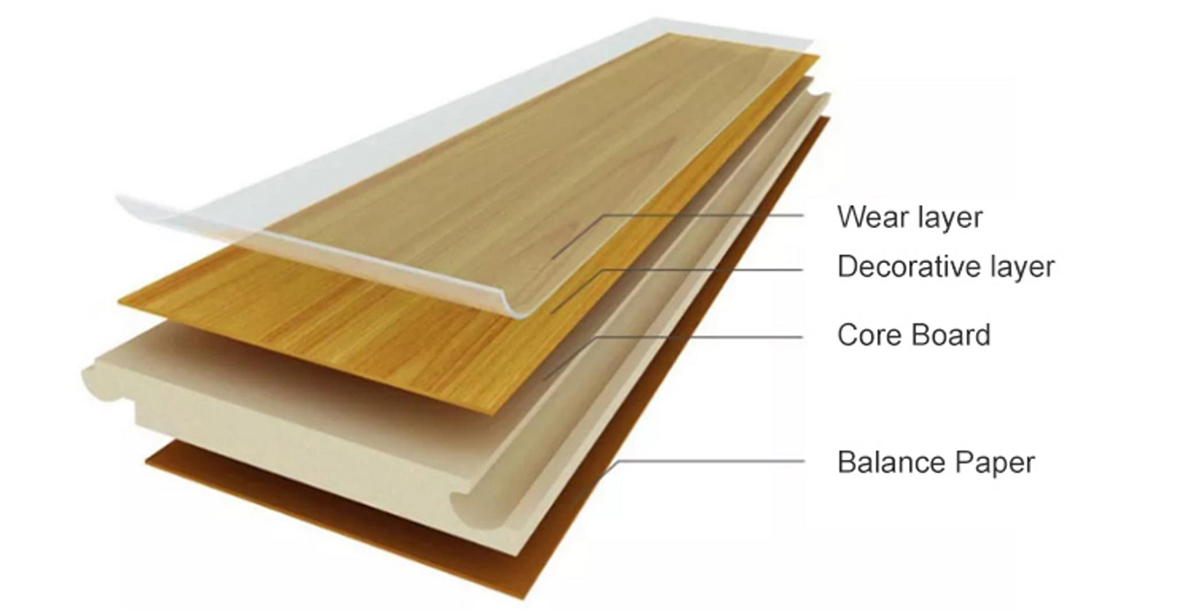
The term “Best Laminate Flooring” refers not only to visual appeal but also to engineering precision, material integrity, and compliance with global standards. Selecting the right laminate flooring requires understanding its construction, durability rating, environmental safety, and installation suitability. This article provides a technical overview of what defines top-quality laminate flooring, including its structural composition, certification requirements, and performance factors—ensuring long-lasting and reliable floor systems for residential and commercial use.
Understanding Laminate Flooring Construction
The best laminate flooring is a multi-layer engineered material designed to simulate real hardwood with enhanced functionality. A typical configuration includes:
Wear Layer:
A melamine resin-based protective surface that resists scratches, abrasion, stains, and UV damage. Thickness typically ranges from 0.2–0.6 mm depending on application grade.Decorative Layer:
High-definition photographic film replicating wood grains, stone, or marble textures with realistic 3D embossing.Core Layer:
High-Density Fiberboard (HDF) or sometimes Medium-Density Fiberboard (MDF) with density values of 850–950 kg/m³, ensuring dimensional stability and impact resistance.Backing Layer:
A moisture-resistant stabilizing film to balance internal tension and prevent warping.
These layers are fused under high temperature (200°C) and pressure (30–40 kg/cm²), resulting in a dense, stable, and durable flooring board.
Engineering Standards and Performance Ratings
Top-performing laminate floors adhere to international testing and certification systems that guarantee product quality and longevity:
EN 13329 (Europe): Specifies abrasion resistance (AC ratings), impact resistance, and surface swelling.
ASTM F2036 (USA): Defines surface wear resistance and dimensional stability.
ISO 9001 & ISO 14001: Ensure consistent production quality and environmental responsibility.
E1 or E0 Emission Class: Limits formaldehyde release for safe indoor air quality.
AC Rating Classification:
AC3: Suitable for moderate residential use.
AC4: Ideal for high-traffic residential and light commercial areas.
AC5: Heavy commercial-grade durability.
Best laminate flooring typically carries AC4 or AC5 ratings, offering superior performance against wear and mechanical stress.
Key Features of the Best Laminate Flooring
1. Dimensional Stability:
Low swelling rate (<0.5%) ensures reliable installation even in varying humidity conditions.
2. Scratch and Impact Resistance:
The melamine wear layer provides high hardness levels (approx. 8 on Mohs scale).
3. UV and Stain Resistance:
Suitable for sunlight-exposed areas with minimal color fading.
4. Water Resistance Options:
Advanced versions use waxed click systems or resin-sealed joints, preventing edge swelling in kitchens or entryways.
5. Sound Absorption and Comfort:
When combined with underlayment, noise reduction improves by 18–22 dB, enhancing indoor comfort.
Installation and Maintenance Guidelines
Preparation:
Ensure subfloor flatness within 2mm per 2m. Use vapor barrier films on concrete substrates.
Installation:
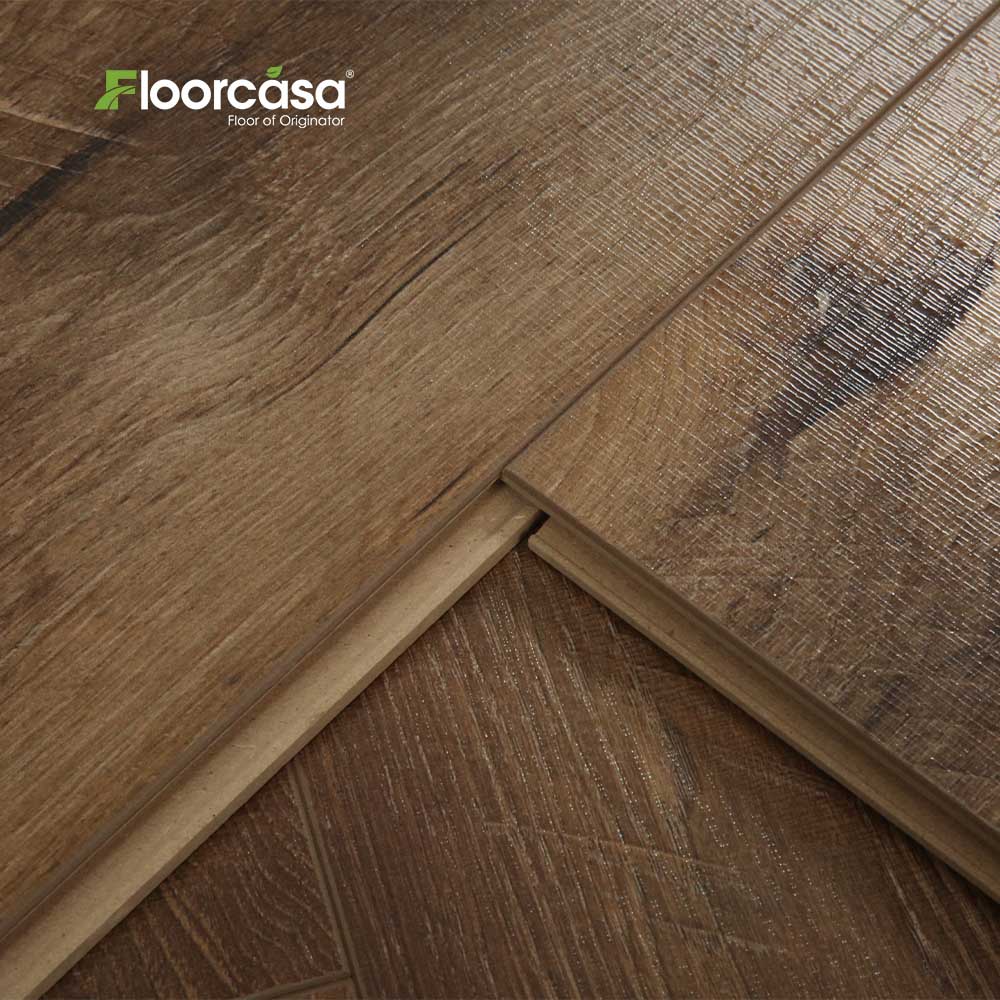
Most best-quality laminate floors adopt click-lock systems (Uniclic or Valinge type), enabling floating installation without adhesives. Leave 10–12 mm expansion gaps along walls.
Maintenance:
Use a damp mop or microfiber cleaner. Avoid excessive water and abrasive agents. Proper maintenance can extend lifespan beyond 20 years.
Environmental and Regulatory Compliance
Sustainable manufacturing is a defining feature of the best laminate flooring. It must comply with:
CARB Phase II and TSCA Title VI: Low formaldehyde emissions.
PEFC/FSC Certification: Responsible wood sourcing.
REACH & RoHS: Absence of heavy metals and toxic compounds.
These standards ensure the flooring contributes to eco-friendly building certification systems such as LEED and BREEAM.
Comparative Analysis: Laminate vs. Other Flooring
| Property | Laminate Flooring | SPC Vinyl | Solid Wood |
|---|---|---|---|
| Durability | High (AC4–AC5) | Very High | Medium |
| Water Resistance | Moderate to High | Excellent | Low |
| Cost | Low to Medium | Medium | High |
| Maintenance | Easy | Easy | Regular |
| Environmental Impact | Low | Moderate | High |
Laminate flooring offers the best balance between cost, performance, and visual quality, making it a preferred choice for modern interiors.
FAQs about Best Laminate Flooring
Q1: What thickness is recommended for high-quality laminate?
Generally 8mm–12mm ensures stability, comfort, and acoustic control.
Q2: How long does laminate flooring last?
High-end products last 15–25 years, depending on traffic and maintenance.
Q3: Is it suitable for underfloor heating?
Yes, provided that the underlayment and installation system meet EN 14041 standards.
Q4: Can I install it in humid areas?
Moisture-resistant versions can be used in kitchens or basements with adequate sealing.
Q5: Does it need professional installation?
DIY installation is possible due to user-friendly locking systems, but professional service ensures better finish and longevity.