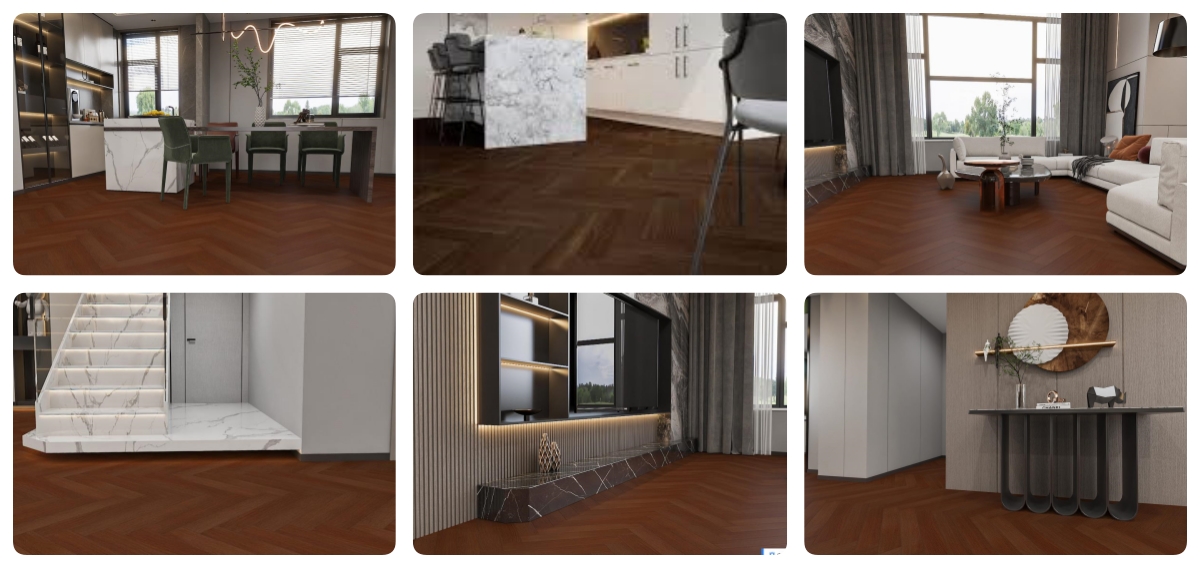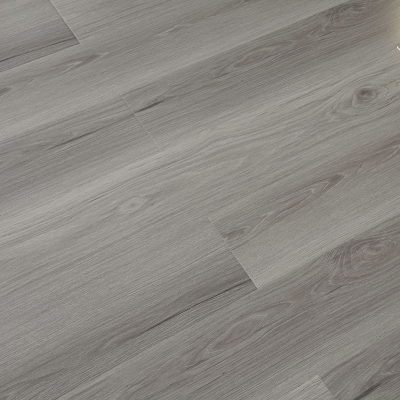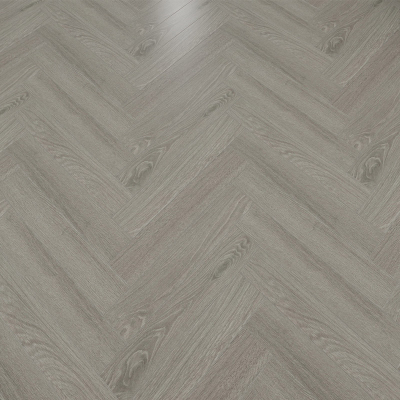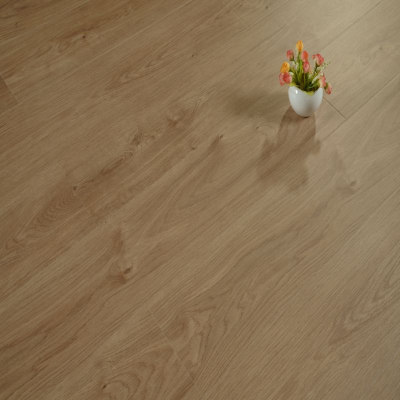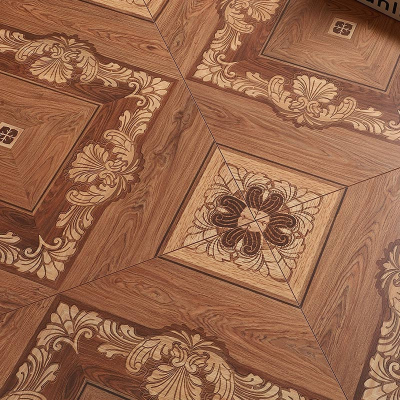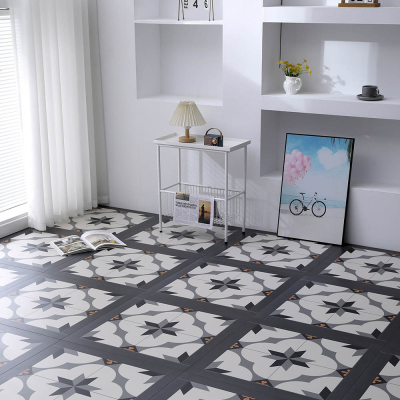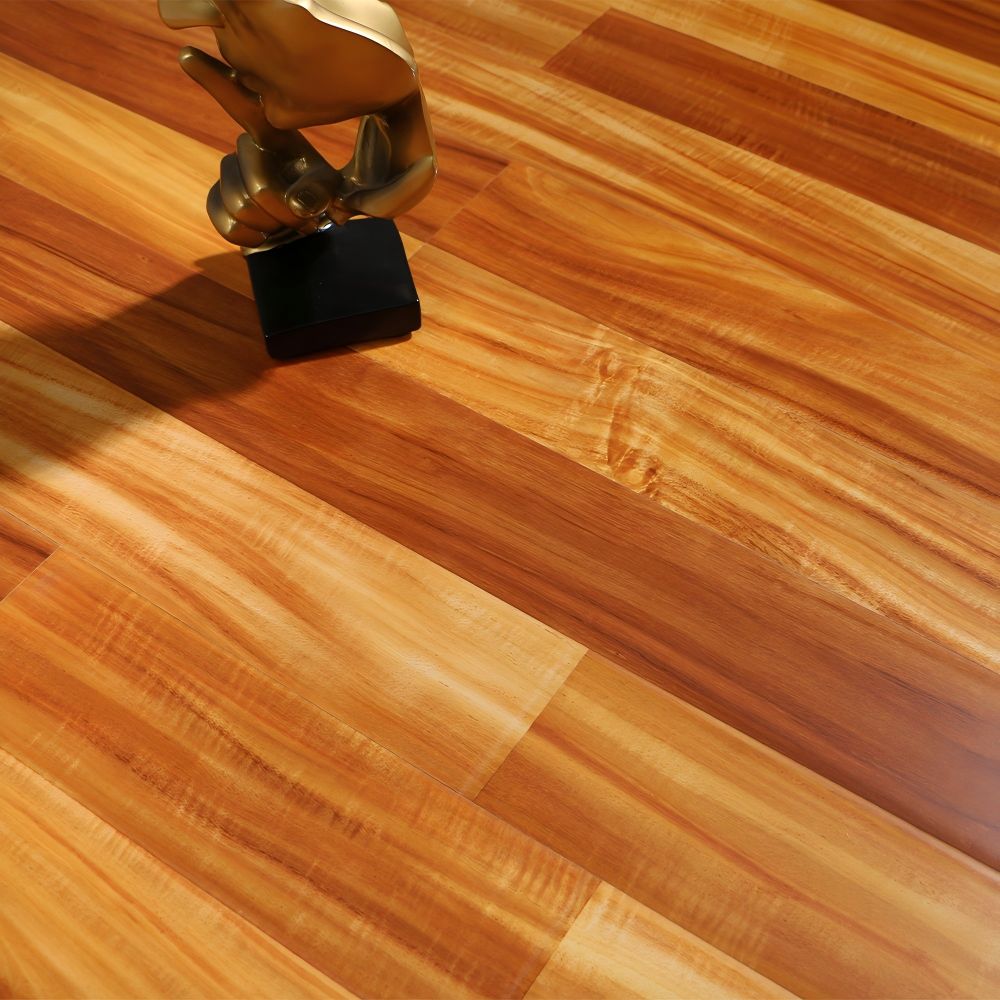
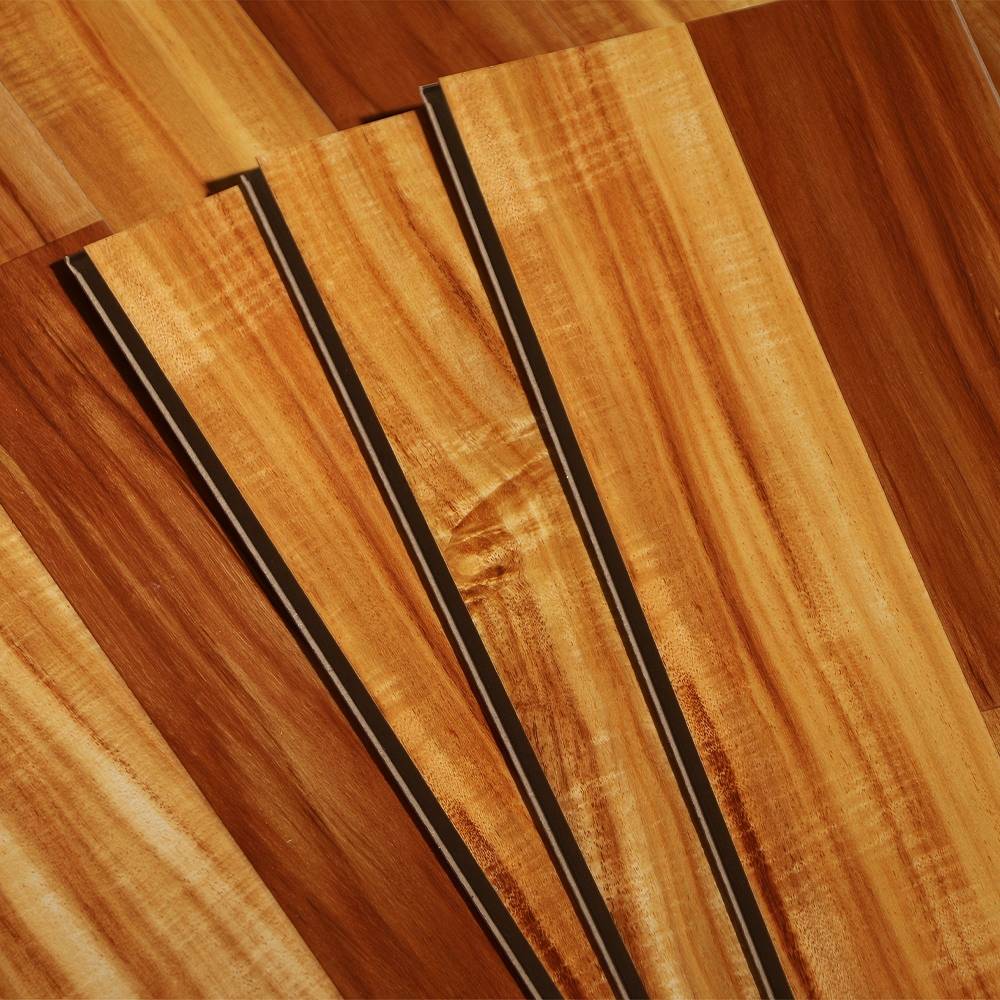
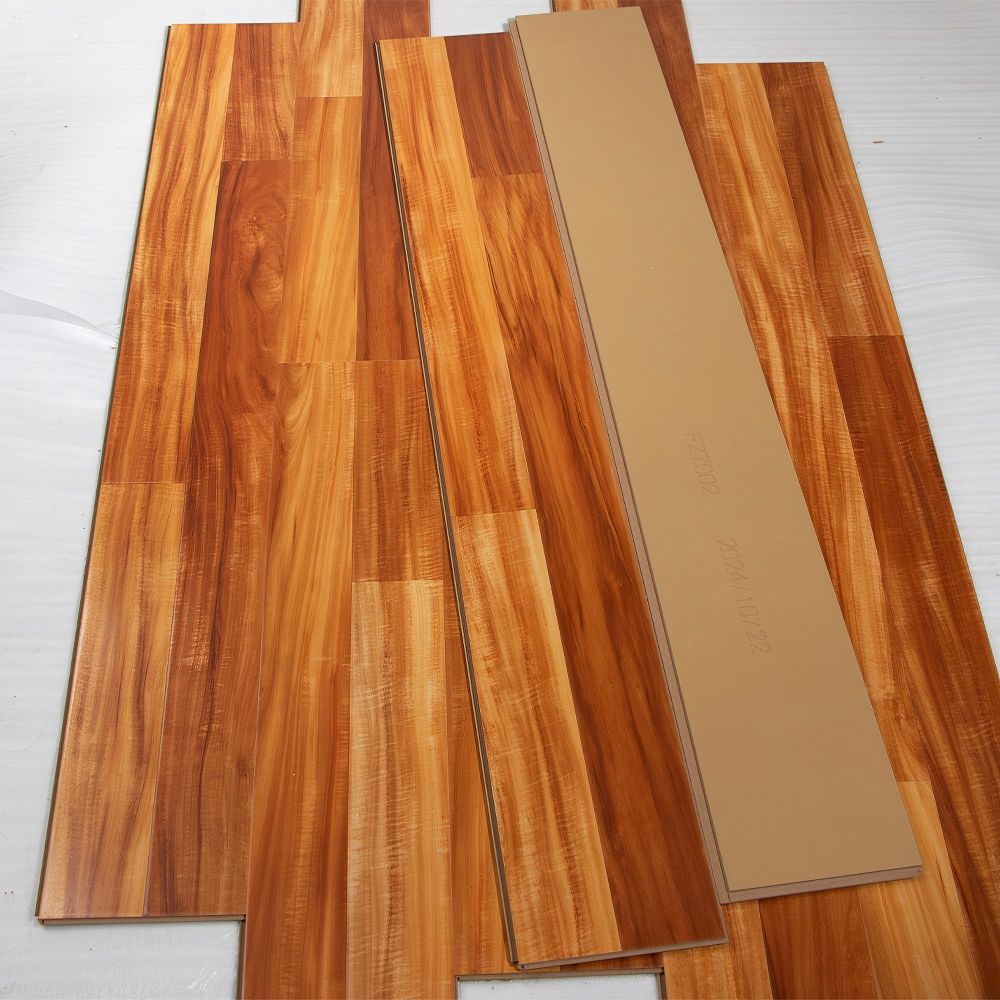
Best High Gloss Kitchen laminate flooring
The Best High Gloss Kitchen laminate flooring category includes multi-layer engineered panels optimized for scratch resistance, reflective surface aesthetics, and long-term dimensional stability. Typical technical parameters include:
• Thickness: 7–12 mm
• Wear Layer: AC3–AC5 abrasion rating
• Core Material: HDF ≥ 850 kg/m³ density
• Surface Finish: UV-cured high-gloss coating
• Edge Type: Click-lock or V-groove
• Moisture Resistance: 8–14% swelling rate
• Formaldehyde Emissions: E0/E1 standard
• Fire Rating: Class B or equivalent
Concise Definition
Best High Gloss Kitchen laminate flooring is a multi-layer engineered surface designed for commercial kitchens and residential projects requiring enhanced shine, durability, moisture resistance, and easy installation. It provides a cost-effective alternative to hardwood while supporting large-scale B2B flooring deployments.
Technical Specifications of High Gloss Kitchen Laminate Flooring
The Best High Gloss Kitchen laminate flooring category includes multi-layer engineered panels optimized for scratch resistance, reflective surface aesthetics, and long-term dimensional stability. Typical technical parameters include:
• Thickness: 7–12 mm
• Wear Layer: AC3–AC5 abrasion rating
• Core Material: HDF ≥ 850 kg/m³ density
• Surface Finish: UV-cured high-gloss coating
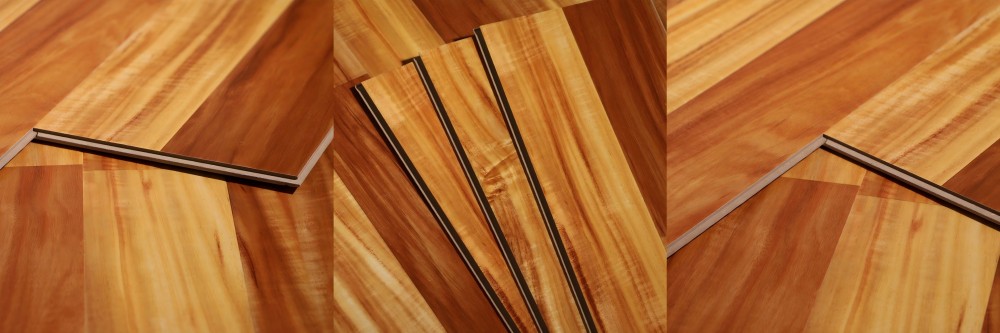
• Edge Type: Click-lock or V-groove
• Moisture Resistance: 8–14% swelling rate
• Formaldehyde Emissions: E0/E1 standard
• Fire Rating: Class B or equivalent
Product Structure and Manufacturing Process
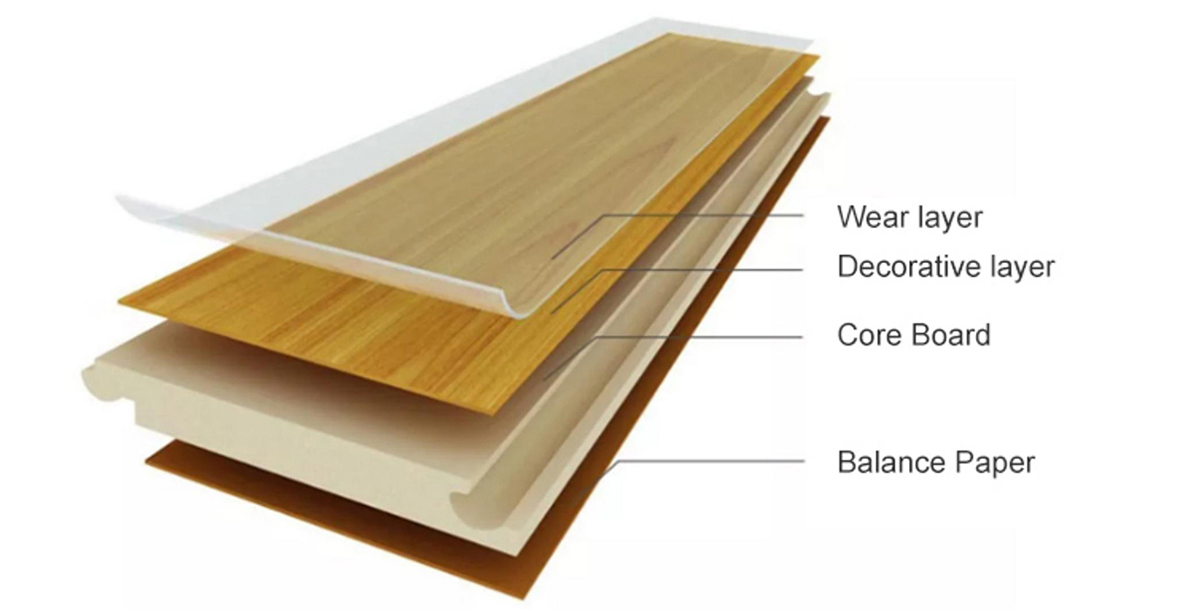
High gloss kitchen laminate flooring is built using a four-layer structure engineered for strength and stability:
Layer Composition
• Overlay: A transparent melamine wear layer providing scratch and chemical resistance.
• Decorative Film: High-resolution kitchen-grade printed design film with gloss enhancement.
• HDF Core: High-density fiberboard for structural strength and moisture resistance.
• Back Layer: Balance film minimizing warping and ensuring dimensional stability.
Manufacturing Process Overview
1. HDF core preparation with moisture balancing.
2. Printing and gloss enhancement of decorative film.
3. Laminating overlay, decor film, HDF, and balance layer under 800–1200 tons pressure.
4. UV coating to achieve high-gloss reflectivity.
5. Profiling click-lock edges using CNC machinery.
6. Surface inspection and abrasion resistance testing.
7. Packaging for palletized bulk shipments.
Market Trends and Global Demand Insights
According to 2024–2025 industry statistics from global building material associations, laminate flooring demand is growing at 5.2% CAGR. High gloss kitchen laminate flooring shows above-average growth due to rising renovation activities in Europe, Southeast Asia, and the Middle East. Commercial kitchens, hospitality upgrades, and cost-optimized residential projects account for over 40% of new demand.
Industry Comparison Table: High Gloss Laminate vs Alternatives
| Material | Durability | Moisture Resistance | Cost | Installation Speed |
|---|---|---|---|---|
| High Gloss Laminate | AC3–AC5 | Moderate–High | Low | Fast |
| Engineered Wood | High | Moderate | Medium–High | Moderate |
| Vinyl Plank | High | Very High | Medium | Fast |
| Solid Hardwood | Very High | Low | High | Slow |
Pain Points & Solutions for B2B Buyers
Pain Point 1: Surface scratches in heavy-use areas.
Solution: Choose AC4–AC5 wear layer with reinforced UV coating to minimize micro-scratches.
Pain Point 2: Moisture issues in kitchen installations.
Solution: Select HDF ≥ 850 kg/m³ with sealed edges to prevent swelling and delamination.
Pain Point 3: Poor locking stability in large commercial projects.
Solution: CNC-profiled click systems ensure tight joints and reduced installation defects.
Risk Alerts & Recommended Mitigation
Risk 1: Substandard core density leading to warping.
Mitigation: Request density report and third-party QC test from suppliers.
Risk 2: Gloss fading due to poor UV coating.
Mitigation: Use UV-cured multi-layer finishes with verified abrasion cycles.
Risk 3: Shipment damage in bulk pallets.
Mitigation: Require corner protection, moisture-barrier packaging, and impact-rated pallets.
Step-by-Step Procurement Workflow (Highly Actionable)
1. Define project requirements: traffic level, gloss grade, and moisture exposure.
2. Request technical datasheet and AC rating verification.
3. Inspect core density, click profile, and edge sealing quality.
4. Review supplier production capacity and delivery schedule.
5. Perform sample installation test with on-site conditions.
6. Confirm packaging standard for bulk export.
7. Execute order with AQL-based pre-shipment inspection.
Selection Guide: How to Choose the Best High Gloss Kitchen Laminate Flooring
1. Choose AC4 or AC5 for commercial kitchens and high-traffic projects.
2. Select high-gloss UV coating with ≥ 10% reflectivity for premium appearance.
3. Ensure HDF core density ≥ 850 kg/m³ for moisture stability.
4. Verify click-lock precision to reduce installation defects.
5. Compare long-term maintenance and replacement cycle costs.
6. Check fire and formaldehyde compliance for international standards.
7. Prioritize suppliers with automated pressing lines for consistent quality.
Real-World B2B Application Example
A Southeast Asian hotel chain recently installed 18,000 m² of Best High Gloss Kitchen laminate flooring across 40 restaurant kitchens. The project required fast installation, high reflectivity, and low maintenance. Using AC4 high-density laminate reduced installation time by 22% and cut overall flooring cost by 38% compared to engineered wood.
Engineering Term Explanations
• AC Rating: Abrasion Class measuring wear resistance.
• HDF: High-density fiberboard core material.
• UV Coating: Ultraviolet-cured surface finish improving gloss and durability.
• Swelling Rate: Measurement of dimensional changes under moisture.
• Click-Lock System: Mechanical joint allowing tool-free installation.
Competitive Landscape Overview
High gloss laminate flooring competes with vinyl and engineered wood. Vinyl dominates long-term moisture resistance, while engineered wood offers the most premium texture. However, laminate provides the strongest balance of cost efficiency, aesthetic gloss, and rapid installation—making it the preferred choice for large-scale B2B kitchen renovation projects.
FAQ
1. Is high gloss laminate suitable for commercial kitchens?
Yes, AC4–AC5 high gloss laminate provides adequate durability for most commercial kitchen environments when moisture-controlled subfloors are used.
2. How long does high gloss laminate flooring last?
Typically 10–20 years depending on wear layer and installation quality.
3. Does gloss fade over time?
High-quality UV-cured coatings minimize gloss reduction and maintain reflectivity.
4. Can high gloss laminate handle spills?
It is moderately moisture-resistant but should not be exposed to standing water for long periods.
5. Why choose laminate instead of hardwood?
It delivers hardwood-like appearance at significantly lower cost and faster installation speed.
6. What AC rating is best for kitchen use?
AC4 or AC5 is recommended for high-traffic commercial kitchens.
7. How to check core quality?
Request density reports and confirm ≥ 850 kg/m³ standard.
8. Are there fire-rating requirements?
Most countries require Class B or equivalent for kitchen installations.
Commercial CTA for Wholesalers & Contractors
If you are sourcing Best High Gloss Kitchen laminate flooring for wholesale distribution, renovation projects, or large-scale hospitality upgrades, our engineered high-gloss laminate panels provide AC4–AC5 durability, premium reflectivity, and optimized cost-to-performance ratios. Contact our technical sales team for bulk pricing, OEM customization, and logistics support designed for EPC contractors and flooring distributors.
Author & E-E-A-T Statement
Written by a senior renewable-materials and building-products technical writer with 12+ years of industry experience in flooring engineering and B2B manufacturing supply chains.
Content references informed by leading industry bodies including the European Producers of Laminate Flooring (EPLF) and the National Wood Flooring Association (NWFA).
| Application |
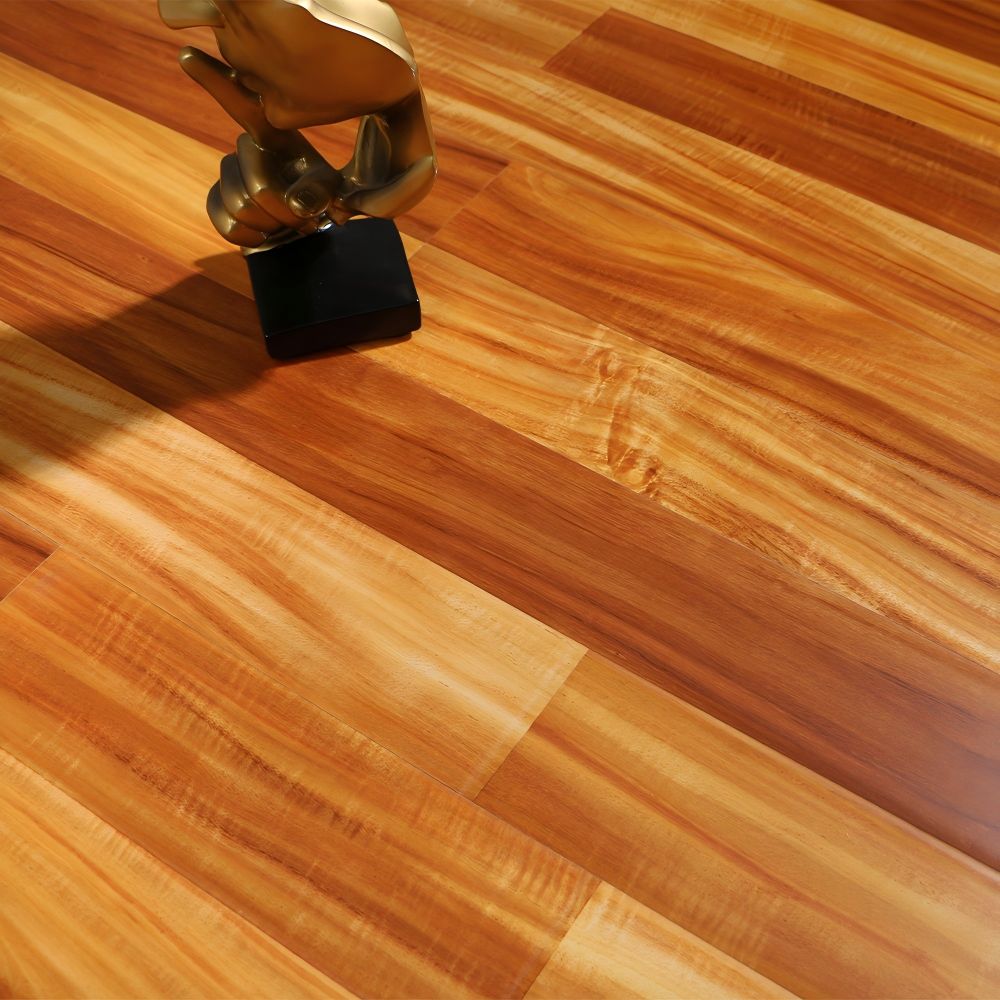
Application :Modern minimalist kitchen, European style kitchen, open kitchen, restaurant kitchen, cafe, shopping mall.