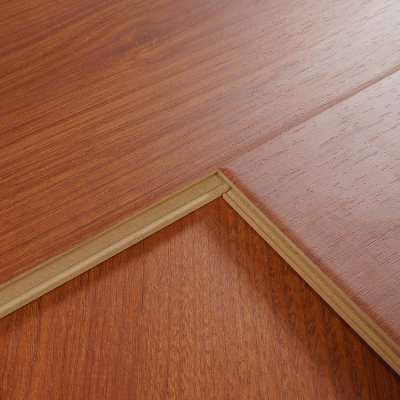
60S Quick View: SPC Floor Manufacturing Process
60S Quick View: SPC Floor Manufacturing Process refers to a structured technical overview of how Stone Plastic Composite (SPC) flooring is engineered, extruded, laminated, and precision-profiled within approximately 60 core production steps or seconds of synchronized automated processing in modern continuous production lines.
Technical Parameters & Specifications
Understanding the 60S Quick View: SPC Floor Manufacturing Process requires clarity on standard production specifications:
Total Thickness: 3.5mm–8.0mm
Wear Layer Thickness: 0.2mm / 0.3mm / 0.5mm / 0.7mm
Core Density: 1,900–2,100 kg/m³
Calcium Carbonate Content: 60–75%
Dimensional Stability: ≤ 0.1%
Residual Indentation: ≤ 0.1mm
Fire Rating: Bfl-s1 (EN 13501-1 typical)
Formaldehyde Emission: E0 / ≤0.05 mg/m³
Locking Strength: ≥ 1.5 kN/m
The 60S Quick View: SPC Floor Manufacturing Process integrates extrusion precision and thermal calibration to maintain these tolerances.
Structure & Material Composition
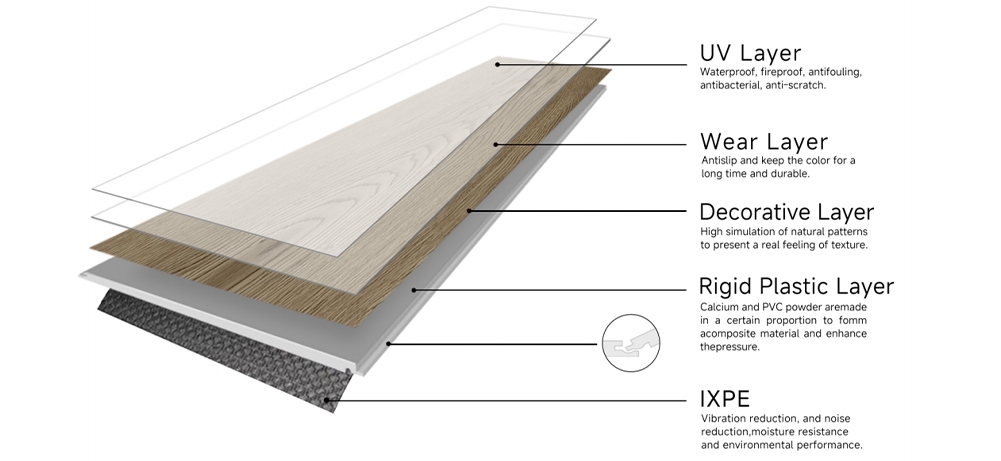
SPC flooring is a multi-layer composite system engineered for rigidity and waterproof performance:
UV Coating: Scratch-resistant surface protection
Wear Layer: Transparent PVC abrasion layer
Decor Film: High-definition printed layer
SPC Core: Limestone powder + PVC stabilizer composite
Backing Layer: Stabilization film
Optional IXPE/EVA Pad: Acoustic underlayment
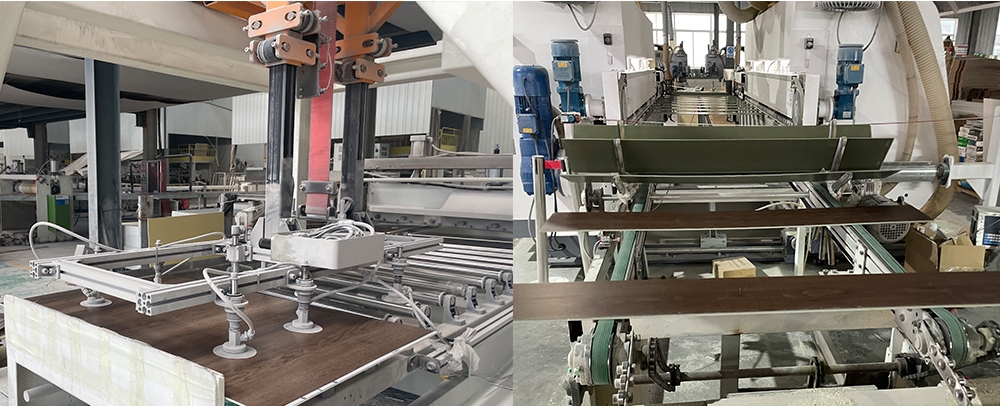
The 60S Quick View: SPC Floor Manufacturing Process focuses primarily on the extrusion and lamination phases that create the rigid core structure.
Manufacturing Process (Engineering Overview)
1. Raw Material Batching
Automatic weighing systems
High-speed hot/cold mixer blending
Stabilizer and impact modifier integration
2. Twin-Screw Extrusion
Conical twin-screw extruder
Temperature zones: 160–200°C
Continuous sheet forming
3. Calendering & Thickness Calibration
Multi-roller calender line
Laser thickness control
Cooling conveyor stabilization
4. Lamination
Hot press lamination of décor and wear layer
Pressure control for bond integrity
Online defect scanning
5. UV Coating Line
Multi-layer UV application
Instant UV curing system
Scratch resistance enhancement
6. Precision Profiling
CNC double-end tenoner
Click system shaping
Automatic edge inspection
The 60S Quick View: SPC Floor Manufacturing Process demonstrates how automation ensures dimensional consistency and scalable production output.
Industry Comparison
| Material | Production Method | Waterproof | Rigidity | Installation |
|---|---|---|---|---|
| SPC Flooring | Extrusion + Lamination | Yes | High | Click Floating |
| WPC Flooring | Foamed Extrusion | Yes | Medium | Click Floating |
| Laminate | HDF Pressing | Surface Resistant | Medium | Click Floating |
| Engineered Wood | Plywood + Veneer | Limited | Medium-High | Glue/Float |
Application Scenarios
Distributors: Residential and light commercial distribution
EPC Contractors: Hospitality, retail chains
Developers: High-rise apartments
Importers: Markets requiring waterproof rigid core flooring
The 60S Quick View: SPC Floor Manufacturing Process ensures scalability for projects exceeding 100,000 m² annually.
Core Pain Points & Solutions
1. Core Brittleness
Solution: Optimize impact modifiers and calcium carbonate ratio.
2. Click System Breakage
Solution: CNC precision profiling and locking strength testing.
3. Surface Delamination
Solution: Controlled lamination temperature and pressure calibration.
4. Dimensional Instability
Solution: Multi-zone cooling and real-time thickness monitoring.
Risk Warnings & Mitigation
Improper formulation may cause brittleness in cold climates.
Excess filler ratio reduces locking durability.
Low-grade UV coating reduces scratch resistance.
Improper storage may lead to plank warping.
Procurement Selection Guide
Verify extrusion line capacity and automation level.
Request core density test report.
Confirm click system mechanical testing results.
Review UV coating abrasion performance.
Inspect lamination bond strength data.
Evaluate supplier annual output stability.
Conduct pilot installation testing.
Engineering Case Study
Project: 25,000 m² commercial office complex
Specification: 5.0mm SPC, 0.5mm wear layer
Production Output: 8,000 m²/day extrusion line
Result: 30% faster installation compared to ceramic tiles; zero water-related failures after 18 months.
FAQ
1. What defines SPC core rigidity?
High calcium carbonate content and dense extrusion.
2. Is SPC fully waterproof?
Yes, core and surface are water resistant.
3. What equipment is essential?
Twin-screw extruder and CNC profiling machines.
4. What is standard wear layer thickness?
0.3mm–0.5mm for most commercial applications.
5. How is dimensional stability ensured?
Controlled cooling and formulation balance.
6. Is glue required?
No, floating click system is standard.
7. Fire rating?
Typically Bfl-s1 under EN standards.
8. Production speed?
6,000–10,000 m² per day per line.
9. Environmental compliance?
E0 emission levels achievable.
10. Suitable for heavy commercial use?
Yes, with 0.5mm+ wear layer.
CTA – Request Technical Documentation
For full documentation of the 60S Quick View: SPC Floor Manufacturing Process, including extrusion parameters, formulation data, and engineering samples, please submit a formal inquiry to our technical department for evaluation and quotation support.
E-E-A-T Authoritative Statement
This technical overview is prepared by flooring manufacturing engineers with more than 15 years of SPC extrusion and export project experience, aligned with international building material standards and large-scale commercial supply requirements.