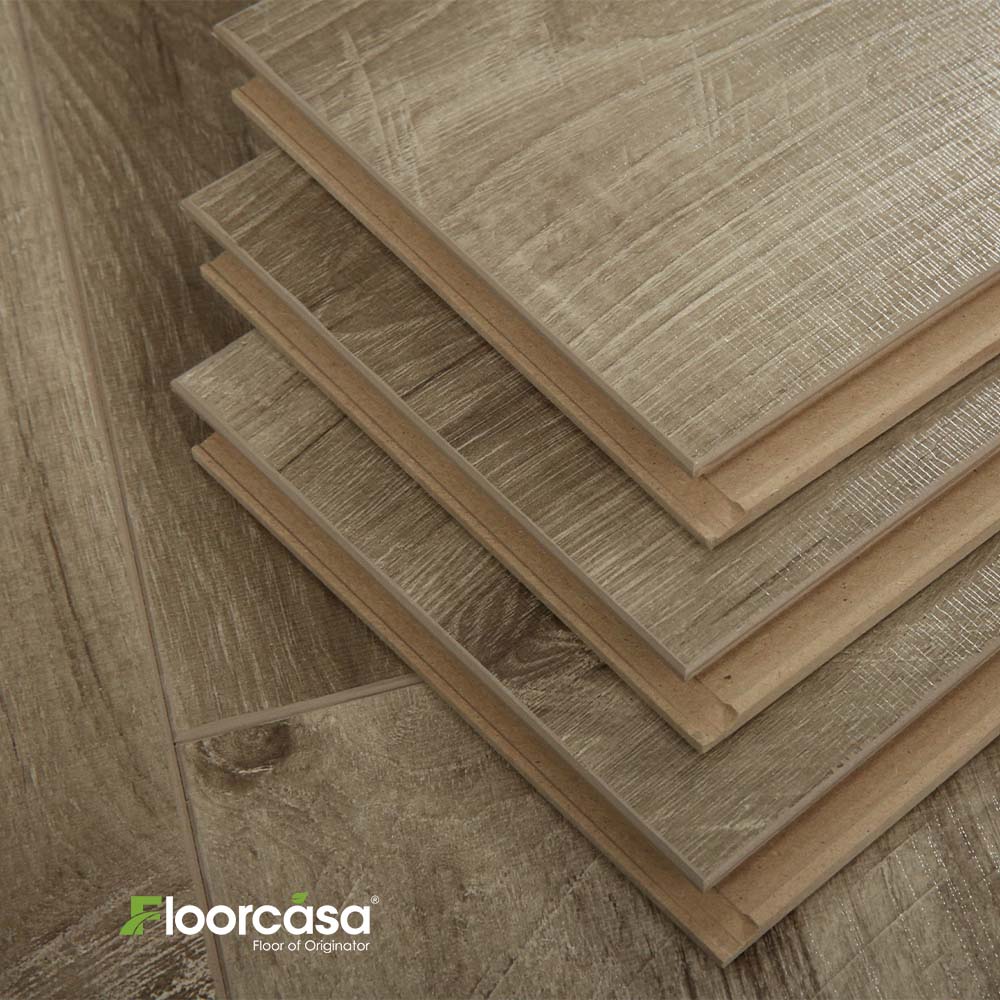
EMBOSSED LAMINATE FLOORING
Manufacturing Process
The production of embossed laminate flooring follows a high-precision, industrialized workflow:
Impregnation of decor and overlay paper with melamine resin
Controlled drying and resin curing preparation
High-pressure pressing using embossed steel plates
Cooling and stabilization of laminated boards
Precision cutting into planks
Locking profile machining via CNC milling lines
Surface inspection for embossing alignment accuracy
Key equipment includes short-cycle hot presses, embossed press plates, CNC profiling machines, and automated quality inspection systems.
Product Definition
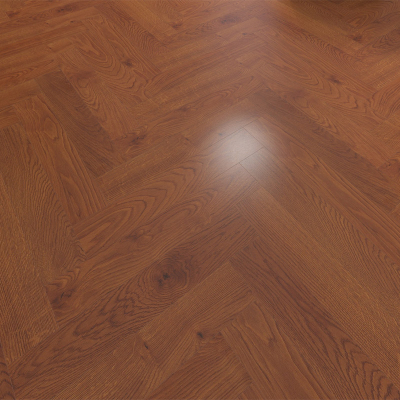
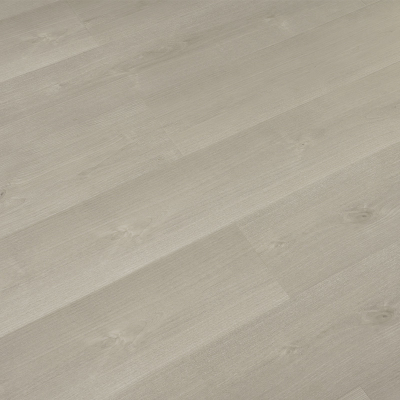
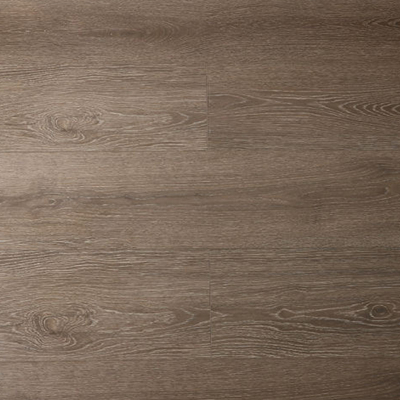
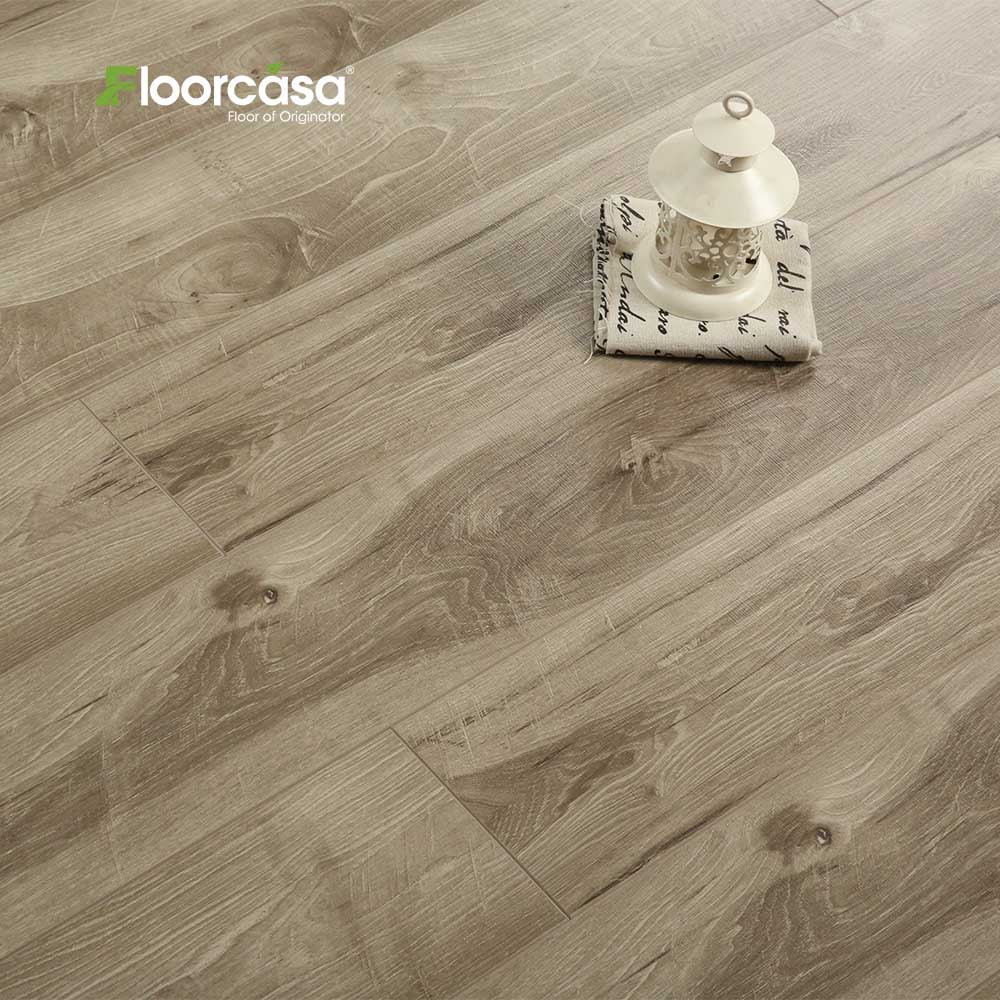
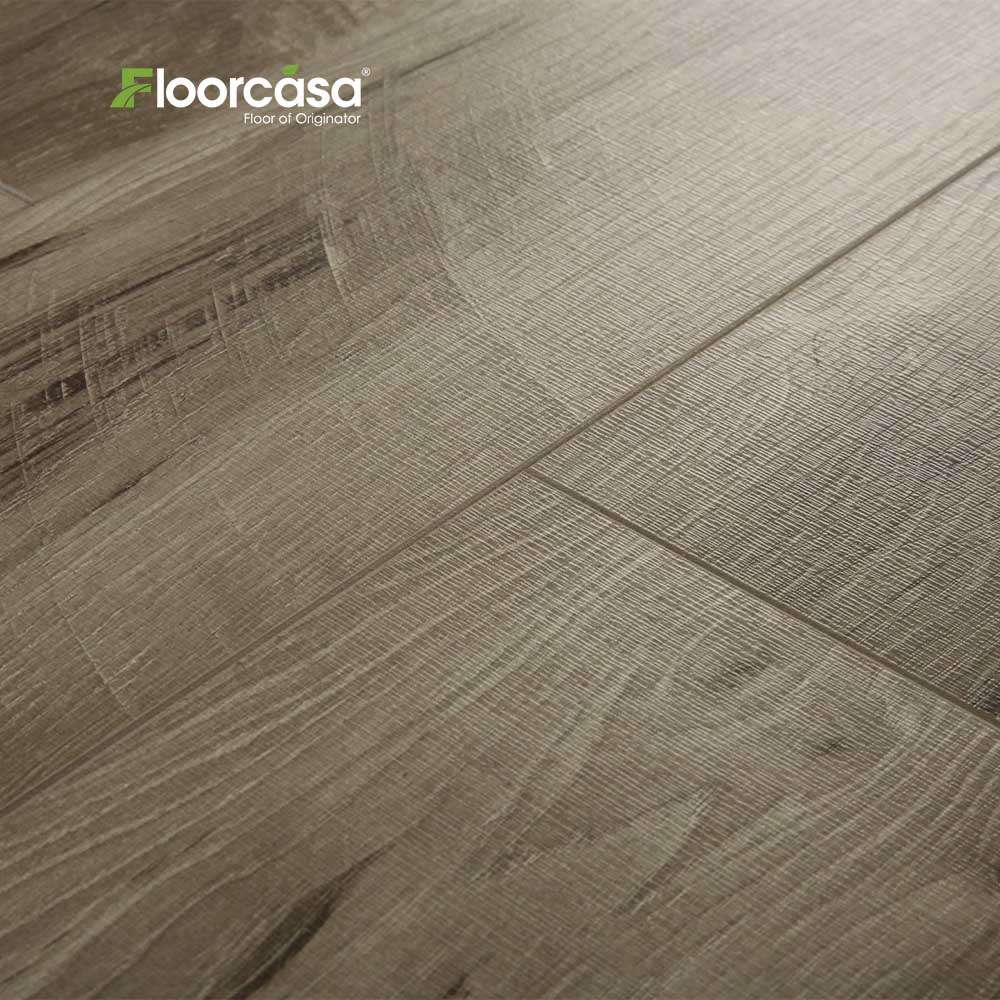
Embossed laminate flooring is a decorative laminate floor solution featuring a textured surface created through synchronized or registered embossing technology, designed to replicate the tactile depth of natural wood or stone while maintaining the structural stability, cost efficiency, and standardized performance required for commercial and residential projects.
Technical Parameters and Specifications
Embossed laminate flooring is manufactured according to internationally accepted laminate flooring standards, with the following commonly specified technical parameters:
Total Thickness: 8 mm / 10 mm / 12 mm
Surface Finish: Embossed / Embossed in Register (EIR)
Wear Resistance: AC3 / AC4 / AC5 (EN 13329)
Core Board: High-density fiberboard (HDF)
Density: 830–880 kg/m³
Plank Size: 1215 × 195 mm (standard)
Locking System: Angle-angle or drop-lock system
Formaldehyde Emission: E1 / E0 compliant
Fire Rating: Cfl-s1 (EN 13501-1)
Surface Gloss: 5°–15° (matte embossed)
Slip Resistance: R9–R10
Structure and Material Composition
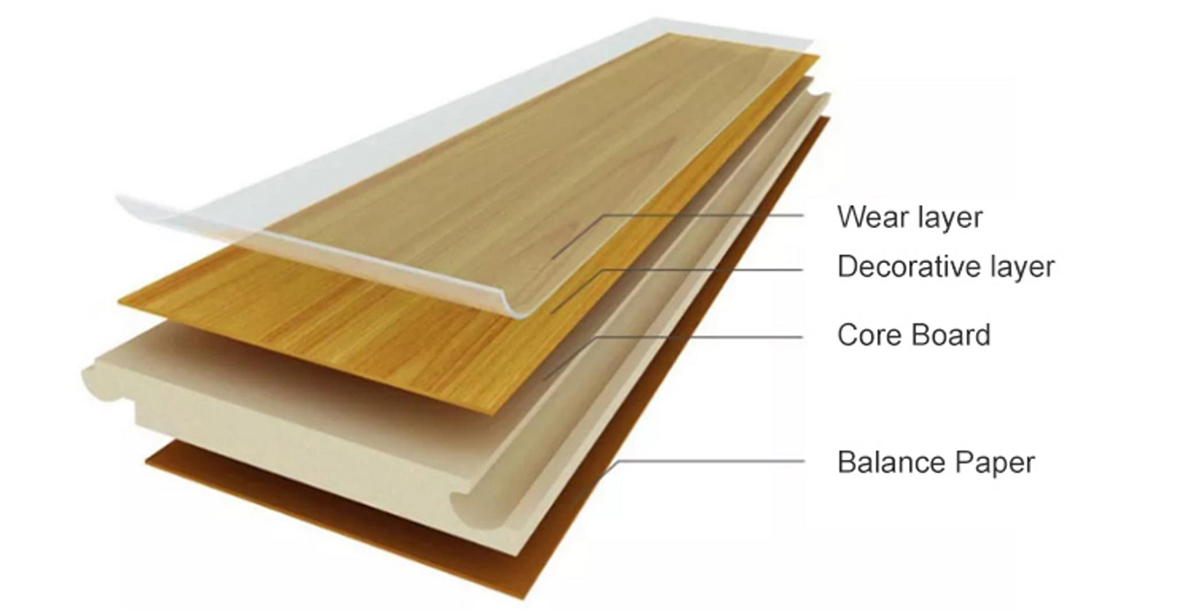
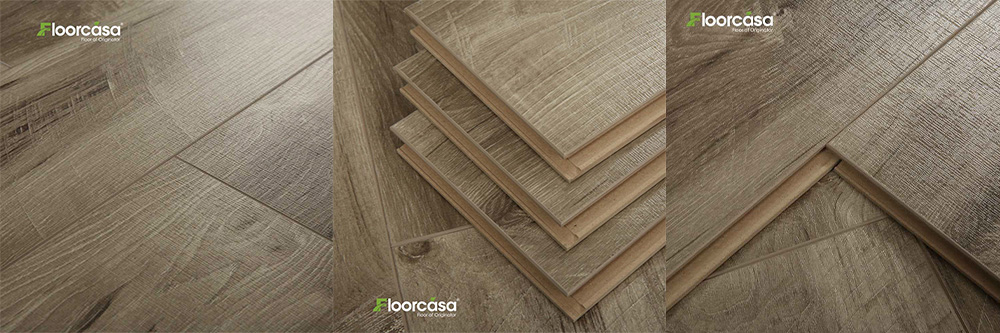
Embossed laminate flooring consists of a precisely engineered multi-layer structure:
Overlay Layer: Aluminum oxide-infused wear layer for abrasion resistance
Decor Paper: Printed wood or stone pattern aligned with embossing texture
HDF Core: Provides load-bearing strength and dimensional stability
Balancing Backing Layer: Controls moisture absorption and panel warping
Manufacturing Process
The production of embossed laminate flooring follows a high-precision, industrialized workflow:
Impregnation of decor and overlay paper with melamine resin
Controlled drying and resin curing preparation
High-pressure pressing using embossed steel plates
Cooling and stabilization of laminated boards
Precision cutting into planks
Locking profile machining via CNC milling lines
Surface inspection for embossing alignment accuracy
Key equipment includes short-cycle hot presses, embossed press plates, CNC profiling machines, and automated quality inspection systems.
Industry Comparison
| Item | Embossed Laminate | Smooth Laminate | SPC Flooring |
|---|---|---|---|
| Surface Texture | Textured / EIR | Smooth | Light texture |
| Visual Realism | High | Medium | High |
| Cost Level | Medium | Low | Medium–High |
| Installation | Floating lock system | Floating lock system | Floating / Glue-down |
| Moisture Sensitivity | Moderate | Moderate | Low |
Application Scenarios
Embossed laminate flooring is widely applied in projects where visual authenticity and controlled budgets are required:
Distributors & Importers: Mid-to-high grade laminate collections
EPC Contractors: Residential housing developments and apartments
Commercial Interiors: Offices, showrooms, education facilities
Renovation Projects: Fast installation with minimal site disruption
Core Pain Points and Solutions
Pain Point: Surface wear in high-traffic zones
Solution: Specify AC4 or AC5 wear ratingsPain Point: Moisture-related swelling
Solution: Use moisture barriers and sealed edge treatmentsPain Point: Texture mismatch with decor pattern
Solution: Select EIR (Embossed in Register) technologyPain Point: Locking joint damage during installation
Solution: Enforce installation tolerance and training
Risk Warnings and Mitigation
Key risks associated with embossed laminate flooring include:
Exposure to standing water or high humidity
Improper acclimation before installation
Subfloor unevenness exceeding tolerance limits
Risk mitigation requires moisture testing, site acclimation for 48 hours, and compliance with flatness standards (≤3 mm/2 m).
Procurement and Selection Guide
Define traffic classification and required AC rating
Confirm embossing type (standard or EIR)
Select appropriate thickness for load requirements
Verify formaldehyde emission certification
Review locking system durability test results
Assess color batch consistency and repeat length
Request pre-installation mock-up samples
Engineering Application Case
In a 12,000 m² residential housing project, 10 mm AC4 embossed laminate flooring was specified to achieve a natural wood appearance while maintaining cost control. The floating installation system reduced labor time by approximately 30% compared to traditional parquet solutions.
Frequently Asked Questions
Q1: What does embossed laminate flooring mean?
It refers to a textured surface that mimics wood grain.Q2: Is EIR better than standard embossing?
Yes, EIR aligns texture with visual grain patterns.Q3: Can it be used in kitchens?
Yes, with moisture control and proper sealing.Q4: What AC rating is suitable for commercial use?
AC4 or AC5.Q5: Does embossing affect durability?
No, durability depends on the overlay layer.Q6: Is underlay required?
Yes, to improve acoustics and moisture protection.Q7: Can damaged planks be replaced?
Yes, individual boards can be replaced.Q8: Is it compatible with underfloor heating?
Compatible within temperature limits.Q9: How long is the service life?
Typically 15–20 years depending on usage.Q10: Are OEM designs available?
Yes, custom colors and textures can be produced.
CTA: Commercial Inquiry
For quotations, technical documentation, compliance certificates, or engineering samples of embossed laminate flooring, procurement and project teams are invited to submit detailed project specifications for evaluation.
E-E-A-T Author Credentials
This article is authored by a flooring materials specialist with over 15 years of experience in laminate flooring manufacturing, international standards compliance, and large-scale B2B construction projects.
- Product structure -