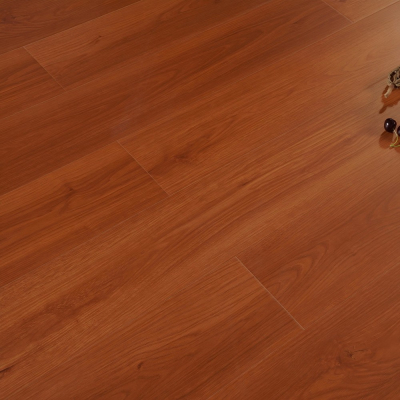
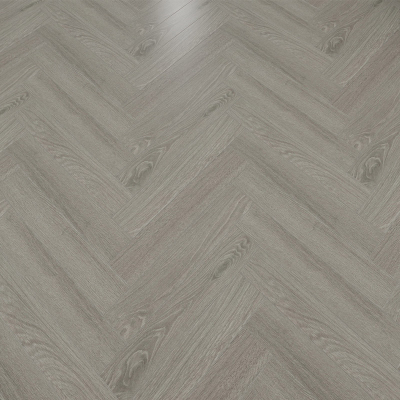
What Is SPC Flooring? Complete Guide to Composition, Benefits & Specifications
What Is SPC Flooring?
SPC flooring, short for Stone Plastic Composite flooring, is a rigid core resilient flooring system. It is manufactured from a high-density blend of calcium carbonate (limestone) and PVC (polyvinyl chloride), and is engineered to provide dimensional stability, water resistance, and load-bearing performance for residential and commercial flooring applications.
What does SPC stand for? SPC stands for Stone Plastic Composite. The "stone" refers to the calcium carbonate (limestone) content in the core, which gives the product its rigidity and dimensional stability. The "plastic" refers to the PVC resin, which binds the composite together. The "composite" refers to the combination of these materials into a single engineered core.
Why SPC is a rigid core flooring. SPC is classified as a rigid core flooring because its core is dense and inflexible—unlike flexible LVT, which can bend. The rigid core is what allows SPC to be installed as a floating floor with click-lock joints, and it is what gives SPC its resistance to indentation and its dimensional stability under temperature changes.
How SPC differs from standard vinyl flooring. Standard vinyl flooring (flexible vinyl, or LVT with a flexible core) is a plasticised PVC product that is relatively thin and flexible. SPC uses a high filler content (typically 60–70% calcium carbonate) and a low plasticiser content (typically 0–5%), which produces a rigid core. This difference gives SPC better dimensional stability, better indentation resistance, and better suitability for floating installation than flexible vinyl.
Why SPC is waterproof and dimensionally stable. The calcium carbonate in the core does not absorb water, and the PVC matrix is impermeable. This makes the SPC core hydrophobic—it does not swell, delaminate, or degrade when exposed to moisture. The rigid core also has low thermal expansion, so the floor remains flat and joints remain closed under normal temperature variation.
For product specifications, see the specifications table below. For installation and maintenance, see the SPC flooring installation and maintenance guide.
What Is SPC Flooring Made Of?
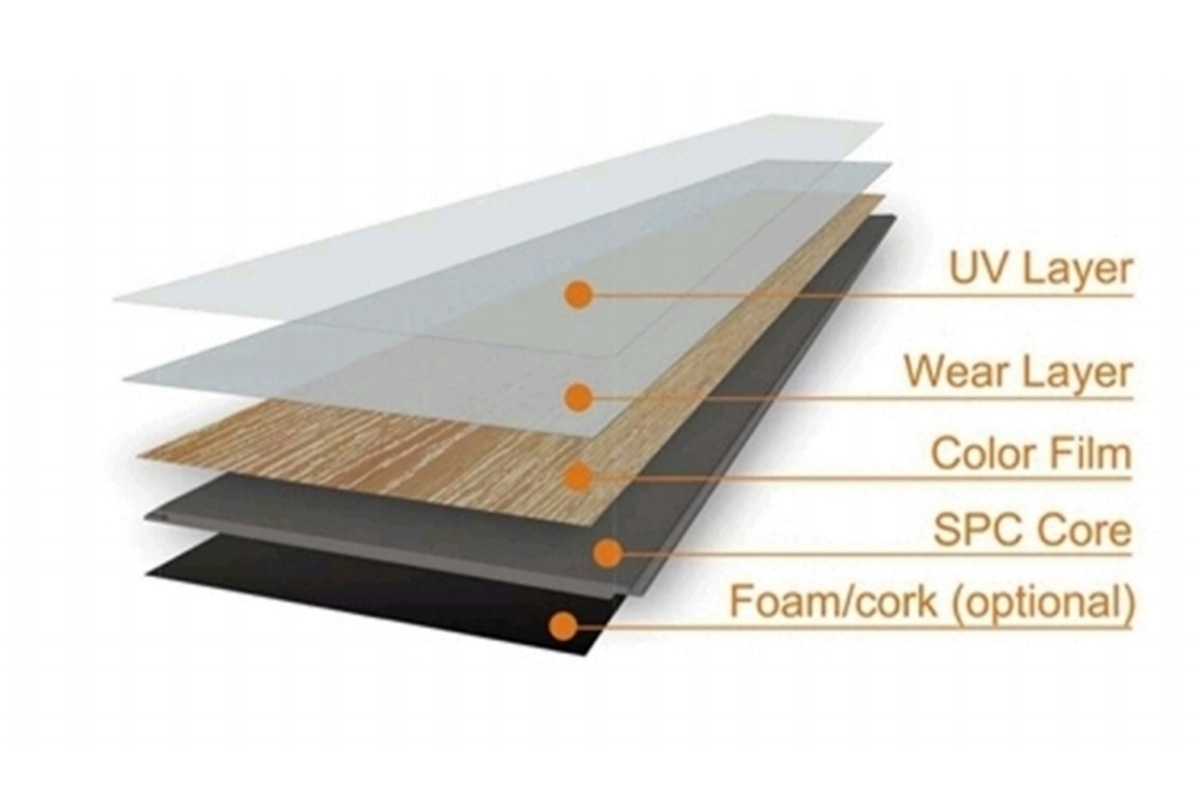
SPC flooring is a multi-layer engineered product. Each layer performs a specific function. The following sections explain the material, function, and importance of each layer.
UV Coating
Material: A UV-cured polyurethane or acrylic coating.
Function: Provides surface scratch resistance, stain resistance, and protection against fading.
Why it matters: The UV coating is the first line of defence against surface damage. It protects the wear layer and the decorative film beneath it, and helps the floor maintain its appearance over time.
Wear Layer
Material: A transparent PVC layer, typically with aluminum oxide added for abrasion resistance.
Function: Protects the decorative film from abrasion caused by foot traffic, furniture movement, and cleaning.
Why it matters: The wear layer thickness determines the product's abrasion class (AC3, AC4, AC5) and its suitability for different traffic levels. A thicker wear layer resists surface wear for longer. This is one of the most important specifications for commercial applications.
Decorative Film
Material: A high-definition printed film that reproduces wood, stone, or abstract designs.
Function: Provides the visual appearance of the floor.
Why it matters: The print resolution and colour accuracy determine the visual realism of the surface. High-resolution printing (multi-layer colour reproduction) produces more realistic wood and stone appearances. For synchronized embossing (EIR), the decorative film must be aligned with the embossing plate.
SPC Rigid Core
Material: A high-density composite of calcium carbonate (typically 60–70%) and PVC resin (typically 30–40%), with stabilisers and processing aids.
Function: Provides structural stability, load-bearing strength, indentation resistance, and the material into which the locking profile is machined.
Why it matters: Core density (typically 1,900–2,100 kg/m³) is a key indicator of core quality. Higher density provides better load-bearing strength, indentation resistance, and joint strength. The core composition also affects the product's moisture resistance—higher calcium carbonate content generally improves moisture resistance and dimensional stability.
IXPE/EVA Underlayment
Material: IXPE (irradiated cross-linked polyethylene) or EVA (ethylene-vinyl acetate) foam.
Function: Provides acoustic insulation, comfort underfoot, and minor subfloor tolerance.
Why it matters: Underlayment affects the acoustic performance of the floor and the comfort underfoot. Some SPC products have integrated underlayment; others require separate underlayment. The appropriate underlayment depends on the project's acoustic requirements and the subfloor condition.
Locking System
Material: Machined into the edges of the SPC core.
Function: Connects the planks without adhesive, allowing floating installation.
Why it matters: The precision of the locking profile determines joint engagement, joint strength, and ease of installation. The locking system is one of the most important factors in long-term performance—a poorly machined profile can lead to joint separation, edge damage, and premature failure.
SPC Flooring Specifications
SPC flooring performance is defined by standardized mechanical, physical, and environmental indicators. The following table provides typical values.
| Specification | Typical Range | Why It Matters |
|---|---|---|
| Total Thickness | 3.5–7 mm | Overall rigidity |
| Wear Layer | 0.3–0.7 mm | Abrasion resistance |
| Core Density | 1,900–2,100 kg/m³ | Structural stability |
| Dimensional Stability | ≤0.10% | Temperature stability |
| Indentation Resistance | ≤0.05 mm | Resistance to permanent dents |
| Slip Resistance | R9–R11 | Safety |
| Sound Reduction (with underlayment) | 18–22 dB | Acoustic performance |
| Fire Rating | Bfl-s1 | Fire performance |
| Formaldehyde Emission | E0 compliant (verify test report) | Indoor air quality |
| Water Absorption | ≤0.05% | Waterproof performance |
Contact us for the complete technical datasheet, test reports, and OEM specifications. Technical values vary by production specification, and the appropriate specification depends on the project requirements. We provide test reports with each shipment.
How Is SPC Flooring Made?
SPC flooring is produced through a controlled industrial process. The main steps are:
Raw material formulation and batching. Calcium carbonate, PVC resin, stabilisers, and processing aids are mixed.
SPC core extrusion. The compound is extruded at high temperature into a rigid sheet.
Cooling and dimensional stabilisation. The sheet is cooled to stabilise its dimensions.
Decorative film lamination. The décor film is bonded to the core under controlled pressure.
Wear layer fusion and UV surface curing. The wear layer is fused, and the UV coating is applied and cured.
Precision cutting and edge profiling. The panels are cut to size and the edges are profiled.
Click-lock machining. The locking profile is machined into the panel edges.
Final inspection and packaging. The finished product is inspected, tested, and packaged.
For detailed installation instructions, see the SPC flooring installation and maintenance guide. For a full manufacturing process explanation, see the SPC flooring manufacturing page.
Benefits of SPC Flooring
SPC flooring offers several benefits that make it suitable for residential and commercial applications.
Waterproof performance. The SPC core is waterproof—it does not absorb water, swell, or degrade when exposed to moisture. This makes SPC suitable for bathrooms, kitchens, basements, and other wet areas, provided that gasket joints, perimeter sealing, and a vapour barrier (ground floors) are correctly installed.
Dimensional stability. SPC has low thermal expansion and near-zero moisture expansion. The floor remains flat and joints remain closed under normal temperature and humidity variation.
Wear resistance. The wear layer provides abrasion resistance, classified by AC rating (AC3, AC4, AC5). Higher AC ratings are suitable for higher traffic levels.
Impact resistance. The rigid core and dense composition provide good impact resistance, reducing the risk of surface damage from dropped objects.
Easy installation. Click-lock systems allow fast, tool-free installation. SPC can be installed over existing hard floors (tile, LVT, laminate) if the subfloor is flat, sound, and clean.
Low maintenance. No sealing or waxing is required. Routine dry and damp cleaning is sufficient.
Commercial durability. With appropriate wear layer and core density, SPC is suitable for commercial applications including offices, retail, hospitality, and healthcare.
Design flexibility. SPC is available in a wide range of wood, stone, and abstract designs, including synchronized embossing (EIR) for realistic texture.
SPC Flooring Applications
SPC flooring is widely specified in applications where performance reliability and installation efficiency are critical.
Residential. Living areas, bedrooms, hallways, kitchens, and bathrooms (with appropriate joint sealing).
Hotels. Guest rooms, corridors, lobbies, and hospitality interiors.
Hospitals. Patient rooms, corridors, waiting areas, and clinical spaces (with appropriate hygiene specification).
Offices. Open office areas, meeting rooms, reception areas, and corridors.
Retail. Stores, showrooms, and customer-facing areas.
Schools. Classrooms, corridors, cafeterias, and administrative areas.
Commercial buildings. Public spaces with high pedestrian traffic.
For specific application guidance, see the relevant application pages or contact us with your project requirements.
SPC vs WPC vs LVT vs Laminate
SPC is one of several rigid and resilient flooring types. The following table compares SPC with WPC, LVT, and laminate.
| Feature | SPC | WPC | LVT | Laminate |
|---|---|---|---|---|
| Core | Rigid mineral/PVC | Cellular PVC/wood | Flexible vinyl | HDF |
| Waterproof performance | Excellent | Excellent | Good | Moderate |
| Rigidity | Very High | Medium | Low–Medium | High |
| Wear resistance | High (AC3–AC5) | High | Product-dependent | High (AC3–AC5) |
| Installation | Click-lock | Click-lock | Glue or click | Click-lock |
| Maintenance | Low | Low | Low | Low |
| Typical applications | Residential, commercial, wet areas | Residential, commercial | Residential, commercial | Residential, light commercial |
Waterproof performance levels: Excellent = waterproof core and suitable for wet areas; Good = waterproof core but product-dependent joint performance; Moderate = moisture-resistant but not waterproof.
SPC vs WPC. SPC has a denser, more rigid core than WPC. SPC provides better dimensional stability and indentation resistance. WPC is softer underfoot and may provide better acoustic performance, but has lower rigidity. Both are waterproof at the core.
SPC vs LVT. SPC has a rigid core; LVT has a flexible core. SPC provides better dimensional stability, indentation resistance, and suitability for floating installation. LVT provides more design flexibility and may be preferred where a softer underfoot feel is desired.
SPC vs laminate. SPC has a waterproof core; laminate has an HDF core that is moisture-sensitive. SPC is suitable for wet areas; laminate is not. Laminate may provide better wood realism (particularly with EIR embossing) but cannot be used in wet areas.
Important note: The appropriate flooring choice depends on the specific project requirements, including traffic level, moisture exposure, acoustic requirements, and budget. Verify product test reports before specification.
How to Choose SPC Flooring
The following factors should be considered when specifying SPC flooring.
Thickness. Total thickness affects rigidity, underfoot feel, and floor height. Thicker products (5.5–7 mm) are commonly specified for commercial applications; thinner products (3.5–5 mm) are commonly specified for residential applications.
Wear layer. Wear layer thickness determines abrasion resistance and suitability for different traffic levels. 0.3 mm is suitable for residential; 0.5 mm for general commercial; 0.7 mm for heavy commercial.
Core density. Core density affects structural stability, indentation resistance, and joint strength. Higher density is recommended for commercial applications.
Locking system. Verify the locking system type and locking test reports. The precision of the locking profile determines joint engagement and long-term performance.
Fire rating. Verify the fire rating against local building codes. Bfl-s1 is common for SPC.
Slip resistance. Verify the slip resistance against the area requirements. R9–R11 is common for SPC.
Acoustic performance. Verify the acoustic performance with the specified underlayment. Sound reduction of 18–22 dB is typical with underlayment.
Certifications. Verify the applicable certifications for the target market (CE, CARB Phase 2, E0, FSC/PEFC).
Application environment. Match the product specification to the application. For residential living areas, 3.5–5 mm thickness with 0.3 mm wear layer is typically sufficient. For commercial offices, 5–6 mm thickness with 0.5 mm wear layer is commonly specified. For heavy commercial or wet areas, 5.5–7 mm thickness with 0.5–0.7 mm wear layer and gasket joints is recommended.
SPC Flooring Advantages and Limitations
Advantages
Waterproof. The SPC core is waterproof and does not absorb moisture.
Stable. Low thermal expansion and near-zero moisture expansion.
Durable. High wear resistance and impact resistance with appropriate specification.
Easy installation. Click-lock systems reduce labor time and allow installation over existing hard floors.
Low maintenance. No sealing or waxing required.
Limitations
Subfloor still needs to be reasonably flat. SPC is rigid and does not conform to uneven subfloors. Flatness tolerance is typically ≤2 mm over 2 m.
Extreme temperatures can affect performance. SPC should not be exposed to prolonged temperatures above 60°C. Verify the product's temperature range for the application.
Poor-quality click systems can fail. The locking system is critical to performance. Verify locking test reports and conduct sample installation trials where possible.
Product quality varies by core formulation. Core density, calcium carbonate content, and PVC resin quality affect performance. Verify core density and composition with the manufacturer.
Not suitable for continuous standing water. SPC is waterproof at the core, but the joints are not designed for continuous standing water. Water can still enter through unsealed joints or an unsealed perimeter. For shower floors, use tile with a waterproofing membrane.
For projects where these limitations are a concern, consider alternative flooring types or additional system components.
FAQ: SPC Flooring Product Selection
1. What is SPC flooring?
SPC flooring (Stone Plastic Composite flooring) is a rigid core flooring system made from a high-density blend of calcium carbonate and PVC. It is engineered for dimensional stability, water resistance, and load-bearing performance.
2. What does SPC stand for?
SPC stands for Stone Plastic Composite. "Stone" refers to the calcium carbonate content, "plastic" refers to the PVC resin, and "composite" refers to the combination of these materials into a single engineered core.
3. What is SPC flooring made of?
SPC flooring is made of a UV coating, a wear layer, a decorative film, an SPC rigid core (calcium carbonate and PVC), and optional IXPE/EVA underlayment. The locking system is machined into the core.
4. Is SPC flooring waterproof?
Yes, the SPC core is waterproof—it does not absorb water, swell, or degrade when exposed to moisture. However, the installation must also be waterproof: gasket joints, perimeter sealing, and vapour barrier (ground floors) are required for wet areas.
5. How thick is SPC flooring?
SPC flooring is typically 3.5–7 mm thick. Thicker products (5.5–7 mm) are commonly specified for commercial applications; thinner products (3.5–5 mm) are commonly specified for residential applications.
6. What is the wear layer of SPC flooring?
The wear layer is typically 0.3–0.7 mm. 0.3 mm is suitable for residential; 0.5 mm for general commercial; 0.7 mm for heavy commercial. The wear layer thickness determines the product's abrasion class (AC3, AC4, AC5).
7. Is SPC flooring durable?
Yes, with appropriate specification. SPC has high wear resistance, impact resistance, and dimensional stability. The actual durability depends on the wear layer thickness, core density, locking system quality, and installation quality.
8. What is the difference between SPC and laminate flooring?
SPC has a waterproof core; laminate has an HDF core that is moisture-sensitive. SPC is suitable for wet areas; laminate is not. Laminate may provide better wood realism (particularly with EIR embossing) but cannot be used in wet areas. The appropriate choice depends on the application.
9. What is the difference between SPC and WPC flooring?
SPC has a denser, more rigid core than WPC. SPC provides better dimensional stability and indentation resistance. WPC is softer underfoot and may provide better acoustic performance. Both are waterproof at the core.
10. Is SPC flooring suitable for commercial use?
Yes, with appropriate wear layer and core density. 0.5 mm wear layer and high-density core are commonly specified for general commercial use; 0.7 mm wear layer for heavy commercial use. Verify product test reports before specification.