Why “Wear Resistance” Is the First Threshold in SPC Flooring Selection
Global Industry Context: Why SPC Flooring Is Becoming the Mainstream Choice
The global flooring industry is undergoing a structural shift toward rigid core and resilient surfaces. Among all resilient products, SPC flooring has emerged as one of the fastest-growing categories in both residential and commercial markets. Rising urbanization, continuous renovation of public buildings, and the need for cost-effective yet durable materials are reshaping procurement standards worldwide.
In international tenders, developers and distributors increasingly prioritize flooring systems that can maintain appearance and performance over long service cycles. As a result, wear resistance has become the first technical threshold when evaluating SPC flooring for large-scale projects, particularly in hospitality, retail chains, healthcare facilities, and mixed-use developments.
Why Wear Resistance Is the Primary Decision Criterion for SPC Flooring
The Role of Wear Resistance in Lifecycle Cost Control
Wear resistance directly determines the long-term value of SPC flooring. In high-traffic environments, surface abrasion, fading, and micro-scratches lead to visual degradation long before structural failure occurs. For international buyers, the ability of SPC flooring to preserve its decorative layer under repeated mechanical stress is a decisive factor in total cost of ownership.
Procurement managers now evaluate flooring not only by initial price, but by performance stability throughout the building’s operational cycle. This explains why wear resistance has become the first screening criterion in most global flooring specifications.
Understanding Wear Resistance Standards in SPC Flooring
Abrasion Classification and Testing Methods
The wear resistance of SPC flooring is commonly measured using standardized abrasion tests such as the Taber abrasion test and EN 13329 classification systems. These tests assess how many rotations are required before the decorative layer is visibly damaged.
In professional project specifications, SPC flooring is typically classified into the following application grades:
l AC3: Moderate residential and light commercial
l AC4: General commercial environments
l AC5: Heavy commercial and public spaces
For international projects, AC4 and AC5 rated SPC flooring is increasingly considered the baseline.
Product Structure and Its Direct Impact on Wear Resistance
Multi-Layer Structure of SPC Flooring
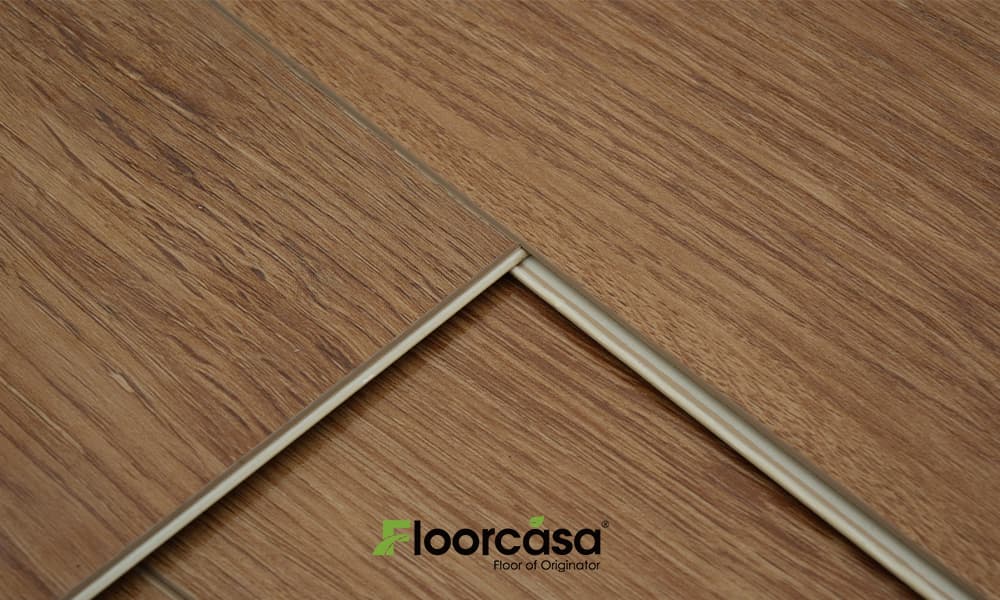
High-performance SPC flooring is engineered through a multi-layer construction, consisting of:
l UV protective coating
l Transparent wear layer
l High-definition decorative film
l Rigid stone plastic composite core
l Stabilizing backing layer or acoustic underlay
Among these components, the thickness and formulation of the wear layer play the most critical role in surface durability. In commercial-grade SPC flooring, wear layer thickness typically ranges from 0.5 mm to 0.7 mm.
How the SPC Core Supports Surface Durability
The stone plastic composite core enhances impact resistance and prevents substrate deformation. This structural stability helps maintain consistent contact between the wear layer and the decorative film, reducing the risk of surface cracking and premature abrasion under rolling loads.
Manufacturing Process and Quality Control of Wear-Resistant SPC Flooring
Industrial Production Workflow
The manufacturing process of wear-resistant SPC flooring includes:
l Raw material compounding and SPC core extrusion
l Precision calendaring and dimensional stabilization
l Decorative film lamination
l High-pressure wear layer fusion
l UV curing and surface treatment
l Profile cutting and locking system machining
Each stage is designed to ensure consistent layer bonding and surface hardness, which directly influence the abrasion performance of SPC flooring.
Quality Inspection and Process Traceability
Advanced manufacturers adopt in-line abrasion testing, surface hardness inspection, and thickness calibration systems. For international buyers, traceable batch records are increasingly required to guarantee consistency across multi-container shipments of SPC flooring.
Market Data and Global Demand Trends for Wear-Resistant SPC Flooring
The global rigid core flooring market continues to expand steadily, driven by the replacement of traditional laminate and ceramic surfaces in both renovation and new-build projects. Within this segment, demand for high wear resistance SPC flooring is particularly strong in North America, the Middle East, and Southeast Asia, where commercial developments and hospitality investments remain robust.
Distributors and project contractors are shifting from entry-level rigid flooring to premium-grade SPC flooring with enhanced surface durability. This shift reflects a growing market preference for solutions that reduce maintenance frequency and minimize operational downtime.
International Buyer Preferences and Key Procurement Pain Points
What Global Buyers Expect from SPC Flooring Suppliers
International procurement teams typically prioritize the following criteria when sourcing SPC flooring:
l Verified abrasion performance data
l Consistent wear layer thickness across production batches
l Certified slip resistance and VOC compliance
l Stable supply capacity for large projects
Common Pain Points in Global Sourcing
Despite growing market maturity, buyers still face several challenges:
l Inconsistent surface quality between samples and mass production
l Mislabelled wear layer thickness and unclear test reports
l Limited technical documentation for project approval
These pain points highlight the importance of selecting professional manufacturers capable of delivering transparent and verifiable performance data for SPC flooring.
Long-Term Performance: Why Wear Resistance Protects Brand Reputation
In public buildings and branded commercial spaces, flooring defects are highly visible. Poor abrasion resistance leads to customer complaints, renovation disputes, and reputational risk for both developers and material suppliers.
High-quality SPC flooring significantly reduces surface deterioration, helping property owners maintain visual consistency and protect long-term asset value.
Key Technical Parameters for Wear-Resistant SPC Flooring
Professional buyers should carefully evaluate the following parameters when selecting SPC flooring:
l Wear layer thickness: 0.5–0.7 mm (commercial grade)
l Abrasion class: AC4 / AC5
l Slip resistance: R9–R10
l Dimensional stability under heat
l Locking system tensile strength
How Floorcasa Delivers High Wear Resistance SPC Flooring
As a professional manufacturer and global supplier, Floorcasa focuses on high-performance surface engineering and strict process control. Floorcasa integrates advanced wear layer formulation, precision lamination technology, and full in-house inspection systems to ensure every batch of SPC flooring meets international project requirements.
By offering stable production capacity, private-label services, and customized wear layer specifications, Floorcasa supports distributors, contractors, and developers in delivering reliable flooring solutions to demanding markets.
Frequently Asked Questions (B2B)
1. What is the minimum wear layer thickness recommended for commercial SPC flooring?
For most commercial projects, a minimum wear layer thickness of 0.5 mm is recommended to ensure adequate abrasion resistance and surface longevity.
2. Is AC5 SPC flooring always necessary for commercial applications?
Not all commercial environments require AC5. AC4 SPC flooring is often sufficient for offices and retail stores, while AC5 is recommended for airports, shopping malls, and high-traffic public facilities.
3. How can buyers verify the real wear resistance performance of SPC flooring?
Buyers should request official abrasion test reports, production batch traceability documents, and third-party certification records before confirming orders.
4. Can Floorcasa provide customized wear layer solutions for different projects?
Yes. Floorcasa offers customized wear layer thickness, surface coating options, and project-specific performance optimization for professional SPC flooring projects.
Work with Floorcasa to Secure High-Performance SPC Flooring
Selecting wear-resistant SPC flooring is not only a technical decision, but also a strategic investment in long-term operational stability. Floorcasa supports international buyers with professional technical documentation, verified test reports, and sample services.
Contact Floorcasa today to request your quotation, technical datasheets, and product samples, and ensure your next project starts with reliable, wear-resistant SPC flooring.