Understanding Laminate Flooring's Eco - Ratings | FLOORMAKER
Laminate flooring has become a popular choice for homeowners due to its durability, affordability, and aesthetic versatility. However, as sustainability becomes a priority for consumers, understanding the environmental ratings of laminate flooring is crucial. In this blog, Floormaker will break down the key certifications and standards to help you make an eco-friendly choice for your home.
Why Environmental Ratings Matter
Laminate flooring is made from composite wood pressed together with resins and adhesives. While cost-effective, some products may contain harmful chemicals like formaldehyde or contribute to deforestation. Environmental ratings ensure products meet strict criteria for low emissions, sustainable sourcing, and recyclability. Choosing high-rated laminate flooring reduces your carbon footprint and promotes healthier indoor air quality.
Key Certifications to Look For
When shopping for eco-friendly laminate flooring, prioritize products with these certifications:
CARB Phase 2 Compliance
The California Air Resources Board (CARB) sets strict limits on formaldehyde emissions from composite wood products.
CARB Phase 2 is the most stringent standard, ensuring ultra-low formaldehyde levels (≤0.05 ppm).
EPD (Environmental Product Declaration)
An EPD provides transparent data about a product’s environmental impact, including carbon footprint, resource use, and emissions.
FSC (Forest Stewardship Council)
The FSC certification ensures the wood used in laminate core layers comes from responsibly managed forests.
GreenGuard Gold
Products certified by GreenGuard Gold meet rigorous standards for low chemical emissions, ideal for homes with children or allergy sufferers.
FloorScore
This certification focuses on indoor air quality, testing for volatile organic compounds (VOCs) like benzene and toluene.
Understanding Formaldehyde Emissions
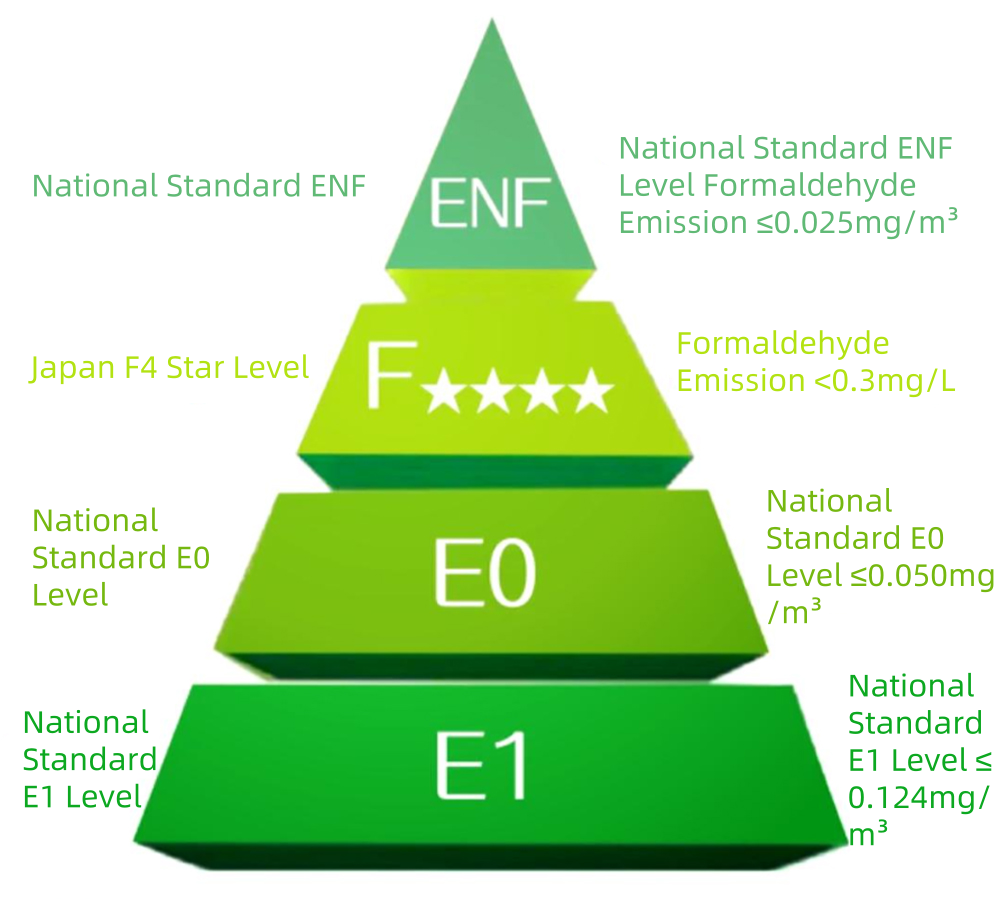
Formaldehyde, a common binder in laminate flooring, is classified as a carcinogen. Look for products labeled NAF (No Added Formaldehyde) or ULEF (Ultra-Low Emitting Formaldehyde). In Europe, the E1 rating (≤0.1 ppm formaldehyde) is standard, while E0 (≤0.05 ppm) is even safer.Japan F☆☆☆☆(≤ 0.3mg/L formaldehyde) .ENF grade: (≤0.025ppm formaldehyde).It is the highest environmental standard in China.
Recyclability and Circular Design
Eco-friendly laminate flooring should prioritize:
Recycled content: Some brands use post-industrial wood fibers.
End-of-life recycling: Check if the product is designed for disassembly and recycling.
Low-waste manufacturing: Brands with closed-loop production processes minimize waste.
How to Choose Sustainable Laminate Flooring
Check certifications: Prioritize CARB2, FSC, or GreenGuard Gold labels.
Ask about adhesives: Water-based, low-VOC adhesives are safer.
Research brands: Companies like Pergo, Quick-Step, Floormaker, and Mohawk offer eco-conscious lines.
Read the EPD: Verify claims about emissions and material sourcing.
The Future of Laminate Flooring
Innovations like bio-based resins (made from soy or corn) and carbon-neutral manufacturing are pushing the industry toward greener practices. By choosing high-rated products, you support sustainable innovation.
Final Thoughts
Environmental ratings are your roadmap to selecting laminate flooring that’s kind to the planet and your health. Always verify certifications, ask questions, and prioritize transparency. For more tips on sustainable home design, explore our blog:www.floorcasa.com