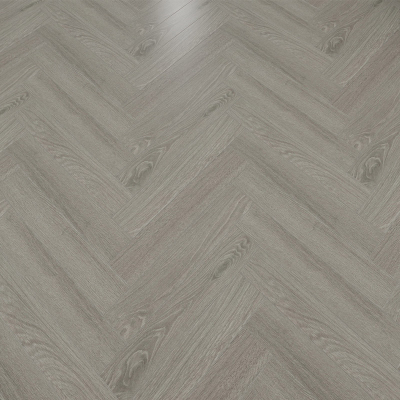
Parquet Flooring: Pros, Cons & Expert Care Guide
Parquet Flooring Definition
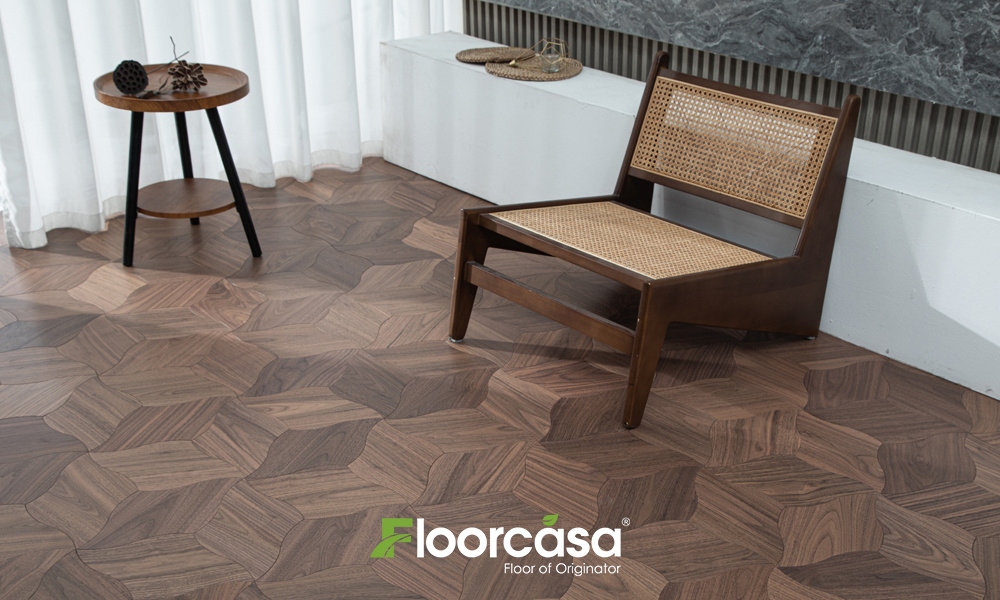
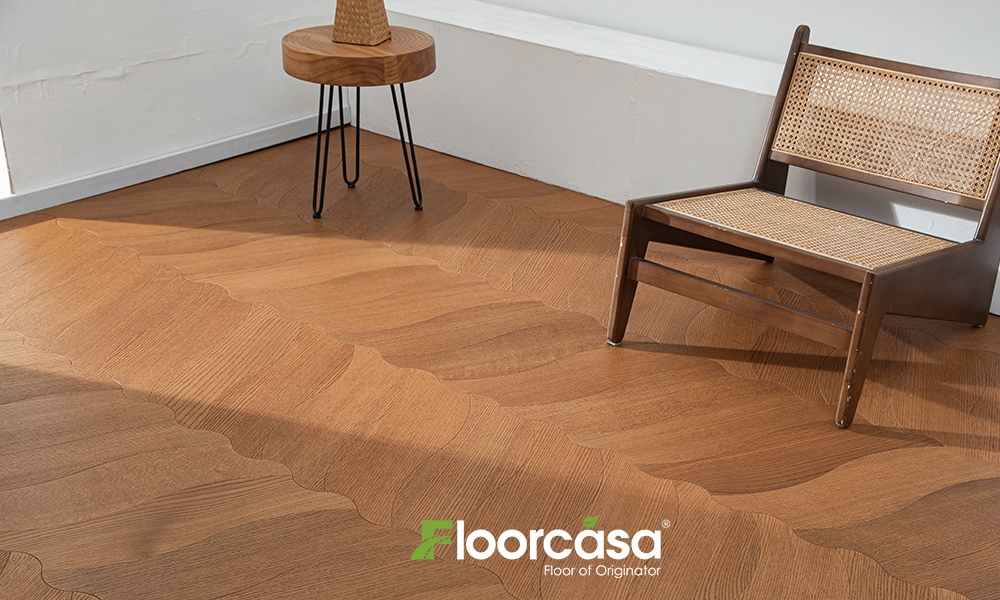
Parquet flooring is a decorative wood flooring system composed of small wood blocks or strips arranged in geometric patterns. It is engineered for dimensional stability, aesthetic differentiation, and long-term wear performance, widely applied in commercial, residential, and heritage renovation projects requiring visual impact and structural reliability.
Technical Parameters and Specifications
Key technical specifications for parquet flooring used in B2B projects are as follows:
Overall thickness: 10–15 mm (common commercial grade: 12 mm)
Wear layer thickness: 3–4 mm (engineered parquet)
Block size tolerance: ±0.2 mm
Moisture content at delivery: 8–10%
Surface finish: UV lacquer or hardwax oil
Installation methods: glue-down or floating (engineered)
Fire rating (with treatment): Class Cfl-s1
Structure and Material Composition
Parquet flooring is composed of multiple functional layers designed for stability and durability:
Top layer: Natural hardwood veneer (oak, walnut, maple, beech)
Core layer: Multi-ply birch or eucalyptus plywood for dimensional control
Backing layer: Stabilizing veneer balancing internal stress
Surface coating: UV-cured lacquer or oil for abrasion resistance
Manufacturing Process
Industrial parquet flooring production follows controlled engineering steps:
Log selection and kiln drying to target moisture levels
Precision cutting of wood blocks using CNC saws
Core plywood lamination under hydraulic press
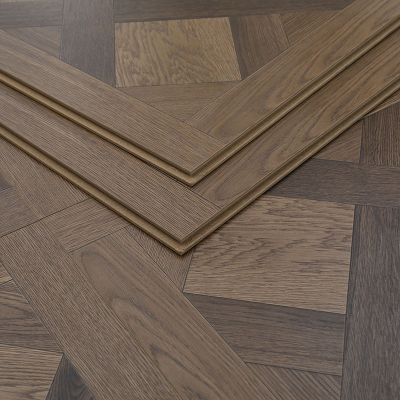
Pattern assembly (herringbone, chevron, mosaic)
Hot-press bonding with low-emission adhesives
Surface sanding and UV or oil coating
Dimensional inspection and batch testing
Industry Comparison
| Parameter | Parquet Flooring | Solid Hardwood | Laminate Flooring |
|---|---|---|---|
| Aesthetic value | High (patterned) | Medium | Low–Medium |
| Dimensional stability | High | Low | Very high |
| Refinishing capability | Yes (engineered) | Yes | No |
| Installation complexity | Medium–High | High | Low |
| Lifecycle cost | Balanced | High | Low |
Application Scenarios
Parquet flooring is commonly specified by:
Distributors supplying premium residential developments
EPC contractors for hotels, offices, and public halls
Architectural firms for heritage renovation projects
Commercial developers seeking visual differentiation
Core Pain Points and Engineering Solutions
Moisture sensitivity: Solved through engineered core and acclimation protocols
Installation errors: Mitigated with CNC-calibrated sizing and layout drawings
Maintenance concerns: Addressed via UV coatings with high abrasion resistance
Cost justification: Balanced by long service life and refinishing capability
Risk Warnings and Mitigation Advice
Improper substrate moisture, insufficient expansion gaps, or incompatible adhesives may cause deformation. Always conduct site moisture testing, use approved adhesives, and follow installation tolerances specified by the manufacturer.
Procurement and Selection Guide
Confirm project usage class (residential/commercial)
Define required wear layer thickness
Select suitable wood species and pattern
Verify moisture and fire performance standards
Review installation method compatibility
Request batch samples and technical datasheets
Engineering Case Application
In a mid-scale commercial office renovation (2,500 m²), engineered oak herringbone parquet was installed using full-spread adhesive over calcium sulfate screed. Post-installation monitoring showed dimensional deviation below 0.3 mm after 12 months, meeting project performance benchmarks.
Frequently Asked Questions (FAQ)
Q1: Is parquet suitable for commercial traffic?
Yes, with engineered structure and proper coating.Q2: Can parquet be refinished?
Yes, typically 1–2 times depending on wear layer.Q3: What subfloor is required?
Flat, dry, and structurally stable substrates.Q4: Is underfloor heating compatible?
Yes, with temperature control limits.Q5: What patterns are most stable?
Herringbone and mosaic with engineered cores.Q6: How long is service life?
20–30 years under normal commercial use.Q7: Is parquet environmentally compliant?
Yes, when using certified wood and low-VOC adhesives.Q8: What maintenance is required?
Routine cleaning and periodic recoating.Q9: Can damaged blocks be replaced?
Yes, localized repair is feasible.Q10: Is parquet suitable for export projects?
Yes, widely used in international EPC projects.
Call to Action
For technical specifications, project-based quotations, or engineering samples, submit your project details to request professional parquet flooring support.
E-E-A-T Author Credentials
This article is prepared by flooring industry technical consultants with over 15 years of experience in engineered wood flooring manufacturing, EPC material selection, and international project specification support.