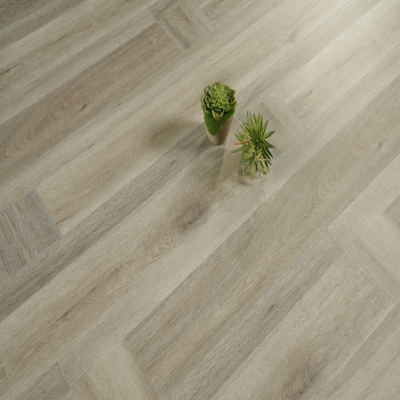
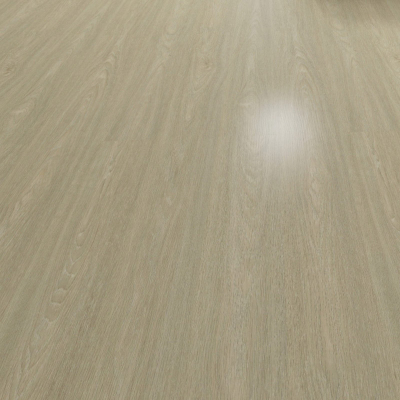
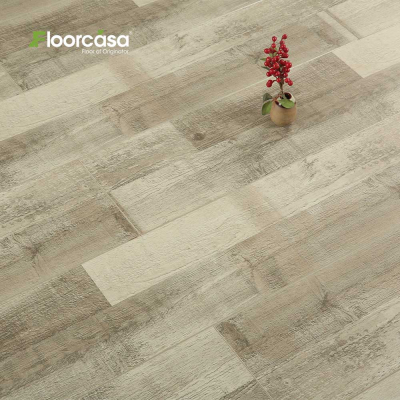
Laminate Flooring: The Engineered Powerhouse Redefining Global Flooring Markets
Defining the Modern Workhorse: What is Laminate Flooring?
In the global construction and interior design industries, one question consistently arises among new buyers and seasoned specifiers alike: What is laminate flooring? Far from being a simple alternative to hardwood, modern laminate flooring represents a sophisticated triumph of material engineering. It is a multi-layer synthetic floor product, fused through a high-pressure process to create an exceptionally durable, cost-effective, and aesthetically versatile surface. Primarily composed of a high-density fiberboard (HDF) core, laminate delivers the coveted look of wood, stone, or tile with superior resistance to scratches, fading, and wear, making it a dominant force in both residential and commercial projects worldwide.
Driven by innovation in waterproof laminate flooring technology and hyper-realistic designs, the laminate sector is experiencing a significant evolution. This article provides a comprehensive analysis for B2B stakeholders—from importers and distributors to architects and project developers—detailing the product's composition, the global market landscape, technical benchmarks, and strategic sourcing considerations essential for success in international trade.
Anatomy of Innovation: The Multi-Layer Structure
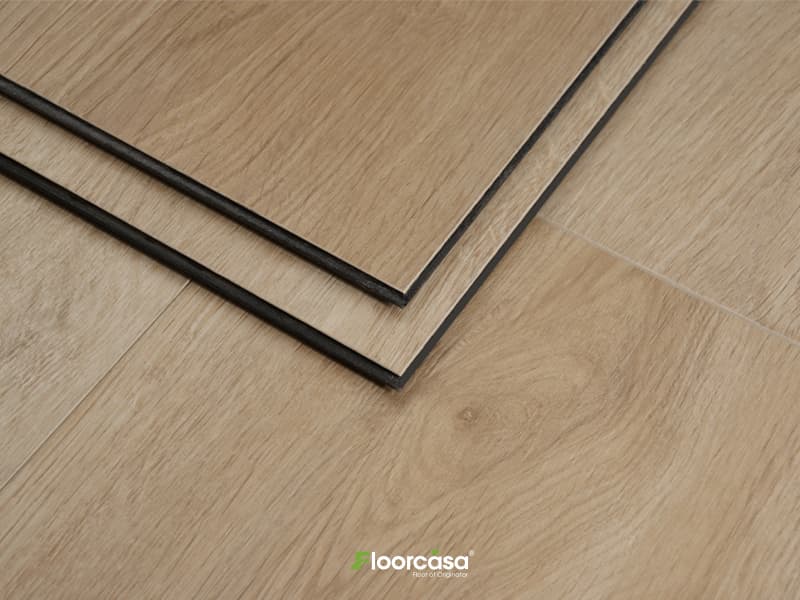
Understanding what laminate flooring is requires a dissection of its engineered layers, each serving a distinct functional purpose.
Wear Layer (Overlay): This transparent top coat, typically made of aluminum oxide or melamine, is the floor's shield. It determines the abrasion class (AC rating), which ranges from AC1 (moderate residential) to AC6 (heavy commercial). This layer resists scratches, stains, and fading from UV light.
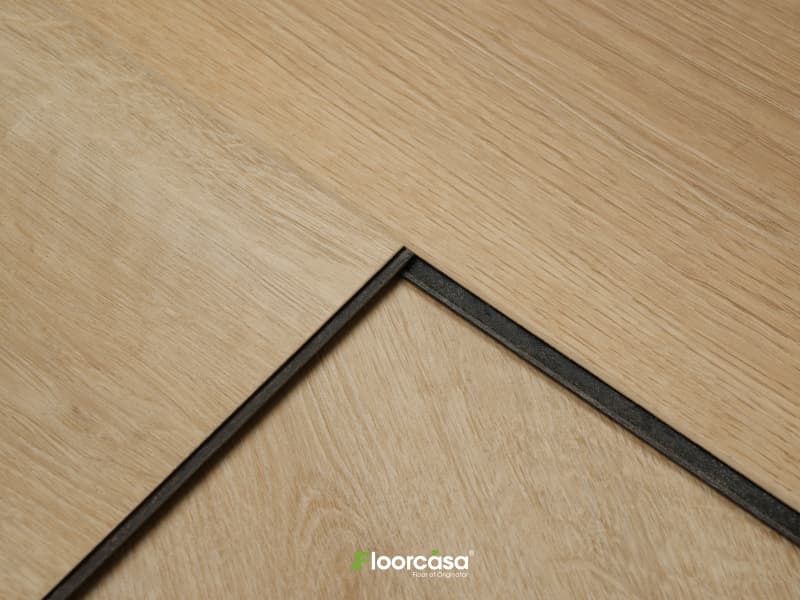
Decorative Layer: A high-resolution photographic image paper that provides the aesthetic. Advanced printing technology allows for an endless array of designs, from authentic oak laminate flooring visuals to contemporary concrete and marble effects.
Core Layer: The structural heart. Composed of high-density fiberboard (HDF) or, in newer innovations, a waterproof composite core, this layer provides dimensional stability, impact resistance, and, in premium products, moisture resistance. The density of this core (often exceeding 840 kg/m³) is a critical quality indicator.
Backing Layer (Stabilizer): A moisture-resistant layer that balances the plank, prevents warping, and provides additional stability. In advanced products, it may include an attached acoustic underlayment for sound dampening.
The Global Market: A Landscape of Growth and Evolution
The global laminate flooring market is robust and evolving. According to industry analysis, the market size was valued at over USD 38 billion in recent years and is projected to grow steadily, driven by several key factors.
Regional Drivers: Europe remains a mature and high-consumption market with a strong preference for quality and design. North America follows closely, driven by renovation and the DIY trend. The Asia-Pacific region is the fastest-growing market, fueled by rapid urbanization and infrastructure development.
Key Market Trends:
The Waterproof Revolution: The advent of waterproof laminate flooring with fully sealed cores and locking systems has expanded laminate's application into kitchens, bathrooms, and commercial spaces, challenging traditional vinyl.
Hyper-Realism: Embossed-in-register (EIR) technology, where the surface texture perfectly aligns with the printed grain, has elevated aesthetic authenticity to new heights.
Sustainability Focus: Demand is rising for products with low formaldehyde emissions (E0, CARB NAF certifications) and recycled content, aligning with global green building standards.
Manufacturing Excellence: Where Performance is Forged
The performance of laminate flooring is locked in during its precise manufacturing process, known as the Direct Pressure Laminate (DPL) or, for higher-end products, High-Pressure Laminate (HPL) method. The DPL process involves assembling the four layers and subjecting them to high heat (up to 200°C) and intense pressure (over 300 psi) in a short-cycle press. This permanently fuses the layers into a singular, incredibly durable panel. The boards are then precision-milled with click-lock installation system profiles—like Unilin Click or Välinge 5G—enabling a tool-free, floating floor installation that is fast and efficient.
The B2B Buyer's Perspective: Sourcing for Success and Mitigating Risk
For international buyers, navigating the laminate flooring supply chain requires a strategic approach focused on verifiable quality and reliable partnership.
Critical Procurement Criteria:
Certification Portfolio: Product must comply with destination market regulations. This includes CE marking (EU), CARB NAF/EPA TSCA (USA) for emissions, AC rating certification for wear, and fire safety classifications (e.g., Euroclass Bfl-s1).
Total Cost of Ownership (TCO): Beyond price per square meter, savvy buyers evaluate installation efficiency, long-term durability (reducing replacements), and maintenance costs. A product with a higher AC rating may offer a lower TCO for commercial projects.
Supply Chain Transparency: Partners should provide full transparency on raw material sourcing, production capacity, and lead times. The ability to ensure color consistency across large orders is paramount.
Technical and Marketing Support: Leading suppliers provide comprehensive support, including detailed technical data sheets (TDS), installation videos, CAD files, and marketing materials to support downstream sales.
Common Sourcing Pain Points:
Inconsistent Quality: Variations in HDF core density, locking profile precision, or wear layer thickness between batches can lead to installation failures and customer complaints.
Documentation Deficiencies: Lack of authentic, up-to-date test reports and certificates from accredited laboratories, hindering customs clearance and project specification.
Design Lag: Suppliers with outdated design libraries fail to meet current market trends for realistic, on-trend visuals like wide-plank, textured oak laminate flooring.
Floorcasa: Engineering Confidence into Every Layer
At Floorcasa, we address these buyer priorities head-on. Our laminate flooring is engineered with super-dense, moisture-resistant HDF cores and protected by commercial-grade wear layers. We prioritize sustainable manufacturing and provide a full suite of international certifications. Our vertically integrated production ensures strict quality control from raw material to finished plank, guaranteeing the consistency and performance that global B2B partners require to compete with confidence.
Frequently Asked Questions (FAQ) for B2B Buyers
Q1: What is the real difference between AC3 and AC5 rated laminate flooring?
A1: The AC (Abrasion Class) rating indicates suitability for different traffic levels. AC3 is rated for general residential use (living rooms, bedrooms). AC5 is classified for heavy commercial and residential use, such as offices, boutiques, and busy home entrances. It features a significantly thicker and tougher wear layer, offering up to 2-3 times the abrasion resistance of AC3, which translates to a longer lifespan in demanding environments.
Q2: Can your laminate flooring be installed over radiant floor heating systems?
A2: Yes, many of our laminate flooring collections, particularly those with high-density, stable cores, are suitable for use with water-based (hydronic) radiant heating. It is critical to follow specific guidelines: ensure the system is operating correctly and gradually increase/decrease temperature. The surface temperature should typically not exceed 27°C (81°F). Always confirm the product's specific technical data sheet for compatibility.
Q3: For export to the European Union, what essential documentation must you provide?
A3: We provide a complete Declaration of Performance (DoP) as required under the EU Construction Products Regulation (CPR), which includes the CE marking. This is supported by underlying test reports for crucial parameters: reaction to fire (Euroclass, e.g., Bfl-s1), formaldehyde emission (EN 717-1, typically Class E1 or better), slip resistance (R-value), and durability (AC rating). These documents are mandatory for customs and market entry.
Q4: How does "water-resistant" laminate differ from true "waterproof" laminate?
A4: This is a crucial distinction. Water-resistant laminate (traditional HDF core) can withstand surface spills for a limited time if cleaned promptly, but prolonged exposure will cause the core to swell. Waterproof laminate flooring from Floorcasa features a specially engineered, non-absorbent composite core and sealed locking mechanisms. It can withstand prolonged water exposure without damage, making it suitable for full bathroom installations, kitchens, and basements. Always request the specific water immersion test report (showing thickness swelling after 24-hour submersion) to verify claims.
In conclusion, understanding what laminate flooring is—an engineered, high-performance system—is the first step to unlocking its immense potential in the global market. For B2B buyers, success lies in partnering with suppliers who combine authentic innovation with rigorous quality control and transparent compliance.
Ready to source laminate flooring that combines technical excellence with market-leading design?
Contact Floorcasa today to elevate your supply chain. We invite you to:
Request our comprehensive technical dossier and international certification package.
Receive free, full-size A-grade samples to evaluate quality, locking precision, and design authenticity firsthand.
Obtain a detailed, competitive quotation tailored to your project volume and target market.
Reach out to our B2B team now to discuss how our engineered solutions can become the reliable, profitable foundation of your flooring business.