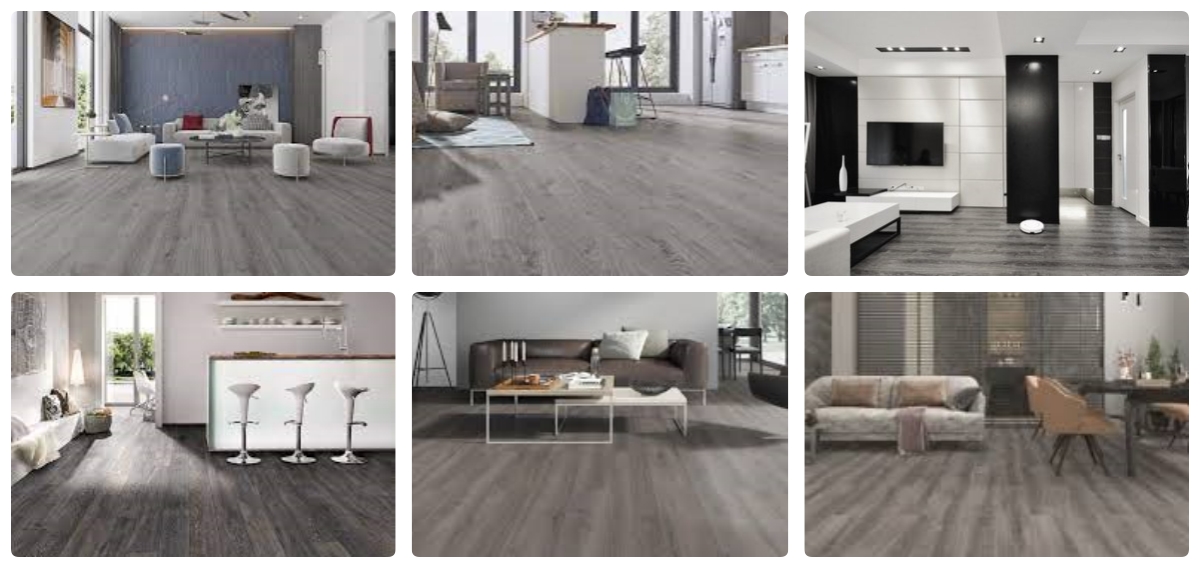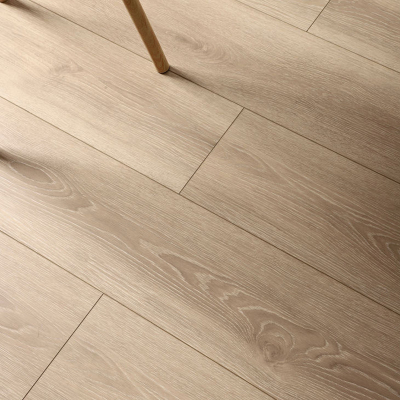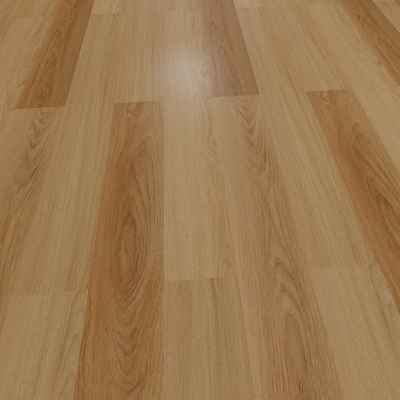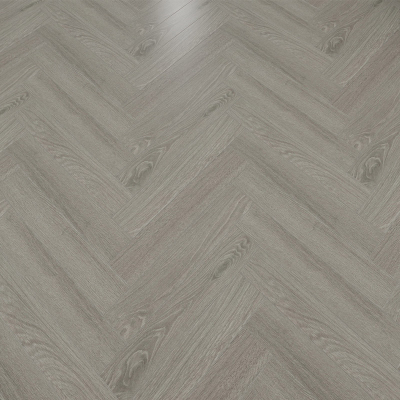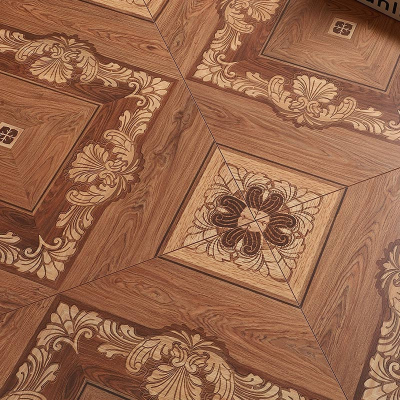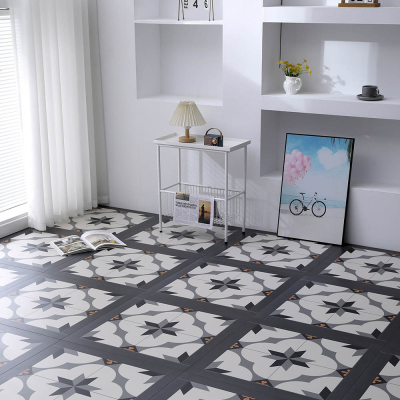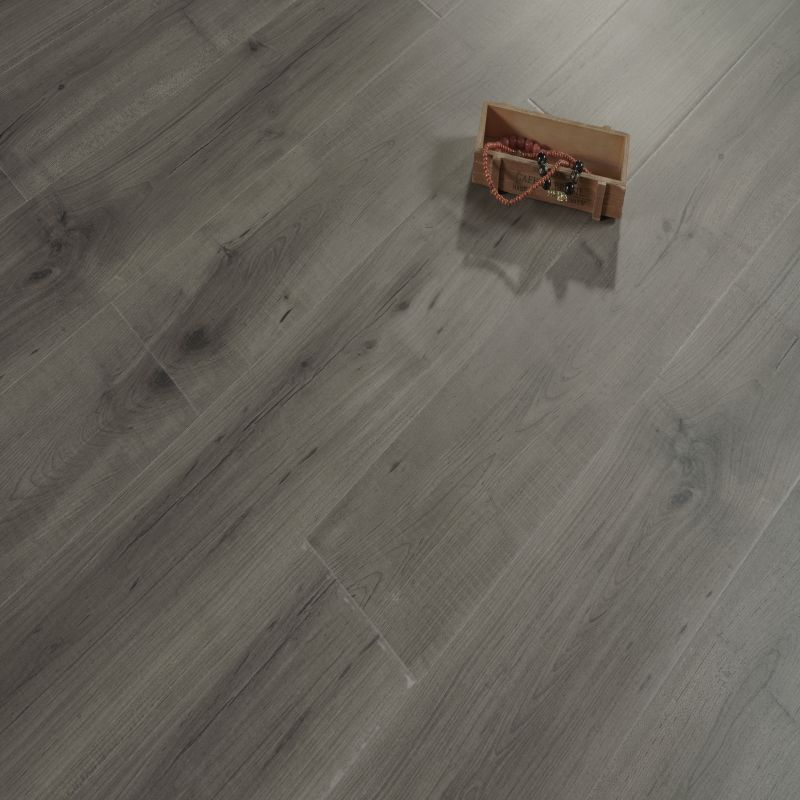
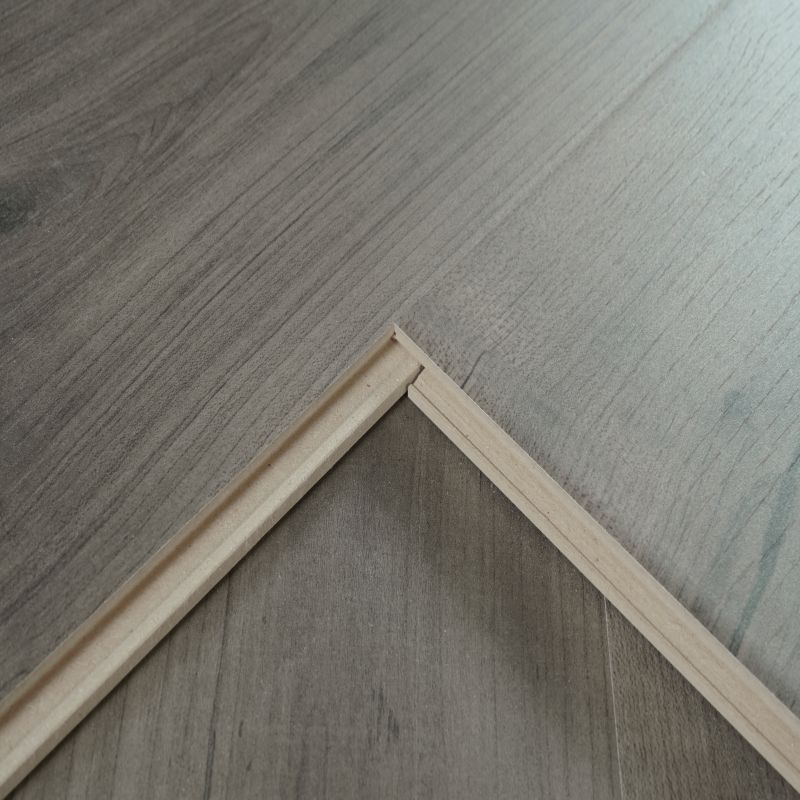
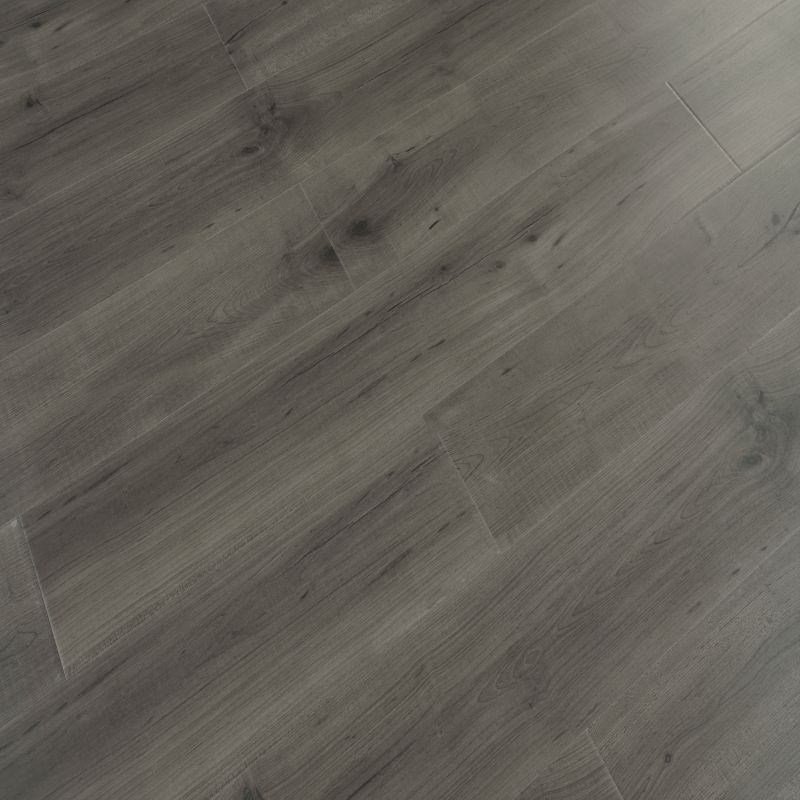
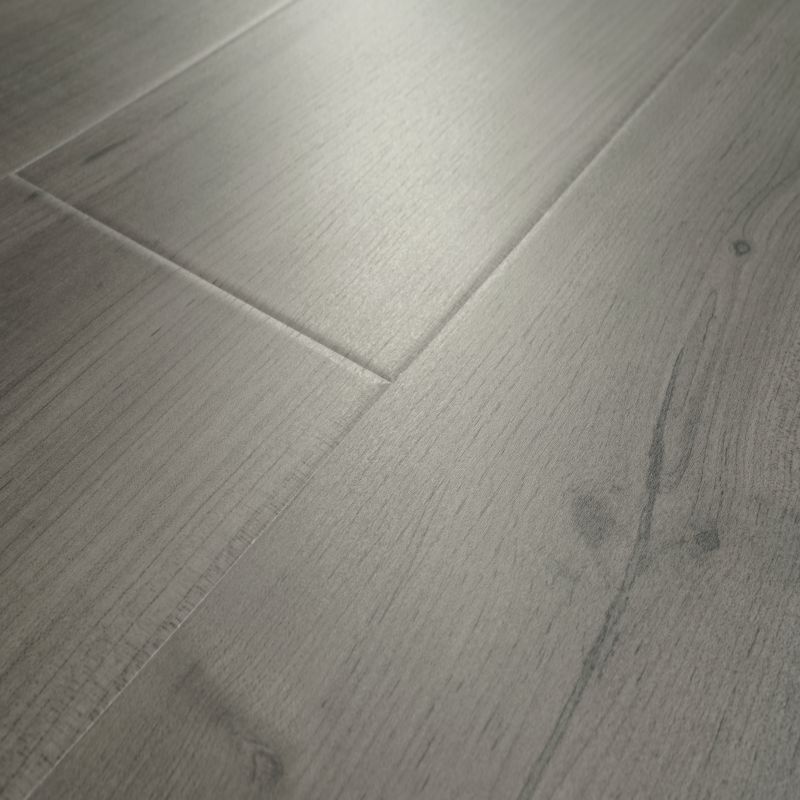
EIR Laminate Wood Flooring
Manufacturing Process
The production of EIR laminate wood flooring requires advanced surface synchronization and controlled pressing technology.
Wood Fiber Refining: Wood chips are refined, dried, and screened
HDF Board Pressing: High-pressure continuous press forms dense fiberboard
Decor Paper Printing: High-resolution wood patterns printed with repeat accuracy
EIR Plate Engraving: Steel press plates engraved to match décor grain exactly
Hot Press Lamination: Overlay, décor, and core pressed under synchronized pressure
Cooling and Conditioning: Panels stabilized to control internal stress
Profiling: CNC milling of click-lock edges
Quality Inspection: Surface alignment, wear, and dimensional testing
What Is EIR Laminate Flooring?
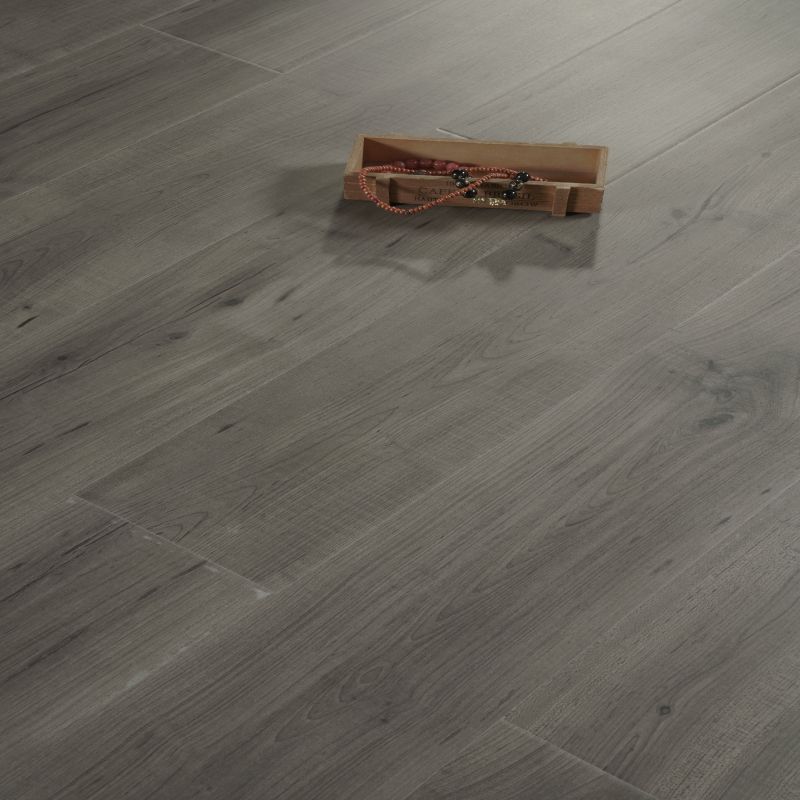
EIR laminate flooring is a laminate flooring product manufactured using Embossed-in-Register technology. In EIR flooring, the surface texture is precisely aligned with the printed wood grain—the embossing follows the grain lines, knots, and pores of the printed image. This creates a surface where the visual pattern and the tactile texture match.
EIR stands for Embossed-in-Register. The term describes the synchronization between two elements: the printed décor (the wood grain image) and the embossing (the surface texture). In a standard laminate, the printed grain and the surface texture are not aligned—the texture is a generic embossing pattern that does not follow the printed grain. In EIR laminate, the two are synchronized.
This synchronization produces three results:
Higher visual realism. The grain lines, knots, and pores of the printed image are reinforced by the embossed texture, so the surface looks more like real wood.
Stronger tactile effect. When you touch the surface, you feel the texture in the same places where you see the grain. This visual-tactile consistency is what makes EIR laminate feel closer to real wood than standard laminate.
Consistent mechanical performance. EIR affects the surface appearance and tactile feel, but it does not reduce the mechanical performance of the product. EIR laminate maintains the same durability, dimensional stability, and locking performance as comparable standard laminate products.
EIR laminate is suitable for residential and commercial applications where wood realism is a design priority—premium residential interiors, hotels, serviced apartments, high-end offices, retail interiors, and showrooms.
How Does EIR Technology Work?
EIR technology depends on the precise synchronization of three elements: the printed wood grain, the embossing plate, and the pressing process. The following sections explain each element.
Wood Grain Printing
The decorative layer is printed with a high-resolution wood grain image. The image is produced using multi-layer colour printing, which captures the subtle colour variation, grain lines, and surface detail of natural wood. The print resolution and colour accuracy determine the base realism of the surface.
For EIR products, the printed image must be produced with high repeat accuracy—the pattern must repeat consistently across the panel and across production batches. Repeat accuracy is controlled during printing.
Embossed Surface Structure
The embossing plate is a steel plate engraved with a texture pattern that matches the printed wood grain. The pattern includes the grain lines, knots, pores, and surface irregularities of the wood. The plate is produced by engraving, and the engraving must match the printed décor exactly.
The embossing depth determines how pronounced the tactile effect is. Deeper embossing provides more pronounced texture; shallower embossing provides a subtler effect.
Grain and Embossing Alignment
Grain and embossing alignment is the core of EIR technology. During hot pressing, the printed décor and the embossing plate must be aligned precisely. If the alignment is accurate, the texture follows the grain lines of the printed image. If the alignment is inaccurate, the texture and the image do not match, and the surface looks and feels artificial.
Alignment accuracy is controlled during pressing. The décor paper and the embossing plate must be positioned correctly, and the pressing parameters must be stable. Alignment is typically measured in millimeters of misalignment between the printed grain and the embossed texture. For premium EIR products, misalignment should be minimal.
EIR vs Standard Embossed Laminate
| Feature | Standard Laminate | EIR Laminate |
|---|---|---|
| Printed wood grain | Yes | Yes |
| Surface embossing | Yes | Yes |
| Grain/texture alignment | Limited | Synchronized |
| Visual realism | Standard | Higher |
| Tactile wood effect | Moderate | Strong |
| Commercial suitability | Product-dependent | Product-dependent |
EIR Laminate Flooring Specifications
EIR laminate flooring specifications include the standard laminate parameters plus the EIR-specific parameters. The following table provides typical ranges.
| Parameter | Typical Range | Standard Reference |
|---|---|---|
| Total Thickness | 8 mm / 10 mm / 12 mm | EN 13329 |
| HDF Core Density | 840–900 kg/m³ | EN 323 |
| Abrasion Class | AC3 / AC4 / AC5 | EN 13329 |
| Surface Overlay | Aluminum oxide reinforced | ISO 10545 |
| EIR Embossing Depth | Typically 0.15–0.30 mm (product-specific; verify with manufacturer) | Internal QC |
| Décor Repeat Length | Typically 1–3 m (product-specific; verify with manufacturer) | Internal QC |
| Grain Alignment Accuracy | Typically ≤0.5 mm misalignment (product-specific; verify with manufacturer) | Internal QC |
| Surface Finish | Matte / EIR | Internal QC |
| Formaldehyde Emission | E1 / ≤ 0.124 mg/m³ | EN 717-1 |
| Moisture Swelling (24h) | ≤ 18% | EN 13329 |
| Fire Rating | Cfl-s1 | EN 13501-1 |
Contact us for the complete technical datasheet, test reports, and OEM specifications. EIR-specific parameters (embossing depth, décor repeat length, grain alignment accuracy) vary by product and production specification. Verify with the manufacturer before specification.
EIR Laminate Surface & Texture Options
EIR laminate is available in a range of surface finishes and texture types. Availability depends on the specific product range—contact us for current options.
Matte. Reduces glare and artificial shine. Enhances the realism of the wood appearance.
EIR wood grain. The standard EIR finish, with embossing synchronized to the wood grain.
Rustic. A distressed surface effect that reproduces the look of aged or reclaimed wood.
Brushed. A surface effect that reproduces the look of brushed wood, with visible linear texture.
Saw-cut. A surface effect that reproduces the look of sawn wood, with visible saw marks.
Natural oak texture. A texture pattern based on natural oak grain, with visible grain lines and subtle pores.
Contemporary wood texture. A cleaner, more uniform texture pattern suited to modern and minimalist interiors.
The descriptions above are general style directions. Actual finishes depend on the current product range. Request physical samples or product images before specification.
EIR Laminate Flooring Structure
EIR laminate flooring is a layered composite product. Each layer performs a specific function.
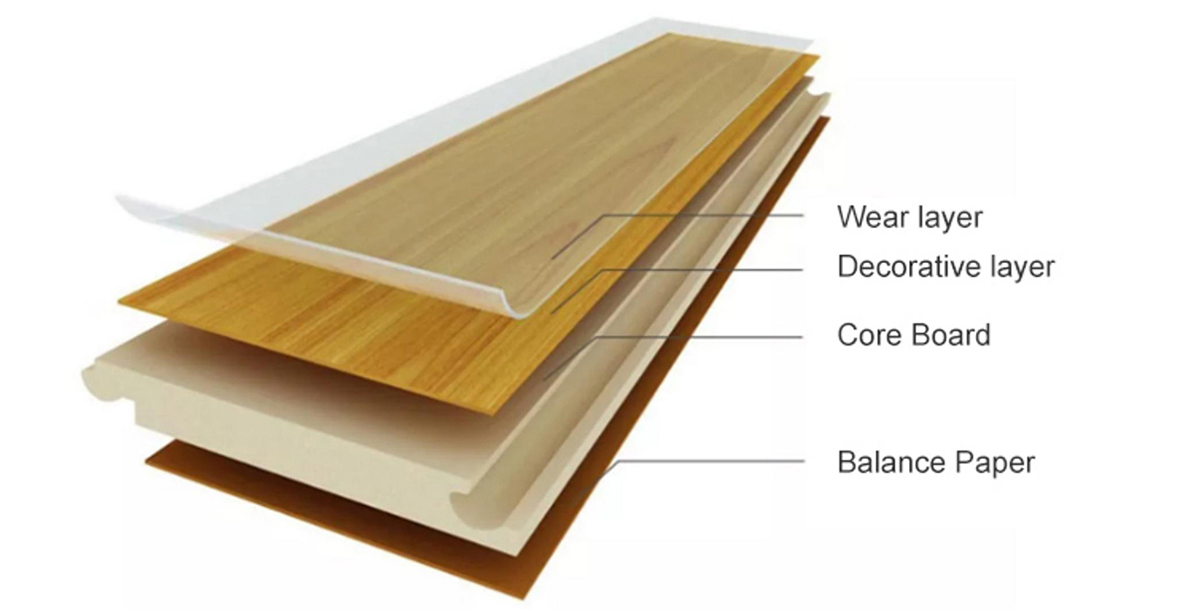
Wear Layer. A transparent melamine overlay with aluminum oxide for abrasion resistance. The wear layer protects the decorative layer from surface wear.
EIR Decorative Layer. A high-resolution printed film that provides the wood grain appearance. The printed grain is synchronized with the embossing plate.
Embossed Surface. The surface texture is produced by the embossing plate and synchronized with the printed grain. This is the defining feature of EIR laminate.
HDF Core. A high-density fiberboard core that provides structural stability, load-bearing strength, and the material into which the locking profile is machined.
Balancing Layer. A resin-treated backing paper that balances the tension in the panel and prevents warping.
Click Profile. A precision-milled locking system with wax edge sealing for moisture resistance.
EIR Laminate vs Standard Laminate
| Feature | EIR Laminate | Standard Laminate |
|---|---|---|
| Surface realism | Higher | Standard |
| Grain alignment | Synchronized | Limited |
| Tactile texture | Strong | Moderate |
| Appearance | More realistic wood appearance | Standard wood appearance |
| Customization | Custom décor and embossing available | Product-dependent |
| Price positioning | Mid-range | Low–mid range |
| Commercial suitability | Product-dependent (verify AC rating) | Product-dependent (verify AC rating) |
Price positioning. EIR laminate is typically positioned at a higher price point than standard laminate because of the additional steps required for décor development, embossing plate preparation, and synchronized pressing. The premium reflects the higher surface realism and tactile quality of the product.
Important note: The difference between EIR and standard laminate depends on the specific product. Not all products labelled "EIR" have the same level of alignment accuracy or texture depth. Request physical samples and verify the alignment quality before specification.
When EIR is worth the premium: EIR laminate is typically specified where the appearance of the floor is a design priority—premium residential projects, hotels, serviced apartments, high-end offices, retail interiors, and showrooms. For projects where appearance is secondary to cost, standard laminate may be sufficient.
Where Is EIR Laminate Flooring Used?
EIR laminate flooring is specified where wood realism, durability, and cost predictability are required. The following sections explain why EIR works in each setting.
Premium Residential Interiors
Why EIR works: The synchronized grain and texture create a surface that looks and feels like real wood. This supports a premium appearance in living areas, bedrooms, and hallways.
Key considerations: Surface finish, colour selection, and alignment accuracy.
Hotels
Why EIR works: EIR laminate provides a premium wood appearance for hotel guest rooms, corridors, and public areas. The tactile texture adds a sense of quality, and the wear layer provides durability for high-traffic areas.
Key considerations: AC rating (AC4 or AC5 for high-traffic areas), acoustic performance (underlayment), and colour consistency across production batches.
Serviced Apartments
Why EIR works: EIR laminate provides a durable, realistic wood appearance for serviced apartments. The click-lock system allows fast installation, and the surface is easy to maintain.
Key considerations: Thickness (8–10 mm for standard apartments), AC rating, and maintenance requirements.
High-End Offices
Why EIR works: EIR laminate provides a professional, premium appearance for office reception areas, meeting rooms, and executive offices. The synchronized texture adds warmth and detail to the floor.
Key considerations: AC rating (AC4 for general commercial), maintenance requirements, and colour consistency.
Retail Interiors
Why EIR works: EIR laminate provides a distinctive, design-led floor for retail environments. The wood appearance supports a premium brand image, and the durability handles moderate-to-high traffic.
Key considerations: AC rating, cleaning regime, and colour consistency.
Showrooms
Why EIR works: EIR laminate provides a realistic wood appearance for showrooms, where the floor contributes to the display environment. The synchronized texture adds visual and tactile interest.
Key considerations: Surface finish, colour selection, and alignment accuracy.
Residential Developments
Why EIR works: EIR laminate provides a consistent, premium appearance for residential developments. The click-lock system allows fast installation, and the surface realism supports property value.
Key considerations: Thickness (8–10 mm for standard developments), AC rating, and cost balance.
EIR Laminate Flooring Buying Considerations
The following considerations are commonly raised by buyers and specifiers of EIR laminate flooring.
How accurate is the grain alignment? Grain alignment accuracy determines how realistic the surface appears. Ask the manufacturer for the alignment tolerance and, where possible, inspect a physical sample.
How long is the décor repeat? The décor repeat length determines how often the pattern repeats across the floor. Longer repeat lengths reduce visible repetition. Ask the manufacturer for the repeat length.
Is the embossing consistent between batches? Embossing consistency affects appearance consistency across production batches. Ask the manufacturer about batch control procedures.
What EIR textures are available? Texture options include matte, rustic, brushed, saw-cut, natural oak, and contemporary wood. Availability depends on the product range.
Can the décor be customized? Custom décor paper and custom embossing plates are available for OEM/ODM projects.
How is surface wear tested? Surface wear is tested using Taber abrasion test or equivalent, and classified by AC rating (AC3, AC4, AC5).
How is color consistency controlled? Colour consistency is controlled through batch-controlled production and colour consistency testing. Finished panels are compared against the approved reference.
Can the same EIR pattern be reproduced for future orders? For OEM/ODM projects, the embossing plate and décor paper can be retained for future orders, allowing the same pattern to be reproduced. Confirm this with the manufacturer before ordering.
How to verify these considerations. To verify these considerations, request test reports, physical samples, and batch consistency documentation from the manufacturer. Where possible, inspect samples under the actual lighting conditions of the project.
How to Source EIR Laminate Flooring
The following steps describe the sourcing process for EIR laminate flooring.
Select wood species appearance. Choose the wood species appearance—oak, walnut, or other—based on the design intent.
Select EIR texture. Choose the texture type—matte, rustic, brushed, saw-cut, natural oak, or contemporary wood—based on the design intent.
Confirm décor repeat. Confirm the décor repeat length and review a physical sample.
Confirm embossing depth. Confirm the embossing depth and review a physical sample.
Select thickness. Choose 8 mm, 10 mm, or 12 mm based on the application and budget.
Select AC rating. Choose AC3, AC4, or AC5 based on the expected traffic level.
Confirm HDF density. Verify the HDF density against the product specification.
Confirm locking profile. Confirm the locking system type and locking test reports.
Approve physical sample. Approve a physical sample before production. Review the sample under the actual lighting conditions of the space.
Confirm batch color consistency. Confirm batch control procedures and colour consistency requirements.
Confirm OEM/private label requirements. If custom design is required, confirm the OEM/ODM scope, MOQ, and lead time.
Payment and delivery terms. Payment terms and delivery terms are confirmed at the quotation stage. Typical terms are 30% deposit with the balance against shipping documents. Delivery terms are typically FOB, CIF, or as agreed.
For OEM/ODM inquiries, contact us with your project requirements. For pricing and lead times, submit a formal inquiry.
EIR Laminate Flooring Project Case
The following case illustrates a project using EIR laminate flooring.
Project type: Mixed-use residential development.
Floor area: 12,000 m².
EIR wood grain: Oak.
Surface texture: EIR, synchronized with the printed grain.
Thickness: 10 mm.
AC rating: AC4.
Why EIR was selected: The project required a premium wood appearance for living areas and corridors. EIR laminate was selected over standard laminate for its higher surface realism and tactile texture, and over engineered wood for its cost predictability and consistent appearance.
Sample approval: A physical sample was approved before production. The sample was reviewed for colour, grain alignment, and texture under the actual lighting conditions of the project.
Batch consistency: Production was batch-controlled to ensure colour consistency across the project. Batch codes were recorded for traceability.
EIR technology verification: The grain-to-embossing alignment was verified on the approved sample and on production batches. Surface inspection confirmed grain alignment, embossing consistency, and surface quality.
Final delivery: Delivered according to the agreed schedule. Installation completed on time. The synchronized oak texture improved perceived value while meeting fire and emission requirements.
For reference projects in your market, contact us.
EIR Laminate Manufacturing
EIR laminate manufacturing includes the standard laminate manufacturing steps, with additional steps specific to EIR technology. The EIR-specific steps are:
Décor pattern development. The wood grain image is developed with high repeat accuracy and colour consistency.
EIR embossing plate preparation. The steel embossing plate is engraved to match the printed décor exactly.
Synchronized hot pressing. The décor paper and embossing plate are aligned precisely during pressing.
Surface inspection and alignment control. The finished surface is inspected for grain alignment, embossing consistency, and surface quality.
For the complete laminate flooring manufacturing process, see the laminate flooring manufacturing page.
Limitations of EIR Laminate Flooring
EIR improves surface realism but does not change the fundamental properties of laminate flooring. The following limitations should be considered during specification.
Moisture sensitivity. EIR laminate is still moisture-sensitive. It is not suitable for wet areas such as bathrooms, kitchens, or basements. For wet areas, consider waterproof SPC flooring.
Surface cannot be refinished. The laminate surface cannot be sanded and refinished. Damaged panels must be replaced.
Alignment accuracy varies by product. Not all products labelled "EIR" have the same level of grain-to-embossing alignment. Verify the alignment quality with a physical sample before specification.
Embossing depth varies by product. Deeper embossing provides a more pronounced tactile effect; shallower embossing provides a subtler effect. Verify the embossing depth with the manufacturer.
Subfloor requirements. EIR laminate requires a flat, sound subfloor for proper installation. Uneven subfloors can compromise the locking system and cause joint problems.
For projects where these limitations are a concern, consider alternative flooring types or additional system components.
FAQ: EIR Laminate Flooring
1. What does EIR mean in laminate flooring?
EIR stands for Embossed-in-Register. It describes the synchronization between the printed wood grain and the surface embossing—the texture follows the grain lines of the printed image.
2. What is Embossed-in-Register laminate flooring?
Embossed-in-Register laminate flooring is a laminate product where the surface texture is aligned with the printed wood grain. This creates a surface where the visual pattern and the tactile texture match.
3. What should I check in an EIR laminate specification?
Check the grain alignment accuracy, embossing depth, décor repeat length, surface finish, HDF density, AC rating, locking profile, and emission class. Request test reports and a physical sample before specification.
4. Does EIR laminate look like real wood?
EIR laminate provides a more realistic wood appearance than standard laminate, because the texture follows the printed grain. However, it is not real wood—it is a printed and embossed surface.
5. Does EIR improve surface texture?
Yes. EIR improves the surface texture by synchronizing the embossing with the printed grain. The result is a surface where the texture and the image match.
6. How accurate is the grain-to-embossing alignment?
Alignment accuracy depends on the specific product and manufacturer. Typical alignment accuracy for premium EIR products is ≤0.5 mm misalignment. Ask the manufacturer for the alignment tolerance and inspect a physical sample before specification.
7. Can EIR laminate designs be customized?
Yes. Custom décor paper and custom embossing plates are available for OEM/ODM projects. Contact us with your design reference.
8. How long can the EIR décor repeat?
Décor repeat length depends on the specific product, typically ranging from 1–3 m. Longer repeat lengths reduce visible repetition. Ask the manufacturer for the specific repeat length and review a physical sample.
9. Can EIR laminate be used in commercial projects?
Yes, with appropriate AC rating. AC4 is suitable for general commercial use; AC5 for heavy commercial use. Verify the wear class against the expected traffic level.
10. What AC ratings are available?
AC3, AC4, and AC5 are available, depending on the product specification. AC3 is suitable for residential use; AC4 for general commercial use; AC5 for heavy commercial use.
11. Can EIR laminate be manufactured with private-label packaging?
Yes. Private label and custom packaging are available for OEM/ODM projects. Contact us for details.
12. How do you maintain EIR surface consistency between production batches?
Surface consistency is maintained through batch-controlled production and colour consistency testing. Finished panels are compared against the approved reference. Batch codes are recorded for traceability. For OEM projects, the embossing plate and décor paper can be retained for future orders.
CTA
For technical datasheets, OEM EIR surface programs, pricing, or engineering samples of EIR laminate flooring, please submit your project requirements to request a formal quotation or product documentation package.
Application
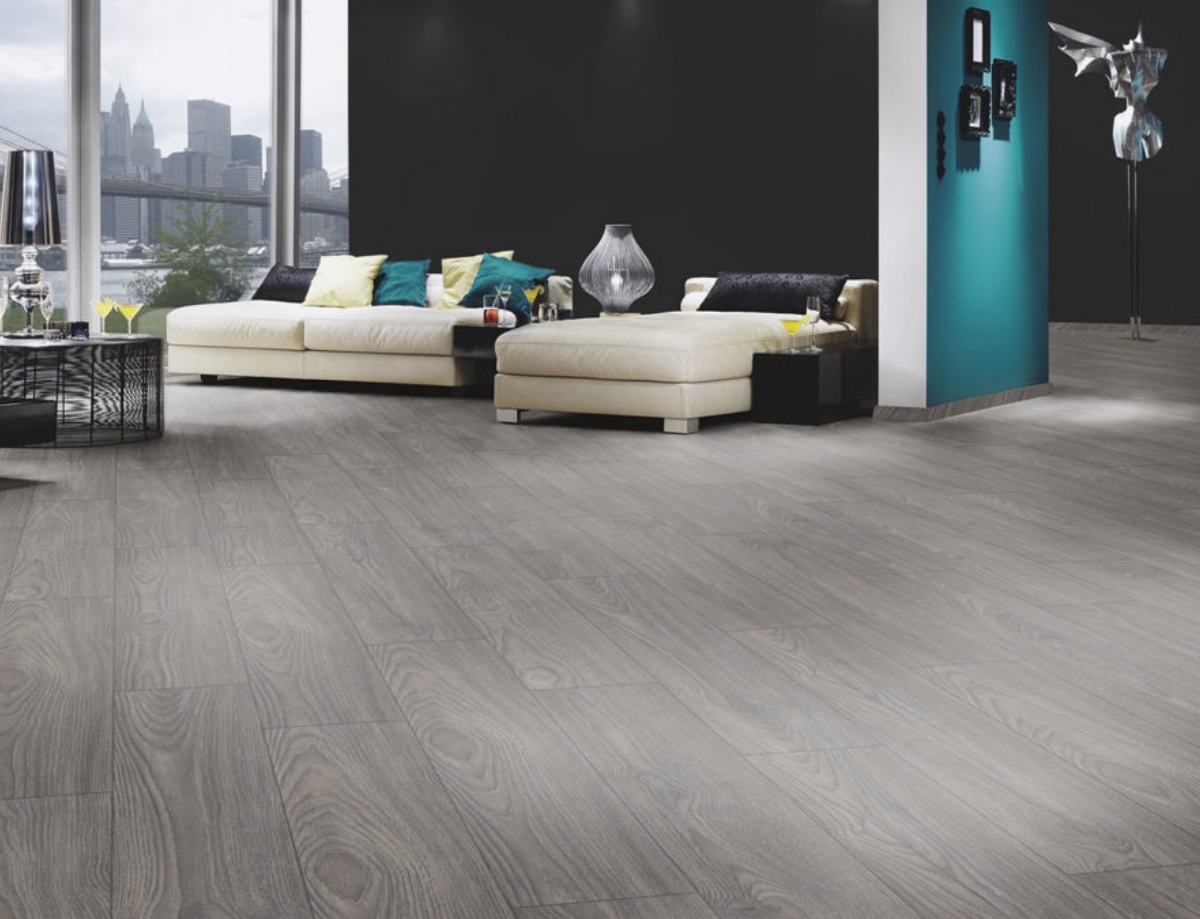
Application :The restaurant environment needs to be both beautiful and durable to cope with the frequent movement of people and possible stains. The product's stain resistance, water resistance and rich decorative options create a comfortable and pleasant dining environment.