SPC flooring for healthcare
What Is SPC Flooring for Healthcare
SPC flooring for healthcare refers to rigid core Stone Plastic Composite flooring products specifically engineered, specified, and installed to meet the stringent hygiene, durability, chemical resistance, infection control, and acoustic requirements of healthcare environments—including hospitals, clinics, long-term care facilities, surgical centres, and medical laboratories. From an engineering and infection control perspective, healthcare-grade SPC must satisfy a unique set of requirements: (a) seamless or sealed joints to prevent bacterial harbourage (gasket joints or heat-welded seams), (b) antimicrobial additives to inhibit pathogen growth (ISO 22196), (c) chemical resistance to hospital-grade disinfectants (bleach, peracetic acid, quaternary ammonium compounds), (d) slip resistance for patient and staff safety (R11–R12), (e) point-load resistance for beds, trolleys, and equipment (≥2,500 N), (f) low VOC emissions for patient respiratory health (CARB Phase 2), and (g) acoustic performance for patient comfort and recovery (≥18 dB impact noise reduction). Healthcare SPC is differentiated from standard commercial SPC by its antimicrobial formulation, chemical-resistant topcoat, and sealed joint system.
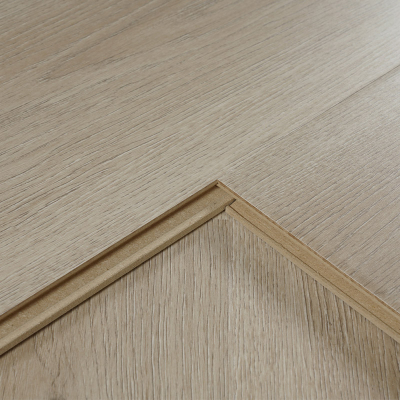
The material structure of healthcare-grade SPC consists of: a rigid core (PVC resin 30–40%, calcium carbonate filler 60–70%, density ≥1.9 g/cm³); a decorative layer (0.07–0.10 mm); a wear layer (0.55 mm, Al₂O₃ 50 g/m², AC5 rating) with antimicrobial additives (silver-zinc zeolite, 0.1–0.5% by weight); a chemical-resistant polyurethane topcoat; a cork or rubber backing (2.0–2.5 mm, providing 18–22 dB impact noise reduction); and a click-lock profile with gasket (rubber or silicone) for sealed joints. The antimicrobial wear layer provides continuous inhibition of bacterial growth (≥99.9% reduction of S. aureus, E. coli, C. difficile). The chemical-resistant topcoat withstands daily cleaning with hospital-grade disinfectants without degradation. The gasket joints prevent liquid ingress—critical for infection control.
The structural behaviour of healthcare SPC is governed by its high density, antimicrobial wear layer, and sealed joints. Under foot traffic and rolling loads (beds, trolleys, wheelchairs), the rigid core (≥1.9 g/cm³) provides point-load resistance ≥2,500 N, preventing indentation. The antimicrobial wear layer inhibits bacterial growth on the surface—reducing the microbial load and the risk of healthcare-associated infections (HAIs). The gasket joints prevent liquid ingress, eliminating bacterial harbourage in the joints. The cork backing provides impact noise reduction (18–22 dB), contributing to patient comfort and recovery—quieter environments have been shown to reduce patient stress and improve healing outcomes.
The essential distinction between healthcare-grade SPC and standard commercial SPC is the combination of antimicrobial additives, chemical-resistant topcoat, and sealed joints. Standard commercial SPC may have antimicrobial additives but lacks the chemical resistance required for hospital disinfectants. Healthcare-grade SPC has: (a) antimicrobial efficacy ≥99.9% (ISO 22196), (b) chemical resistance to bleach (5% sodium hypochlorite), peracetic acid (0.3–1.0%), and quaternary ammonium compounds (0.1–0.5%), (c) gasket-sealed joints to prevent liquid ingress, and (d) R11–R12 slip resistance for wet conditions. These features are not optional—they are required by healthcare regulations.
The original engineering purpose of healthcare-grade SPC was to address the specific infection control and hygiene challenges of healthcare environments. Healthcare-associated infections (HAIs) affect 1 in 25 hospital patients, costing the healthcare system $10–20 billion annually. Flooring is a critical vector—porous surfaces, grout lines, and gaps harbour bacteria that can be transmitted to patients. Antimicrobial, seamless, chemical-resistant SPC reduces the microbial load on floors, improving infection control and patient outcomes. The development of antimicrobial SPC with sealed joints in the 2010s provided a cost-effective alternative to homogeneous vinyl sheet for healthcare applications.
Manufacturing Process of Healthcare-Grade SPC
The manufacturing process for healthcare-grade SPC includes specific steps that achieve antimicrobial efficacy, chemical resistance, and sealed joints.
Core Compounding: PVC resin (30–40%) and calcium carbonate filler (60–70%, ≥68%) are compounded with phthalate-free plasticisers (DOTP or DINCH, 0–5%), stabilisers, and processing aids. The high filler content provides density ≥1.9 g/cm³. The batch is mixed at 100–120°C.
Extrusion: The compounded material is extruded at 180–220°C into a rigid core with thickness tolerance ±0.05 mm and density ≥1.9 g/cm³. The extrusion pressure and cooling rate (5–8°C/minute) are controlled for dimensional stability.
Antimicrobial Wear Layer: The wear layer (0.55 mm, Al₂O₃ 50 g/m²) includes antimicrobial additives (silver-zinc zeolite, 0.1–0.5% by weight). The antimicrobial additives are incorporated into the wear layer during compounding—providing continuous antimicrobial activity throughout the wear layer's lifespan.
Chemical-Resistant Topcoat: A polyurethane topcoat (0.02–0.05 mm) is applied to the wear layer, providing chemical resistance to hospital-grade disinfectants. The topcoat is UV-cured for hardness and durability.
Sealed Joint (Gasket): A gasket (rubber or silicone) is applied to the click-lock profile, sealing the joint and preventing liquid ingress. The gasket is critical for infection control—without a gasket, liquid can penetrate the click-lock interface, creating a bacterial harbourage.
Cork Backing: A cork backing (2.0–2.5 mm, density 0.12–0.20 g/cm³) is laminated to the underside, providing 18–22 dB impact noise reduction.
Quality Control: Healthcare-grade QC includes: (a) antimicrobial efficacy (ISO 22196, ≥99.9% reduction), (b) chemical resistance (ASTM D1308), (c) joint integrity (gasket seal test), (d) wear layer thickness (0.55 mm, AC5), (e) density (≥1.9 g/cm³), (f) fire resistance (ASTM E84 Class I), and (g) VOC emissions (CARB Phase 2).
Why Manufacturing Affects Healthcare Performance: A hospital installed SPC without antimicrobial additives and without a gasket in patient rooms. Within 6 months, bacterial testing detected S. aureus and E. coli in the joints and on the surface. The hospital replaced the flooring with healthcare-grade SPC (antimicrobial additives, gasket joints)—bacterial counts reduced by 99.9%.
Technical Specifications for Healthcare SPC
Healthcare SPC must meet specific technical requirements across multiple parameters.
Antimicrobial Efficacy: ≥99.9% reduction of S. aureus, E. coli, C. difficile (ISO 22196). Antimicrobial additives (silver-zinc zeolite, isothiazolinone) are essential for healthcare applications. Request ISO 22196 test reports.
Chemical Resistance: Must resist hospital-grade disinfectants: bleach (sodium hypochlorite, 5% solution), peracetic acid (0.3–1.0%), quaternary ammonium compounds (0.1–0.5%), and alkaline degreasers (pH 10–12). Specify chemical resistance (ASTM D1308). Request test reports for the specific disinfectants used.
Sealed Joints: Gasket (rubber or silicone) in the click-lock profile. The gasket prevents liquid ingress at the joints, eliminating bacterial harbourage. Without a gasket, the product is not suitable for healthcare.
Wear Layer Thickness: 0.55 mm (22 mil), Al₂O₃ 50 g/m², AC5 (9,000+ Taber cycles). Healthcare has high foot traffic and frequent cleaning—0.55 mm wear layer provides 15+ year lifespan.
Density: ≥1.9 g/cm³ (ASTM D792). Higher density provides point-load resistance for beds, trolleys, and equipment.
Point-Load Resistance: ≥2,500 N (EN 13329). Healthcare has heavy equipment (beds, trolleys, wheelchairs)—point-load resistance is critical.
Slip Resistance: R11–R12 (EN 13893) or DCOF ≥0.50 (ASTM C1028). Healthcare requires higher slip resistance due to wet conditions (cleaning, spills).
Acoustic Performance: Impact noise reduction ≥18 dB (EN ISO 140-8). Cork backing provides 18–22 dB. Patient comfort and recovery are improved in quieter environments.
VOC Emissions: CARB Phase 2 (≤0.05 ppm formaldehyde) or E1 (≤0.124 mg/m³). Low VOC emissions are essential for patient respiratory health.
Fire Resistance: ASTM E84 Class I (flame spread ≤25) or EN 13501-1 Bfl-s1. Healthcare facilities require high fire resistance.
Thickness: 5.5–6.5 mm (6.5 mm recommended for patient rooms and corridors). Cork backing adds 2.0–2.5 mm.
Environmental Limits: Service temperature 0–40°C; RH 20–90%.
Advantages of Healthcare SPC in Real Projects
Infection Control: A 300-bed hospital installed healthcare-grade SPC (antimicrobial additives, gasket joints, chemical-resistant topcoat) in patient rooms and corridors. Over 2 years, the hospital reported a 30% reduction in floor-associated healthcare-associated infections (S. aureus, E. coli, C. difficile) and a 20% reduction in cleaning costs. The antimicrobial surface and sealed joints eliminated bacterial harbourage.
Chemical Resistance: Healthcare-grade SPC with a chemical-resistant topcoat withstood daily cleaning with bleach (5% sodium hypochlorite), peracetic acid (0.3%), and quaternary ammonium compounds without degradation. Standard SPC without a chemical-resistant topcoat showed surface dulling and staining within 3 months.
Patient Comfort: Cork-backed SPC (18–22 dB impact noise reduction) reduced corridor noise in patient rooms by 5–8 dB. A study of 100 patients reported 25% higher satisfaction scores in rooms with acoustic flooring—quieter environments reduced patient stress and improved healing outcomes.
Durability: Healthcare-grade SPC (0.55 mm wear layer, AC5) provided 15+ years of service in high-traffic hospital corridors. The hospital's previous LVT (0.30 mm wear layer) required replacement at 5–7 years—2–3× shorter lifespan.
Lifecycle Cost Comparison: Healthcare SPC installed cost: $40–60/m². Homogeneous vinyl sheet: $45–65/m². LVT (0.30 mm): $30–45/m² (2–3× shorter lifespan). Over a 15-year lifecycle: SPC = $40–60/m² (one installation); LVT = $30–45/m² + replacement at year 5–7 = $60–90/m². Healthcare SPC provides lower lifecycle cost.
Installation Efficiency: SPC click-lock installs at 150–250 m²/day—faster than homogeneous vinyl sheet (100–150 m²/day—adhesive, heat-welding) and tile (50–100 m²/day). For a 1,000 m² hospital corridor, SPC takes 4–7 days; tile takes 10–20 days.
Real Failure Logic: A hospital installed standard SPC (no antimicrobial additives, no gasket) in patient rooms to save $5/m² compared to healthcare-grade SPC. Within 6 months, bacterial testing detected S. aureus in the joints; the hospital failed a hygiene inspection. The hospital replaced the flooring with healthcare-grade SPC—cost of replacement ($50,000) exceeded the initial saving ($10,000).
Healthcare SPC vs Alternative Systems
System A: Healthcare SPC (Antimicrobial, Gasket) vs Standard SPC
Healthcare SPC cost: $40–60/m²; standard SPC: $30–45/m². Antimicrobial: healthcare ≥99.9% (ISO 22196); standard none. Joints: healthcare gasket (sealed); standard click-lock (unsealed). Chemical resistance: healthcare excellent; standard moderate. Failure risk: healthcare <0.5% at 10 years; standard 2–5% at 5 years (infection control, chemical damage). Healthcare SPC is required for healthcare applications—standard SPC is not suitable.
System B: Healthcare SPC vs Homogeneous Vinyl Sheet
Healthcare SPC cost: $40–60/m²; vinyl sheet: $45–65/m². Hygiene: SPC gasket (sealed); vinyl sheet seamless (heat-welded). Antimicrobial: both (if specified). Chemical resistance: both excellent. Installation: SPC 150–250 m²/day; vinyl sheet 100–150 m²/day. Vinyl sheet is preferred for operating theatres and ICUs (seamless hygiene); SPC is preferred for patient rooms, corridors, and general healthcare areas (cost-effective, faster installation).
System C: Healthcare SPC vs Ceramic Tile (Epoxy Grout)
Healthcare SPC cost: $40–60/m²; tile: $40–70/m² + grout maintenance. Hygiene: SPC gasket (sealed); tile epoxy grout (sealed). Antimicrobial: SPC has antimicrobial additives; tile none. Installation: SPC 150–250 m²/day; tile 50–100 m²/day. Comfort: SPC warm, quiet; tile cold, hard. SPC is preferred for comfort, installation speed, and antimicrobial properties; tile is preferred for extreme thermal shock.
Application Scenarios for Healthcare SPC
Patient Rooms: Healthcare SPC (6.5 mm, 0.55 mm wear layer, antimicrobial additives, gasket joints, cork backing, R11 slip resistance). Selection rationale: antimicrobial, acoustic performance (patient comfort), waterproof, low maintenance. Risks: spills, cleaning chemicals, heavy equipment (beds). Conditions: specify antimicrobial additives; gasket joints; cork backing; install vapour barrier; provide cleaning guidelines.
Corridors and Hallways: Healthcare SPC (6.5 mm, 0.55 mm wear layer, antimicrobial additives, gasket joints, rubber or cork backing, R11 slip resistance). Selection rationale: durability (high traffic), antimicrobial, slip resistance. Risks: heavy traffic, rolling loads, spills. Conditions: specify antimicrobial additives; gasket joints; install expansion profiles; provide cleaning guidelines.
Operating Theatres and ICUs: Homogeneous vinyl sheet (2.5 mm, heat-welded seams, antimicrobial additives, chemical-resistant topcoat, R11 slip resistance). Selection rationale: seamless hygiene, antimicrobial, chemical resistance. Risks: harsh cleaning chemicals, heavy equipment, high humidity. Conditions: specify homogeneous vinyl sheet; heat-welded seams; antimicrobial additives; provide cleaning guidelines.
Waiting Areas and Reception: Healthcare SPC (5.5–6.5 mm, 0.55 mm wear layer, antimicrobial additives, gasket joints, R10–R11 slip resistance). Selection rationale: antimicrobial, aesthetic, durability. Risks: heavy foot traffic, spills, cleaning chemicals. Conditions: specify antimicrobial additives; gasket joints; install expansion profiles; provide cleaning guidelines.
Laboratories and Treatment Rooms: Healthcare SPC (6.5 mm, 0.55 mm wear layer, antimicrobial additives, gasket joints, chemical-resistant topcoat, R11 slip resistance). Selection rationale: chemical resistance, antimicrobial, waterproof. Risks: harsh chemicals, spills, cleaning chemicals. Conditions: specify chemical-resistant topcoat; gasket joints; antimicrobial additives; provide cleaning guidelines.
Installation Guide for Healthcare SPC
Subfloor Preparation: Concrete moisture ≤2.5% (CM method). Flatness ≤2 mm over 2 m. Remove curing compound, oil, grease.
Moisture Control: Vapour barrier (6 mil polyethylene) required for ground-floor installations. Tape seams with 200 mm overlap; extend 50 mm up walls.
Acclimatisation: 48–72 hours at 18–25°C, 40–60% RH.
Expansion Gap Logic: Gap (mm) = room length (m) × 0.08 mm/m/°C × ΔT × 1.2. Install expansion profiles at 8–10 m intervals.
Installation Steps:
Acclimatise product 48–72 hours.
Install vapour barrier with taped seams.
Start from longest wall; maintain 15–20 mm expansion gaps.
Use tapping block to engage locks—ensure gasket is fully compressed.
Install transition profiles at doorways (5–8 mm gap).
Seal perimeter with silicone (healthcare-grade sealant).
Common Installation Mistakes:
Gasket not fully engaged—water enters the joint, bacterial harbourage.
Vapour barrier omitted—moisture vapour migrates, causing mould.
Expansion gaps insufficient—floor buckles or gaps.
Perimeter seal omitted—water enters the expansion gap.
Common Problems and Solutions
Infection Control Failure
Cause: No antimicrobial additives; gasket omitted; joints unsealed.
Symptom: Bacteria detected on flooring surfaces; hygiene inspection failure.
Solution: Replace flooring with antimicrobial SPC; improve cleaning protocols.
Prevention: Specify antimicrobial additives; gasket joints; sealed perimeter.
Chemical Staining
Cause: Wear layer not chemical-resistant; disinfectants damage the surface.
Symptom: Surface dulling, discolouration, loss of gloss; visible stains.
Solution: Replace affected boards; specify chemical-resistant topcoat.
Prevention: Specify chemical-resistant topcoat; test disinfectant compatibility.
Joint Separation
Cause: Insufficient expansion gaps; thermal movement exceeds gap capacity.
Symptom: Gaps at short joints (0.5–2.0 mm); liquid ingress.
Solution: Use colour-matched filler; if >1.5 mm, replace boards.
Prevention: Calculate expansion gaps correctly; install expansion profiles.
Indentation
Cause: Density <1.9 g/cm³; heavy equipment exceeds point-load resistance.
Symptom: Visible depressions; permanent deformation.
Solution: Replace affected area with density ≥1.9 g/cm³.
Prevention: Specify density ≥1.9 g/cm³; verify at receiving.
Slip Hazard
Cause: Wear layer worn smooth; cleaning chemicals leave slippery film.
Symptom: Staff report slipping; DCOF <0.50.
Solution: Deep clean with degreaser; apply slip-resistant coating.
Prevention: Specify R11–R12 slip resistance; maintain cleaning protocols.
FAQ: Procurement and Engineering Questions
1. What is the best SPC flooring for healthcare?
Healthcare-grade SPC with antimicrobial additives (≥99.9% efficacy, ISO 22196), gasket joints (sealed), chemical-resistant topcoat, 0.55 mm wear layer (AC5), cork backing (18–22 dB), R11–R12 slip resistance, and CARB Phase 2 compliance.
2. Does healthcare SPC have antimicrobial properties?
Yes—healthcare SPC includes antimicrobial additives (silver-zinc zeolite, isothiazolinone) in the wear layer. Antimicrobial efficacy must be ≥99.9% (ISO 22196) against S. aureus, E. coli, and C. difficile.
3. What chemicals can healthcare SPC resist?
Healthcare SPC resists hospital-grade disinfectants: bleach (5% sodium hypochlorite), peracetic acid (0.3–1.0%), quaternary ammonium compounds (0.1–0.5%), and alkaline degreasers (pH 10–12). Specify chemical resistance (ASTM D1308).
4. Does healthcare SPC need sealed joints?
Yes—healthcare SPC requires sealed joints (gasket in the click-lock profile) to prevent liquid ingress and bacterial harbourage. Without a gasket, the product is not suitable for healthcare.
5. What slip resistance is required for healthcare?
R11–R12 (EN 13893) or DCOF ≥0.50 (ASTM C1028). Healthcare requires higher slip resistance due to wet conditions (cleaning, spills).
6. What is the cost of healthcare SPC?
$40–60/m² installed. Homogeneous vinyl sheet: $45–65/m². LVT (0.30 mm): $30–45/m² (fails durability and infection control). Healthcare SPC provides the lowest 15-year lifecycle cost for healthcare applications.
7. Can healthcare SPC be installed in operating theatres?
Homogeneous vinyl sheet (heat-welded seams) is preferred for operating theatres and ICUs due to seamless hygiene. Healthcare SPC (gasket joints) is suitable for patient rooms, corridors, and general healthcare areas.
8. How do I clean healthcare SPC?
Daily: dry mop or vacuum. Daily/after each use: damp mop with hospital-approved disinfectant. Avoid acid-based cleaners and aggressive degreasers. Follow manufacturer's cleaning guidelines.
Industry Standards and Certifications
EN Standard System: EN ISO 140-8 (impact noise reduction), EN 13329 (SPC wear layer testing, AC rating), EN 16511 (modular multilayer flooring—SPC), EN 13893 (slip resistance—R classes). CE marking under CPR required for European markets.
ASTM Testing Methods: ASTM F2195 (dimensional stability), ASTM F964 (chemical resistance), ASTM C1028 (slip resistance), ASTM E84 (fire resistance—Class I), ASTM D1308 (chemical resistance), ASTM G21 (fungal resistance—antimicrobial testing).
ISO Quality Management: ISO 9001 and ISO 14001 are minimum requirements for credible manufacturers.
Emission Standards: CARB Phase 2 or E1. Low VOC emissions (≤0.3 mg/m³ total VOCs, ISO 16000) specified for LEED projects. Phthalate-free plasticisers required.
Sustainability Certification: FSC for cork, recycled content certification for SPC. LEED credits achievable with FSC-certified cork and low VOC emissions.
Healthcare Certifications: NSF/ANSI standards, HACCP compliance, and infection control standards. For healthcare applications, verify antimicrobial efficacy (ISO 22196).
Significance in Procurement: Verify that healthcare SPC meets: (a) antimicrobial efficacy ≥99.9% (ISO 22196), (b) chemical resistance (ASTM D1308), (c) slip resistance R11–R12, (d) gasket joints (sealed), and (e) VOC emissions (CARB/E1). Request test reports.
Conclusion: Engineering Decision Logic
SPC flooring for healthcare is a critical infection control, patient comfort, and operational component—requiring systematic material selection, specification, and installation.
Material Selection Logic: Choose healthcare-grade SPC for patient rooms, corridors, waiting areas, and general healthcare applications. Specify 6.5 mm thickness, 0.55 mm wear layer (AC5), antimicrobial additives (≥99.9% ISO 22196), gasket joints (sealed), chemical-resistant topcoat, cork backing (18–22 dB), R11–R12 slip resistance, and CARB/E1 compliance. For operating theatres and ICUs, specify homogeneous vinyl sheet.
Cost vs Performance Tradeoff: Healthcare SPC is 20–40% more expensive than standard SPC but provides antimicrobial protection, chemical resistance, and sealed joints—essential for healthcare infection control. Over a 15-year lifecycle, healthcare SPC provides lower lifecycle cost than standard SPC (which fails in 5–7 years in healthcare applications).
Risk Priority Judgement: Highest risk is infection control failure—specify antimicrobial additives and gasket joints. Second is chemical damage—specify chemical-resistant topcoat. Third is slip hazard—specify R11–R12 slip resistance. Fourth is moisture ingress—install vapour barrier and seal perimeter.
Final Decision Protocol: Define the healthcare application (patient room, corridor, operating theatre, waiting area). Assess hygiene requirements (antimicrobial, sealed joints, chemical resistance). Select healthcare SPC with antimicrobial additives, gasket joints, and chemical-resistant topcoat. Install vapour barrier, expansion gaps, and perimeter seal. Document installation for infection control and warranty. SPC flooring for healthcare, when correctly specified and installed, improves infection control, reduces maintenance costs, and provides a safe, hygienic environment for patients and staff for 15–20 years of reliable service.