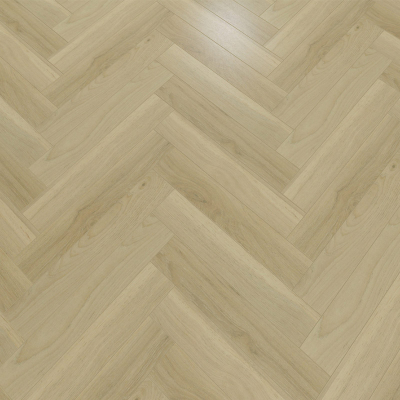
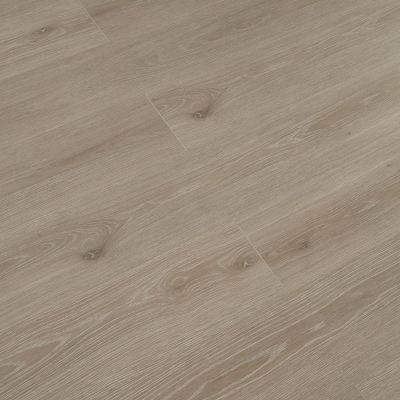
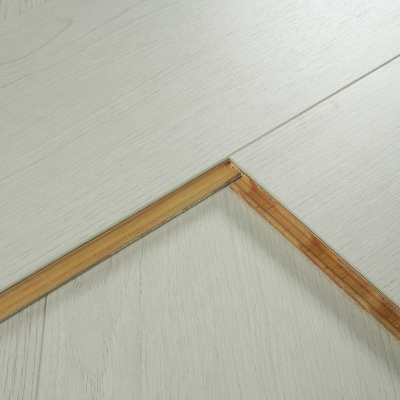
Rigid core spc vs traditional laminate pros and cons
Rigid core SPC vs traditional laminate pros and cons refers to a comparative evaluation of two flooring systems, focusing on structural performance, durability, moisture resistance, cost efficiency, and suitability for residential and commercial engineering applications.
Technical Specifications and Parameters
| Parameter | Rigid Core SPC | Traditional Laminate |
|---|---|---|
| Total Thickness | 4–8 mm | 7–12 mm |
| Core Material | Stone plastic composite | HDF (wood fiber) |
| Wear Layer | 0.3–0.7 mm PVC | AC3–AC5 overlay |
| Water Resistance | 100% Waterproof | Water-sensitive core |
| Impact Resistance | High | Moderate |
| Service Life | 15–25 years | 10–15 years |
Structure and Material Composition
Rigid Core SPC Structure
UV Coating: Scratch and stain protection
Wear Layer: Transparent PVC durability layer
Decor Film: High-resolution print layer
Rigid SPC Core: Limestone and PVC composite
Underlayment: Acoustic padding (IXPE/EVA)
Traditional Laminate Structure
Overlay Layer: Abrasion-resistant surface
Decor Layer: Printed paper
HDF Core: Wood-based fiberboard
Backing Layer: Balancing and moisture barrier
Manufacturing Process
Rigid Core SPC
Mix PVC resin and calcium carbonate
Extrude rigid core boards
Lamination of wear and decor layers
UV coating and curing
Click-lock system machining
Traditional Laminate
Produce HDF boards from wood fibers
Impregnate decor paper with resin
High-pressure lamination
Surface embossing and finishing
Cutting and click system profiling
Industry Comparison (Pros and Cons)
| Criteria | Rigid Core SPC | Traditional Laminate | Conclusion |
|---|---|---|---|
| Water Resistance | Excellent | Poor | SPC Advantage |
| Durability | High | Moderate | SPC Advantage |
| Cost | Medium | Lower | Laminate Advantage |
| Installation | Easy | Easy | Equal |
| Environmental Sensitivity | Low | High | SPC Advantage |
Application Scenarios
EPC Contractors: Commercial spaces requiring durability and moisture resistance
Developers: Residential projects with cost-performance balance
Distributors: Offering multiple product tiers
Facility Managers: Offices, retail stores, and public facilities
Core Pain Points and Solutions
Moisture Sensitivity: Use SPC flooring in wet or humid environments
Cost Constraints: Use laminate for budget-driven projects
Wear Performance: Select high wear layer SPC or AC5 laminate
Subfloor Issues: SPC tolerates minor unevenness better
Risk Warnings and Avoidance
Avoid installing laminate in high-moisture areas
Ensure proper subfloor preparation
Verify product certifications and specifications
Confirm click system quality to prevent joint failure
Procurement and Selection Guide
Define project conditions (humidity, traffic)
Compare lifecycle cost vs initial investment
Evaluate technical datasheets
Request physical samples
Verify supplier manufacturing capability
Check logistics and installation requirements
Include technical specs in procurement contract
Engineering Case Study
An office renovation project initially used traditional laminate flooring but faced swelling and joint failure due to humidity fluctuations. After switching to rigid core SPC flooring, the project achieved improved durability, reduced maintenance costs by 35%, and extended service life beyond 20 years.
FAQ
Q1: What is rigid core SPC?
A: A composite flooring with stone and PVC core.Q2: Is laminate waterproof?
A: No, it is moisture-sensitive.Q3: Which is more durable?
A: SPC flooring.Q4: Which is cheaper?
A: Laminate flooring.Q5: Can SPC be used in bathrooms?
A: Yes.Q6: What is AC rating?
A: Abrasion class for laminate flooring.Q7: Which is better for commercial use?
A: SPC flooring.Q8: Does laminate expand?
A: Yes, under moisture and temperature.Q9: How long does SPC last?
A: 15–25 years.Q10: How to choose?
A: Based on environment and budget.
Call to Action
Contact our team for detailed rigid core SPC vs traditional laminate pros and cons analysis, technical data sheets, and project-specific recommendations. Request samples and quotations to optimize your flooring procurement strategy.
E-E-A-T Authoritative Statement
This article is developed by flooring engineers and material specialists with over 10 years of experience in global supply and project execution, ensuring accurate and practical guidance for professional buyers and contractors.