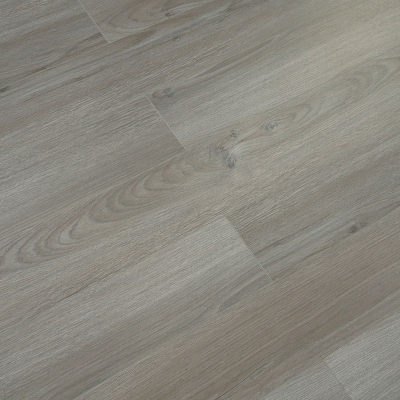
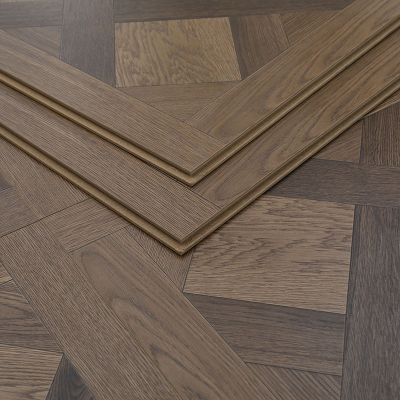
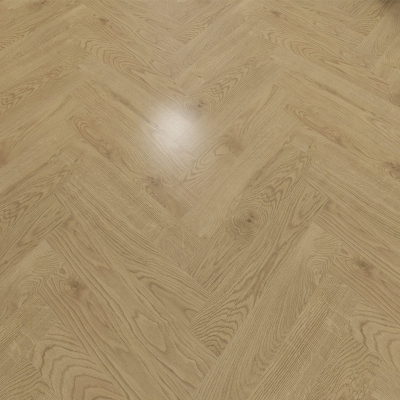
Laminate Flooring: Tech, Apps & Sustainability
Product Definition
Laminate Flooring: Tech, Apps & Sustainability refers to engineered multi-layer flooring systems that combine digital surface technology, standardized industrial manufacturing, and controlled environmental performance, designed for residential, commercial, and light-industrial applications requiring cost efficiency, durability, and scalable procurement.
Technical Parameters and Specifications
From a B2B engineering perspective, laminate flooring must meet measurable and repeatable technical benchmarks.
Panel thickness: 7 mm / 8 mm / 10 mm / 12 mm
Abrasion resistance: AC3 / AC4 / AC5 (EN 13329)
HDF core density: 830–900 kg/m³
Surface abrasion cycles: ≥4,000 (AC3), ≥6,000 (AC4), ≥9,000 (AC5)
Moisture swelling (24 h): ≤18%
Locking strength: ≥1,000 N (click-lock systems)
Formaldehyde emission: E1 / CARB Phase 2 compliant
Thermal resistance: ≤0.15 m²K/W (underfloor heating compatible)
Structure and Material Composition
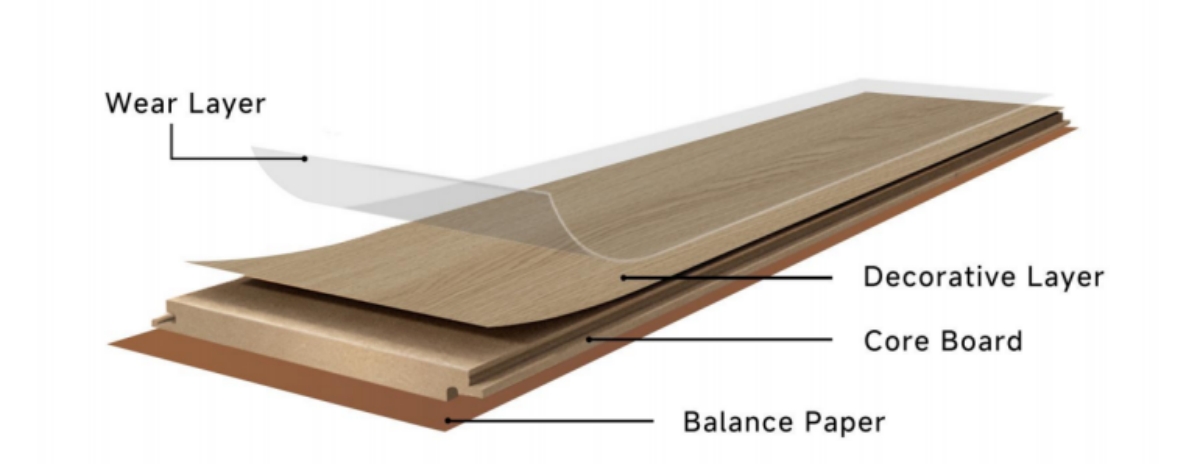
Laminate flooring is a layered composite product engineered for stability, wear resistance, and efficient mass production.
Overlay Layer: Melamine resin reinforced with aluminum oxide for wear protection
Decor Layer: Digitally printed paper using high-resolution wood or stone patterns
Core Layer: High-density fiberboard (HDF) providing structural strength
Balancing Layer: Moisture-resistant backing paper stabilizing the panel
Edge System: CNC-milled mechanical click-lock profile with wax sealing
Manufacturing Process
Technology leadership in laminate flooring is directly linked to controlled manufacturing processes and automation.
Wood fiber refining and controlled drying
HDF board pressing under high pressure
Decor paper impregnation with melamine resin
High-pressure hot pressing at 180–200°C
Surface texturing (EIR or matte finish)
CNC profiling of click-lock systems
Inline quality inspection and batch testing
Industry Comparison
| Criteria | Laminate Flooring | Engineered Wood | LVT / SPC | Ceramic Tile |
|---|---|---|---|---|
| Installation Method | Floating click | Glue / nail | Click / glue | Mortar |
| Installation Speed | Fast | Moderate | Fast | Slow |
| Dimensional Stability | High | Moderate | Very high | Very high |
| Cost Control | Strong | Limited | Moderate | Low |
Application Scenarios
Laminate flooring technology supports diverse professional applications.
Distributors: Standardized SKUs with consistent batch quality
EPC contractors: Fast installation for large-scale residential projects
Developers: Cost-controlled flooring for multi-unit developments
Facility managers: Durable surfaces for offices, schools, and hotels
Core Pain Points and Engineering Solutions
Moisture sensitivity: Addressed through sealed edges and vapor barriers
Surface wear in high traffic: Solved by specifying AC4–AC5 ratings
Installation errors: Reduced by standardized click-lock systems
Batch inconsistency: Controlled via automated pressing and QC systems
Risk Warnings and Mitigation
Despite technological advances, laminate flooring requires proper risk management.
Avoid installation on wet or uncured concrete slabs
Maintain site humidity between 40%–65%
Provide expansion gaps of 8–12 mm
Verify sustainability and emission certifications per batch
Procurement and Selection Guide
Define traffic class and abrasion requirements
Select thickness based on subfloor conditions
Confirm emission and sustainability certifications
Evaluate locking system performance data
Review supplier capacity and delivery stability
Request technical manuals and test reports
Conduct mock-up installation testing
Engineering Case Application
In a 20,000 m² mixed-use development, laminate flooring (AC4, 8 mm) was specified for residential and office areas. Floating installation reduced labor costs by 30%, while digitally printed decor layers ensured consistent visual quality across multiple construction phases.
FAQ
Q1: Is laminate flooring environmentally compliant? A: Yes, when E1 or CARB certified.
Q2: Can it be recycled? A: Partially, depending on local facilities.
Q3: Is underfloor heating compatible? A: Yes, within thermal limits.
Q4: What lifespan can be expected? A: Typically 10–20 years.
Q5: Is laminate suitable for commercial use? A: AC4 and AC5 grades are.
Q6: Does digital printing affect durability? A: No, durability depends on overlay.
Q7: Can damaged planks be replaced? A: Yes, with partial disassembly.
Q8: Is glue required? A: No, floating systems are standard.
Q9: How is sustainability improved? A: Through efficient material use and low emissions.
Q10: What documents should buyers request? A: Test reports and installation manuals.
Call to Action
For technical datasheets, sustainability documentation, engineering samples, or project-based quotations related to laminate flooring technology and applications, procurement and engineering teams are invited to request detailed technical information.
E-E-A-T Author Credentials
This article is written by a building materials technical specialist with more than 15 years of experience in flooring systems engineering, sustainable construction materials, and international B2B procurement advisory.