Flooring for Office Fit Out Companies
What Is Flooring for Office Fit Out Companies
From an engineering construction and commercial interior project management perspective, flooring for office fit out companies is defined as a flooring system selected and specified for the unique requirements of office interior fit-out projects—where installation speed, design versatility, durability, and budget constraints are paramount. Office fit-out companies specialize in transforming shell-and-core commercial spaces into functional, aesthetically pleasing workplaces for corporate clients. The office fit-out market is substantial, with the global commercial interior design market valued at over $150 billion annually, representing a significant opportunity for flooring manufacturers and suppliers.
The material requirements for office fit-out flooring are shaped by project timelines, client expectations, and the functional demands of modern workplaces. Fit-out projects typically have compressed schedules, requiring flooring that can be installed quickly with minimal disruption. The flooring must support the design vision of the interior designer while meeting the durability requirements of office environments. Additionally, the flooring must accommodate the technical requirements of modern offices, including underfloor cabling, access flooring, and integration with HVAC systems.
The essential distinction from other commercial flooring is the integration with the fit-out process—a coordinated sequence of construction activities that transforms raw space into a finished workplace. Fit-out companies require flooring solutions that can be installed efficiently within tight project schedules, with minimal disruption to other trades, and that meet the aesthetic and performance requirements of the corporate client. The selection must be based on installation speed, design flexibility, durability, and total project cost.
Manufacturing Process and Office-Grade Specifications
The production methods for office flooring determine installation efficiency, durability, and aesthetic consistency. Understanding manufacturing processes allows selection based on measurable properties that correlate to field performance.
Click-Lock vs Glue-Down Installation
Click-lock installation is preferred for office fit-outs due to its speed and ease of installation. Click-lock reduces installation time by 30-50% compared to glue-down methods. The floating floor system eliminates adhesive curing time. Planks can be walked on immediately after installation, accelerating project timelines.
Wear Layer and Durability for Offices
Office flooring requires wear layers that withstand rolling chair traffic and foot traffic. LVT and SPC with 0.3-0.5 mm wear layers are standard for office applications. AC4 ratings provide the abrasion resistance required for commercial office environments. The wear layer must resist scratches and scuffs from office furniture and foot traffic.
Technical Specifications for Office Fit-Outs
Installation Speed Comparison
| Material | Installation Method | Time per 100 m² | Occupancy Readiness | Best Application |
|---|---|---|---|---|
| LVT click-lock | Floating | 2-4 hours | Immediate | Open plan, private offices |
| SPC click-lock | Floating | 2-4 hours | Immediate | High-traffic areas |
| LVT glue-down | Adhesive | 4-8 hours | 24-48 hours | Reception, break rooms |
| Carpet tile | Adhesive | 4-8 hours | 24 hours | Quiet zones, meeting rooms |
| Broadloom carpet | Adhesive | 6-10 hours | 24 hours | Executive offices |
Durability and Traffic Ratings
| Area | Traffic Level | Recommended Material | Wear Layer | AC Rating |
|---|---|---|---|---|
| Open plan office | High | LVT/SPC | 0.3-0.5 mm | AC4 |
| Private offices | Moderate | LVT/carpet tile | 0.3 mm | AC3-AC4 |
| Meeting rooms | Moderate | LVT/carpet tile | 0.3 mm | AC3-AC4 |
| Reception | Very high | LVT/stone | 0.5-0.7 mm | AC4-AC5 |
| Break rooms | High | LVT/SPC | 0.3-0.5 mm | AC4 |
Acoustic Performance Requirements
| Area | IIC Requirement | STC Requirement | Recommended Solution |
|---|---|---|---|
| Open plan office | ≥50 dB | ≥50 dB | LVT + acoustic underlayment |
| Private offices | ≥50 dB | ≥50 dB | Carpet tile or LVT |
| Meeting rooms | ≥50 dB | ≥50 dB | Carpet tile |
Advantages in Real Projects
Installation Speed
Click-lock LVT and SPC reduce installation time significantly compared to glue-down alternatives. Installation can begin immediately after subfloor preparation. Planks can be walked on immediately, accelerating the fit-out schedule. Reduced installation time lowers labor costs.
Design Versatility
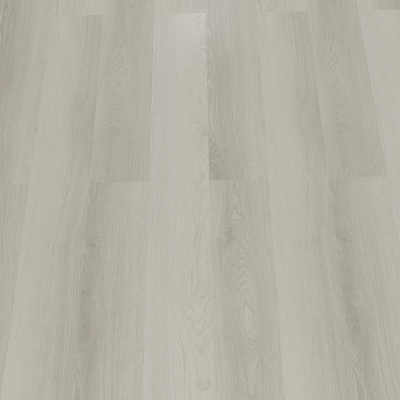
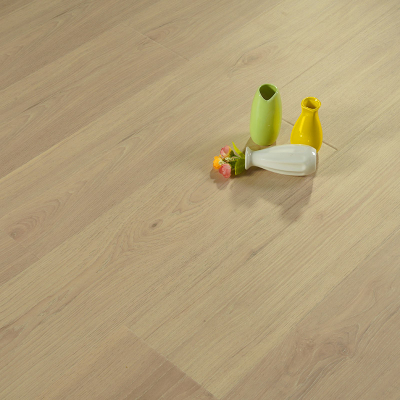
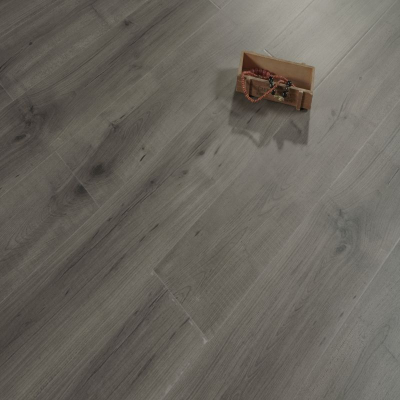
LVT offers extensive design flexibility for office fit-outs. A wide range of colors, patterns, and formats are available. Digital printing technology allows realistic wood, stone, and abstract designs. The design flexibility supports various office aesthetics.
Durability
Office flooring must withstand the demands of modern workplaces. LVT and SPC with appropriate wear layers resist scratches and scuffs. The durability reduces maintenance and replacement costs. Long service life supports client satisfaction.
Acoustic Performance
Acoustic comfort is essential for office productivity. Carpet tile provides inherent acoustic absorption. LVT with acoustic underlayment reduces impact noise. Acoustic performance contributes to occupant satisfaction.
Flooring for Office Fit Out Companies vs Other Systems
LVT vs Carpet vs Hardwood for Offices
| Parameter | LVT | Carpet | Hardwood |
|---|---|---|---|
| Installation speed | Fastest | Moderate | Slow |
| Design versatility | Excellent | Good | Limited |
| Durability | Excellent | Moderate | Good |
| Acoustic performance | Moderate (with underlayment) | Excellent | Poor |
| Cost ($/m²) | 30-60 | 25-50 | 60-120 |
Click-Lock vs Glue-Down for Fit-Outs
Click-lock is preferred for office fit-outs due to faster installation and immediate occupancy readiness. Glue-down provides a more permanent installation but requires longer installation time and cure period. Click-lock is recommended for projects with tight timelines.
Cost, Speed, and Performance Comparison
LVT provides the best balance of installation speed, design versatility, and durability for office fit-outs. Carpet tile provides superior acoustic performance. Hardwood provides premium aesthetics at higher cost and longer installation time.
Application Scenarios
Open Plan Office Fit-Outs
Open plan offices require durable, low-maintenance flooring that supports the collaborative workspace. LVT with acoustic underlayment provides durability and acoustic performance. The design flexibility supports brand identity. Installation speed supports project timelines.
Private Office Fit-Outs
Private offices require comfortable, professional flooring. Carpet tile provides acoustic comfort and warmth. LVT provides a modern, clean appearance. The choice depends on client preference and budget.
Meeting Room Fit-Outs
Meeting rooms require flooring that supports acoustic performance. Carpet tile provides inherent acoustic absorption. LVT with acoustic underlayment is also suitable. The flooring should support the design vision.
Reception Area Fit-Outs
Reception areas require premium flooring that creates a positive first impression. LVT provides the design flexibility for reception areas. Stone and engineered hardwood are also suitable for premium projects.
Break Room Fit-Outs
Break rooms require waterproof, easy-to-clean flooring. LVT and SPC provide the required performance. The flooring should resist spills and stains.
Installation Guide for Office Fit-Outs
Substrate Preparation
Ensure subfloor is smooth, dry, and level. Repair any damage before installation. Test moisture for concrete subfloors. Coordinate with other trades for timeline.
Material Selection
Select flooring based on project requirements. Consider installation speed, durability, and design. Evaluate acoustic performance requirements. Specify appropriate wear layer thickness.
Installation Coordination
Coordinate installation with other trades. Schedule installation to minimize disruption. Allow for acclimation before installation. Plan for phased installation if required.
Quality Assurance
Inspect material upon delivery. Verify color consistency across the order. Conduct pre-installation testing. Document installation for warranty purposes.
Common Installation Mistakes
Installing over uneven subfloor causes telegraphing. Insufficient acclimation results in dimensional changes. Incorrect adhesive selection leads to bond failure. Poor seam construction compromises appearance.
Common Problems & Solutions
Schedule Compression
The challenge: Fit-out projects have compressed schedules requiring fast installation. The solution is using click-lock LVT or SPC for rapid installation. Prefinished products eliminate finishing time. Phased installation allows partial occupancy.
Design Changes
The challenge: Design changes during the fit-out process affect flooring selection. The solution is selecting versatile products that accommodate design changes. LVT offers wide design flexibility. Samples should be approved before ordering.
Acoustic Issues
The challenge: Open plan offices require acoustic performance. The solution is specifying acoustic underlayment for LVT. Carpet tile provides inherent acoustic absorption. Acoustic performance should be confirmed with testing.
Budget Constraints
The challenge: Fit-out budgets require cost-effective flooring solutions. The solution is selecting LVT or laminate for cost-effective durability. Value engineering should not compromise quality.
FAQ
What is the best flooring for office fit-outs?
LVT is the most common flooring for office fit-outs due to its installation speed, design versatility, and durability. Click-lock LVT provides the fastest installation and immediate occupancy readiness. Carpet tile provides superior acoustic performance.
How long does office fit-out flooring take to install?
Click-lock LVT installation takes 2-4 hours per 100 m². Glue-down LVT takes 4-8 hours per 100 m². Carpet tile takes 4-8 hours per 100 m². The specific time depends on the material and installation conditions.
**What is the most cost-effective office flooring?
LVT provides the best balance of cost, durability, and design versatility for office fit-outs. Laminate provides lower cost but less durability. Carpet tile provides acoustic performance at moderate cost.
**Is carpet still used in office fit-outs?
Yes, carpet tile is still used in office fit-outs, particularly for acoustic performance in quiet zones and meeting rooms. Carpet provides warmth and comfort. Carpet tile allows targeted replacement of worn areas.
**What flooring is best for open plan offices?
LVT with acoustic underlayment is best for open plan offices, providing durability and acoustic performance. Carpet tile provides superior acoustic absorption. The choice depends on the design and performance requirements.
**How does flooring affect office acoustics?
Flooring significantly affects office acoustics through impact sound reduction and sound absorption. Carpet provides excellent sound absorption. LVT with acoustic underlayment reduces impact noise. Hard flooring without underlayment can create echo.
**What is the lifespan of office flooring?
LVT and SPC typically last 10-15 years in office environments. Carpet tile lasts 8-12 years. Hardwood lasts 15-25 years. The lifespan depends on traffic levels and maintenance practices.
**Can office flooring be installed over existing flooring?
Yes, some LVT and SPC products can be installed over existing flooring with proper substrate preparation. The existing floor must be smooth, clean, and structurally sound. Installation over existing flooring saves time and demolition costs.
Industry Standards and Certifications
EN/ASTM Standards
EN 14041 provides product standards. EN ISO 10874 provides use class classification. ASTM C1028 provides slip resistance testing. ASTM F1914 provides indentation resistance testing.
Building Codes
IBC requirements for commercial buildings include fire safety and accessibility standards. Accessibility requires slip resistance. Multi-story buildings require acoustic performance.
Sustainability Certifications
Greenguard Gold ensures low VOC emissions. FloorScore provides indoor air quality certification. EPD documentation provides environmental impact data.
What These Standards Mean for Fit-Outs
EN/ASTM standards ensure product performance. Building codes ensure compliance. Sustainability certifications support client requirements. For procurement, require EN/ASTM compliance, building code compliance, and sustainability documentation.
Conclusion
The selection of flooring for office fit out companies is determined by three engineering criteria: installation speed (reducing project timelines), design versatility (supporting client requirements), and durability (ensuring long-term performance). LVT provides the optimal balance for most office fit-out applications.
Click-lock LVT with appropriate wear layers and acoustic underlayment is recommended for open plan offices and general office areas. Carpet tile is recommended for quiet zones and meeting rooms where acoustic performance is prioritized. SPC is recommended for high-traffic areas and ground-floor installations.
The risk priority order for office fit-out flooring includes schedule compression, design changes, acoustic issues, and budget constraints. Cost versus performance trade-off favors LVT for its combination of installation speed, design versatility, and durability.
For office fit out companies optimizing project efficiency, client satisfaction, and project profitability, LVT with documented performance characteristics and coordinated installation planning provides the optimal balance of material performance and project success.