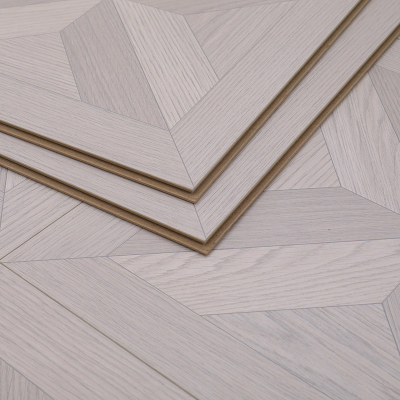
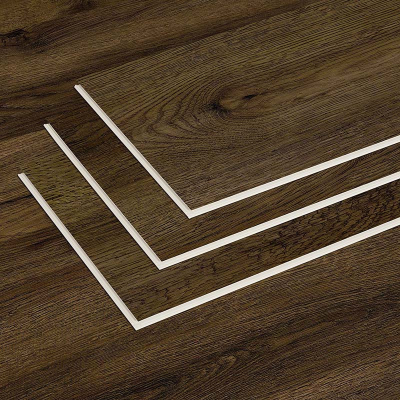
Commercial Flooring Material Comparison
Commercial flooring material comparison refers to the technical evaluation of flooring systems used in high-traffic public and business environments, including SPC, LVT, WPC, laminate, carpet tile, and ceramic tile. The comparison focuses on durability, structural composition, fire rating, installation efficiency, lifecycle cost, and compliance.
Technical Parameters and Specifications
An effective commercial flooring material comparison must rely on measurable engineering indicators rather than marketing claims.
Total Thickness: 2.0–12 mm depending on material
Wear Layer (Resilient Flooring): 0.3–0.7 mm (commercial ≥0.5 mm)
Abrasion Rating (Laminate): AC4–AC6
Surface Hardness (Tile): PEI Class III–V
Slip Resistance: R9–R11 (EN 13893 / DIN 51130)
Fire Classification: Bfl-s1 (resilient), A1 (ceramic)
Impact Sound Reduction: 10–20 dB (with underlayment)
Dimensional Stability (SPC): ≤0.1%
Moisture Resistance: Waterproof (SPC/LVT/tile), Moderate (laminate)
These parameters form the technical backbone of any reliable commercial flooring material comparison for procurement managers and consultants.
Structure and Material Composition
The structural composition of each category significantly affects performance outcomes in a commercial flooring material comparison.
SPC (Stone Plastic Composite)
UV Coating
PVC Wear Layer
Decor Film
Rigid Limestone Composite Core
Balance Layer / IXPE Pad
LVT (Luxury Vinyl Tile)
UV Coating
Wear Layer
Printed Film
Flexible PVC Base
Laminate Flooring
Overlay Wear Layer
Decor Paper
HDF Core
Balancing Layer
Carpet Tile
Nylon/PP Fiber Surface
Primary Backing
Bitumen or PVC Backing
Ceramic/Porcelain Tile
Glaze Layer
Porcelain Body (Kiln Fired)
Understanding structural layers is critical in a precise commercial flooring material comparison.
Manufacturing Process
Resilient Flooring (SPC/LVT/WPC)
Raw material mixing
Extrusion or calendaring
Hot pressing and lamination
UV coating curing
Click profiling (for floating systems)
Laminate Flooring
HDF board pressing
Decor impregnation
High-pressure lamination
Click milling
Ceramic Tile
Powder pressing
High-temperature kiln firing (≥1200°C)
Glazing and polishing
Manufacturing complexity and energy consumption are relevant factors in lifecycle analysis within a commercial flooring material comparison.
Industry Comparison Table
| Criteria | SPC | LVT | Laminate | Carpet Tile | Ceramic Tile |
|---|---|---|---|---|---|
| Water Resistance | Excellent | Excellent | Moderate | Low | Excellent |
| Impact Resistance | High | Medium | Medium | Low | Very High |
| Acoustic Comfort | Moderate | Moderate | Low | High | Low |
| Installation Speed | Fast | Medium | Fast | Fast | Slow |
| Maintenance Cost | Low | Low | Medium | High | Low |
This table provides a structured commercial flooring material comparison suitable for EPC tender evaluation.
Application Scenarios
Retail Centers: SPC or ceramic for high abrasion resistance
Office Buildings: Carpet tile for acoustic comfort, SPC for corridors
Healthcare: Homogeneous vinyl or SPC with antibacterial coating
Hospitality: WPC or carpet tile for guest rooms
Educational Facilities: SPC or laminate (AC5)
Each application type requires a tailored commercial flooring material comparison based on traffic and compliance standards.
Core Pain Points and Solutions
1. Heavy Traffic Wear
Solution: Select ≥0.5 mm wear layer SPC or PEI IV ceramic.
2. Moisture-Prone Subfloors
Solution: Use waterproof rigid core systems or tile.
3. Acoustic Requirements
Solution: Choose carpet tile or SPC with IXPE backing.
4. Installation Timeline Constraints
Solution: Floating click systems reduce curing time.
Addressing these challenges strengthens decision-making in commercial flooring material comparison processes.
Risk Warnings and Mitigation
Verify subfloor flatness tolerance (≤3 mm over 2 m).
Ensure moisture testing before laminate installation.
Confirm slip rating compliance for public buildings.
Consider expansion gaps for floating systems.
Check VOC emission certifications for enclosed spaces.
Procurement Selection Guide
Define building usage classification.
Assess expected daily foot traffic volume.
Confirm fire safety compliance requirements.
Evaluate lifecycle cost (material + installation + maintenance).
Request technical data sheets and test reports.
Inspect locking system or joint durability samples.
Review supplier production capacity and lead time.
Conduct mock-up installation before bulk order.
A structured procurement workflow ensures reliable outcomes from a commercial flooring material comparison.
Engineering Case Study
Project: 40,000 m² commercial office complex
Requirement: High-traffic lobby + acoustic workspace zones
Porcelain tile (PEI IV) was selected for lobby areas to withstand trolley loads. SPC (5.0 mm, 0.5 mm wear layer) was installed in corridors. Carpet tile with nylon fiber was used in open offices to achieve 18 dB impact sound reduction. The combined specification reduced maintenance cost by approximately 12% over five years.
This project illustrates a practical commercial flooring material comparison implemented through zoned material strategy.
FAQ
Q: Which material lasts longest?
A: Ceramic tile typically exceeds 20 years.Q: Best for heavy retail?
A: SPC or porcelain tile.Q: Lowest maintenance option?
A: SPC or ceramic.Q: Fastest installation?
A: Click-lock SPC or carpet tile.Q: Suitable for underfloor heating?
A: SPC, LVT, and tile.Q: Fire-safe option?
A: Ceramic (A1 classification).Q: Most comfortable underfoot?
A: Carpet tile or WPC.Q: Budget-sensitive projects?
A: LVT or AC4 laminate.Q: Can materials be combined?
A: Yes, zoned specification is common.Q: What is typical warranty?
A: 10–20 years commercial grade.
Request Quotation or Technical Documentation
For project-specific recommendations based on your commercial flooring material comparison, please provide floor plans, traffic classification, fire requirements, and target budget. Technical teams can supply compliance reports, engineering samples, and lifecycle cost analysis for tender submission.
Author & Industry Expertise (E-E-A-T)
This article was prepared by a commercial flooring technical consultant with over 12 years of experience in international EPC projects and large-scale procurement. The data reflects common EN and ISO performance standards used in commercial building specifications.