Best Waterproof Flooring for Kitchen
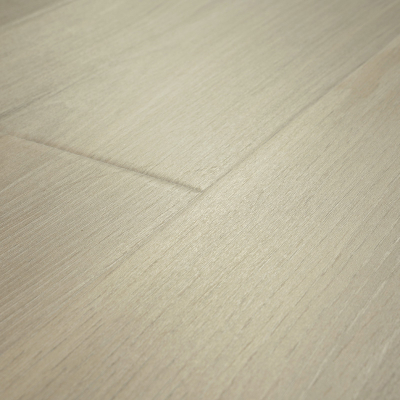
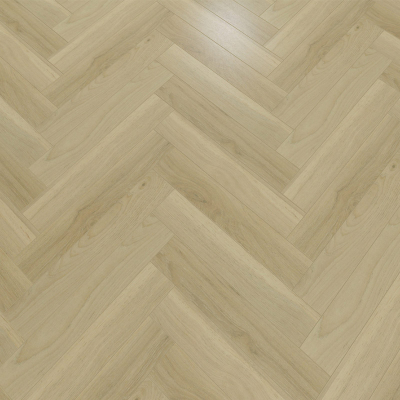
Best waterproof flooring for kitchen refers to engineered flooring materials designed to resist water penetration, humidity, food spills, and cleaning chemicals commonly present in kitchen environments. These floors combine waterproof cores, wear-resistant surfaces, and stable structures to ensure long-term durability in residential and commercial kitchen installations.
Technical Parameters and Specifications
When evaluating the best waterproof flooring for kitchen projects, procurement managers and contractors should review several key performance parameters.
| Parameter | Typical Range | Engineering Purpose |
|---|---|---|
| Total Thickness | 4 mm – 12 mm | Structural strength and walking comfort |
| Wear Layer Thickness | 0.3 mm – 0.7 mm | Scratch and abrasion resistance |
| Water Absorption | < 0.1% | Prevents swelling and deformation |
| Impact Resistance | ≥ 1600 mm drop test | Protection against dropped utensils |
| Slip Resistance | R9 – R11 | Improves safety in wet kitchens |
| Dimensional Stability | ≤ 0.15% | Reduces expansion in humidity |
| Fire Rating | Bfl-s1 or equivalent | Compliance with building codes |
For most commercial kitchens and residential renovation projects, SPC or waterproof laminate systems are typically considered the best waterproof flooring for kitchen installations due to their rigid core and sealed locking structures.
Structure and Material Composition
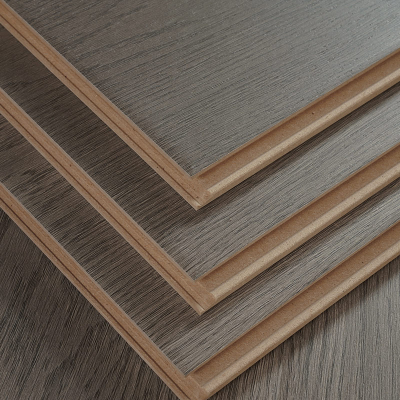
Modern waterproof kitchen flooring uses a multi-layer engineering structure designed for moisture resistance and mechanical stability.
UV Coating Layer – protects surface from stains, oil, and cleaning chemicals
Wear Layer – transparent protective layer resisting abrasion and scratches
Decorative Film – high-resolution print simulating wood, stone, or tile
Rigid Waterproof Core – SPC, WPC, or waterproof laminate core for structural stability
Balance Layer – stabilizes panel to prevent warping
Optional Acoustic Underlayment – improves sound insulation and comfort
This layered design ensures that the best waterproof flooring for kitchen maintains structural integrity even when exposed to standing water, frequent cleaning, and high foot traffic.
Manufacturing Process
The production of high-performance waterproof kitchen flooring involves several controlled engineering stages.
Raw Material Preparation
PVC resins, calcium carbonate, wood fiber composites, or HDF cores are prepared and mixed with stabilizers.Core Layer Extrusion or Pressing
SPC cores are produced through high-pressure extrusion lines, while laminate cores are hot-pressed HDF boards.Decorative Film Lamination
High-definition décor films are thermally bonded to the core surface.Wear Layer Application
Transparent wear layers are applied and fused using high-pressure lamination equipment.UV Surface Coating
Multiple UV-cured coatings enhance stain resistance and durability.Precision Cutting and Click Lock Milling
CNC milling machines create locking systems such as Unilin or Valinge click profiles.Quality Inspection
Each batch undergoes dimensional stability tests, water resistance tests, and wear simulations.
Strict process control is essential for producing the best waterproof flooring for kitchen that can withstand heavy-duty usage conditions.
Industry Comparison
| Material | Water Resistance | Installation | Cost Level | Typical Use |
|---|---|---|---|---|
| SPC Flooring | 100% waterproof | Click lock floating | Medium | Residential & commercial kitchens |
| Waterproof Laminate | Highly water-resistant | Click lock | Medium | Residential kitchens |
| Ceramic Tile | Fully waterproof | Adhesive installation | High | Commercial kitchens |
| Vinyl Sheet | Waterproof | Glue-down | Low | Budget renovation |
| Solid Hardwood | Poor | Nail or glue | High | Not recommended for kitchens |
For most renovation projects, SPC flooring and waterproof laminate represent the best waterproof flooring for kitchen when balancing durability, cost, and installation speed.
Application Scenarios
The best waterproof flooring for kitchen is widely used in the following project types:
Residential kitchen renovations
Apartment development projects
Hotel kitchenette installations
Restaurant preparation areas
Rental property refurbishments
Modular housing construction
Distributors and contractors often select waterproof flooring systems because they simplify installation and reduce maintenance costs.
Core Pain Points and Engineering Solutions
1. Water Penetration at Joints
Kitchen spills frequently infiltrate floor seams. Modern click-lock waterproof systems include sealed joints and edge coatings to block moisture intrusion.
2. Swelling of Traditional Flooring
Standard laminate or wood flooring expands when exposed to water. SPC and waterproof laminate cores maintain dimensional stability.
3. Slip Hazard in Wet Conditions
Textured wear layers with R9–R11 slip ratings improve safety in wet kitchen environments.
4. Frequent Cleaning and Chemical Exposure
UV-coated surfaces resist grease, detergents, and acidic cleaning agents used in kitchen maintenance.
Risk Warnings and Avoidance Strategies
Verify that flooring is certified waterproof, not just water-resistant.
Ensure click-lock edges include wax or waterproof coating.
Confirm wear layer thickness for commercial kitchens.
Check dimensional stability test results before procurement.
Inspect packaging and storage conditions to avoid deformation.
Procurement and Selection Guide
Define the project environment (residential, hospitality, commercial kitchen).
Select the appropriate core material (SPC, waterproof laminate, or vinyl).
Confirm technical specifications including wear layer thickness.
Verify product certifications such as CE, FloorScore, or ISO.
Request installation system details and locking profile drawings.
Evaluate supplier manufacturing capacity and quality control systems.
Request sample boards for water resistance testing.
Following these steps helps procurement teams identify the best waterproof flooring for kitchen installations with minimal lifecycle risk.
Engineering Case Example
A 220-unit apartment development project required durable kitchen flooring that could withstand heavy tenant use and frequent cleaning.
The contractor selected 5 mm SPC flooring with a 0.5 mm wear layer and integrated IXPE underlayment.
Project Size: 4,500 m² kitchen flooring area
Installation Method: Floating click-lock system
Installation Time: 12 working days
Maintenance Result: No swelling or seam damage after 18 months
This project demonstrated that SPC flooring can function as the best waterproof flooring for kitchen in multi-unit housing developments.
FAQ
1. What flooring is completely waterproof for kitchens?
SPC flooring, vinyl sheet, and ceramic tile are considered fully waterproof materials.
2. Is laminate flooring suitable for kitchens?
Standard laminate is not recommended, but waterproof laminate with sealed edges can perform well.
3. What thickness is recommended?
Typically 4–6 mm SPC flooring or 8–12 mm laminate flooring for residential kitchens.
4. Does waterproof flooring require underlayment?
Many SPC products include attached IXPE underlayment for acoustic performance.
5. Can waterproof flooring handle standing water?
SPC flooring can tolerate standing water for extended periods without structural damage.
6. What slip rating is recommended for kitchens?
R9 to R11 slip resistance is typically recommended.
7. Is installation difficult?
Most waterproof flooring uses click-lock floating installation requiring minimal tools.
8. What is the expected lifespan?
High-quality SPC flooring typically lasts 15–25 years in residential kitchens.
9. Is waterproof flooring environmentally certified?
Many products comply with FloorScore or E1 emission standards.
10. Can it be installed over existing floors?
Yes, SPC flooring can often be installed over tile or concrete substrates.
Request Technical Documents or Quotation
If you are evaluating the best waterproof flooring for kitchen for a construction project, distributor network, or procurement program, request the following documentation before placing an order:
Technical data sheet (TDS)
Water resistance test reports
Installation guidelines
Engineering samples
Project quotation and lead time
Contact our engineering team to obtain product specifications, project consultation, and factory quotations.
Author Expertise (E-E-A-T)
This technical guide was prepared by flooring industry specialists with more than 12 years of experience in engineered flooring manufacturing, international building material supply, and construction project consultation. The content is designed to assist procurement managers, contractors, and distributors in selecting reliable waterproof flooring systems for kitchen environments.