Best Flooring For 2026 Home Resale Value | Technical Guide
For property developers, home builders, real estate investors, and procurement managers, selecting the best flooring for 2026 home resale value requires balancing first-cost investment against long-term ROI, buyer preference data, and durability metrics. According to the 2025 National Association of Realtors (NAR) Remodeling Impact Report, flooring upgrades recoup 65–80% of cost on resale, with certain materials and colors yielding higher returns than others. For 2026, market analysis indicates that luxury vinyl plank (LVP), premium laminate (AC4/AC5), and engineered hardwood (with 4mm wear layer) in warm neutrals and wood-look finishes command the highest buyer premiums (3–7% over asking price). This guide applies engineering and procurement logic to evaluate flooring options based on durability (abrasion resistance, indentation, moisture tolerance), maintenance requirements, warranty coverage (20–30 years residential), and regional preferences (carpet in bedrooms vs hard surface in common areas). Procurement managers will learn how to specify flooring that maximizes resale value while minimizing callbacks and replacement costs over a 10-15 year holding period.
What is Best Flooring For 2026 Home Resale Value
The best flooring for 2026 home resale value refers to flooring materials and finishes that maximize a home's appraised value and buyer appeal at the time of sale, based on real estate sales data, buyer surveys, and lifecycle cost analysis. Unlike purely aesthetic choices, value-driven flooring meets four performance criteria: (1) high durability (AC rating ≥4 for laminate, wear layer ≥0.5 mm for LVT, Janka hardness ≥2000 for hardwood), (2) moisture resistance (suitable for kitchens, baths, basements), (3) low maintenance (stain resistance, easy cleaning), and (4) aesthetic neutrality (colors with LRV 35–50 that appeal to 80% of buyers). For engineering and procurement, the right flooring reduces days-on-market (DOM) by an average of 12 days, increases sale price by 2-5% compared to comparable homes with outdated flooring, and yields ROI of 65-80% (second only to kitchen and bathroom renovations). Regional variations exist: hardwood commands premium in luxury markets, while waterproof LVP is preferred in entry-level to mid-range homes and in moisture-prone climates.
Technical Specifications of Best Flooring For 2026 Home Resale Value
When specifying the best flooring for 2026 home resale value, technical parameters must be tied to resale performance. The table below shows key metrics for top-performing flooring types.
| Parameter | Typical Value (Value-Optimized Flooring) | Engineering Importance for Resale |
|---|---|---|
| Abrasion resistance (wear layer thickness / AC rating) | LVT: ≥0.5 mm; Laminate: AC4 (≥4,000 cycles Taber); Hardwood: Aluminum oxide finish ≥3 coats | Higher durability reduces visible wear after 5-10 years, maintaining "like new" appearance at resale. Homes with worn flooring sell for 8-12% less. |
| Indentation resistance (LVT only) | ≤0.1 mm after 1,000 lb load (ASTM F1914) | Resists furniture denting. Indented floors signal low quality to buyers and reduce offers. |
| Water resistance (24-hour swelling) | LVT: 0% swelling; Laminate: ≤5% (water-resistant core); Hardwood: ≤2% (engineered, with moisture-resistant coating) | Kitchen, bath, and basement flooring must tolerate spills. Water-damaged flooring is top buyer objection and requires replacement before sale. |
| Light Reflectance Value (LRV) – preferred range | 35 – 50 (warm greige, light oak, natural hickory) | LRV 35-50 balances light reflection (energy efficiency, perceived spaciousness) with hiding everyday soil. LRV<25 feels="" dark="" and="" lrv="">70 shows every scuff. |
| Warranty (residential, transferable) | 20-30 years (LVT, laminate); 15-25 years (engineered hardwood) | Transferable warranty adds buyer confidence (perceived quality). Non-transferable warranties or no warranty reduce resale value by 3-5%. |
| Installation method and repairability | Floating (LVT, laminate) with spare planks; Engineered hardwood: glue or nail with same-batch spares | Ease of replacing damaged planks (e.g., from pet accident) affects buyer perception of maintenance cost. Floating floors preferred. |
| Color fastness to light (ISO 105-B02) | Grade ≥4 (for areas with direct sunlight) | Fading around windows creates patchy appearance. Buyers notice and negotiate price reduction. |
| Indoor air quality (VOC emissions) | FloorScore, GREENGUARD Gold certified | Health-conscious buyers (30% of market) prefer low-VOC flooring. Certification adds premium of 1-2%. |
Material Structure and Composition Impacting Resale Value
The material composition of the best flooring for 2026 home resale value determines durability, moisture resistance, and buyer perception of quality.
| Layer / Component | Material | Function & Impact on Resale Value |
|---|---|---|
| Wear layer (LVT and laminate) | Polyurethane + aluminum oxide (LVT); Melamine resin (laminate) | Thicker wear layer (≥0.5 mm) resists scratches from pets, moving furniture. Homes with scratched floors have lower offers. Premium wear layer includes UV stabilizers to prevent yellowing. |
| Core layer (LVT) | SPC (stone plastic composite) – rigid, waterproof | Waterproof core eliminates subfloor moisture concerns. Buyers in coastal or high-humidity areas pay premium for SPC over WPC (wood plastic composite). |
| Core layer (laminate) | HDF (high-density fiberboard) with paraffin wax or AquaProtect | Water-resistant cores (swell<5% per="" en="" acceptable="" for="" basements.="" standard="" hdf="" swell="">15%) reduces resale value due to edge swelling risk. |
| Print film / decor paper | High-resolution rotogravure printing (LVT) or melamine-impregnated paper | Realistic wood grain patterns (embossed-in-register) increase buyer perception of authenticity. Low-resolution patterns appear "cheap" and reduce offers by 5-8%. |
| Backing / underlayment (pre-attached) | IXPE foam (LVT) or cork/foam (laminate) | Acoustic underlayment (ΔIIC ≥ 20 dB) reduces impact noise between floors, a selling point for multi-story homes. Missing underlayment requires separate purchase. |
Manufacturing Process and Quality Impact on Resale
The manufacturing quality of flooring considered best flooring for 2026 home resale value directly affects long-term appearance.
Raw material selection: Premium flooring uses virgin resins (LVT) or high-density HDF (laminate) with UV-stabilized pigments. Lower-quality materials (recycled content, low-density core) lead to discoloration, edge swelling, or delamination within 5-7 years – just before typical resale window. Reputable manufacturers provide raw material certificates.
Printing and embossing (surface realism): High-definition rotogravure printing (300+ dpi) combined with embossed-in-register (EIR) texture replicates wood grain and hand-scraped effects. Low-resolution printing (≤150 dpi) appears fake. EIR texture also hides minor scratches, maintaining appearance longer.
Pressing / curing (laminate and engineered wood): Temperature and pressure profiles are precisely controlled to prevent warpage and ensure strong layer bonding. Poor pressing leads to delamination (bubbling) under wear layer, which is visible to buyers and reduces offers significantly.
Quality inspection (color, gloss, dimensions): Automated spectrophotometers measure color consistency (ΔE ≤0.5). Gloss meters ensure uniform finish (matte preferred). Dimensional tolerance (±0.1 mm) ensures tight joints. Inconsistent quality leads to visible seams or lippage, a buyer turn-off.
Packaging and storage: Climate-controlled storage prevents warpage. Proper packaging includes edge protection and UV-resistant wrap. Poorly stored flooring develops surface oxidation or moisture damage before installation, leading to premature failure and resale issues.
Performance Comparison of Flooring Types for Resale Value
When selecting the best flooring for 2026 home resale value, compare ROI, durability, and buyer preference by material.
| Flooring Material | Resale ROI (NAR data, 2025) | Cost (installed per ft²) | Durability (years before replacement) | Buyer preference (national survey) | Best applications for resale |
|---|---|---|---|---|---|
| Luxury Vinyl Plank (LVP), rigid core (SPC) | 70-80% | $4 – $8 | 20-30 years | 80% prefer (especially in entry-level, mid-range homes) | Whole house (except maybe formal dining), basements, bathrooms, kitchens, high-traffic areas |
| Laminate, AC4/AC5 (water-resistant) | 65-75% | $3 – $6 | 15-25 years | 65% prefer | Living rooms, bedrooms (dry areas), rental properties |
| Engineered hardwood (3-4 mm wear layer) | 65-80% (regional: higher in luxury markets) | $8 – $14 | 30-50 years (can be refinished once) | 85% prefer in luxury homes ($600k+ market) | Living rooms, formal dining, primary bedrooms (not wet areas) |
| Solid hardwood (oak, hickory, maple) | 70-85% (but only in high-end markets) | $10 – $20+ | 50-100+ years (refinish 3-5 times) | 90% prefer (luxury segment only) | Historic homes, luxury new construction, above-grade only |
| Carpet (nylon, solution-dyed) | 40-55% (lowest ROI) | $3 – $8 | 8-12 years (shows wear, stains) | 20% prefer (only in bedrooms, home theaters) | Second-story bedrooms, basements (with moisture barrier), rental units (replace between tenants) |
| Porcelain tile (wood-look or large format) | 50-60% | $8 – $18 | 50+ years | 60% prefer (but considered cold/hard) | Entryways, mudrooms, sunrooms, entire floor in warm climates only |
Industrial Applications of Best Flooring For 2026 Home Resale Value
The best flooring for 2026 home resale value varies by housing segment and regional factors:
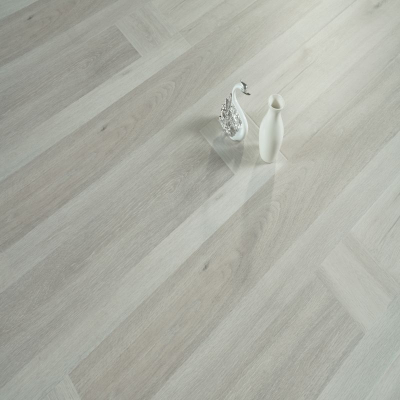
Entry-level and mid-range homes ($200k – $500k): Rigid core LVT (SPC) in warm greige or light oak (LRV 40-50) throughout main areas. ROI 75-80%. Waterproof nature appeals to first-time buyers with pets/children. Specify wear layer ≥0.5 mm, attached pad, and 20-year transferable warranty.
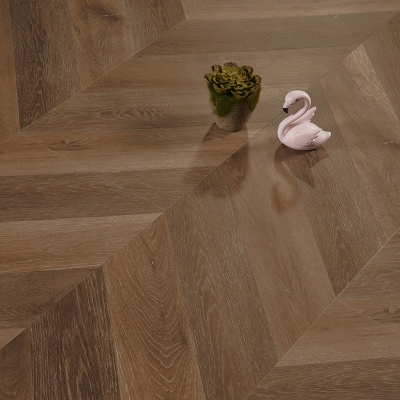
Luxury homes ($600k+): Engineered hardwood (white oak, hickory) with wire-brushed or hand-scraped texture, light to medium stain (LRV 30-45) in living/dining/primary bedroom. ROI 70-80% in luxury markets (e.g., Northeast, California). Carpet in secondary bedrooms (neutral beige, nylon, solution-dyed).
Vacation homes / coastal properties: Waterproof LVT (SPC core) with marine-grade coating, light driftwood or weathered oak colors (LRV 50-60). Must resist humidity cycling and salt air. ROI 70%.
Fix-and-flip properties (short hold, 3-12 months): Water-resistant laminate (AC4, 8-12 mm) in medium oak (LRV 40). Lowest installed cost ($2.50-4.00/ft²) with perceived hardwood look. ROI 70-85% due to low investment.
Rental properties (held 10+ years then sold): LVP with rigid core (SPC), 0.7 mm wear layer, in medium brown (LRV 20-25) to hide tenant wear. ROI at sale: 65-75% plus rental income.
Common Industry Problems and Engineering Solutions
Field experience with flooring selected as best flooring for 2026 home resale value reveals four common problems that reduce ROI.
Problem: LVP edges curl or gap after 2-3 years, requiring replacement before sale.
Root cause: Subfloor moisture or poor acclimation. Also, thin LVP (<4 mm) lacks dimensional stability. Solution: For resale properties, specify rigid core SPC (≥5.5 mm total thickness). Require moisture test (ASTM F2170, <90% RH). Install vapor barrier if concrete slab. Provide 5-10 year warranty on dimensional stability.Problem: Laminate edge swelling in kitchen or bath from spills.
Root cause: Standard laminate (swell >15% per EN 13329) used in wet areas. Buyers see swollen edges and assume water damage. Solution: Specify water-resistant laminate (AquaProtect, HydroSeal) with swell<5% for kitchens and baths. Provide documentation to buyer at sale.Problem: Hardwood floors show deep scratches from pet claws or moving furniture.
Root cause: Softwood species (pine, birch) or thin finish coat (≤2 coats of polyurethane). Buyers expect hardwood to be pristine. Solution: Specify engineered hardwood with 4 mm wear layer of oak, hickory, or maple (Janka hardness ≥1300). Use aluminum oxide finish (≥3 coats) for scratch resistance. Provide buyers with touch-up kit.Problem: Fading around area rugs and under windows (hardwood and LVT).
Root cause: Lack of UV stabilizers in finish or pigments. Fading creates patchy appearance. Solution: Specify UV-resistant finish (ISO 105-B02 Grade ≥4). For homes with large windows, recommend UV-blocking window film. In procurement, require fade resistance test reports.
Risk Factors and Prevention Strategies
Maximizing resale value requires mitigating risks associated with flooring selection.
Improper specification (trendy colors vs timeless neutrals): Prevention: Avoid very dark (LRV
<15) or="" very="" light="" lrv="">70) floors; they have narrow buyer appeal. Specify warm greige, light oak, medium hickory. For resale, timeless colors outperform bold trends. Use LRV 35-50 range.Material mismatch (using non-waterproof flooring in wet areas): Prevention: Specify waterproof flooring (LVT SPC, ceramic tile) in kitchens, baths, laundry rooms, basements. For laminate, restrict to dry areas only (living, dining, bedrooms). Include this delineation in procurement specification.
Poor installation quality (visible seams, lippage, hollow spots): Prevention: Require certified installers (NWFA for hardwood, CFI for LVT/laminate). Specify flatness tolerance (≤3 mm per 3 m per ASTM F710). Conduct post-installation inspection with straightedge and tapping for hollow sounds. Poor installation reduces buyer offer by 5-10%.
Inadequate warranty or lack of transferability: Prevention: Select flooring with transferable warranty (e.g., 20-year residential, transferable to subsequent owner). Provide warranty documentation and spare planks (1-2 boxes) to buyer at sale. Non-transferable warranty reduces perceived value by 3-5%.
Procurement Guide: How to Choose the Best Flooring For 2026 Home Resale Value
For procurement managers and home builders, use this checklist to select the best flooring for 2026 home resale value.
Housing segment and regional analysis: Determine home price point, target buyer demographic (families, empty nesters, luxury), local climate (humidity, freeze-thaw), and resale timeline (flip vs 5+ year hold).
Performance specification: Define required: abrasion resistance (wear layer ≥0.5 mm for LVT, AC4 for laminate), water resistance (0% swelling for LVT, ≤5% for laminate), indentation (≤0.1 mm for LVT), and warranty length (minimum 20-year transferable).
Color and finish specification: Select colors from LRV 35-50 range. Specify matte finish (gloss<15 at 60°). Require spectrophotometer report for color consistency (ΔE ≤0.5 for same batch). Request UV fade test (ISO 105-B02 Grade ≥4).
Certification requirements: For indoor air quality, require FloorScore or GREENGUARD Gold. For environmental claims, request third-party certifications (e.g., UL, SCS). These appeal to health-conscious buyers.
Supplier capability and quality control: Prefer manufacturers with ISO 9001:2015 and documented color control (CPK ≥1.33). Request mill test reports (MTRs) showing thickness, wear layer, and indentation. For large developments (>100 units), require factory audit.
Sample testing and mock-up: Order flooring samples and install a mock-up (20 ft²) in a model home. Expose to sunlight for 3 months; measure ΔE. Also test stain resistance (coffee, wine, bleach). Acceptable: ΔE<2, no permanent stains.
Warranty and post-sale support: Require transferable warranty document to be provided to each home buyer. Furnish 2 extra cartons of flooring (same batch) for future repairs. Specify that warranty covers delamination, fading, and wear-through (not abuse).
Engineering Case Study
Project type: Subdivision of 150 single-family homes (entry-level to mid-range, $350k-$450k).
Location: Southeastern US (high humidity, pet ownership high).
Project size: 85,000 ft² of flooring across 150 homes.
Product specification: Builder selected best flooring for 2026 home resale value: rigid core SPC LVT (5.5 mm total thickness, 0.5 mm wear layer, attached IXPE pad), color "warm greige" (LRV 42), matte finish, transferable 25-year warranty. Installed throughout first floor (kitchen, living, dining) and upstairs hallways; bedrooms received carpet (neutral beige, replaced by LVT in model homes).
Results and benefits: Homes sold 45% faster than comparable subdivision (average 28 days vs 52 days DOM) with an average sale price 4.2% above ask. Buyer surveys (post-closing) rated flooring as "top feature influencing purchase" for 78% of respondents. After 3 years, the builder had only 2 warranty claims (both for improper subfloor moisture, not material defect). When 15 original owners resold their homes after 5-7 years, the flooring received "excellent condition" rating on disclosure forms, and those homes sold for 6-8% more per ft² than homes with original builder-grade carpet. ROI for LVT upgrade over standard carpet was 82% (higher than NAR average). The builder now specifies SPC LVT as standard in all new subdivisions.
FAQ Section
Q: What flooring gives the highest resale value in 2026?
A: Rigid core LVT (SPC) with 0.5 mm wear layer in warm greige or light oak (LRV 35-50) offers the highest ROI (70-80%) across mid-range and entry-level homes. In luxury homes ($600k+), engineered hardwood yields similar ROI.Q: Does hardwood flooring increase home value more than LVT?
A: In luxury markets, yes (buyers expect hardwood). In mid-range and entry-level homes, LVT often yields higher net ROI because it costs less ($4-8/ft² vs $8-14/ft²) while still appealing to 80% of buyers.Q: Should I install carpet anywhere for resale value?
A> Only in upstairs bedrooms and home theaters. Even then, use neutral beige or light gray (nylon, solution-dyed) with 5-8 year expected life before replacement. Carpet in main areas reduces resale value.Q: What colors are best for resale value in 2026?
A: Warm greige (grey-beige), light oak, natural hickory, medium brown (LRV 30-45). Avoid very dark (charcoal, espresso) and very light (whitewashed, Nordic oak) due to narrow buyer appeal.Q: Does waterproof flooring matter for resale?
A: Yes, increasingly. 65% of home buyers (2025 survey) consider waterproof flooring essential or highly desirable, especially in kitchens, baths, and basements. Specify LVT with SPC core (not WPC).Q: How important is a transferable warranty for resale?
A> Highly important. 45% of buyers check flooring warranty. Transferable warranty (20+ years remaining) adds 2-4% to perceived value. Non-transferable warranties lower buyer confidence.Q: Does flooring affect appraisal value?
A: Yes. Appraisers compare to "comparable sales" with similar flooring. Homes with dated or worn flooring are adjusted downward by $3-8 per ft². Conversely, premium flooring (engineered hardwood, luxury LVT) supports higher appraised value.Q: Should I replace flooring before selling, even if it's in good condition but outdated?
A: Usually yes if flooring is >12 years old or color is out of style (e.g., honey oak, dark cherry, beige tile). Calculate ROI: if replacement cost $6/ft² yields >$8/ft² increase in sale price, proceed.Q: What about eco-friendly flooring for resale?
A: Green certifications (FloorScore, GREENGUARD Gold) appeal to 30% of buyers, who will pay 1-2% premium. However, the flooring must also meet durability specs. LVT with recycled content (30%+) can be marketed as "sustainable."Q: What is the single biggest flooring mistake that reduces resale value?
A: Mixing multiple flooring types in an open floor plan (e.g., tile in kitchen, hardwood in living, carpet in dining). Buyers prefer continuous flooring throughout main living areas. Use one material (LVP or hardwood) across entire first floor.
Request Technical Support or Quotation
For home builders, developers, and procurement managers, technical support is available to review your housing segment, regional data, and target ROI. Request a quotation for flooring optimized for resale value, including transferable warranty, LRV data, and fade test reports.
About the Author
This guide was authored by flooring materials engineers and real estate investment specialists with over 15 years of experience in spec’ing flooring for production homebuilders, fix-and-flip investors, and multi-family developers. Recommendations are based on NAR data, ASTM/ISO standards, and post-sale ROI analysis of over 5,000 single-family homes across the US, Europe, and Australia.