White Washed Oak Flooring Trend | Technical Guide
For architects, interior designers, commercial developers, and procurement managers, the white washed oak flooring trend has emerged as a dominant specification for 2024–2026, particularly in Scandinavian-inspired, coastal, and modern farmhouse aesthetics. White washed oak—achieved through wire-brushing, liming wax, white stain, or UV-cured matte lacquer—creates a pale, slightly grayish-wood tone with light reflectance values (LRV) typically between 55 and 70. Unlike solid white paint, white washing allows the natural oak grain to show through, balancing brightness with organic texture. This guide applies materials engineering and procurement logic to evaluate white washed oak flooring options: engineered vs solid construction, finish durability (aluminum oxide, ceramic bead, or UV oil), light stability (yellowing resistance per ISO 105-B02), and maintenance requirements. Procurement managers will learn how to specify consistent color across batches, avoid rapid yellowing or scratching, and select appropriate underlayment for radiant heating or acoustic control.
What is White Washed Oak Flooring Trend
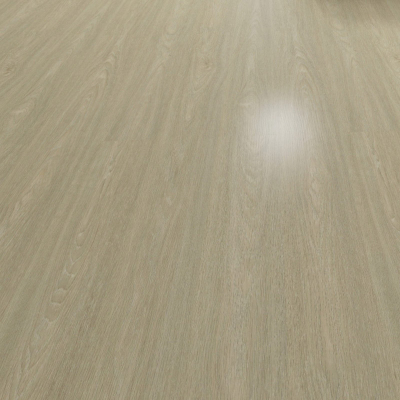
The white washed oak flooring trend refers to a decorative finish applied to oak (Quercus alba or Quercus robur) that lightens the wood’s natural color to a pale, translucent white or off-white while preserving the grain pattern. Unlike traditional opaque paint, white washing uses diluted white pigments (titanium dioxide), lime (calcium hydroxide), or white stains that partially penetrate the wood pores. The result is a floor with high Light Reflectance Value (LRV 55–75) that brightens rooms, reduces artificial lighting needs, and creates an airy, spacious feel. The trend gained momentum from Scandinavian design (hygge minimalism), coastal retreats (Hamptons, Cape Cod), and modern farmhouse aesthetics. For engineering and procurement, white washed oak presents unique challenges: inconsistent color absorption across oak boards (sapwood vs heartwood), yellowing over time from UV exposure, and higher maintenance because light colors show soil and scratches more readily than medium-brown tones. Specifiers must balance aesthetic goals with technical requirements: UV-stable finishes, consistent batch color (ΔE ≤0.5), and appropriate wear layer thickness (≥3 mm for engineered, ≥0.6 mm for LVT alternatives).
Technical Specifications of White Washed Oak Flooring Trend
When specifying the white washed oak flooring trend, the following technical parameters ensure long-term performance and color stability.
| Parameter | Typical Value (White Washed Oak) | Engineering Importance |
|---|---|---|
| Light Reflectance Value (LRV) | 55 – 75 (ASTM E1477) | High LRV increases ambient light, reducing lighting energy by 10-25%. However, shows soil, footprints, and scratches more readily than medium tones (LRV 30-50). Specify matte finish (gloss<15) to mitigate visibility. |
| Color fastness to light (ISO 105-B02) | Minimum Grade 4 (scale 1-5) | White washed oak tends to yellow over time (lignin oxidation + UV degradation of finish). Grade 4 ensures <ΔE 3 after 500 hours Xenon arc. Grade 5 required for south-facing installations. |
| Wear layer thickness (engineered white oak) | ≥3 mm (premium), 2 mm (standard) | Allows refinishing (light sanding) to remove surface scratches or yellowed finish. Thinner wear layers (1-2 mm) cannot be refinished; entire floor must be replaced when surface degrades. |
| Finish type & abrasion resistance | UV-cured urethane with aluminum oxide (≥3 coats), or UV oil (hard wax). Taber test: ≥3,000 cycles (CS-17, 1 kg). | Aluminum oxide finish resists scratches and scuffs (critical for light-colored floors). UV oil provides softer, more natural look but requires re-oiling every 1-3 years in residential; not recommended for commercial. |
| Janka hardness (oak species) | White oak: 1,360 lbf; Red oak: 1,290 lbf | Higher hardness resists dents from furniture, pets, heels. White oak preferred for white washing due to tighter grain and lower tannin content (less yellowing). |
| Moisture content (at installation) | 6-9% (ASTM D4442) | White washed oak installed outside this range may cup, gap, or cause finish cracking. Acclimation required (72 hours in conditioned space). |
| Color consistency (ΔE*ab batch-to-batch) | ≤0.5 (premium), ≤1.0 (standard) | White washed finishes vary due to natural wood variation. Tighter ΔE ensures seamless appearance in open-plan areas. Order single master batch for projects >1,000 ft². |
| Slip resistance (DCOF) | ≥0.42 (ASTM E303 or ANSI A326.3) | Light-colored floors in wet areas (entry, kitchen) require higher slip resistance. Matte finish (gloss<15) achieves="" dcof="" 0.45-0.55.="" high-gloss="" white="" washed="">30 gloss) becomes slippery when wet. |
Material Structure and Composition of White Washed Oak Flooring
The white washed oak flooring trend is realized through different constructions and finish layers, each impacting durability and color stability.
| Layer / Component | Material | Function & Impact on White Washed Appearance |
|---|---|---|
| Wear layer (top veneer) – engineered | Sliced white oak veneer (3-6 mm thickness) | Provides authentic grain pattern. Thicker veneer (≥4 mm) allows refinishing to remove yellowing or scratches. Rotary-peeled veneer (thin,<2 mm) has higher variation and cannot be refinished. |
| Solid white oak plank | Quarter-sawn or plain-sawn white oak | Solid planks (¾ inch, 19 mm) can be sanded and refinished multiple times (3-5). However, more susceptible to cupping and gapping with humidity changes. Wider planks (>5 inches) require additional fasteners. |
| White stain / liming layer | Titanium dioxide (TiO₂) pigment + acrylic or oil binder | Imparts white color while allowing grain to show. Lime (calcium hydroxide) reacts with tannins for traditional white pickling. Water-based stains have lower VOCs but may raise grain, requiring additional sanding. |
| UV-cured topcoat (clear) | Aliphatic polyurethane + aluminum oxide (Al₂O₃) beads + UV absorbers | Protects white stain from yellowing and abrasion. Aliphatic polyurethane (vs aromatic) resists yellowing under UV. Aluminum oxide (20-40 µm particle size) adds scratch resistance without dulling white appearance. |
| Hard wax oil finish (alternative) | Natural oils (tung, linseed) + waxes + white pigments | Penetrates wood for a matte, natural look. Lower sheen (gloss 5-8). However, less durable (re-coat every 1-3 years) and provides less yellowing protection. Preferred for low-traffic residential only. |
Manufacturing Process of White Washed Oak Flooring
The manufacturing process for the white washed oak flooring trend directly affects color consistency and durability. Step-by-step:
Oak log selection and milling: White oak logs are selected for consistent color (sapwood vs heartwood ratio). Logs are quarter-sawn or plain-sawn to produce planks. For white washing, quarter-sawn boards (straight grain) accept stain more evenly than plain-sawn (cathedral grain).
Drying (kiln or air): Planks are dried to 6-9% moisture content (ASTM D4442). Uneven drying causes internal stresses → after installation, boards may cup or twist, causing the white finish to crack at edges. Premium manufacturers use moisture meters on each board.
Sanding and wire-brushing (surface preparation): Planks are sanded to a smooth finish, then wire-brushed to open the grain. Wire-brushing depth (0.1-0.3 mm) controls how much stain absorbs: deeper brushing = more pronounced white grain. This step is critical for uniform white washing.
White stain / liming application: Automated roller or spray applies water-based white stain (TiO₂). Excess stain is wiped off, leaving pigment in the open grain. For pickled or limed finishes, calcium hydroxide solution is applied, reacting with tannins to produce white calcium tannate. Dwell time and concentration are tightly controlled (recipe varies by target LRV).
UV-cured topcoat (3-4 coats): After stain drying, aluminum oxide-infused polyurethane is roller-applied and UV-cured (mercury vapor or LED lamps at 300-400 nm). Each coat adds 10-15 µm thickness. Total cured film thickness: 50-80 µm. In-line gloss meter ensures consistency (gloss 10-15).
Quality inspection (color, gloss, hardness): Automated spectrophotometer (CIELAB) measures ΔE against target. Gloss meter at 60° and 85°. Taber abrasion test (CS-17 wheel, 1 kg) validates cycles to first wear-through. Boards with ΔE >1.5 or abrasion<2,000 cycles are rejected.
Performance Comparison with Alternative Light Flooring
When evaluating the white washed oak flooring trend against alternatives, consider durability, cost, and maintenance.
| Flooring Type | Durability (scratch, dent) | Cost (installed per ft²) | Installation complexity | Maintenance for light color | Typical applications |
|---|---|---|---|---|---|
| White washed engineered oak (3 mm wear layer, UV urethane + Al₂O₃) | High (3,000+ Taber cycles) | $8 – $14 | Medium (nail or float with underlayment) | Moderate (sweep daily, damp mop weekly; re-coat every 5-8 years) | Residential living, dining, bedrooms; boutique hospitality |
| White washed solid oak (¾ inch, site-finished) | High (can be sanded & refinished 3-5 times) | $10 – $18 (material) + $5-8 (site finish) | High (requires nail-down, sanding, on-site staining/finishing) | Moderate (similar to engineered, but refinishing available) | Luxury residential, historic homes, high-end commercial |
| White LVT (luxury vinyl plank, wood-look) | Medium (scratch-resistant wear layer, but not repairable) | $4 – $8 | Low (floating, click lock) | Low (waterproof, stain-resistant; no refinishing) | Rental properties, basements, moisture-prone areas |
| White washed laminate (AC4/AC5) | Medium-High (AC4: 4,000 cycles) | $3 – $6 | Low (floating) | Low (scratch-resistant, but can’t be refinished; replace when worn) | Entry-level residential, rental units |
| White painted oak (opaque paint) | Low (paint scratches & chips; shows wear) | $6 – $12 (material + painting) | High (paint must be primed, multi-coat) | High (touch-up required; hide grain) | Accent walls, not recommended for floors |
Industrial Applications of White Washed Oak Flooring Trend
The white washed oak flooring trend is applied across project types with distinct performance requirements:
Residential – Coastal & Modern Farmhouse: Light, airy spaces with high LRV (60-70). White washed oak used throughout first floor (living, kitchen, dining). Specification requires UV-stable finish (Grade 4) for large windows. Wire-brushed texture hides minor scratches from pets/kids.
Residential – Scandinavian Minimalist: White washed oak (LRV 65-75) on walls and floors, often with light-colored furniture. Matte finish (gloss 8-12) to reduce glare. Radiant heating compatible: engineered oak (3 mm wear layer) with R-value<0.8.
Commercial – Boutique Hotels & Beach Resorts: High-traffic corridors and guest rooms. Specify 4 mm wear layer (engineered) with aluminum oxide finish (4,000+ Taber cycles). Slip resistance DCOF ≥0.42. Provide 30-year commercial warranty.
Commercial – Retail (Apparel, Home Goods): White washed oak creates a bright, open backdrop for merchandise. High LRV reduces lighting energy (10-20%). Must resist damage from rolling racks and heavy foot traffic. Specify solid oak or thick wear layer engineered (5 mm) with site-applied polyurethane.
Healthcare – Dental or Therapy Offices: Light floors reduce patient anxiety and create calm atmosphere. White washed oak with anti-microbial UV-cured coating (silver ion additive). Slip resistance DCOF ≥0.6 for safety. Low-VOC finish (GREENGUARD Gold).
Common Industry Problems and Engineering Solutions
Field experience with the white washed oak flooring trend reveals four common issues that reduce lifespan and aesthetics.
Problem: Yellowing of white washed oak within 12-24 months, particularly near windows.
Root cause: UV radiation degrades lignin in oak (wood’s natural polymer) and causes photo-yellowing of some polyurethane finishes (aromatic types). Also, insufficient UV absorbers in finish. Solution: Specify UV-stable aliphatic polyurethane with added benzotriazole or HALS (hindered amine light stabilizers). Require ISO 105-B02 test report (Grade ≥4). Install UV-blocking window film or low-E glass.Problem: Inconsistent white color between boards (some boards more yellow/beige).
Root cause: Natural variation in oak tannin content (heartwood has more tannins, turning yellow under finish). Also, inadequate blending of stain or insufficient wire-brushing depth. Solution: Specify “bleached” or “tannin-blocked” white oak (pre-treated with oxalic acid to reduce yellowing). Require manufacturer to hand-select boards with consistent color. Order pre-finished vs site-finished.Problem: White washed floor shows every scuff, scratch, and footprint.
<15) and="" wire-brushed="" texture="" hides="" .="" use="" aluminum="" oxide="" reinforced="" finish="" taber="">3,000 cycles). For residential, require felt pads on furniture and a “no shoes” policy.
Root cause: High LRV (lightness) and glossy finish (gloss >20) reveal even minor surface defects. Also, finish not hard enough (low aluminum oxide content). Solution: Specify matte finish (glossProblem: White finish peels or delaminates after 2-3 years.
Root cause: Poor adhesion between white stain and topcoat, often due to inadequate surface sanding or contamination (oils from wire-brushing). Also, application of water-based stain under oil-based topcoat. Solution: Specify same binder system (water-based stain + water-based PU, or oil-based stain + oil-modified PU). Request adhesion test (cross-hatch tape test, ASTM D3359, rating 5B).
Risk Factors and Prevention Strategies
Mitigating risks when specifying the white washed oak flooring trend requires proactive material selection and installation practices.
Improper installation (excessive moisture, inadequate acclimation): Prevention: Acclimate engineered oak in the room for 72 hours at final RH (35-55%) and temperature (60-80°F). Use a moisture meter to verify plank moisture (6-9%). Concrete slab must have vapor barrier (6-mil poly) and meet calcium chloride test (<3 lbs/1000ft²/24h).
Material mismatch (using white washed oak in high-moisture areas like bathrooms): Prevention: Avoid solid white oak in bathrooms; use engineered oak with waterproof core (SPC) or LVT instead. For powder rooms, seal engineered oak with additional site-applied polyurethane. Provide bath mats and exhaust fan.
Environmental exposure (direct sunlight, high humidity cycling): Prevention: For south- or west-facing rooms, require UV-blocking window film (99% UV rejection). For seasonal humidity >60%, use a whole-home dehumidifier to maintain RH below 55% to prevent cupping or excessive gapping.
Subfloor or foundation issues (alkaline moisture causing finish discoloration): Prevention: Test concrete slab pH (should be 7-9). Alkaline moisture (pH >10) can react with white pigments, causing yellowing. Apply a low-VOC moisture barrier epoxy coating before installation.
Procurement Guide: How to Choose the Right White Washed Oak Flooring Trend
For procurement managers and specifiers, use this checklist to select the white washed oak flooring trend with confidence.
Project type and traffic load evaluation: Determine residential vs commercial, expected foot traffic (low, medium, high), presence of pets, direct sunlight exposure. For commercial (retail, hospitality), require engineered oak with 4 mm wear layer and aluminum oxide finish (Taber ≥4,000).
Color and finish specification: Define target LRV (55-75), gloss level (matte ≤15), and wire-brushing depth. Request spectrophotometer report for target color (L*, a*, b* values). Specify ΔE tolerance (≤0.5 for single batch, ≤1.0 for multiple batches).
Light stability requirement: Specify ISO 105-B02 Grade ≥4 (or Grade 5 for high UV exposure). Require UV test report using Xenon arc for 500 hours. For south-facing installations, require window film or specify UV-stabilized aliphatic polyurethane with HALS.
Construction and warranty: Engineered (preferred) – specify plywood or HDF core, ≥3 mm wear layer (white oak), and 25-30 year residential warranty. Solid oak – specify quarter-sawn, ¾ inch thickness, and site-finish with UV-cured polyurethane (3 coats). Require warranty to cover yellowing and delamination.
Supplier capability and quality control: Prefer manufacturers with ISO 9001:2015 and in-line spectrophotometry. Request mill test reports (MTR) showing: moisture content, Janka hardness, Taber abrasion cycles, and ΔE batch variation. For large projects (>5,000 ft²), request a pre-production sample (10 ft²) of the actual batch.
Sample testing and mock-up: Install a 20 ft² mock-up in the actual space (if possible). Expose to natural light for 30 days and measure ΔE (acceptable<2). Perform scratch test (hardness pencil, 2H minimum). Check slip resistance (wet DCOF ≥0.42).
Installation and post-installation care: Specify certified installers (NWFA). Require 72-hour acclimation, vapor barrier over concrete, and expansion gaps (¾ inch perimeter). Provide owner with maintenance kit (white touch-up pen, cleaner, and recoating schedule).
Engineering Case Study
Project type: Luxury beachfront condominium development (48 units).
Location: Coastal Florida (high UV, high humidity, salt air).
Project size: 32,000 ft² of white washed oak flooring (engineered).
Product specification: The architect specified the white washed oak flooring trend with: engineered white oak, 5 mm wear layer (quarter-sawn), UV-cured aliphatic polyurethane with aluminum oxide (Taber 4,500 cycles), matte finish (gloss 10), LRV 68, wire-brushed texture. UV stability: ISO 105-B02 Grade 5. Single master batch (ΔE ≤0.5).
Results and benefits: Pre-installation mock-up exposed to direct Florida sun for 90 days showed ΔE 1.3 (perceptible only under measurement). Developer installed UV-blocking film on all south-facing windows (99% UV rejection). After 3 years, owner survey indicated 94% satisfaction with flooring appearance (no yellowing, minimal scratches). Maintenance: daily robotic vacuum, damp mopping with neutral pH cleaner bi-weekly. Resale values in the building averaged 8% higher per ft² than comparable coastal condos with darker floors. The developer now specifies white washed oak with Grade 5 UV stability as standard in all beachfront projects.
FAQ Section
Q: Is white washed oak flooring still in style for 2026?
A: Yes, white washed oak remains a top trend for 2024–2026, particularly in coastal, Scandinavian, and modern farmhouse styles. However, the trend is moving toward slightly warmer whites (LRV 60-65) with more visible grain, away from stark white (LRV >80).Q: Does white washed oak flooring yellow over time?
A: Unstabilized white washed oak will yellow within 12-24 months due to UV and lignin oxidation. Specifying UV-stable aliphatic polyurethane with HALS and Grade 5 ISO 105-B02 slows yellowing significantly (ΔE<2 over 5 years).Q: Is white washed oak more expensive than regular oak?
A: Pre-finished white washed engineered oak costs 20-40% more than natural oak due to additional staining, wire-brushing, and UV-cured topcoat processes. Site-finished white washing adds $2-4/ft² labor.Q: Can white washed oak be refinished?
A: Engineered oak with ≥4 mm wear layer can be lightly sanded (1-2 times) and re-coated with white stain + polyurethane. Solid oak can be refinished multiple times. Thin wear layer (≤2 mm) cannot be refinished.Q: What sheen level is best for white washed oak?
A: Matte (gloss<15) is preferred; it hides scratches and soil better than satin or gloss. Higher gloss (≥30) shows every footprint and requires constant cleaning.Q: Is white washed oak flooring slippery?
A: Matte finishes with wire-brushed texture provide adequate slip resistance (DCOF 0.45-0.55) for dry areas. For wet areas (kitchens, entry), specify a slightly more textured surface (DCOF ≥0.60). Avoid high-gloss white washed oak.Q: Does white washed oak work with underfloor heating?
A: Yes, engineered white oak (not solid) is compatible with hydronic or electric radiant heating. Maximum surface temperature: 27°C (81°F). Use plywood-backed engineered (not HDF) for better heat transfer. Acclimate planks to 30% RH before installation.Q: How to clean white washed oak floors without dulling the finish?
A: Use a pH-neutral hardwood cleaner (e.g., Bona, Loba). Avoid vinegar, ammonia, or bleach (yellow white oak). Use microfiber mop (damp, not wet). Re-coat with UV oil or polyurethane every 3-5 years as needed.Q: What are the best wood species for white washing besides oak?
A: Ash (Janka 1,320), maple (1,450), and hickory (1,820) also accept white stain well. However, white oak remains the most popular due to its balanced grain and moderate tannin content.Q: Does white washed oak flooring show pet scratches?
A: Light scratches are less visible on white washed oak than on dark wood, but deep scratches (from large dogs) will show as dark lines. To mitigate: specify aluminum oxide finish (3,000+ Taber cycles), keep pet nails trimmed, and use area rugs in high-traffic zones.
Request Technical Support or Quotation
For architects, developers, and procurement managers, technical support is available to review your white washed oak specifications, including UV stability requirements, LRV targets, and batch consistency. Request a quotation for engineered white oak flooring with Grade 5 light stability and full test reports.
About the Author
This guide was authored by wood flooring engineers and commercial specification specialists with over 15 years of experience in finish formulation, color stability testing (ISO 105-B02), and large-scale procurement for residential, hospitality, and retail projects across North America, Europe, and Asia. All recommendations follow ASTM, ISO, and NWFA standards.