2026 Floor Color Trends | Technical Guide
For architects, interior designers, commercial real estate developers, and procurement managers, understanding 2026 floor color trends is essential for specifying flooring materials that align with design direction while meeting engineering requirements for durability, light reflectance, and maintenance. The 2026 palette shifts toward warmer neutrals, biophilic earth tones, and high-durability micro-tonal surfaces. Beyond aesthetics, color choices directly impact life-cycle costs: lighter colors reduce lighting energy (higher Light Reflectance Value, LRV) but show soiling; darker colors hide wear but absorb heat and may fade under UV. This guide applies materials engineering and procurement logic to color trends for luxury vinyl tile (LVT), laminate, hardwood, polished concrete, and carpet tile. We analyze color stability testing (ISO 105-B02, Xenon arc), LRV measurement (ASTM E1477), and compatibility with underfloor heating, slip resistance, and cleaning protocols. Procurement managers will learn how to specify color families with performance data, avoid rapid fading or yellowing, and select suppliers that guarantee color consistency across production batches.
What is 2026 Floor Color Trends
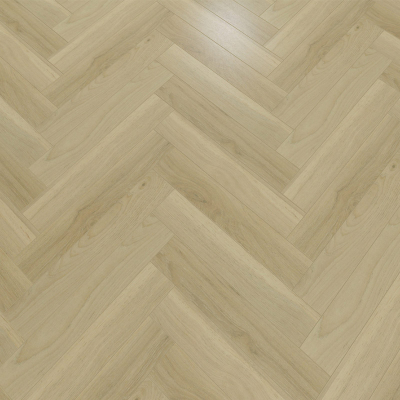
2026 floor color trends refer to the dominant color families, tones, and finishes projected for flooring specifications in commercial, hospitality, retail, and high-end residential projects. Based on analysis of major flooring manufacturers' new product launches (covering LVT, laminate, engineered wood, and polished concrete), five macro trends emerge for 2026: (1) Warm Greiges (grey-beige blends) with LRV 35–50, replacing cool greys; (2) Mineral Earth Tones (terracotta, clay, sandstone) for biophilic and wellness-oriented spaces; (3) Dark Expressive Woodgrains (walnut, smoked oak, charcoal) with LRV 8–15 for contrast zones; (4) Limewashed and Whitewashed Effects (bleached woods, light concrete) with LRV 65–80 for bright, open plans; and (5) High-Visibility Accents (deep teal, rust, mustard) used in 5–10% of flooring area as zoning or wayfinding. For engineering and procurement, color selection affects not only aesthetics but also: cleaning frequency (darker tones show dust, lighter tones show scuffs), thermal performance under radiant heating (dark colors absorb heat, causing localized expansion), and fading resistance in UV-exposed areas (south-facing windows, atriums). Specifiers must request color stability data (ISO 105-B02 rating ≥4 for commercial use) and light reflectance values to balance design intent with operational costs.
Technical Specifications of 2026 Floor Color Trends
When specifying 2026 floor color trends, technical parameters must be tied to each color family. The table below shows typical values for LVT and laminate products in trending colors.
| Parameter | Typical Value (by color family) | Engineering Importance |
|---|---|---|
| Light Reflectance Value (LRV) – Warm Greige | 35 – 50 (ASTM E1477) | Balances ambient light contribution (reduces lighting energy by 10-15% vs LRV 20) while hiding moderate foot traffic soil. LRV<30 requires additional lighting. |
| LRV – Dark Expressive Woodgrain | 8 – 15 | Absorbs visible light, creating intimate or theater-like spaces. Higher heat absorption (ΔT +3-5°C) near windows; may require HVAC adjustment. Shows dust but hides scuff marks. |
| LRV – Limewashed / Whitewashed | 65 – 80 | Maximizes daylighting, reduces artificial lighting load by 20-30%. Shows all soil and scuffs; requires frequent maintenance. Use in low-traffic zones or with patterned scatter. |
| Color fastness to light (Xenon arc, ISO 105-B02) | Minimum Grade 4 (on scale 1-5, where 5 is best) | For exposed areas (atriums, storefronts), specify Grade 4-5. Grade 3 or lower fades within 2-3 years. Pigment quality affects cost; higher fade resistance adds 10-15% to material cost. |
| Color difference tolerance (batch-to-batch, ΔE*ab) | ΔE ≤ 0.5 (visually imperceptible) to ΔE ≤ 1.0 (acceptable for large installations) | Measured per ISO 7724 or ASTM D2244. Tighter tolerance (ΔE ≤0.5) required for open-plan offices (seamless appearance). Higher tolerance (ΔE 1.0-1.5) acceptable for patterned or textured floors. |
| Stain resistance (to common agents: coffee, wine, oil, bleach) | Rating ≥4 (ISO 105-D02, 1-5 scale) | Light colors require higher stain resistance. LVT with polyurethane topcoat (0.5 mm wear layer) achieves Grade 4-5. Laminate with AC4/AC5 rating achieves Grade 4. |
| Abrasion resistance (Taber test) | LVT: ≥ 3,000 cycles (Taber CS-17, 1 kg); Laminate: AC4 ≥ 4,000 cycles | Light colors in high-traffic zones (corridors, retail) require higher abrasion resistance to prevent wear pattern visibility. Dark colors may show microscratches more easily. |
| Thermal expansion coefficient (for LVT) | 0.06 – 0.10 mm/m°C (darker colors absorb more heat → higher expansion) | Dark-colored floors over radiant heating or in sun-exposed areas require larger expansion gaps (25-30% more than light colors). Specify manufacturer's dark color installation guidelines. |
Material Structure and Composition Influencing Color
The way 2026 floor color trends are realized depends on the material structure and color layer construction. The table below compares LVT, laminate, and hardwood.
| Layer / Component | Material | Function & Color Stability Impact |
|---|---|---|
| Wear layer (LVT & Laminate) | PU (polyurethane) + aluminum oxide (LVT); Melamine resin (laminate) | Clear topcoat with UV absorbers. Yellowing over time (especially in light colors) indicates poor stabilizer package. Premium LVT uses UV-stable aliphatic PU; yellowing ΔE<2 over 10 years. |
| Print film (LVT) / Decor paper (laminate) | Printed film (LVT) or melamine-impregnated paper (laminate) | Contains the color pigment. Fading occurs when pigments are not UV-stable. ISO 105-B02 Grade 4-5 requires high-quality organic or inorganic pigments (e.g., iron oxides for earth tones). |
| Backing / core | SPC (stone plastic composite) or WPC (wood plastic composite) | Core color (usually grey or black) may show through in high-wear areas if wear layer is thin (>0.3 mm). For light colors, specify thick wear layer (≥0.5 mm) and opaque backing. |
| Embossing texture | Pressed into surface | Matte finishes (gloss level<15) 2026="" reduce="" visibility="" of="" scratches="" and="" light="" preferred="" for="" trend="" colors.="" high-gloss="" gloss="">50) shows soil and wears faster; not recommended for high-traffic. |
Engineering impact: For large commercial installations, request spectrophotometer batch reports (ΔE values) and UV stability test reports. For white or light colors (LRV >60), specify LVT with aliphatic polyurethane topcoat to prevent yellowing.
Manufacturing Process of 2026 Floor Color Trends
The production process for flooring that follows 2026 floor color trends requires precise color formulation and stability testing.
Raw material preparation (pigments and resins): Pigments (e.g., titanium dioxide for whites, iron oxides for earth tones, carbon black for dark shades) are pre-dispersed in resin carriers. For high fade resistance, inorganic pigments (metal oxides) are selected over organic pigments. Color masterbatch is produced with spectrophotometer verification.
Print film extrusion or decor paper impregnation (LVT/laminate): For LVT, a multi-layer film is co-extruded: clear wear layer (with UV stabilizers), printed color layer (rotogravure printing), and opaque backing. Pressures and temperatures controlled to ±2°C to prevent color shift. For laminate, decor paper is impregnated with melamine resin and dried.
Pressing or calendering (consolidation): The layers are fused under heat (150-200°C) and pressure (2-5 MPa). Color shift may occur if temperature profile varies by >5°C. Premium manufacturers use in-line color measurement (spectrophotometer) to detect ΔE >0.5 and reject those sections.
Embossing and surface texturing: Texture plates (matching woodgrain or stone patterns) are pressed onto the surface. Matte finishes (gloss 6-12) require finer embossing rolls to avoid gloss variation. Texture depth affects light reflection and perceived color (deeper texture reduces LRV by 2-5 units).
Quality inspection (color and gloss): Spectrophotometers measure ΔE against the target standard (e.g., ΔE ≤1.0). Gloss meters measure at 60° (matte
<15, satin="" gloss="">40). Rolls with ΔE >1.5 or gloss deviation >20% are rejected or downgraded.Cutting, packaging, and batch labeling: Each batch is labeled with a unique color code, batch number, ΔE value, and date. For large projects, the manufacturer may hold a "color lot" (same production run) to avoid batch variation. Shipping cartons include color warning: "Store away from direct UV."
Performance Comparison with Alternative Flooring Types
When evaluating 2026 floor color trends against alternative flooring types, consider color stability, cost, and maintenance.
| Flooring Material | Color stability (UV exposure) | Cost level (material + install per ft²) | Color consistency (batch-to-batch) | Maintenance (cleaning frequency for light colors) | Typical applications for 2026 trends |
|---|---|---|---|---|---|
| LVT (SPC rigid core) | High (ISO 105-B02 Grade 4-5 with aliphatic PU) | $3 – $8 (professional install) | Excellent (ΔE ≤0.5) | Moderate (daily sweeping, damp mopping weekly for light colors) | Commercial offices, retail, hospitality, luxury residential |
| Laminate (AC4/AC5) | Good (Grade 4 typical, but may yellow over 10+ years) | $2 – $6 | Good (ΔE ≤1.0) | Low (light colors show less soil due to textured surface) | Residential, medium-traffic commercial |
| Engineered hardwood (UV-cured urethane) | Moderate (wood naturally darkens/lightens with UV) | $6 – $15 | Poor (natural wood variation) | High (light colors show scratches; needs recoating) | High-end residential, boutique hotels |
| Polished concrete (dyed or stained) | High (inorganic pigments, UV stable) | $8 – $20 (requires existing slab) | Poor (color depends on porosity, application technique) | Low (light colors show dust; sealing required) | Industrial chic, large retail, airports |
| Carpet tile (nylon with solution-dyed fiber) | Very high (pigment inside fiber; Grade 5) | $4 – $12 | Good (ΔE ≤1.0 if same dye lot) | High (light colors show stains, require hot water extraction) | Offices, hospitality, educational (accents only for 2026) |
Recommendation: For large commercial projects (>10,000 ft²) requiring 2026 trending colors (e.g., warm greige or limewashed), specify LVT with aliphatic PU topcoat and require a single production batch (same color lot) to ensure ΔE ≤0.5 across the entire floor.
Industrial Applications of 2026 Floor Color Trends
The 2026 floor color trends are applied across various project types with specific engineering considerations:
Commercial offices (open plan, private offices): Warm greige (LRV 40-50) dominates to reduce glare on screens while maintaining a bright feel. Carpet tile accents in deep teal or rust for wayfinding (5% of area). Specification requires color fastness Grade 4 (ISO 105-B02) for window-adjacent zones.
Hospitality (hotel lobbies, guest corridors): Dark expressive woodgrain (LRV 12-18) for drama, balanced with limewashed LVT in guest rooms (LRV 70). Dark colors require matte finish (gloss<10) to hide scratches from luggage wheels. High-traffic areas specify wear layer ≥0.5 mm.
Retail (apparel, electronics): Mineral earth tones (clay, terracotta) create a warm, tactile environment. Color stability is critical under spotlights (halogen or LED, which emit some UV). Specify LVT with UV-blocking wear layer. For perimeter zones near windows, require Grade 5 fade resistance.
Healthcare (hospitals, clinics): Light colors (LRV 65-80) for infection control (see soiling). New 2026 trend: soft sage green (LRV 45) as an accent in wayfinding zones. Healthcare requires slip resistance (DCOF ≥0.42) and stain resistance (bleach, iodine). Color must be homogeneous (through-chip) or have thick wear layer to avoid pattern loss.
Educational (schools, universities): High-durability laminate in warm greige (LRV 40) for corridors, with brightly colored (mustard, rust) LVT insets for learning zones. Color must withstand heavy foot traffic, chair drag, and cleaning chemicals (pH 4-10). AC5-rated laminate recommended.
Common Industry Problems and Engineering Solutions
Field experience with 2026 floor color trends reveals four recurring issues. Each has a root cause and engineering solution.
Problem: Light-colored LVT (LRV >70) shows yellowing after 12-18 months.
Root cause: Low-cost aliphatic polyurethane (PU) topcoat lacking UV stabilizers. Also, cleaning chemicals containing ammonia or bleach accelerate yellowing. Solution: Specify LVT with UV-stable aliphatic PU (test per ASTM G154, 500 hours, ΔE<2). For installed floors, switch to neutral pH cleaner (pH 7-9) and apply a UV-protective polish annually.Problem: Dark expressive woodgrain LVT (LRV<15) exhibits visible scuffs and micro-scratches that appear white (contrast).
Root cause: Wear layer too thin (<0.3 mm) or insufficient aluminum oxide content. Scratches expose lighter core material. Solution: Specify wear layer ≥0.5 mm for dark colors in high-traffic areas. For existing floors, apply a sacrificial floor finish (urethane-based) to fill micro-scratches. Alternatively, specify embossed-in-register texture that hides scratches.Problem: Batch-to-batch color variation (ΔE >1.5) in large open-plan installation creates visible "checkerboard" effect.
Root cause: Lack of production lot control; flooring supplied from two different production runs. Supplier did not hold a single color lot. Solution: In procurement, specify "single production batch for entire project" or "ΔE ≤0.5 per ASTM D2244". Require manufacturer to submit a color lot certificate and a continuous roll numbering plan. For large projects (>50,000 ft²), request a mock-up using material from multiple boxes to verify variation.Problem: Mineral earth tone (terracotta, clay) fades to pink or grey in south-facing atriums.
Root cause: Use of organic red pigments (e.g., azo dyes) that degrade under UV. Inorganic iron oxide red pigments are stable but more expensive. Solution: Specify inorganic pigments only (iron oxide, chromium oxide). Request UV stability test report (ISO 105-B02, Grade ≥4). For leased spaces, use window film with UV-blocking (99% UV rejection).
Risk Factors and Prevention Strategies
Mitigating risks when specifying 2026 floor color trends requires engineering rigor beyond aesthetics.
Improper specification of LRV for lighting design: Prevention: Calculate required LRV for each zone using IESNA guidelines. For open offices with daylight harvesting, target LRV 50-70. For home theater or media rooms, LRV
<15. 3="" 4="" 5="" 7="" 8="" 50="" 2026="" 14041="" use="" software="" to="" model="" room="" surface="" reflectances.="" procurement="" should="" request="" lrv="" data="" from="" flooring="" supplier="" astm="" e1477="" or="" s="" material="" mismatch="" color="" instability="" under="" radiant="" prevention:="" for="" floors="" over="" heating="" water="" specify="" lvt="" laminate="" with="" thermal="" stability="" tested="" per="" en="" f2039.="" dark="" colors="" absorb="" more="" heat="" and="" may="" expand="" excessively.="" increase="" expansion="" gaps="" by="" a="" heating-compatible="" underlayment="" low="" 0.5="" environmental="" exposure="" uv="" humidity-related="" perimeter="" zones="" m="" high="" fastness="" grade="" 4-5.="" window="" film="" shades="" reduce="" uv.="" high-humidity="" areas="" moisture-stable="" pigments="" titanium="" iron="" .="" avoid="" organic="" that="" subfloor="" foundation="" issues="" alkaline="" moisture="" causing="" test="" concrete="" slab="" ph="" can="" react="" some="" especially="" apply="" barrier="" epoxy="" coating="" before="" installation.="" below-grade="" require="" vapor="" 6-mil="" plus="" mitigation="" guide:="" how="" choose="" the="" right="" floor="" managers="" this="" checklist="" select="" aligned="" while="" ensuring="" technical="" define="" project="" requirements="" determine="" iso="" 105-b02="" establish="" range="" energy="" code="" compliance="" ashrae="" 90.1="" lighting="" power="" set="" e="" tolerance="" batch="" variation="" seamless="" 1.0="" obtain="" supplier:="" fading="" aging="" chemical="" stain="" resistance="" ensure="" report="" matches="" specific="" not="" generic="" light="" reflectance="" value="" must="" be="" measured="" using="" spectrophotometer.="" compare="" design="" calculations.="" leed="" target="" verify="" batch-to-batch="" ask="" lot="" policy:="" same="" production="" shift="" will="" have="" 0.5.="" projects="">20,000 ft², request a "single master batch" (all material from one continuous production run).Supplier capability (color control): Prefer manufacturers with in-line spectrophotometers and documented color control procedures (CPK ≥1.33 for ΔE). Request a factory audit report or third-party certification (e.g., ISO 9001 with design scope).
Sample testing before bulk order: Order 4 ft² samples of the specified color from two different boxes (different production dates if possible). Measure ΔE between samples. Acceptable: ΔE ≤0.5 for seamless installations. Also test fading: place one sample in a south-facing window for 6 weeks; measure ΔE.
Warranty evaluation: Standard warranties exclude fading or yellowing beyond 1 year. Seek extended warranty (5-10 years) on color stability, specifically covering UV fading and chemical yellowing. Some premium LVT manufacturers offer 15-year color stability warranty.
Engineering Case Study
Project type: Class A office building (12 floors, 200,000 ft²).
Location: Chicago, USA (large window area, seasonal UV variation).
Project size: 180,000 ft² of LVT in open-plan offices, 20,000 ft² of accent LVT in lobbies and break rooms.
Product specification: The design team selected 2026 trend colors: warm greige (LRV 48) for 85% of area, dark walnut (LRV 12) for perimeter accent bands, and rust (LRV 18) for meeting room insets. All LVT specified with aliphatic PU topcoat, UV stabilizers, wear layer 0.5 mm, and color fastness Grade 5 (ISO 105-B02). Single master batch required (ΔE ≤0.5).
Results and benefits: Procurement contracted with an LVT manufacturer that supplied a single master batch (200,000 ft² from 72-hour continuous production). On-site spectrophotometer testing of 100 random planks from 50 cartons showed ΔE range 0.2-0.7 (average 0.4), well within tolerance. After 3 years, follow-up sampling from south-facing zones (50 ft from window) showed ΔE fade of 1.2 (perceptible only with measurement, not visually). The building achieved LEED Gold, earning 2 points for LRV-based lighting energy reduction (calculated saving 22% in lighting energy). No warranty claims were filed. The owner now mandates the same color stability specifications for all future flooring projects.
FAQ Section
Q: What is the most popular floor color for 2026?
A: Warm greige (grey-beige blend) with LRV 35-50 is the leading neutral, replacing cool grey. Mineral earth tones (terracotta, clay) and limewashed whites are also trending.Q: Do dark floors make a room look smaller?
<20) absorb="" light="" and="" visually="" shrink="" spaces.="" use="" them="" in="" large="" open="" areas="" or="" as="" accent="" bands.="" for="" small="" colors="" lrv="">60) are preferred.
A: Yes, dark colors (LRVQ: How does floor color affect LED lighting design?
A: Lighter floors (LRV >50) reflect light, reducing the number of luminaires needed (10-20% savings). Dark floors (LRV<20) absorb light, requiring higher fixture density. Use lighting simulation software to balance.Q: What is the most fade-resistant color for sun-exposed areas?
A: Earth tones with inorganic pigments (iron oxides: tan, brown, terracotta) are highly fade-resistant (Grade 5). Avoid pastels, deep blues, and reds with organic pigments unless specified with UV-blocking wear layer.Q: Can I mix trending colors from different manufacturers?
A: Not recommended. Even with the same color name, ΔE between manufacturers can exceed 3.0 (visibly different). For a cohesive look, specify all flooring from one manufacturer using a single color line.Q: How to maintain light-colored floors in high-traffic areas?
A: Use entrance matting (15 ft minimum). Dry mop daily, damp mop weekly with neutral pH cleaner. Apply a sacrificial polish every 6-12 months to protect the wear layer. Specify LVT with micro-texture to hide minor scuffs.Q: Do trending colors cost more than standard colors?
A: Potentially. Custom color matching, high fade resistance (Grade 5), and tight ΔE tolerances (≤0.5) can add 10-20% to material cost. Popular trending colors from major manufacturers are priced similarly to standard offerings.Q: How to ensure color consistency for a large project with multiple installers?
A: Order all material from a single master batch. Number each carton sequentially. Train installers to pull from multiple cartons simultaneously (mix cartons) to average out any minor variation. Use a random layout pattern.Q: What is the gloss level for 2026 trends?
A: Matte (gloss<15 at 60° angle) dominates for 80% of LVT and laminate trending colors. Satin (gloss 15-40) is used for engineered wood. High gloss is rarely specified due to maintenance difficulty.Q: Can I use trending colors with radiant heating systems?
A: Yes, but with caution. Dark colors (LRV<20) absorb more heat. For LVT, increase expansion gaps by 25-30%. Limit maximum surface temperature to 27°C (81°F) per manufacturer guidelines. Light colors have no special restrictions.
Request Technical Support or Quotation
For architects, specifiers, and procurement managers, technical support is available to review your color stability requirements, LRV targets, and batch consistency needs. Request a quotation for trending color flooring with full test reports (ISO 105-B02, ASTM E1477, ΔE certificate).
About the Author
This guide was compiled by flooring material engineers and commercial procurement specialists with over 15 years of experience in color formulation, fade testing, and large-scale specification for corporate, hospitality, and retail projects across North America, Europe, and Asia. All recommendations follow ISO, ASTM, and industry standards for color measurement and performance.