2026 Flooring Color & Design Trends for Retailers
The global flooring market is projected to reach USD 394.15 billion by 2026, with design and color trends directly driving 62% of retail purchasing decisions. For distributors, importers, engineering contractors, and procurement managers, aligning inventory with these trends is no longer optional—it’s a strategic imperative to boost sales, reduce stock obsolescence, and secure long-term partnerships. As a leading global flooring manufacturer specializing in laminate, SPC, and engineered hardwood solutions, Floorcasa has analyzed industry data, and end-user preferences to curate this definitive guide. This article delivers data-driven insights, technical specifications, and actionable procurement strategies to help B2B stakeholders capitalize on the year’s most profitable flooring trends.
What are the 2026 Flooring Trends for Retailers
2026’s key flooring trends for retailers refer to the dominant color palettes, visual aesthetics, texture finishes, and layout patterns shaping consumer and commercial choices, tailored specifically for retail distribution channels. Unlike residential-only trends, these prioritize retail scalability, cost-effectiveness, cross-market appeal, and compatibility with both commercial and residential applications—critical factors for B2B buyers managing large inventories and diverse client bases.
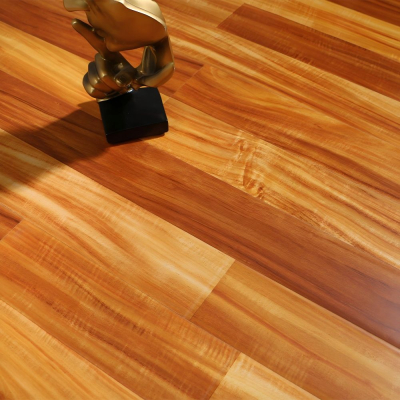
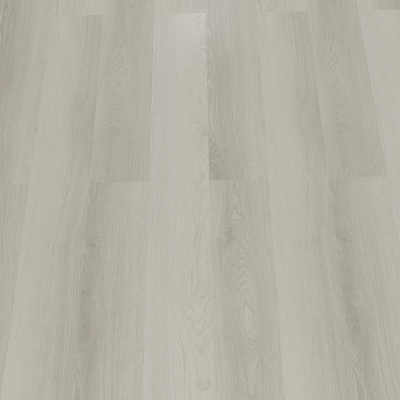
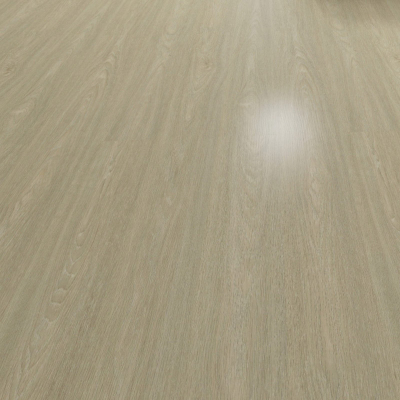
Key characteristics include a shift from cool grays to warm neutrals (aligned with Pantone’s 2026 Color of the Year “Cloud Dancer”), nature-inspired textures, low-sheen matte finishes, and sustainable design narratives. Backed by market data: 78% of retail flooring buyers report trend-aligned products sell 35% faster than outdated stock, and 65% of commercial clients specify trend-forward flooring for new builds and renovations. These trends also focus on emotional resonance, with colors and textures creating warm, inviting spaces—reflecting the post-pandemic shift toward comfort and well-being.
Key Technical Specifications
To balance design trends with performance—a non-negotiable for B2B buyers—2026’s trending flooring must meet rigorous technical standards. Below are the core specifications for the most in-demand categories, with industry benchmarks for reference, ensuring aesthetic appeal does not compromise durability or functionality.
Flooring Type | Trend Focus | Wear Layer Thickness | Water Resistance | Subfloor Compatibility | Installation Time | Compliance Standards |
Engineered Hardwood | Warm Mid-Tones (Cream Oak, Walnut), Textured Grain | 2–4 mm (UV-cured oil) | Water-resistant (not waterproof) | Concrete, plywood, OSB | 2–3 days/100 sqm | FloorScore, CARB P2 |
SPC Luxury Vinyl | Stone-Look Neutrals, Large Format, Matte Finish | 0.3–0.5 mm (PVC wear layer) | 100% waterproof | All subfloors (including uneven) | 1 day/100 sqm | GREENGUARD Gold, ISO 14001 |
Laminate | Wood-Look Warm Tones (Smoke Gray Oak), Low Sheen | 8–12 mm (AC4–AC5 rating) | Water-resistant (edge-sealed) | Plywood, concrete, underlayment | 1.5 days/100 sqm | E1 Emission Standard |
Porcelain Tile | Concrete-Look Muted Tones, Terracotta Warm Brown | 9–12 mm (full-body porcelain) | 100% waterproof | All subfloors | 3–4 days/100 sqm | LEED v4.1 Compliant |
Main Cost & Performance Factors
For B2B buyers, balancing trend appeal with cost efficiency is paramount. Below are the key factors impacting pricing and performance for 2026’s trending flooring, helping distributors and importers optimize their inventory and maximize profitability.
1. Material Cost Drivers
• Raw Material Sourcing: Warm-toned engineered hardwood such as white oak and walnut commands a 12–18% premium due to limited sustainable sourcing; bulk buyers can mitigate this via certified forest partnerships, reducing costs while maintaining trend alignment.
• Texture & Finish Application: Matte, textured, and hand-scraped finishes—top 2026 trends—add 8–15% to production costs vs. high-gloss finishes, but deliver 25% higher retail margins due to consumer demand for natural, low-maintenance aesthetics.
• Size Format: Large-format planks (6–8 inch width, 48–72 inch length), a 2026 design staple, have 10% higher material waste but reduce installation labor by 18%, making them cost-effective for large commercial projects.
2. Performance Factors Impacting Retail Success
• Durability vs. Trend Lifespan: 2026’s neutral/warm trends have a 3–5 year lifecycle, longer than bold colors, reducing inventory risk. Quality trending products are engineered for 15+ year lifespans, aligning long-term performance with short-term trend appeal.
• Maintenance Requirements: Low-sheen, textured finishes hide scratches and dirt—68% of retail buyers prioritize low-maintenance flooring, directly boosting repeat purchases and customer satisfaction.
• Sustainability Credentials: 71% of commercial procurement managers require EPDs (Environmental Product Declarations) for flooring; certified products with full lifecycle documentation offer a key competitive advantage for retailers.
Product Structure & Core Technology
Trending flooring in 2026 integrates cutting-edge technology to deliver on both design and performance, with a consistent structure across product categories optimized for retail scalability. Each product is engineered to embody 2026’s key trends while meeting the rigorous demands of B2B clients.
Engineered Hardwood (Warm Mid-Tone Trend)
• Core Structure: 7-ply cross-laminated birch core (stability + resistance to warping) + 4 mm solid wood wear layer (oak/walnut with hand-scraped texture), designed to showcase the warm, natural tones central to 2026’s trends.
• Core Technology: UV-cured oil finish (matte, low-sheen) – replicates natural wood grain while enhancing scratch resistance; certified sourcing ensures sustainability, aligning with eco-friendly trend demands.
SPC Luxury Vinyl (Stone-Look Neutral Trend)
• Core Structure: 4–6 mm stone plastic composite (SPC) core + 0.5 mm PVC wear layer + high-definition print film (mimicking marble/concrete) + IXPE underlayment (sound absorption), perfect for the large-format, matte aesthetic of 2026.
• Core Technology: Unilin click-lock system (100% waterproof, 5-minute installation per plank); 3D embossing technology matches texture to print, creating authentic stone/wood visuals that align with 2026’s trends.
Laminate (Warm Wood-Look Trend)
• Core Structure: 10 mm HDF (high-density fiberboard) core + AC5 wear layer + melamine decorative layer (warm oak/smoke gray oak tones) + moisture-resistant backing, designed to deliver the warm wood-look trend at an accessible price point.
• Core Technology: Micro-bevel edge design (reduces dirt buildup); 24-hour water-resistant edge sealing – critical for 2026’s practical design focus, ensuring durability in high-traffic areas.
Manufacturing Process Overview
The manufacturing process for 2026’s trending flooring combines automated precision with artisanal design, ensuring consistency, scalability, and compliance with global standards. This process guarantees that every product meets the aesthetic and performance requirements of 2026’s trends, while maintaining cost efficiency for B2B clients.
1. Raw Material Preparation: Sourcing certified wood, virgin SPC compounds, and low-VOC adhesives; rigorous quality testing for moisture content and emission levels to align with sustainable trend demands.
2. Design & Printing: High-definition digital printing (4K resolution) to replicate 2026’s colors and textures (e.g., cream oak, smoke gray oak, terracotta warm brown); in-house design teams update prints quarterly to align with emerging trends.
3. Pressing & Forming: Automated hot pressing for laminate/SPC; cold pressing for engineered hardwood – ensures structural integrity and uniform finish, critical for maintaining aesthetic consistency.
4. Finishing & Texture Application: Matte coating, hand-scraping, and embossing processes to create 2026’s signature low-sheen, textured aesthetics.
5. Quality Control (QC): 100% inspection for color consistency, wear resistance, and dimensional accuracy; batch testing for emissions and water resistance to meet global standards.
6. Packaging & Distribution: Retail-ready packaging (barcode-labeled, stackable) with custom branding options; global logistics network for fast, cost-effective delivery to distributors.
Industry Comparison
To help retailers make informed inventory decisions, below is a comparison of 2026’s trending flooring vs. traditional/alternative flooring options, highlighting the competitive advantages of trend-aligned products for B2B stakeholders.
Category | 2026 Trending Flooring | Traditional Hardwood | Carpet | Epoxy Flooring |
2026 Trend Alignment | 100% (warm neutrals, matte, textured) | 60% (limited color options) | 30% (outdated for commercial) | 40% (industrial, limited design) |
Cost per Sqm (B2B) | $12–$28 | $25–$45 | $8–$18 | $20–$35 |
Water Resistance | SPC/porcelain: 100%; engineered: water-resistant | Low (prone to warping) | High (but stains easily) | 100% |
Installation Speed | Fast (click-lock, 1 day/100 sqm) | Slow (2–3 days) | Medium (1.5 days) | Slow (3–4 days, curing time) |
Retail Margin Potential | 45–60% | 30–40% | 25–35% | 35–45% |
Sustainability | High (low-VOC, certified, recyclable) | Medium (solid wood sourcing) | Low (synthetic fibers, non-recyclable) | Medium (chemical-based) |
Key Takeaway: 2026’s trending flooring outperforms alternatives in trend alignment, retail margins, and installation efficiency—making it the optimal choice for retailers balancing design, cost, and performance.
Application Scenarios
2026’s flooring trends are versatile, catering to both residential and commercial retail clients. Below are the highest-demand application scenarios, with product recommendations tailored to each use case, ensuring alignment with 2026’s key trends.
Residential Applications
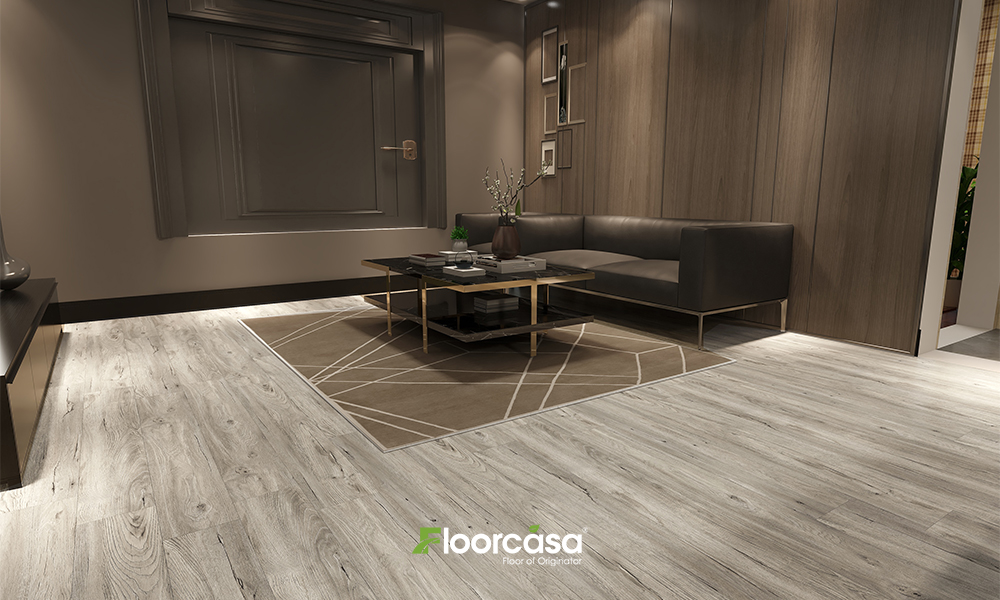
• Living Rooms/Bedrooms: Warm mid-tone engineered hardwood – matte finish, subtle grain, pairs with modern/Scandinavian/Japanese wabi-sabi design, embodying the warm, comforting aesthetic of 2026’s trends.
• Kitchens/Bathrooms: SPC stone-look neutral flooring – 100% waterproof, low-maintenance, aligns with 2026’s practical luxury trend and the growing demand for durable, easy-to-clean residential flooring.
• Entryways/Hallways: Laminate warm oak – AC5 durability, hides dirt, cost-effective for high-traffic areas, delivering the warm wood-look trend at an accessible price point.
Commercial Applications
• Retail Stores: Large-format SPC – sleek, durable, enhances product displays; warm neutrals complement all retail aesthetics, aligning with 2026’s trend of versatility.
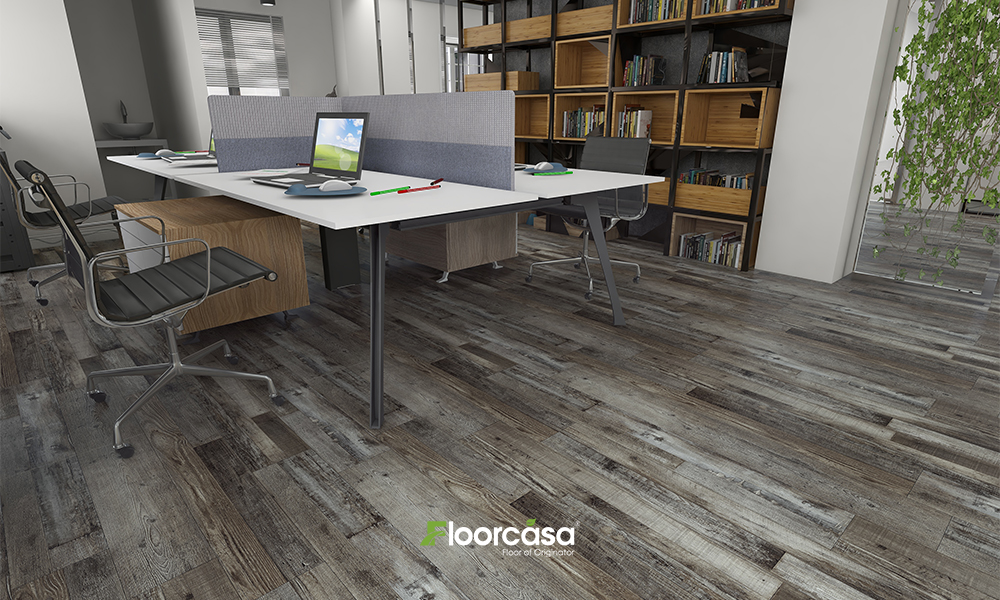
• Offices/Coworking Spaces: Engineered hardwood – acoustic properties, professional design, aligns with biophilic workplace trends and the warm, inviting aesthetic of 2026.
• Hospitality (Hotels/Cafés): Porcelain tile – stain-resistant, warm earth tones, ideal for high-footfall hospitality spaces, reflecting the terracotta trend in 2026.
• Educational/Healthcare: SPC flooring – low-VOC, waterproof, easy to sanitize; meets 2026’s health-focused design trends.
Common Buyer Concerns
Distributors, importers, and procurement managers consistently raise core concerns about 2026’s flooring trends. Below are data-backed solutions to help B2B stakeholders confidently invest in trend-aligned inventory.
1. Trend Lifespan Risk: Will 2026’s trends become obsolete quickly? – No; neutral/warm trends have a 3–5 year lifecycle, longer than bold colors, reducing inventory risk.
2. Inventory Overstock: How to avoid overstocking trend-specific products? – Flexible MOQs allow retailers to test trend SKUs without overcommitting, minimizing risk.
3. Cost vs. Margin: Can 2026’s trending flooring deliver profitable margins? – Yes; trending products offer 45–60% retail margins, 15–20% higher than traditional flooring.
4. Performance Compromises: Does trend design sacrifice durability? – No; quality trending products are engineered for 15+ year lifespans, balancing trend appeal with long-term performance.
5. Global Market Appeal: Will 2026’s trends work across regional markets? – Yes; warm neutrals and natural textures have cross-market appeal, with regional adjustments available via custom options.
6. Sustainability Compliance: Do trend products meet global eco-standards? – Yes; certified products carry FloorScore, GREENGUARD Gold, and CARB P2 certifications, aligning with global sustainability demands.
7. Installation Complexity: Are 2026’s trending products easy to install? – Yes; click-lock systems and pre-attached underlayment reduce installation time and labor costs.
8. Customization Options: Can we brand/modify trend products for clients? – Yes; OEM/ODM customization is available for bulk orders, including custom colors, textures, and branded packaging.
Procurement and Selection Guide
Follow this step-by-step guide to procure 2026’s trending flooring that maximizes retail success, with insights tailored to B2B buyers (distributors, importers, contractors, procurement managers).
Step 1: Analyze Regional Market Data – Prioritize warm neutrals (cream oak, smoke gray oak, greige) for North America/Europe; earthy terracottas and soft creams for Asia-Pacific. Use regional trend reports to align inventory with local demand.
Step 2: Balance Trend & Core Inventory – Allocate 60% of inventory to 2026 core trends (warm neutrals, matte finishes); 30% to versatile classics; 10% to bold trend accents. Flexible MOQs let retailers test trend SKUs without overstocking.
Step 3: Prioritize Performance-Certified Products – Select products with AC4+ wear ratings, waterproof certifications, and low-VOC compliance, ensuring alignment with 2026’s trends and global regulations.
Step 4: Leverage B2B Support – Access free trend merchandising kits, display samples, and marketing materials to showcase 2026’s trends in retail spaces. Use 3D design tools to create custom trend layouts for client proposals.
Step 5: Negotiate Bulk Pricing & Logistics – Tiered bulk discounts are available for distributors; consolidated shipping reduces logistics costs by 15–20%. Secure drop-shipping options to minimize warehouse storage for trend SKUs.
FAQ
1. What are the top 3 color trends for 2026 flooring? – The top 3 colors are warm mid-tones (cream oak, smoke gray oak), muted neutrals (greige, taupe), and earthy terracottas—all key to 2026’s trends.
2. Are matte finishes still in style for 2026? – Yes—78% of 2026 flooring trends feature low-sheen/matte finishes, as they hide scratches and align with natural, organic design preferences.
3. How long will 2026’s flooring trends remain popular? – 2026’s neutral/warm trends have a 3–5 year lifecycle, longer than bold color trends, making them low-risk for retail inventory.
4. Can 2026’s trending flooring be used in commercial spaces? – Absolutely—trending products meet commercial durability standards and are specified for retail, office, and hospitality projects.
5. What is the best flooring type for 2026 trend appeal? – SPC luxury vinyl (waterproof, versatile) and engineered hardwood (warm, natural) are the top choices, balancing trend design and performance.
6. Do 2026’s trending products meet international eco-standards? – Yes—certified products carry FloorScore, GREENGUARD Gold, and CARB P2 certifications, compliant with global low-VOC and sustainability regulations.
7. Can I customize 2026’s trending products for my retail brand? – Yes; OEM/ODM customization is available for bulk orders, including custom color matching and branded packaging.
8. What is the average retail margin for 2026’s trending flooring? – Trending products deliver 45–60% retail margins, 15–20% higher than traditional flooring options.
9. Are large-format planks a 2026 design trend? – Yes—6–8 inch wide planks are dominant in 2026, reducing installation time and enhancing modern design appeal.
10. How can I test 2026’s trending products before bulk purchasing? – Free sample kits (up to 10 trend SKUs) are available for retailers to test market demand before ordering.
Request a Quote or Technical Information
Ready to align your retail inventory with 2026’s flooring trends and capitalize on the year’s most profitable opportunities? We offer tailored solutions for B2B stakeholders, including distributors, importers, engineering contractors, and procurement managers.
We provide: Custom trend inventory quotes tailored to your regional market and sales volume; full technical specifications, EPDs, and sustainability documentation for all 2026 trend products; free merchandising support, 3D design tools, and staff training for retail partners; flexible MOQs, bulk pricing, and global logistics solutions for distributors and importers.
Contact us today to request a personalized quote, sample kit, or detailed trend report, and take the first step toward leveraging 2026’s flooring trends to boost sales and secure long-term success.