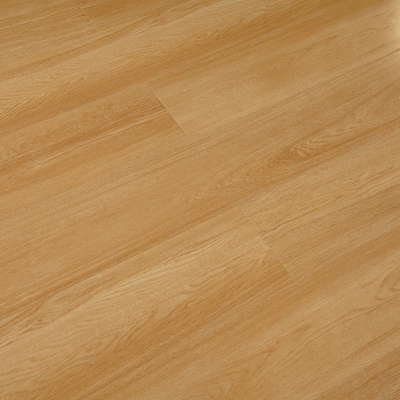
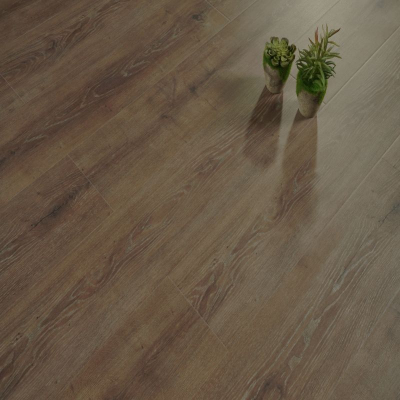
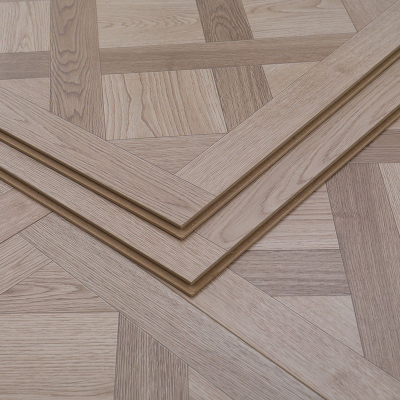
Affordable SPC Flooring Brands
Product Definition
Affordable SPC flooring brands refer to cost-controlled Stone Plastic Composite flooring products that meet basic engineering, durability, and safety requirements while maintaining competitive pricing. These products are typically optimized through material formulation, production efficiency, and standardized designs to serve large-scale residential and light-commercial projects.
Technical Parameters and Specifications
When evaluating affordable SPC flooring brands, procurement teams should focus on minimum acceptable technical thresholds rather than premium features.
Total thickness: 4.0–6.0 mm
SPC core density: 1.9–2.1 g/cm³
Wear layer thickness: 0.3–0.5 mm
Water absorption: ≤ 0.15%
Dimensional stability: ≤ 0.12%
Surface abrasion class: AC3–AC4
Locking system tolerance: ≤ 0.1 mm
Structure and Material Composition
Affordable SPC flooring brands typically use a simplified but functional multilayer structure.
UV Wear Coating: Basic scratch and stain protection
Wear Layer: Transparent PVC layer ensuring abrasion resistance
Decor Film: Standardized wood or stone visuals
SPC Core Layer: Limestone powder and polymer resin blend
Backing Layer: Stabilizing PVC layer, optional IXPE/EVA
Manufacturing Process and Cost Control
Standardized Production Flow
Raw material batching with optimized filler ratios
High-output extrusion or calendering of SPC core
Precision thickness calibration and cooling
Continuous lamination of decor and wear layers
UV curing and surface treatment
High-speed click-lock profiling
Key Cost Optimization Measures
Affordable SPC flooring brands achieve price competitiveness through high-capacity equipment, reduced decorative SKUs, and automated quality inspection rather than sacrificing core performance indicators.
Industry Comparison with Other Flooring Materials
| Criteria | Affordable SPC Flooring | WPC Flooring | Laminate Flooring |
|---|---|---|---|
| Initial Cost | Low | Medium | Low |
| Water Resistance | High | High | Limited |
| Dimensional Stability | High | Medium | Medium |
| Maintenance Requirement | Low | Low | Medium |
Application Scenarios and Target Users
Affordable SPC flooring brands are primarily selected for projects where cost predictability and acceptable durability are required.
Residential apartment developments
Affordable housing and social housing projects
Rental property renovations
Retail chains with standardized interiors
Typical users include distributors, EPC contractors, wholesalers, and project developers managing large floor areas.
Core Pain Points and Practical Solutions
Pain Point 1: Inconsistent Product Quality
Solution: Require batch-level test reports for density and wear resistance.
Pain Point 2: Locking System Failures
Solution: Conduct on-site click-lock installation testing before bulk procurement.
Pain Point 3: Noise Complaints
Solution: Specify attached acoustic underlay where necessary.
Pain Point 4: Shortened Service Life
Solution: Match wear layer thickness to actual traffic levels.
Risk Warnings and Mitigation Advice
Risk: Excessive filler reduces core strength
Mitigation: Verify SPC density and bending strength dataRisk: Decorative layer delamination
Mitigation: Inspect lamination process and peel strengthRisk: Uneven color between batches
Mitigation: Lock decor film batches per project
Procurement and Selection Guide
Define project budget and lifecycle expectations
Confirm minimum acceptable technical parameters
Request physical samples for lock and surface testing
Audit manufacturing capacity and QC procedures
Compare landed cost including logistics and wastage
Establish warranty and claims handling procedures
Engineering Application Example
In a multi-building residential housing project covering 12,000 m², affordable SPC flooring brands with a 0.3 mm wear layer were specified. After 18 months of occupancy, inspections showed stable joints, no moisture damage, and acceptable surface wear under normal residential traffic.
Frequently Asked Questions (FAQ)
Q1: Are affordable SPC flooring brands reliable?
Yes, when minimum technical standards are met.
Q2: What is the biggest risk with low-cost SPC flooring?
Inconsistent core density and locking precision.
Q3: Can affordable SPC flooring be used commercially?
Only for light-commercial traffic with proper specifications.
Q4: Is acoustic performance included?
Often optional; underlay should be specified if required.
Q5: How long does affordable SPC flooring last?
Typically 10–20 years depending on usage.
Q6: Does low price mean poor water resistance?
No, water resistance depends on core formulation.
Q7: Are installation methods different?
No, floating installation is standard.
Q8: Can colors vary between shipments?
Yes, batch consistency should be controlled.
Q9: Is SPC flooring environmentally compliant?
Most products meet basic emission standards.
Q10: What documents should buyers request?
Technical datasheets, test reports, and warranty terms.
Call to Action
For pricing benchmarks, technical documentation, or project-specific samples related to affordable SPC flooring brands, procurement teams should contact qualified manufacturers or technical sales representatives.
E-E-A-T: Author and Industry Expertise
This article is written by a flooring industry consultant with extensive experience supporting EPC contractors, distributors, and importers in evaluating cost-effective rigid-core flooring systems for large-scale residential and commercial projects.