What is SPC Flooring
Product Definition of SPC Flooring
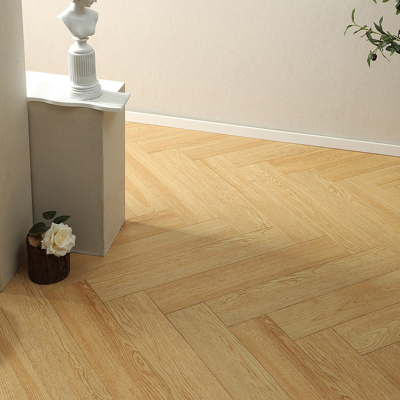
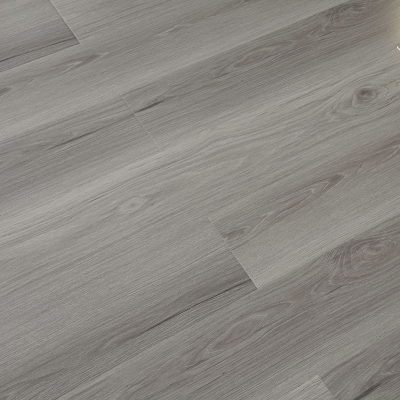
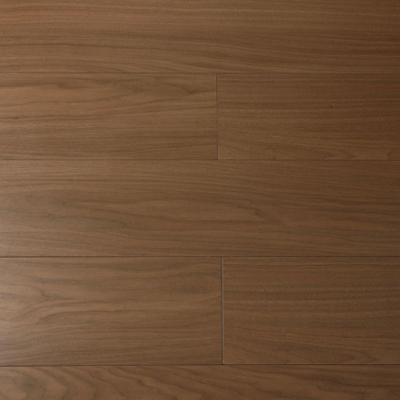
What is SPC flooring? SPC flooring, short for Stone Plastic Composite flooring, is a rigid core vinyl flooring engineered with a mineral-filled core that delivers high dimensional stability, waterproof performance, and commercial-grade durability for demanding residential and commercial environments.
Technical Parameters and Specifications
Understanding what SPC flooring is from a technical perspective requires reviewing standardized performance indicators commonly used in commercial procurement:
Total Thickness: 3.5 mm – 8.0 mm
Wear Layer Thickness: 0.3 mm / 0.5 mm / 0.7 mm
Core Density: 1.9–2.1 g/cm³
Dimensional Stability: ≤0.15%
Impact Resistance: ≥500 mm drop height
Slip Resistance: R9–R11
Fire Rating: Bfl-s1 / Cfl-s1
VOC Emission: ≤0.5 mg/m²·h
Structure and Material Composition
SPC flooring uses a multi-layer engineered structure designed for rigidity and durability:
UV Coating Layer: Improves scratch resistance and stain protection
Wear Layer: Transparent PVC layer protecting against abrasion
Decor Film: High-definition printed wood or stone visuals
SPC Core Layer:
Calcium carbonate (limestone powder)
Polyvinyl chloride (PVC)
Stabilizers and impact modifiers
Backing Layer: IXPE or EVA underlay for sound reduction
Manufacturing Process of SPC Flooring
To fully understand what SPC flooring is, it is essential to examine its manufacturing process:
Raw material batching and high-speed mixing
SPC core extrusion under controlled temperature and pressure
Core cooling, calibration, and density control
Decor film lamination using hot press systems
Wear layer bonding and UV surface curing
Precision cutting and click-lock profile machining
Final inspection: thickness, flatness, bonding strength
Industry Comparison with Other Flooring Materials
| Flooring Type | Waterproof | Dimensional Stability | Traffic Suitability | Installation Speed |
|---|---|---|---|---|
| SPC Flooring | Excellent | Very High | High Commercial | Fast |
| LVT Flooring | Excellent | Medium | Medium | Medium |
| Laminate Flooring | Limited | Medium | Low–Medium | Fast |
| Ceramic Tile | Excellent | Very High | High | Slow |
Application Scenarios
SPC flooring is widely adopted in projects where performance consistency is critical:
Distributors & Importers: Low claim rates and broad market acceptance
EPC Contractors: Fast installation and subfloor tolerance
Commercial Projects: Retail, hospitality, offices, healthcare
Renovation Projects: Minimal floor height increase
Core Pain Points and Engineering Solutions
Subfloor unevenness → Rigid SPC core improves bridging performance
Moisture damage → Mineral core ensures full waterproof capability
Thermal expansion issues → Low expansion coefficient
High maintenance costs → UV-coated wear layer simplifies cleaning
Risk Warnings and Mitigation Strategies
Low-density SPC core may cause brittleness
Insufficient wear layer for commercial traffic
Improper locking system tolerance
Incompatible underlay selection
Mitigation requires verifying density, locking strength, and third-party test reports.
Procurement and Selection Guide
Define traffic level and usage environment
Specify minimum wear layer thickness
Confirm fire, slip, and VOC compliance
Evaluate core density and dimensional stability
Request full technical datasheets and certifications
Conduct mock-up installation or sample testing
Engineering Case Application
In a 9,500 m² commercial office renovation, SPC flooring was selected after evaluating what SPC flooring is compared to laminate and LVT. The project achieved faster installation, improved acoustic performance, and reduced maintenance costs by approximately 30% over five years.
Frequently Asked Questions (FAQ)
Q1: What does SPC stand for?
A: Stone Plastic Composite.Q2: Is SPC flooring fully waterproof?
A: Yes, including the core.Q3: Is SPC suitable for commercial use?
A: Yes, with proper wear layer.Q4: How thick should SPC flooring be?
A: Typically 4–6 mm for commercial use.Q5: Can SPC flooring be installed over existing floors?
A: Yes, if the surface is stable.Q6: Does SPC flooring expand with temperature?
A: Minimal expansion compared to LVT.Q7: Is underlay mandatory?
A: Optional, depending on acoustic requirements.Q8: How long does SPC flooring last?
A: 10–20 years depending on traffic.Q9: Is SPC flooring environmentally compliant?
A: Yes, when low-VOC certified.Q10: Is SPC flooring suitable for wet areas?
A: Yes, including kitchens and bathrooms.
CTA: Request SPC Flooring Information
For detailed technical datasheets, engineering samples, or project-specific recommendations related to what SPC flooring is, please submit your project requirements for professional evaluation.
E-E-A-T Author Credentials
This article is authored by flooring engineers and project consultants with over 15 years of experience supporting international distributors, EPC contractors, and large-scale commercial flooring projects, ensuring accuracy, authority, and procurement relevance.