Waterproof Laminate Flooring: Technical Guide for Buyers
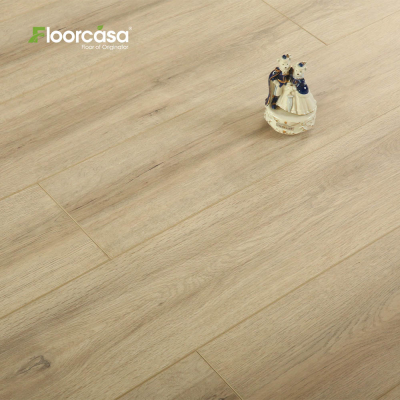
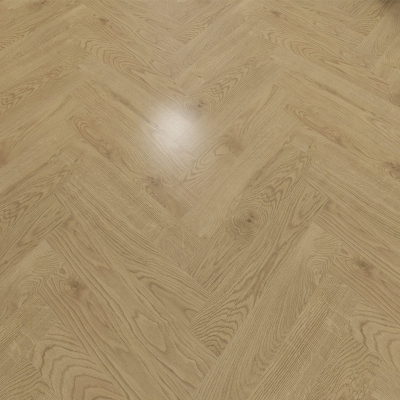
Waterproof laminate flooring is an engineered multilayer flooring material designed to provide improved moisture resistance compared with traditional laminate flooring. It combines a high-density fiberboard (HDF) core with waterproof surface technology, sealed locking systems, and protective wear layers, making it suitable for residential and light commercial environments where moisture exposure may occur.
Technical Specifications and Performance Parameters
| Parameter | Typical Range | Description |
|---|---|---|
| Total Thickness | 8 mm – 12 mm | Common structural thickness for residential and commercial use |
| Wear Layer Rating | AC3 – AC5 | European abrasion classification (EN 13329) |
| Water Resistance Time | 24 – 72 hours | Edge sealing and core swelling resistance |
| Density of HDF Core | 850 – 930 kg/m³ | Determines strength and dimensional stability |
| Locking System | Click-lock / Unilin / Valinge | Floating installation without adhesives |
| Formaldehyde Emission | E0 / E1 | Compliance with indoor air standards |
| Plank Size | 1220×200 mm / 1215×195 mm | Common market dimensions |
Structural Composition and Material Layers
Waterproof laminate flooring is composed of several engineered layers designed for durability and moisture protection.
Wear Layer – Transparent aluminum oxide coating for abrasion resistance.
Decorative Film – High-resolution wood or stone pattern.
Water-resistant HDF Core – High-density fiberboard treated with waterproof additives.
Locking Profile – Precision milled click system for floating installation.
Balancing Layer – Stabilizing layer preventing deformation and warping.
Advanced waterproof laminate flooring may also incorporate edge wax coating or hydrophobic resin treatment to improve resistance against moisture penetration at joints.
Manufacturing Process
The production of waterproof laminate flooring follows a controlled industrial process:
Raw Material Preparation
Wood fibers are processed and compressed into high-density fiberboard panels.Resin Impregnation
Decorative papers are impregnated with melamine resin to enhance durability.High Pressure Lamination
Layers are bonded using multi-daylight hot press machines under controlled temperature and pressure.Surface Texturing
Embossing plates create realistic wood or stone surface textures.Precision Cutting and Profiling
CNC milling machines produce locking profiles and edge sealing grooves.Edge Waterproof Treatment
Hydrophobic wax or resin is applied to locking edges.Quality Inspection
Products undergo abrasion testing, swelling tests, and dimensional inspection before packaging.
Industry Comparison
| Material | Water Resistance | Cost Level | Installation | Typical Application |
|---|---|---|---|---|
| Waterproof Laminate Flooring | Moderate–High | Medium | Floating click system | Residential / Light commercial |
| Traditional Laminate | Low | Low | Floating installation | Dry indoor spaces |
| SPC Flooring | Excellent | Medium–High | Floating or glue-down | Commercial and residential |
| Engineered Wood | Moderate | High | Nail or glue installation | Premium residential projects |
Application Scenarios
Waterproof laminate flooring is widely used in construction and renovation projects where moderate moisture resistance is required.
Residential housing developments
Apartment renovation projects
Hotel guest rooms
Retail stores
Office interior projects
Property developer furnishing packages
Distributors and importers often supply waterproof laminate flooring to regional builders due to its balanced cost-performance ratio.
Common Procurement Challenges and Solutions
Moisture Swelling Risk
Solution: Choose products with hydrophobic edge sealing and swelling rate < 12%.Locking System Failure
Solution: Use patented click systems with verified installation tolerance.Inconsistent Surface Durability
Solution: Select AC4 or AC5 abrasion class for commercial environments.Transportation Damage
Solution: Use reinforced packaging and moisture-proof pallets for international shipping.
Risk Warnings and Avoidance Recommendations
Avoid installing laminate flooring in areas with permanent standing water.
Ensure subfloor moisture content is within specification before installation.
Improper storage in humid warehouses may cause panel swelling.
Low-density cores significantly reduce product lifespan.
Procurement Selection Guide
Define project application (residential, commercial, hospitality).
Select required abrasion rating (AC3–AC5).
Verify HDF core density and swelling rate.
Confirm click system compatibility.
Evaluate supplier certifications (ISO, CE, FloorScore).
Request physical samples and laboratory reports.
Check packaging specifications for export logistics.
Engineering Case Study
A Southeast Asian residential developer selected waterproof laminate flooring for a 320-unit apartment project. The flooring specification included 10 mm thickness, AC4 wear rating, and wax-sealed click locking profiles.
Approximately 48,000 m² of flooring was installed using floating installation with PE foam underlayment. The product met moisture resistance requirements for tropical climate conditions and allowed efficient installation across multiple construction phases.
Frequently Asked Questions
1. Is waterproof laminate flooring fully waterproof?
No. It is water-resistant but not suitable for permanent wet areas.
2. How long can it resist water exposure?
Typically 24–72 hours depending on edge sealing technology.
3. What thickness is most common?
8 mm, 10 mm, and 12 mm are the most common specifications.
4. What is the difference between SPC and laminate?
SPC uses a stone-plastic core while laminate uses HDF wood fiber core.
5. Is underlayment required?
Yes, most floating laminate systems require foam underlayment.
6. Can laminate flooring be installed over tiles?
Yes, if the tile surface is flat and stable.
7. What abrasion rating is recommended for commercial use?
AC4 or AC5 is recommended.
8. How is waterproof performance tested?
Core swelling tests and edge water penetration tests are commonly used.
9. What certifications should buyers check?
CE marking, ISO quality certification, and emission standards such as E1.
10. What is the typical lifespan?
Residential installations typically last 10–20 years with proper maintenance.
Request Technical Documentation or Samples
Procurement teams, distributors, and EPC contractors can request the following materials:
Full technical data sheet
Installation guide
Project reference list
Engineering samples
Bulk quotation for large projects
Contact our technical team to obtain product specifications, pricing information, and project support documentation.
Author and Industry Expertise
This article was prepared by flooring industry specialists with more than 10 years of experience in engineered flooring manufacturing, international distribution, and construction project supply. The information is based on common production standards used by global laminate flooring manufacturers and construction material suppliers.