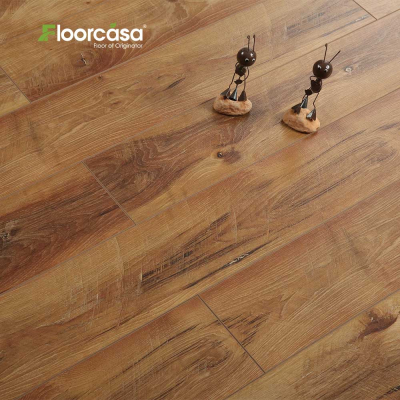
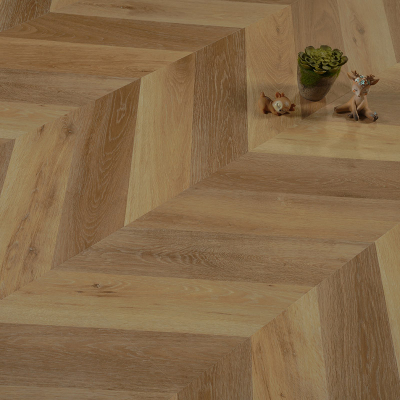
Waterproof flooring cost per square foot installed
Waterproof flooring refers to high-performance flooring materials designed to resist moisture penetration, ensuring durability in residential, commercial, and industrial environments. Understanding installed cost per square foot is essential for EPC contractors, distributors, and procurement managers managing large-scale projects.
Technical Parameters and Specifications
| Parameter | Typical Value | Impact on Cost |
|---|---|---|
| Material Type | SPC / WPC / Vinyl | SPC higher rigidity, slightly higher cost; WPC lower cost; Vinyl moderate |
| Thickness | 4–8 mm | Thicker planks increase raw material usage and labor |
| Wear Layer | 0.3–0.7 mm | Thicker wear layer increases durability and price |
| Plank Size | 1220 x 180 mm | Affects cutting efficiency and installation time |
| Installation Type | Click-lock / Glue-down | Glue-down requires more labor and adhesive cost |
Structure and Material Composition
Core Layer: SPC or WPC rigid core, 50–60% of material cost
Wear Layer: UV-coated top layer, 0.3–0.7 mm, 10–15% of cost
Backing Layer: Acoustic/anti-slip layer, 5–10% of cost
Adhesive: Required for glue-down installation, ~5% of total installed cost
Surface Coatings: Anti-scratch, anti-fade treatment, ~5% of cost
Manufacturing Process and Cost Contribution
1. Raw Material Preparation
Blending limestone powder, PVC/WPC resins, stabilizers. Quality and proportion impact production cost.
2. Extrusion / Core Formation
Creating rigid cores; electricity, machinery maintenance, and labor influence per-unit cost.
3. Lamination and Surface Coating
Laminating wear and backing layers; labor, adhesive, and coating quality affect installed cost.
4. Cutting and Embossing
Standardized plank dimensions with optional embossing; precise cutting reduces material waste.
5. Quality Control
Thickness, water resistance, abrasion resistance; ensures reliability but adds QC expense.
Industry Comparison: Waterproof Flooring vs Traditional Flooring
| Material | Water Resistance | Installed Cost / Sq. Ft. | Durability |
|---|---|---|---|
| SPC | Excellent | $4–$7 | 15–20 years |
| WPC | Good | $3–$6 | 10–15 years |
| LVP | Moderate | $2.5–$5 | 10–12 years |
| Laminate | Poor | $2–$4 | 7–10 years |
Application Scenarios
Commercial EPC projects (hotels, offices, malls)
Residential high-moisture areas (bathrooms, kitchens)
Export distributors managing containerized shipments
Industrial flooring where water and chemical resistance are required
Core Pain Points and Solutions
1. Material Price Volatility
Solution: Establish long-term supply agreements with trusted manufacturers.
2. Labor Costs Variation
Solution: Standardize installation training and optimize crew allocation.
3. Adhesive and Installation Errors
Solution: Use precision application methods and high-quality adhesives.
4. Moisture-Related Failures
Solution: Conduct subfloor moisture tests and select appropriate flooring type.
Risk Warnings and Preventive Measures
Ensure subfloor preparation to prevent plank deformation
Control adhesive curing time to avoid bond failure
Verify wear layer thickness for high-traffic areas
Maintain temperature and humidity during installation
Monitor storage conditions to prevent pre-installation damage
Procurement and Selection Guide
Measure total project area accurately
Specify flooring type (SPC/WPC/LVP) and thickness
Request detailed installed cost breakdown from suppliers
Evaluate labor cost and installation complexity
Inspect pre-shipment samples for wear layer and surface quality
Compare supplier production capacity and lead times
Negotiate bulk pricing including labor and material costs
Engineering Case Study
A 10,000 sq. ft. office project required waterproof SPC flooring. Core density 1.4 g/cm³, wear layer 0.5 mm, click-lock installation. Supplier provided a detailed cost per square foot: materials $3.10, labor $1.50, adhesive $0.20, QC $0.10. Total installed cost: $4.90/sq. ft. Installation completed with minimal waste, demonstrating cost-efficient planning and reliable procurement strategy.
FAQ – Waterproof Flooring Installed Cost
1. What is the typical installed cost per square foot?
$3–$7 depending on material type, thickness, and labor requirements.
2. Does installation method affect cost?
Yes, click-lock is typically cheaper than glue-down due to reduced labor.
3. How much does wear layer thickness influence price?
Thicker wear layers increase durability but slightly increase installed cost.
4. Are labor costs region-dependent?
Yes, installation labor rates vary widely by country and local regulations.
5. How to minimize installed cost without compromising quality?
Optimize material selection, pre-plan layout, and use skilled installation teams.
6. Does subfloor preparation add significant cost?
Yes, leveling and moisture barriers are essential and included in total cost.
7. Can adhesives increase installed cost significantly?
Glue-down requires additional materials and labor, increasing cost per sq. ft.
8. How do SPC and WPC compare in installed cost?
SPC generally costs 10–20% more due to higher core rigidity.
9. Are exported materials more expensive?
Shipping and customs duties may increase overall project cost.
10. How to request a reliable cost estimate?
Provide project specifications, flooring type, area, and desired installation method to suppliers for accurate quotes.
Request Technical Support and Quotation
Request waterproof flooring cost per square foot installed
Obtain technical datasheets and installation guides
Order pre-installation samples for verification
Consult on bulk pricing and labor optimization
Request formal quotation for EPC or commercial projects
Author Expertise and Industry Authority
This guide is prepared by flooring industry specialists with over 12 years of experience in waterproof flooring manufacturing, EPC project consultancy, and large-scale distribution. Offers verified cost analysis, technical insights, and procurement strategies for distributors, contractors, and developers.