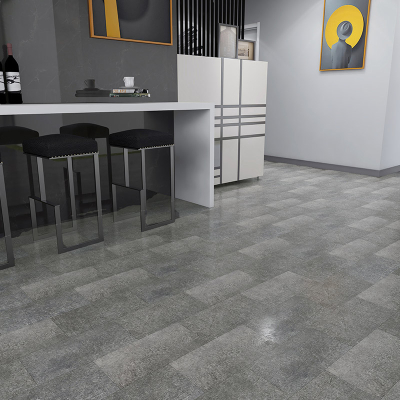
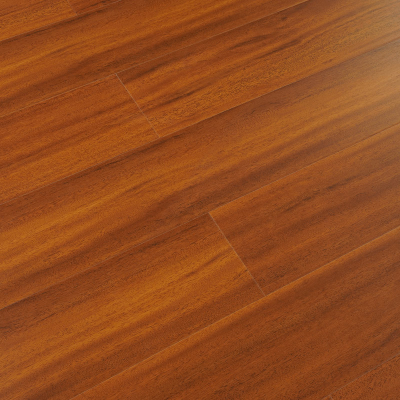
Spc flooring production cost breakdown
Stone Plastic Composite (SPC) flooring is a rigid core flooring solution combining limestone powder, PVC, and stabilizers. Understanding its production cost breakdown is critical for EPC contractors, distributors, and importers managing large-scale projects.
Technical Parameters and Specifications
Key technical parameters influencing production costs:
| Parameter | Typical Value | Impact on Cost |
|---|---|---|
| Thickness | 4–8 mm | Thicker planks increase raw material usage |
| Plank Size | 1220 x 180 mm | Affects cutting efficiency and packaging |
| Wear Layer | 0.3–0.7 mm | Higher thickness increases abrasion resistance but raises cost |
| Core Density | 1.2–1.6 g/cm³ | Higher density improves rigidity but increases material cost |
| Surface Texture | Embossed / Smooth | Embossing adds processing cost |
Structure and Material Composition:SPC Flooring Price
Limestone Powder: Core filler contributing 50–60% of material cost
PVC Resin: Provides flexibility and water resistance, 25–30% of cost
Stabilizers and Additives: 5–10% of cost, ensures durability and chemical stability
Wear Layer: 0.3–0.7 mm UV-coated top layer, 10–15% of cost
Backing Layer: Acoustic and anti-slip support, minor cost impact
Manufacturing Process and Cost Contribution
1. Raw Material Preparation
Mix limestone, PVC, stabilizers, and additives. Cost driver: quality and proportion of raw materials.
2. Extrusion
Form rigid core sheets; energy and machinery maintenance are major cost factors.
3. Lamination
Laminating wear layer and backing layer. Labor and equipment precision influence unit cost.
4. Cutting and Embossing
Standardized plank sizes and surface textures. Embossed textures slightly increase per-unit cost.
5. Quality Control
Testing thickness, density, water resistance, and abrasion; ensures compliance but adds QC cost.
Industry Comparison: SPC vs WPC vs LVP
| Material | Water Resistance | Production Cost | Durability |
|---|---|---|---|
| SPC | Excellent | Moderate | 15–20 years |
| WPC | Good | Lower | 10–15 years |
| LVP | Moderate | Lowest | 10–12 years |
Application Scenarios
Commercial and residential EPC projects
Large-scale exports and distributor inventory management
High-moisture environments like bathrooms, kitchens, and basements
Hotels, retail stores, and office fit-outs
Core Pain Points and Solutions
1. Raw Material Price Fluctuation
Solution: Establish long-term contracts with reliable suppliers.
2. Energy Cost During Extrusion
Solution: Optimize production scheduling and machinery efficiency.
3. Waste During Cutting and Lamination
Solution: Implement precision cutting and automated embossing.
4. Labor Skill Variation
Solution: Train staff on quality standards and production best practices.
Risk Warnings and Preventive Measures
Monitor raw material quality to prevent defects
Control extrusion temperature to avoid core deformation
Verify wear layer adhesion to prevent delamination
Ensure consistent plank thickness for packaging and shipping
Conduct periodic maintenance of machinery to reduce downtime
Procurement and Selection Guide
Calculate total project area and required plank quantity
Request detailed raw material composition and cost breakdown from suppliers
Confirm production capacity and lead times
Verify quality control processes and compliance certifications
Compare per-unit costs including labor, energy, and wear layer
Inspect pre-shipment samples
Negotiate bulk pricing based on production efficiency
Engineering Case Study
A 15,000 m² commercial project required SPC flooring. Core density was 1.4 g/cm³, wear layer 0.5 mm. Supplier provided a detailed cost breakdown: limestone (55%), PVC (30%), stabilizers (10%), wear layer (5%). Optimization in cutting and embossing reduced waste by 7%, saving $3,200 in production costs. Installation proceeded without dimensional issues, demonstrating cost-effective procurement planning.
FAQ – SPC Flooring Production Costs
1. What factors most affect SPC production cost?
Core density, wear layer thickness, plank size, raw material price, and labor efficiency.
2. Can production cost vary by region?
Yes, electricity, labor, and raw material availability influence costs.
3. How much does the wear layer contribute to total cost?
Approximately 10–15% depending on thickness and coating quality.
4. Is there a significant cost difference between embossed and smooth surfaces?
Embossed textures increase cost due to tooling and processing time.
5. How to reduce SPC flooring production cost?
Optimize raw material usage, automate production steps, reduce energy consumption, and minimize waste.
6. Does plank thickness affect cost significantly?
Yes, thicker planks increase material and extrusion energy costs.
7. Are QC and testing costs included in production cost?
Yes, they are essential to ensure compliance and prevent post-shipment defects.
8. What is the typical lead time for large-scale SPC production?
20–30 days depending on order quantity and production scheduling.
9. Can manufacturers provide cost breakdown per square meter?
Yes, most industrial suppliers provide detailed breakdowns for procurement evaluation.
10. How to verify supplier’s cost data?
Request certified invoices, QC reports, and sample verification to validate accuracy.
Request Technical Support and Quotation
Obtain SPC flooring production cost breakdown reports
Request technical datasheets for raw materials and wear layers
Order pre-shipment samples for quality verification
Consult on production optimization and bulk pricing
Request formal quotation for project procurement
Author Expertise and Industry Authority
Prepared by industrial flooring engineers and procurement specialists with 12+ years of experience in SPC flooring manufacturing, export, and EPC project consultation. Provides validated cost analysis and production optimization guidance for distributors, contractors, and developers.