Is SPC Flooring Losing Popularity?
Over the past decade, SPC (Stone Plastic Composite) flooring has become one of the fastest-growing segments in the global flooring industry. Known for its rigid core, waterproof performance, and relatively easy installation, SPC flooring quickly gained popularity among distributors, importers, engineering contractors, and procurement managers.
However, as the flooring market evolves and new materials emerge, many industry professionals have begun asking an important question: Is SPC flooring losing popularity?
The answer is more nuanced than a simple yes or no. While SPC flooring still holds a strong position in many markets, shifting customer preferences, technological innovations, and the emergence of alternative flooring solutions—such as waterproof laminate—are gradually reshaping the competitive landscape.
This article provides data-driven industry insights to help B2B buyers better understand the current status of SPC flooring, its technical characteristics, cost factors, manufacturing process, and future market trends.
What Is SPC Flooring Losing Popularity? Industry Context
Before discussing whether SPC flooring is losing popularity, it is important to understand what SPC flooring actually is.
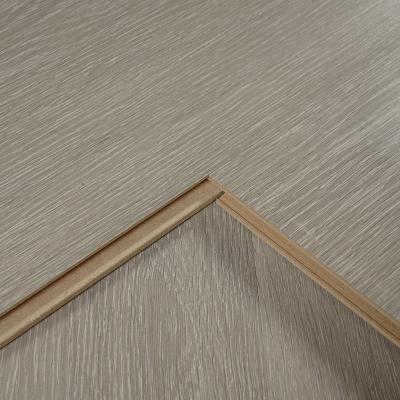
SPC flooring (Stone Plastic Composite flooring) is a type of rigid core luxury vinyl flooring composed of a limestone powder and PVC composite core. The material is engineered to provide enhanced dimensional stability, impact resistance, and waterproof performance.
The typical structure includes:
· UV coating
· Wear layer
· Decorative film
· SPC rigid core
· Underlayment (optional)
SPC flooring gained massive adoption globally because it solved several common flooring challenges:
· Moisture resistance
· Easy installation with click-lock systems
· High durability
· Competitive pricing
Companies like Floorcasa have played a role in bringing SPC flooring products to international markets through improved quality control, product development, and distribution channels.
Despite its strengths, some market segments are now exploring alternative materials with improved comfort, sustainability, and acoustic performance.
Key Technical Specifications
Understanding the technical specifications of SPC flooring is essential for procurement professionals evaluating product performance.
Specification | Typical SPC Flooring Range |
Total Thickness | 3.5 mm – 8 mm |
Wear Layer Thickness | 0.2 mm – 0.7 mm |
Core Density | 1900–2100 kg/m³ |
Dimensional Stability | ≤0.1% |
Water Resistance | 100% waterproof |
Installation Method | Click-lock floating |
Underlayment | IXPE / EVA / Cork (optional) |
Fire Rating | B1 or higher |
Formaldehyde Emission | E0 / E1 compliant |
Premium manufacturers, including Floorcasa, typically focus on stricter quality control for wear layer thickness, click system durability, and surface treatments.
These technical parameters largely explain why SPC flooring became popular in commercial and residential applications worldwide.
Main Cost Factors or Performance Factors
Several factors determine the cost and performance of SPC flooring in international trade.
1. Core Material Composition
The ratio of limestone powder to PVC resin directly impacts:
· product rigidity
· dimensional stability
· long-term durability
Higher limestone content generally improves structural strength but may increase brittleness.
2. Wear Layer Thickness
Wear layer thickness is a critical indicator of durability.
Wear Layer | Typical Application |
0.2 mm | Residential |
0.3–0.4 mm | Light commercial |
0.5–0.7 mm | Heavy commercial |
For engineering projects such as hotels or office buildings, buyers often prefer 0.5 mm or thicker wear layers.
3. Surface Treatment
Surface technologies include:
· UV coatings
· ceramic bead coatings
· anti-scratch layers
These treatments affect scratch resistance and maintenance costs.
4. Click System Technology
Click-lock systems influence installation speed and product stability. Poor locking mechanisms can lead to joint gaps over time.
Product Structure or Core Technology
The performance of SPC flooring largely depends on its multi-layer structure.
Typical SPC Flooring Structure
Layer | Function |
UV Coating | Scratch resistance and stain protection |
Wear Layer | Protects decorative film from abrasion |
Decorative Film | Provides wood, stone, or tile appearance |
SPC Core | Main structural support |
Underlayment | Sound absorption and comfort |
The SPC rigid core is the defining technology behind SPC flooring. Its dense composite material provides higher dimensional stability than traditional vinyl flooring.
However, the rigid core also contributes to one of SPC flooring’s limitations: lower walking comfort compared to softer flooring materials.
Manufacturing Process Overview
The manufacturing process for SPC flooring involves several key steps.
1. Raw Material Mixing
PVC resin, limestone powder, stabilizers, and additives are blended in precise ratios.
2. Extrusion
The mixture is heated and extruded into rigid SPC core boards.
3. Lamination
Decorative film and wear layers are laminated onto the core.
4. Surface Embossing
Embossing techniques create realistic textures such as wood grain or stone patterns.
5. UV Coating
Multiple layers of UV coating improve durability and stain resistance.
6. Cutting and Click Profiling
Precision cutting machines create the click-lock installation system.
Advanced manufacturers like Floorcasa integrate automated production lines and strict quality inspections to ensure consistent performance.
Industry Comparison
The debate around Is SPC flooring losing popularity often arises when comparing SPC with other flooring materials.
Flooring Type | Waterproof | Comfort | Cost | Stability | Installation |
SPC Flooring | Excellent | Medium | Medium | Excellent | Easy |
WPC Flooring | Excellent | High | Higher | Good | Easy |
Moderate | Medium | Lower | Good | Easy | |
Waterproof Laminate | High | High | Medium | Good | Easy |
Engineered Wood | Low | High | High | Medium | Complex |
Key Market Trend
Many distributors report growing demand for:
· waterproof laminate flooring
· enhanced acoustic performance
· eco-friendly materials
These trends partially explain why some industry professionals question whether SPC flooring is losing popularity in certain markets.
However, SPC flooring still dominates budget-friendly waterproof flooring segments.
Application Scenarios
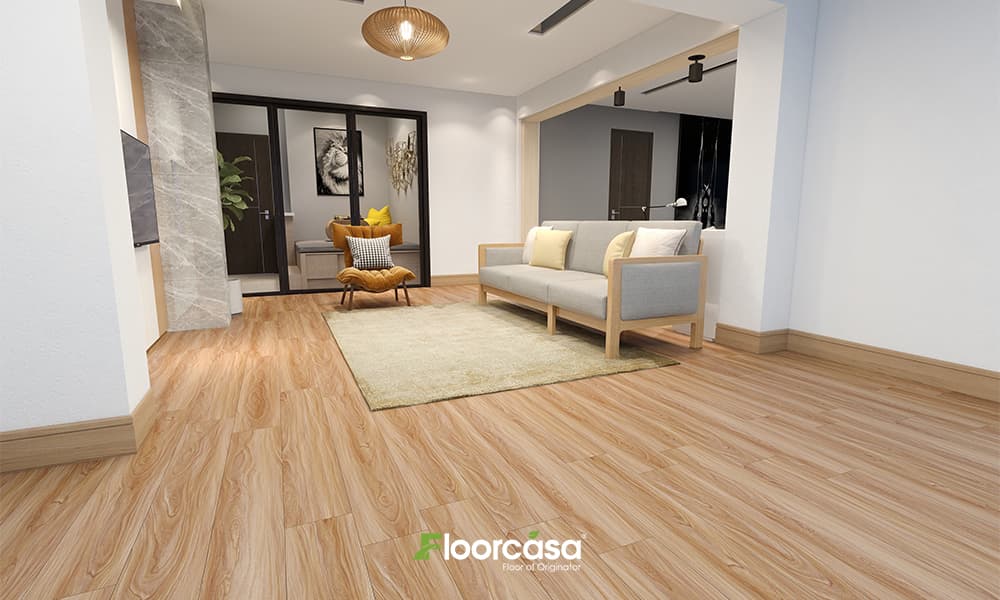
SPC flooring remains widely used in multiple environments.
Residential Applications
· Apartments
· Kitchens
· Bathrooms
· Living rooms
Commercial Applications
· Retail stores
· Hotels
· Offices
· Restaurants
Public Projects
· Hospitals
· Schools
· airports
· government buildings
Due to its waterproof and durable characteristics, SPC flooring is particularly suitable for high-traffic commercial areas.
Common Buyer Concerns
Procurement managers and distributors typically raise several concerns when evaluating SPC flooring.
1. Walking Comfort
SPC’s rigid structure can feel harder underfoot compared with WPC or laminate flooring.
2. Sound Insulation
Without underlayment, SPC flooring may produce more noise during walking.
3. Temperature Sensitivity
Although dimensionally stable, SPC can feel cold in colder climates.
4. Environmental Considerations
Some buyers are concerned about PVC content and sustainability.
5. Market Saturation
Rapid production expansion has increased global supply, leading to price competition and product quality variation.
Procurement and Selection Guide
For international buyers, selecting the right SPC flooring supplier requires careful evaluation.
Key Procurement Factors
1. Manufacturing capability
2. Quality certification (ISO, CE, FloorScore)
3. Click system durability
4. Wear layer thickness
5. Surface coating technology
6. Production capacity
7. Supply chain reliability
Buyers should also request:
· sample testing
· third-party inspection reports
· long-term warranty information
Reliable suppliers such as Floorcasa often provide detailed technical documentation and consistent quality standards for international clients.
Case Study: Commercial Office Renovation
A Southeast Asian office renovation project required a flooring solution that met three main criteria:
· waterproof performance
· fast installation
· competitive project budget
After evaluating several options, the procurement team selected 5 mm SPC flooring with a 0.5 mm wear layer.
Project Results
Factor | Outcome |
Installation time | Reduced by 35% |
Maintenance cost | Lower than ceramic tile |
Water resistance | No swelling after moisture exposure |
Budget performance | Within project cost limits |
Although the project team considered waterproof laminate flooring, SPC was ultimately chosen due to its higher structural rigidity for office chair traffic.
FAQ
1. Is SPC flooring losing popularity globally?
Not necessarily. SPC flooring still maintains strong demand, but competition from waterproof laminate and WPC flooring is increasing.
2. Why did SPC flooring become popular?
Its waterproof performance, rigid core structure, and easy installation made it highly attractive to distributors and contractors.
3. What are the main disadvantages of SPC flooring?
Lower walking comfort, acoustic performance limitations, and a relatively hard surface.
4. Is SPC flooring suitable for commercial projects?
Yes. SPC flooring is widely used in retail stores, offices, and hospitality environments.
5. How long does SPC flooring last?
With a high-quality wear layer, SPC flooring can last 10–20 years depending on usage conditions.
6. Is SPC flooring environmentally friendly?
Most SPC products meet E0 or FloorScore emission standards, but sustainability concerns related to PVC remain.
7. What thickness is recommended for commercial projects?
Generally 5–7 mm thickness with a 0.5 mm wear layer.
8. Is SPC flooring better than laminate flooring?
Each material has advantages. SPC offers better waterproof performance, while laminate often provides better walking comfort.
9. Why are some distributors shifting to waterproof laminate?
Waterproof laminate provides better acoustic performance and a more natural wood feel.
10. What should buyers check before purchasing SPC flooring?
Buyers should verify wear layer thickness, click system quality, certifications, and supplier reliability.
So, is SPC flooring losing popularity?
The flooring industry is not abandoning SPC flooring, but the market is clearly evolving. Rising competition from waterproof laminate and other innovative materials is pushing manufacturers to improve product performance and differentiation.
For distributors, importers, and engineering contractors, the key is not choosing a single “best” flooring type but selecting the right product for the specific project requirements.
SPC flooring remains a reliable, waterproof, and cost-effective solution for many commercial and residential applications. At the same time, industry leaders such as Floorcasa continue to innovate in product quality, design, and manufacturing technology to maintain competitiveness in the global flooring market.