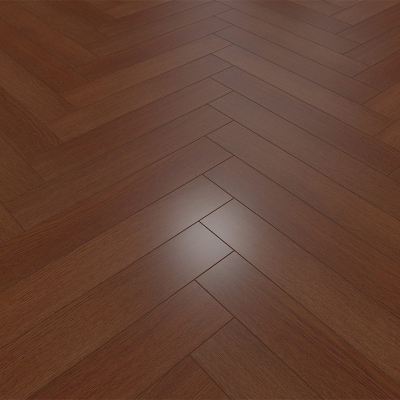
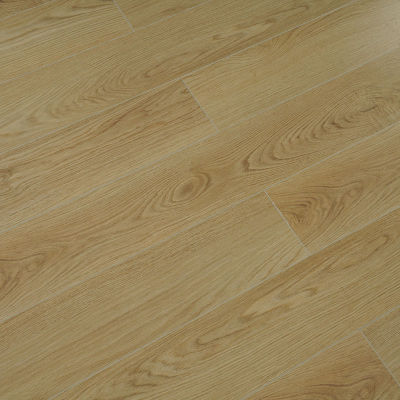
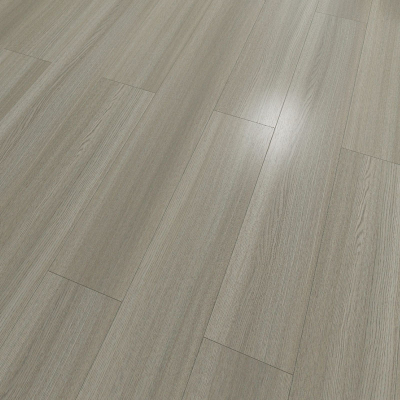
SPC Flooring for Caribbean Resorts
What Is SPC Flooring for Caribbean Resorts
From an engineering hospitality construction and tropical climate perspective, SPC flooring for Caribbean resorts is defined as a stone plastic composite flooring system specifically selected and specified for the unique environmental and operational demands of resort properties across the Caribbean region. The Caribbean hospitality sector encompasses over 50,000 hotel rooms across the region, with significant ongoing renovation and new construction activity driving demand for durable, moisture-resistant, and aesthetically versatile flooring solutions. Resorts across the Caribbean, including luxury properties in The Bahamas, Jamaica, Dominican Republic, and Barbados, require flooring that maintains performance and appearance under intense foot traffic while withstanding the region’s challenging climate conditions.
The material requirements for Caribbean resort flooring are shaped by the region's tropical marine climate: salt-laden air, high humidity, intense UV exposure, and significant temperature variation between air-conditioned interiors and outdoor environments. SPC's inherent dimensional stability, 0% water absorption, and resistance to salt corrosion make it particularly suitable for resort applications where traditional flooring materials would degrade rapidly. The waterproof construction is essential for installations in guest rooms, bathrooms, and poolside areas where moisture exposure is constant.
The essential difference from standard hospitality flooring is the requirement for salt air resistance, high humidity tolerance, and UV stability while maintaining the aesthetic standards expected in Caribbean luxury resorts. The selection must be based on salt spray resistance testing, humidity performance data, and durability under high-traffic hospitality loads.
Manufacturing Process of SPC Flooring for Caribbean Resorts
The production methods for SPC flooring exported to the Caribbean must address the region's unique climate conditions and hospitality requirements. Understanding manufacturing processes allows selection based on measurable properties that correlate to field performance.
Salt Air Resistance Formulation
SPC's inherent salt resistance comes from its limestone and PVC composition—materials that do not corrode or degrade when exposed to salt-laden air. Unlike wood-based products, which can absorb salt and swell, or metal components, which can corrode, SPC maintains dimensional stability and structural integrity throughout its service life in coastal environments. The closed-cell structure prevents salt penetration and the associated degradation.
UV Stabilization for Tropical Sun
The intense UV exposure in the Caribbean requires enhanced UV stabilization to prevent color fading and surface degradation. UV stabilizers and lightfast pigments are incorporated into the wear layer and decorative film to maintain appearance under direct sunlight. Products should be tested to ASTM G154 or ISO 4892 standards for colorfastness.
Humidity-Resistant Core Construction
The high humidity of the Caribbean climate requires a core with 0% water absorption and dimensional stability. SPC's calcium carbonate core provides the rigidity and stability required, while the click-lock installation eliminates adhesives that could degrade in high humidity. The waterproof construction prevents swelling and delamination.
Technical Specifications for Caribbean Resort SPC
Climate Resistance Requirements
| Parameter | Caribbean Requirement | SPC Performance |
|---|---|---|
| Salt spray resistance | 1,000+ hours ASTM B117 | Pass (no corrosion) |
| Water absorption | 0% | 0% (closed-cell) |
| UV resistance | 1,000+ hours colorfastness | Pass (UV-stabilized) |
| Humidity tolerance | 0-100% RH | Pass (no swelling) |
| Temperature range | 0-60°C | Pass (dimensional stable) |
Durability for Hospitality Applications
Guest rooms in Caribbean resorts experience high traffic from guests and housekeeping staff. Commercial-grade SPC with wear layers of 0.5 mm or greater provides the necessary abrasion resistance. AC5 rating ensures durability for heavy hospitality traffic, with the wear layer tested to EN 13329 standards.
Salt Air Resistance
SPC is inherently resistant to salt air corrosion due to its mineral and polymer composition. Unlike hardwood, which can absorb salt and swell, or metal, which can corrode, SPC maintains its appearance and structural integrity in coastal environments. Independent testing confirms SPC's salt spray resistance.
Advantages in Real Projects
Salt Air Resistance
The Caribbean's salt-laden atmosphere is a significant challenge for building materials. SPC's closed-cell structure and mineral composition prevent salt penetration, ensuring the flooring maintains its appearance and structural integrity over the life of the resort. Unlike hardwood, which can absorb salt and swell, or ceramic tile, which can effloresce, SPC provides reliable performance in coastal environments. Salt spray testing per ASTM B117 verifies SPC's corrosion resistance.
High Humidity Performance
Humidity levels in the Caribbean routinely exceed 80% RH, with coastal properties experiencing even higher levels. SPC's 0% water absorption ensures no swelling, warping, or delamination in humid conditions. The dimensional stability is critical for maintaining tight seams and a professional appearance in resort environments where guest expectations are high. Unlike laminate, which can swell at the edges, or wood, which can cup or crown, SPC maintains its shape.
UV Stability
The Caribbean enjoys 3,000+ hours of sunshine annually, with UV levels significantly higher than temperate regions. UV-stabilized SPC maintains color and surface appearance without fading, chalking, or degradation. UV testing per ASTM G154 or ISO 4892 verifies colorfastness.
SPC Flooring for Caribbean Resorts vs Other Flooring Systems
SPC vs LVT vs Tile vs Hardwood for Caribbean Resorts
| Parameter | SPC | LVT | Ceramic Tile | Hardwood |
|---|---|---|---|---|
| Salt air resistance | Excellent | Good | Excellent | Poor |
| Humidity performance | Excellent | Good | Excellent | Poor |
| UV resistance | Good | Moderate | Excellent | Poor |
| Indentation resistance | Excellent | Moderate | Excellent | Moderate |
| Installation efficiency | Excellent | Good | Poor | Moderate |
| Comfort underfoot | Good | Good | Poor | Excellent |
Waterproof vs Non-Waterproof Systems
SPC's 0% water absorption provides superior moisture protection compared to WPC and laminate alternatives. In high-humidity environments, SPC maintains dimensional stability without swelling. The waterproof construction is essential for guest rooms where spills and cleaning are frequent, and for bathrooms and poolside areas where moisture exposure is constant.
Cost, Durability, and Performance Comparison
SPC provides the optimal balance of cost, durability, and performance for Caribbean resort applications. The installed cost is significantly lower than ceramic tile while providing comparable durability. The aesthetic versatility of SPC matches the design requirements of luxury resorts.
Application Scenarios
Guest Rooms
SPC flooring in guest rooms provides the durability required for high-traffic hospitality environments while maintaining the aesthetic standards expected in Caribbean resorts. The waterproof construction resists spills and cleaning. The acoustic underlayment reduces impact noise between floors.
Bathrooms and Wet Areas
Bathrooms in Caribbean resorts require waterproof flooring with excellent slip resistance. SPC with slip-resistant surfaces provides safety in wet conditions. The waterproof construction prevents moisture damage.
Corridors and Public Areas
High-traffic corridors and public areas require flooring with exceptional durability. SPC with thick wear layers resists abrasion from luggage and foot traffic. The acoustic performance reduces noise transmission.
Poolside and Outdoor Areas
Covered outdoor areas and pool decks require UV-stabilized, slip-resistant SPC. The UV resistance prevents fading; the slip resistance ensures safety. The waterproof construction handles moisture exposure.
Installation Guide for Caribbean Resort SPC
Substrate Preparation
SPC requires the same substrate preparation as other resilient flooring products. The substrate must be smooth, dry, and level with appropriate flatness tolerance. Moisture testing is required for concrete subfloors.
Climate Considerations
Products should be acclimated to the installation environment. Acclimation period of twenty-four to forty-eight hours is recommended for Caribbean installations. Temperature and humidity conditions should be stable during installation.
Installation Method
Click-lock installation is standard, with proprietary locking mechanisms providing secure connections. Floating installation eliminates the need for adhesives. Acoustic underlayment may be required for multi-story applications.
Common Installation Mistakes
Inadequate substrate preparation leads to telegraphing of imperfections. Insufficient acclimation causes dimensional changes after installation. Incorrect expansion gap sizing results in buckling or gapping.
Common Problems & Solutions
Salt Air Degradation
The challenge: Salt air can cause corrosion and degradation in some flooring materials. The solution is selecting materials with proven salt spray resistance. SPC's mineral and polymer composition is inherently resistant.
UV Fading
The challenge: Intense UV exposure can cause color fading. The solution is selecting products with UV-stabilized overlays. Window treatments may reduce UV exposure.
High Humidity Impact
The challenge: High humidity can cause swelling and delamination. The solution is selecting products with 0% water absorption and dimensional stability. SPC's closed-cell structure provides the required performance.
FAQ
Is SPC flooring suitable for Caribbean resorts?
Yes, SPC is ideal for Caribbean resorts due to its salt air resistance, 0% water absorption, UV stability, and durability. The dimensional stability and low maintenance requirements make it particularly suitable for hospitality applications.
How does SPC perform in salt air?
SPC is inherently resistant to salt air due to its mineral and polymer composition. The closed-cell structure prevents salt penetration, ensuring the flooring maintains its appearance and structural integrity over the life of the resort.
Does SPC warp in high humidity?
No, SPC has 0% water absorption and does not warp, swell, or delaminate in high-humidity environments. The dimensional stability is critical for maintaining tight seams in resort installations.
What is the best flooring for Caribbean resort bathrooms?
SPC with slip-resistant surfaces is ideal for Caribbean resort bathrooms. The waterproof construction and excellent slip resistance provide safety in wet conditions while maintaining the aesthetic standards of luxury resorts.
How long does SPC last in a resort environment?
SPC flooring in resort environments typically lasts ten to fifteen years with proper maintenance. The wear layer thickness and traffic levels influence the lifespan. Commercial-grade SPC with thick wear layers provides the longest service life.
**Does SPC fade in sunlight?
SPC with UV-stabilized overlays maintains color under UV exposure. Products should be tested to ASTM G154 or ISO 4892 standards for colorfastness.
**What is the cost of SPC for Caribbean resorts?
SPC costs are comparable to mid-range hospitality flooring options. The installed cost is significantly lower than ceramic tile while providing comparable durability.
**Is SPC suitable for outdoor Caribbean applications?
SPC is suitable for covered outdoor applications with UV-stabilized overlays and appropriate slip resistance. Direct exposure to standing water should be avoided. Products should be specified for the specific application.
Industry Standards and Certifications
Salt Spray Testing
ASTM B117 provides standard practice for salt spray (fog) testing. Products for Caribbean resorts should demonstrate corrosion resistance. SPC's mineral and polymer composition provides inherent salt resistance.
UV Testing Standards
ASTM G154 provides standard practice for operating fluorescent ultraviolet lamp apparatus for UV exposure testing. ISO 4892 provides standard methods for exposure to laboratory light sources. ASTM D2244 provides standard practice for calculation of color differences.
Product Standards
Vinyl flooring must meet EN 14041 and EN ISO 10582 for resilient floor coverings. Use class classification follows EN ISO 10874. Products for commercial applications should be Class 33-42.
What These Standards Mean for Procurement
Salt spray testing ensures the product will resist salt air corrosion. UV testing ensures color stability. EN standards ensure performance consistency. For procurement, require salt spray testing data, UV testing data, and EN standards compliance.
Conclusion
The selection of SPC flooring for Caribbean resorts is determined by three engineering criteria: salt air resistance for coastal environments, humidity performance for tropical climates, and UV stability for high-exposure applications. SPC provides the durability, moisture resistance, and aesthetic versatility required for luxury resort environments.
SPC with documented salt spray resistance, UV-stabilized overlays, and commercial-grade wear layers is recommended for guest rooms, corridors, and public areas. SPC with slip-resistant surfaces is recommended for bathrooms and poolside applications. The 0% water absorption and dimensional stability ensure long-term performance in Caribbean humidity.
The risk priority order for Caribbean resort SPC includes salt air degradation, UV fading, high humidity impact, and installation quality. Cost versus performance trade-off favors SPC for its combination of durability, moisture resistance, and design versatility.
For Caribbean resort construction and renovation projects requiring durable, moisture-resistant, and climate-adapted flooring, SPC with documented performance characteristics and third-party certification provides the optimal balance of material performance and hospitality value.