How to Select Laminate Flooring Color for Small Room
Laminate flooring designed for small spaces integrates aesthetic appeal with functional performance. Selecting the right color enhances spatial perception, complements interior design, and ensures durability and light reflectivity appropriate for compact residential and commercial environments.
Technical Parameters and Specifications
Key technical factors influencing color selection and performance in small rooms:
| Parameter | Typical Value | Relevance |
|---|---|---|
| Plank Thickness | 7–12 mm | Structural stability and acoustic damping |
| Wear Layer | 0.3–0.7 mm | Surface durability under foot traffic |
| Density | 750–900 kg/m³ | Resistance to indentation and heat transfer |
| Gloss Level | Matte to semi-gloss | Light reflection affecting room perception |
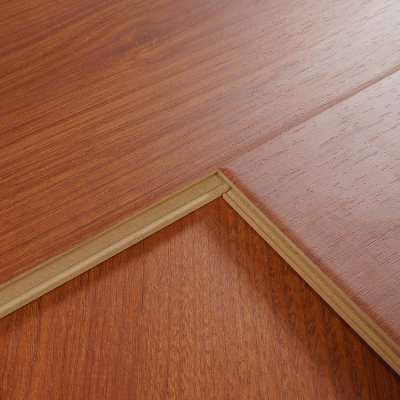
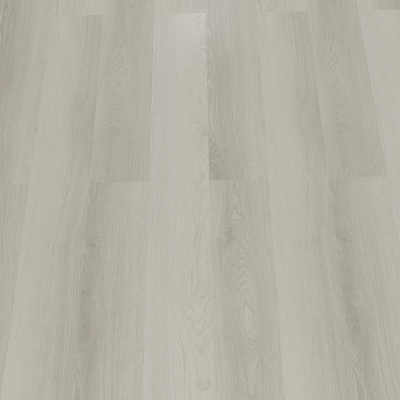
| Color Range | Light, medium, dark wood tones, and gray variations | Visual spatial expansion and interior harmony |
Structure and Material Composition
Overlay Layer: Melamine resin for wear and scratch resistance.
Decorative Layer: High-resolution printed decor paper offering desired color and wood/stone pattern.
Core Layer: High-density fiberboard (HDF) engineered for thermal stability and impact resistance.
Backing Layer: Moisture-resistant layer for stability, reducing plank deformation in small, compact rooms.
Manufacturing Process
Material Preparation: HDF selection, melamine resin, decorative paper color calibration.
Lamination: Multi-layer high-pressure lamination at 120–150°C, 8–12 MPa.
Cooling: Gradual cooling to prevent internal stress affecting color integrity.
Cutting: CNC or precision guillotine cutting to size.
Surface Finishing: UV-cured coating for color retention and gloss control.
Inspection: Color consistency, dimensional accuracy, and defect control.
Packaging: Protective wrapping ensuring color and surface protection during shipping.
Industry Comparison
| Flooring Type | Color Range | Durability | Cost Range (USD/m²) | Recommended Use |
|---|---|---|---|---|
| Laminate Flooring (Compact Rooms) | Light to medium tones | High | 15–30 | Small Residential, Offices |
| SPC Flooring | Limited wood tones, gray | Very High | 20–35 | Wet Areas, Compact Commercial |
| LVP | Wide range of colors | Medium | 12–25 | Small residential with high moisture |
| Engineered Hardwood | Natural wood tones | High | 25–50 | Premium compact spaces |
Application Scenarios
Small residential rooms or apartments
Compact office or coworking spaces
Hotel rooms and hospitality units
Showrooms and boutique retail areas
EPC projects requiring bulk selection for multi-room layouts
Core Pain Points and Solutions
1. Room Appearing Smaller
Use light-toned laminate flooring with subtle patterns to enhance visual space.
2. Poor Color Consistency Across Planks
Source from certified manufacturers with strict color quality control.
3. Light Reflection Issues
Choose appropriate gloss level (matte or semi-gloss) to avoid glare in small spaces.
4. Maintenance Visibility
Medium tones hide dust better than very dark or very light planks while maintaining brightness.
Risk Warnings and Mitigation
Avoid extremely dark colors that reduce perceived room size.
Ensure adequate lighting when choosing color samples.
Check color consistency across production batches for multi-room projects.
Monitor moisture content to prevent plank warping affecting visual aesthetics.
Follow EPC specifications for commercial and multi-unit residential projects.
Procurement and Selection Guide
Identify room size and lighting conditions to guide color selection.
Check manufacturer color samples under actual lighting conditions.
Assess wear layer and gloss level for durability and light reflection.
Confirm material certifications (ISO, ASTM, CE) for quality assurance.
Request bulk samples for color verification across all rooms.
Evaluate compatibility with underfloor heating if applicable.
Negotiate factory-direct bulk pricing for EPC or multi-room projects.
Engineering Case Study
Residential Apartment – Urban Compact Units
Project area: 1,500 m² across 25 units
Selected color: Light oak to maximize perceived space
Thickness: 8 mm HDF core, wear layer 0.5 mm
Installation: Floating system with perimeter expansion gaps
Outcome: Enhanced brightness, uniform color perception, high occupant satisfaction
FAQ – Laminate Flooring Color Selection for Small Rooms
1. Which colors make small rooms appear larger?
Light and neutral tones, such as beige, pale oak, or gray.
2. Is high-gloss laminate recommended?
Matte to semi-gloss is preferred; high-gloss may cause glare.
3. How does plank width affect perception?
Wider planks can make rooms feel more expansive; narrow planks may segment the space.
4. Can patterns reduce perceived space?
Complex or dark patterns can make rooms appear smaller; subtle wood grains are ideal.
5. Should underlay color influence laminate selection?
Yes, the underlay can slightly affect the top color appearance, especially in thin planks.
6. How to ensure color consistency in bulk orders?
Request batch verification and pre-production color approval from supplier.
7. Are medium tones a compromise option?
Yes, they balance brightness and maintenance ease.
8. Does laminate flooring fade over time?
UV-resistant overlays minimize fading; avoid prolonged direct sunlight exposure.
9. Can small rooms use dark laminate with adequate lighting?
Yes, if lighting and wall colors compensate, but lighter tones are generally safer.
10. Is professional installation necessary for color consistency?
Yes, precise alignment and spacing ensure visual uniformity across the room.
Request Technical Information or Quotation
For B2B procurement, bulk orders, and color consultation on laminate flooring for small rooms, contact our team for:
Color samples and visual mock-ups
Technical datasheets and durability reports
Installation guidelines for EPC or residential projects
Factory-direct pricing for bulk orders
Engineering sample provision for evaluation
Author Expertise (E-E-A-T)
This article is authored by a flooring and interior engineering expert with over 12 years of experience in laminate and engineered flooring applications. Recommendations and data are validated using ISO and ASTM standards, ensuring technical accuracy for B2B procurement, EPC projects, and professional consultation.