Flooring for Restaurant Design Firms
What Is Flooring for Restaurant Design Firms
From an engineering hospitality design and commercial construction perspective, flooring for restaurant design firms is defined as a flooring system selected and specified for the unique requirements of food service environments—where aesthetic appeal, durability, slip resistance, and ease of maintenance are paramount. Restaurant design firms specialize in creating dining spaces that balance brand identity, customer experience, and operational functionality. The global restaurant design and fit-out market represents a significant segment of the hospitality construction sector, with new restaurant openings and renovations driving demand for durable, design-forward flooring solutions.
The material requirements for restaurant flooring are shaped by the specific demands of food service: high foot traffic, frequent cleaning, exposure to food and beverage spills, grease, and cleaning chemicals. Restaurant environments typically experience 100-500 customers daily, with high-traffic areas such as entrances, service corridors, and kitchen entrances experiencing significantly higher loads. Flooring must maintain appearance through heavy use while supporting the restaurant's brand identity and creating an inviting dining atmosphere.
The essential distinction from other commercial flooring is the integration with food service operations and the need for slip resistance, chemical resistance, and ease of cleaning. Restaurant flooring must withstand the rigors of food service while supporting the design vision of the restaurant. The selection must be based on durability testing, slip resistance data, and maintenance requirements specific to food service environments.
Manufacturing Process and Restaurant-Grade Specifications
The production methods for restaurant flooring determine durability, slip resistance, and chemical resistance. Understanding manufacturing processes allows selection based on measurable properties that correlate to field performance.
Slip Resistance for Food Service
Slip resistance is critical in restaurant environments where spills are common. Flooring must maintain slip resistance in wet and greasy conditions. SPC and LVT with textured surfaces provide the required slip resistance. Porcelain tile with DCOF ≥0.80 wet provides superior slip resistance for kitchen areas.
Chemical Resistance
Restaurant flooring must resist cleaning chemicals and food acids. PVC-based products offer excellent chemical resistance. Epoxy and polyurethane coatings provide superior chemical resistance for kitchen areas. Chemical resistance testing per ASTM D543 ensures compatibility.
Technical Specifications for Restaurant Flooring
Durability Requirements by Area
| Area | Traffic Level | Slip Risk | Recommended Material | Wear Layer |
|---|---|---|---|---|
| Dining room | High | Moderate | LVT/SPC | 0.5 mm |
| Kitchen | Very high | High | Tile/Epoxy | N/A |
| Bar area | High | High | LVT/SPC/Tile | 0.5 mm |
| Entryway | High | High | LVT/SPC/Tile | 0.5 mm |
| Restrooms | Moderate | High | LVT/SPC/Tile | 0.5 mm |
Slip Resistance Requirements
| Area | Dry DCOF | Wet DCOF | Recommended Surface |
|---|---|---|---|
| Dining room | ≥0.60 | ≥0.60 | Textured LVT/SPC |
| Kitchen | ≥0.80 | ≥0.80 | Textured tile/epoxy |
| Bar area | ≥0.70 | ≥0.70 | Textured LVT/SPC |
| Entryway | ≥0.70 | ≥0.70 | Textured tile/SPC |
Chemical Resistance Requirements
| Chemical | LVT | SPC | Porcelain Tile | Epoxy |
|---|---|---|---|---|
| Grease | Excellent | Excellent | Excellent | Excellent |
| Food acids | Good | Good | Excellent | Excellent |
| Cleaning chemicals | Good | Good | Excellent | Excellent |
Advantages in Real Projects
Aesthetic Versatility
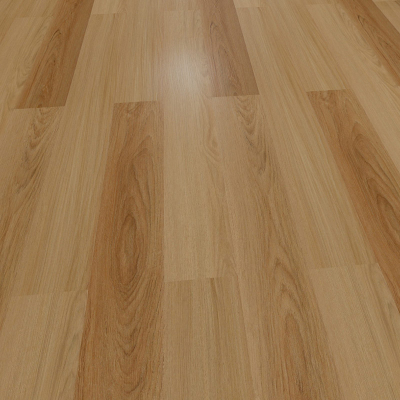
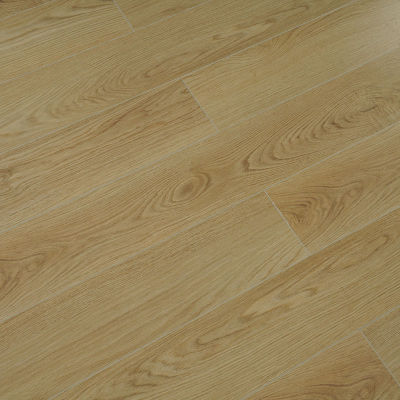
Restaurant design requires flooring that supports the overall design concept. LVT offers extensive design flexibility with realistic wood, stone, and abstract designs. The design versatility supports various restaurant aesthetics from casual to fine dining.
Durability Under Food Service Loads
Restaurant flooring must withstand heavy traffic, spills, and cleaning. SPC and LVT with thick wear layers provide the required durability. Tile and epoxy provide superior durability for kitchen areas. Durable flooring reduces maintenance and replacement costs.
Slip Resistance
Slip resistance is critical for customer and staff safety. Textured flooring provides slip resistance in wet and greasy conditions. Slip-resistant coatings can enhance the performance of smooth flooring. Compliance with ADA and local building codes is essential.
Ease of Maintenance
Restaurant flooring must be easy to clean and maintain. LVT and SPC require only sweeping and damp mopping. Tile and epoxy require periodic deep cleaning. Low-maintenance flooring reduces labor costs and supports hygiene.
Flooring for Restaurant Design Firms vs Other Systems
LVT vs Tile vs Epoxy for Restaurants
| Parameter | LVT | Tile | Epoxy |
|---|---|---|---|
| Design versatility | Excellent | Good | Limited |
| Durability | Good | Excellent | Excellent |
| Slip resistance | Good | Excellent | Excellent |
| Chemical resistance | Good | Excellent | Excellent |
| Cost ($/m²) | 30-60 | 50-100 | 60-120 |
Waterproof vs Non-Waterproof Systems
Waterproof systems (SPC, LVT, tile, epoxy) are required for food service areas. Carpet is not suitable for dining areas due to staining and hygiene concerns. Waterproof flooring simplifies cleaning and maintenance.
Cost, Durability, and Design Comparison
LVT provides the best balance of cost, design versatility, and durability for dining areas. Tile and epoxy provide superior durability for kitchen and back-of-house areas. The choice depends on the specific area and requirements.
Application Scenarios
Fine Dining Restaurants
Fine dining requires premium flooring that supports the upscale atmosphere. LVT with realistic wood or stone designs provides the required aesthetic. The flooring should be quiet and comfortable underfoot. Durability must support the high-end customer experience.
Casual Dining and Fast Casual
Casual dining requires durable, easy-to-maintain flooring. LVT and SPC provide the durability and design flexibility required. The flooring should support the brand identity. Installation speed supports renovation timelines.
Quick Service Restaurants
Quick service restaurants require highly durable, easy-to-clean flooring. SPC and tile provide the required durability. The flooring must withstand heavy traffic and frequent cleaning. Slip resistance is critical for staff safety.
Bars and Lounges
Bar areas require flooring that resists spills and is easy to clean. LVT and tile provide the required performance. Slip resistance is critical for staff safety. The flooring should support the bar's design concept.
Commercial Kitchens
Kitchens require the most durable and chemical-resistant flooring. Epoxy, polyurethane, and porcelain tile are the preferred materials. The flooring must withstand grease, heat, and heavy cleaning. Drainage and slope to drains should be considered.
Installation Guide for Restaurant Design
Phased Installation for Operating Restaurants
Plan installation during off-hours to minimize disruption to restaurant operations. Nighttime installation reduces impact on customers. Phased installation allows the restaurant to remain open during renovation. Coordinate with restaurant operations for schedule.
Substrate Preparation
Ensure subfloor is smooth, dry, and level. Repair any damage before installation. Test moisture for concrete subfloors. Coordinate with other trades for timeline.
Material Ordering
Order material 6-8 weeks before installation. Allow for acclimation before installation. Confirm delivery dates with the manufacturer. Coordinate with the contractor for logistics.
Quality Assurance
Inspect material upon delivery for damage or defects. Verify color consistency across the order. Conduct pre-installation testing. Document installation for warranty purposes.
Common Installation Mistakes
Installing over uneven subfloor causes telegraphing. Insufficient acclimation results in dimensional changes. Inadequate moisture testing leads to adhesive failure. Poor seam construction compromises appearance.
Common Problems & Solutions
Slip and Fall Incidents
The challenge: Slip and fall incidents in restaurants pose a liability risk. The solution is selecting flooring with appropriate slip resistance. Textured flooring provides slip resistance in wet conditions. Slip-resistant coatings can enhance performance.
Grease and Oil Damage
The challenge: Grease and oil can damage flooring over time. The solution is selecting flooring with chemical resistance. Regular cleaning removes grease and oil buildup. Grease-resistant flooring extends service life.
Cleaning and Maintenance
The challenge: Restaurant flooring requires frequent cleaning. The solution is selecting easy-to-clean materials. LVT and SPC require only sweeping and damp mopping. Regular maintenance preserves the appearance.
Design Changes
The challenge: Design changes during the planning process affect flooring selection. The solution is selecting versatile products that accommodate design changes. LVT offers wide design flexibility. Samples should be approved before ordering.
FAQ
What is the best flooring for restaurant dining areas?
LVT is the most common flooring for restaurant dining areas due to its design versatility, durability, and ease of maintenance. SPC provides additional durability for high-traffic areas. Tile is suitable for casual dining and outdoor areas.
What flooring is best for restaurant kitchens?
Epoxy, polyurethane, and porcelain tile are the best flooring options for restaurant kitchens. These materials provide chemical resistance, durability, and slip resistance. The flooring should be easy to clean and maintain.
Is LVT suitable for restaurant kitchens?
LVT is suitable for restaurant kitchens with proper slip resistance and chemical resistance. SPC provides additional durability for kitchen areas. Tile and epoxy are preferred for high-volume kitchens.
What is the most durable restaurant flooring?
Epoxy and porcelain tile are the most durable restaurant flooring options. They withstand heavy traffic, grease, and frequent cleaning. LVT and SPC provide good durability for dining areas.
How does flooring affect restaurant ambiance?
Flooring significantly affects restaurant ambiance through color, texture, and pattern. The flooring should support the restaurant's brand identity and design concept. Comfortable, quiet flooring enhances the dining experience.
**What is the cost of restaurant flooring?
LVT costs $30-60/m² installed. SPC costs $25-50/m² installed. Tile costs $50-100/m² installed. Epoxy costs $60-120/m² installed. The cost varies by product quality and installation requirements.
**Can restaurant flooring be installed without closing?
Yes, phased installation allows renovation while the restaurant remains open. Nighttime installation minimizes disruption. Phased installation allows partial operation during construction. Effective planning minimizes disruption to restaurant operations.
**What slip resistance is required for restaurant flooring?
Wet DCOF of ≥0.60 is required for dining areas. Wet DCOF of ≥0.80 is recommended for kitchen areas. Slip resistance should meet local building codes and ADA requirements.
Industry Standards and Certifications
ASTM Standards
ASTM C1028 provides slip resistance testing. ASTM D543 provides chemical resistance testing. ASTM D5199 provides thickness measurement. ASTM F1914 provides indentation resistance testing.
EN Standards
EN 14041 provides product standards. EN ISO 10874 provides use class classification. EN 13329 provides laminate flooring standards.
Building Codes
ADA requirements include slip resistance for accessible routes. IBC requirements for commercial buildings include fire safety and accessibility standards. Slip resistance is required for customer safety.
What These Standards Mean for Design Firms
ASTM/EN standards ensure product performance. Building codes ensure compliance. For procurement, require ASTM/EN compliance, slip resistance documentation, and building code compliance.
Conclusion
The selection of flooring for restaurant design firms is determined by three engineering criteria: aesthetic versatility (supporting the restaurant's brand identity), durability (withstanding food service loads), and slip resistance (ensuring customer and staff safety). LVT provides the optimal balance for dining areas; tile and epoxy for kitchen areas.
LVT with appropriate slip resistance and design flexibility is recommended for dining areas, bars, and front-of-house spaces. SPC provides additional durability for high-traffic areas. Tile and epoxy are recommended for commercial kitchens and back-of-house areas where chemical resistance and durability are critical.
The risk priority order for restaurant flooring includes slip and fall incidents, grease and oil damage, cleaning and maintenance requirements, and design changes during planning. Cost versus performance trade-off favors LVT for dining areas; tile and epoxy for kitchen areas.
For restaurant design firms optimizing brand identity, customer experience, and operational efficiency, LVT and SPC with documented slip resistance and performance characteristics provide the optimal balance of material performance and restaurant success.