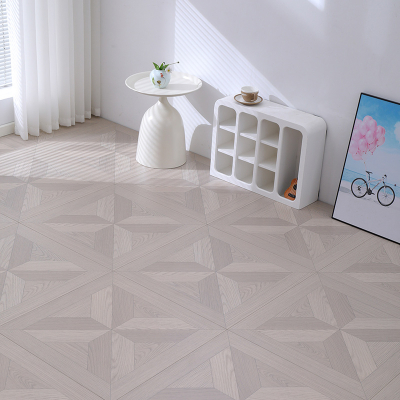
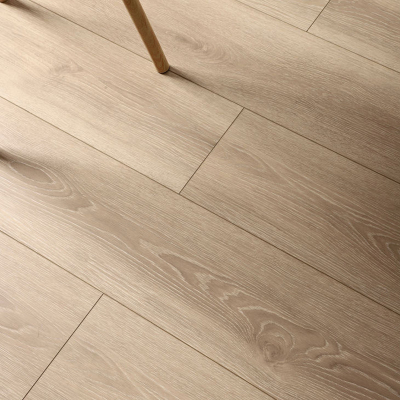
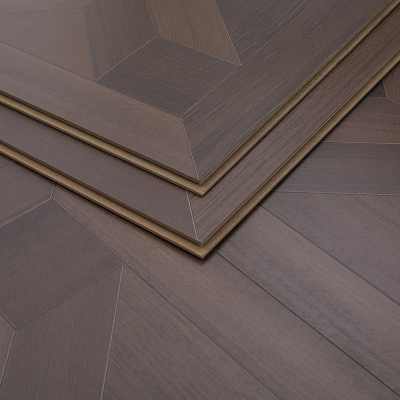
Flooring for Museum Exhibition Halls
What Is Flooring for Museum Exhibition Halls
From an engineering facility management and cultural heritage preservation perspective, flooring for museum exhibition halls is defined as a flooring system that balances four critical and often competing requirements: aesthetic presentation of artwork, conservation of artifacts through environmental control, durability for high visitor traffic, and flexibility for changing exhibition layouts. Museum floors must support the visual experience of displayed works while maintaining the stable environmental conditions required for art preservation, all while withstanding millions of visitor footsteps annually.
The material structure of museum exhibition flooring must address the specific needs of art display environments: low reflectance to minimize glare, neutral color palettes to avoid competing with exhibited works, thermal and acoustic properties that support visitor comfort, and compatibility with the museum's overall interior design language. The flooring must also accommodate the movement of heavy exhibition components such as freestanding walls and display cases.
The traditional approach for museum floors used hardwood or stone. Modern museum practice increasingly employs engineered wood, resilient flooring, and specialized carpet systems that provide the required aesthetic and conservation properties while meeting durability standards for high-traffic cultural institutions. The original engineering purpose of selecting flooring for museum exhibition halls is to create a neutral, durable surface that supports the display of art while meeting the operational requirements of a major cultural institution.
The essential difference from standard commercial flooring is the integration of aesthetic neutrality, conservation compatibility, and the ability to support changing exhibition layouts over the museum's lifecycle. The selection must be based on reflectance values, environmental stability, durability testing, and lifecycle cost analysis specific to museum environments.
Manufacturing Process of Museum Exhibition Flooring
The production methods for museum-grade flooring determine aesthetic properties, environmental stability, and durability. Understanding manufacturing processes allows selection based on measurable properties that correlate to field performance in cultural institutions.
Engineered Wood Production for Museums
Engineered wood for museum applications uses a real wood veneer over a plywood or HDF core with specialized finishes. The production process includes low-VOC adhesives and finishes that meet museum indoor air quality standards. The cross-laminated construction provides dimensional stability that minimizes gaps from seasonal humidity variation, which is critical for maintaining the seamless appearance required in exhibition spaces.
Resilient Flooring Production for Cultural Institutions
Resilient flooring for museums uses homogeneous or heterogeneous construction with matte finishes to reduce glare. The manufacturing process includes antimicrobial additives for hygiene and specialized wear layers for durability. Neutral color palettes with low-light reflectance values are standard for museum applications.
Carpet Systems for Exhibition Spaces
Carpet systems for museums use dense, low-pile construction with stain-resistant treatments and antimicrobial protection. The manufacturing process includes specialized backing systems that provide dimensional stability and acoustic absorption for visitor comfort.
Technical Specifications for Museum Exhibition Flooring
Reflectance and Glare Control
Museum exhibition floors must have low reflectance to minimize glare that could interfere with the viewing of artworks. Typical museum flooring has gloss levels below fifteen Gardner units, with matte finishes preferred for most exhibition spaces. The color palette is typically neutral to avoid competing with displayed works.
Environmental Stability
Museum exhibition halls require stable temperature and humidity conditions for art preservation. Flooring materials must have dimensional stability that prevents gapping or buckling with humidity variation. Wood-based products must be compatible with the museum's environmental control systems.
Acoustic Performance
Acoustic comfort is important in museum exhibition halls where visitor experience is enhanced by appropriate ambient sound levels. Flooring systems should provide impact sound reduction to minimize footfall noise that could disturb the visitor experience.
Advantages in Real Projects
Performance in Museum Environments
Museum exhibition flooring must maintain appearance through high visitor traffic while supporting the conservation requirements of displayed artworks. Flooring materials with appropriate durability and ease of maintenance are essential for cultural institutions with continuous public access.
Conservation Compatibility
Museum flooring must not off-gas volatile organic compounds that could damage sensitive artworks. Low-VOC materials with appropriate emissions testing are required. Flooring must also be compatible with the museum's cleaning and maintenance protocols that use conservation-approved products.
Visitor Experience Enhancement
The visitor experience in museum exhibition halls is enhanced by appropriate flooring that provides comfort, reduces noise, and supports the visual presentation of artworks. Flooring choices should align with the museum's overall design language and exhibition themes.
Flooring for Museum Exhibition Halls vs Other Flooring Systems
Material Comparison by Performance Metric
| Parameter | Engineered Wood | Resilient Flooring | Carpet System | Stone/Terrazzo |
|---|---|---|---|---|
| Aesthetic neutrality | Excellent | Good | Moderate | Excellent |
| Glare control | Excellent | Very good | Excellent | Good |
| Acoustic absorption | Low | Low | Excellent | Low |
| Durability | Good | Excellent | Moderate | Excellent |
| Conservation compatibility | Very good | Excellent | Moderate | Excellent |
| Installation flexibility | Moderate | Excellent | Excellent | Low |
Zone-Specific Recommendations
Main exhibition halls require neutral, low-glare surfaces that support art display. Temporary exhibition spaces benefit from flexible flooring systems that accommodate changing layouts. Circulation areas require durability for high visitor traffic.
Cost, Durability, and Conservation Comparison
Engineered wood provides the traditional museum aesthetic with good durability and conservation compatibility. Resilient flooring offers excellent durability and flexibility for changing exhibitions. Carpet systems provide superior acoustic performance for visitor comfort.
Application Scenarios
Main Exhibition Halls
Engineered wood with matte finishes provides the traditional museum aesthetic with low glare and good durability. The neutral appearance supports the display of diverse artworks while maintaining the museum's design language.
Temporary Exhibition Spaces
Resilient flooring systems offer flexibility for changing exhibitions with excellent durability and conservation compatibility. The ability to accommodate heavy exhibition components and frequent layout changes makes resilient flooring suitable for temporary exhibition spaces.
Circulation Areas and Foyers
Stone or terrazzo provides exceptional durability for high-traffic circulation areas and museum entrances. The aesthetic impact of these materials supports the monumental architecture often found in cultural institutions.
Educational and Interactive Areas
Carpet systems provide acoustic absorption for educational spaces where noise reduction enhances the learning experience. The comfort and warmth of carpet is appropriate for family-oriented museum spaces.
Installation Guide for Museum Exhibition Flooring
Substrate Preparation
Museum exhibition hall subfloors must be prepared to exacting standards due to the critical nature of the installation and conservation requirements. Concrete slabs require grinding and leveling to specified tolerances. Moisture testing is essential to prevent issues with adhesive-bonded flooring systems.
Environmental Conditioning
Flooring materials must be conditioned to the museum's environmental conditions before installation to prevent dimensional changes after installation. This conditioning period is essential for wood-based products that respond to humidity variation.
Seam and Transition Details
Seam and transition details must be carefully executed to maintain the seamless appearance required in exhibition spaces. Transitions between flooring zones must be flush to prevent trip hazards and maintain accessibility compliance.
Common Installation Mistakes
Inadequate environmental conditioning leads to dimensional changes after installation in museum environments with controlled humidity. Improper seam construction detracts from the aesthetic appearance of the exhibition space. Incompatible adhesives or finishes off-gas volatile organic compounds that could damage sensitive artworks.
Common Problems & Solutions
Glare from Floor Finishes
Inappropriate floor finishes can create glare that interferes with the viewing of artworks. The solution is using matte finishes with gloss levels below fifteen Gardner units and selecting materials with low reflectance values.
Environmental Incompatibility
Flooring materials that are incompatible with museum environmental conditions may gap or buckle with humidity variation. The solution is selecting materials with dimensional stability appropriate for controlled museum environments.
Durability in High-Traffic Areas
High-traffic areas in museum exhibition halls may show wear more quickly than lower-traffic zones. The solution is specifying appropriate wear layer thickness and implementing maintenance programs for surface restoration.
Conservation Compliance
Flooring materials that off-gas volatile organic compounds can damage sensitive artworks. The solution is selecting low-VOC materials with appropriate emissions testing and museum-approved cleaning protocols.
FAQ
What is the best flooring for museum exhibition halls?
Engineered wood with matte finishes is the traditional choice for museum exhibition halls, providing aesthetic neutrality and good durability. Resilient flooring offers excellent durability and flexibility for changing exhibitions. Carpet systems provide superior acoustic performance for visitor comfort.
Does museum flooring need special conservation properties?
Yes, museum flooring must not off-gas volatile organic compounds that could damage sensitive artworks. Low-VOC materials with appropriate emissions testing are required. Flooring must also be compatible with museum-approved cleaning and maintenance protocols.
How does museum flooring affect art display?
Museum flooring affects art display through glare control, color neutrality, and acoustic properties. Low-glare, neutral-colored flooring provides a non-distracting background for artworks. Appropriate acoustic properties enhance the visitor experience.
Is engineered wood suitable for museums?
Yes, engineered wood with matte finishes and low-VOC finishes is suitable for museum exhibition halls. The dimensional stability of engineered wood is preferred over solid wood for controlled museum environments.
What is the cost of museum exhibition flooring?
Engineered wood for museums costs sixty to one hundred twenty dollars per square meter installed. Resilient flooring costs forty to eighty dollars per square meter. Carpet systems cost fifty to one hundred dollars per square meter. Stone and terrazzo costs one hundred to two hundred dollars per square meter.
Does museum flooring need special maintenance?
Museum flooring requires maintenance using conservation-approved products and protocols. Cleaning methods must not introduce chemicals that could damage artworks or compromise the museum's environmental stability.
Is carpet used in museum exhibition halls?
Carpet is used in some museum exhibition halls, particularly in temporary exhibition spaces and educational areas where acoustic absorption enhances the visitor experience. Carpet systems must meet conservation standards for low-VOC emissions.
How long does museum exhibition flooring last?
Engineered wood in museum exhibition halls typically lasts fifteen to twenty-five years with proper maintenance. Resilient flooring lasts ten to twenty years. Carpet systems last eight to fifteen years depending on traffic levels.
Industry Standards and Certifications
Conservation Standards
Museum flooring must meet emissions standards for volatile organic compounds to protect displayed artworks. Low-VOC materials with appropriate third-party testing are required. Flooring must also be compatible with museum environmental control systems.
Acoustic Standards
Museum exhibition halls may have acoustic performance requirements for visitor comfort and artwork presentation. Flooring impact sound reduction contributes to the overall acoustic environment.
Quality Management
ISO 9001 certification for manufacturers ensures consistent product quality. ISO 14001 certification indicates environmental management practices relevant to cultural institutions.
What These Standards Mean for Procurement
Emissions testing ensures the flooring will not damage displayed artworks. Acoustic performance contributes to visitor experience. For procurement, require VOC emissions testing, acoustic data, and ISO 9001 certification.
Conclusion
The selection of flooring for museum exhibition halls is determined by four engineering criteria: aesthetic neutrality for art display, conservation compatibility for artifact protection, durability for high visitor traffic, and acoustic performance for visitor comfort. Engineered wood provides the traditional museum aesthetic with good conservation properties, while resilient flooring offers flexibility for changing exhibitions.
Engineered wood with matte finishes and low-VOC finishes is recommended for main exhibition halls where traditional aesthetic and durability are required. Resilient flooring is recommended for temporary exhibition spaces where flexibility and durability are priorities. Carpet systems are recommended for educational and interactive areas where acoustic absorption enhances the visitor experience.
The risk priority order for museum exhibition flooring includes glare from inappropriate finishes, VOC emissions that could damage artworks, wear from high visitor traffic, and acoustic issues that affect visitor experience. Cost versus performance trade-off favors engineered wood for its combination of aesthetic neutrality, conservation compatibility, and durability.
For museum exhibition halls, engineered wood with matte finishes, low-VOC finishes, and appropriate dimensional stability provides the optimal balance of aesthetic presentation, conservation compatibility, and durability for cultural institutions. floorcasa museum flooring offers engineered wood, resilient, and carpet solutions for all museum exhibition spaces.