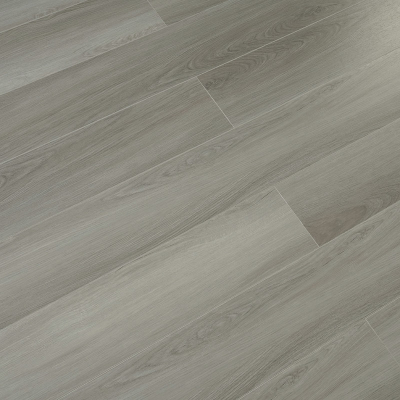
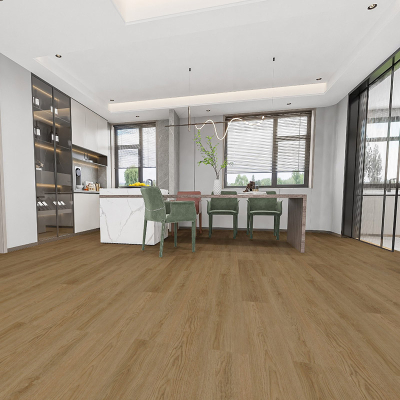
Flooring with Bio-Based Plasticizer
What Is Flooring with Bio-Based Plasticizer
From an engineering materials science and sustainable building perspective, flooring with bio-based plasticizer is defined as vinyl flooring manufactured using plasticizers derived from renewable resources—typically vegetable oils, agricultural waste, or biomass feedstocks—rather than conventional petrochemical-based plasticizers. Bio-based plasticizers serve the same fundamental function as traditional plasticizers: they are incorporated into PVC to increase flexibility, durability, and workability of the rigid polymer. However, they achieve this while reducing reliance on fossil fuels and lowering the carbon footprint of the finished flooring product.
The distinction between bio-based and conventional plasticizers is significant for environmental performance. Conventional plasticizers such as phthalates are derived from petrochemicals and have raised health and environmental concerns. The non-phthalate shift has accelerated, with bio-based plasticizers representing a further step toward renewable sourcing. Products utilizing bio-based plasticizers typically combine them with bio-attributed PVC or recycled content to maximize sustainability, with some products achieving up to seventy-five percent natural or renewable raw material content.
The material structure of flooring with bio-based plasticizer includes the same core components as conventional vinyl: PVC resin, plasticizer, stabilizers, fillers, and pigments. The plasticizer—typically derived from vegetable oils such as soybean oil, epoxidized oils, or citrate esters—is incorporated during compounding and processing. The performance characteristics are comparable to or exceed those of conventional products, with bio-based plasticizers demonstrating good compatibility, low volatility, and excellent thermal stability. The growing market for bio-based plasticizers reflects increasing regulatory pressure on phthalates and demand for sustainable building materials.
Manufacturing Process of Flooring with Bio-Based Plasticizer
The production methods for flooring with bio-based plasticizer incorporate the bio-based additive during PVC compounding and processing. Understanding manufacturing processes allows selection based on measurable properties that correlate to field performance.
Bio-Based Plasticizer Synthesis
Bio-based plasticizers are derived from renewable feedstocks through various chemical processes. Epoxidized soybean oil is produced by reacting soybean oil with peracids to convert unsaturated fatty acid chains into epoxide groups. Citrate esters are synthesized from citric acid derived from fermentation processes. Vegetable oil-based plasticizers, such as those produced by Alfa Chemistry, are refined from food-grade vegetable oils and are non-exuding and mold-resistant. Recent innovations include algae-derived plasticizers achieving bio-content exceeding eighty percent without competing with edible oil supply chains.
The bio-based plasticizer must meet performance specifications including low color, high compatibility with PVC, and thermal stability. Products from Alfa Chemistry, for example, are designed specifically for PVC flooring surface layers and substrates, with flash points above 200°C to meet processing requirements.
PVC Compounding and Flooring Production
The bio-based plasticizer is compounded with PVC resin, stabilizers, fillers, and pigments during the flooring manufacturing process. The compounded material is then calendered or extruded into sheet form. Products such as Tarkett iQ Natural use approximately seventy-five percent natural or renewable raw materials, combining bio-attributed PVC with bio-based plasticizers. Gerflor Mipolam Symbioz features a 100% bio-based plasticizer with seventeen percent total bio-content.
Processing Considerations
Bio-based plasticizers must be compatible with PVC and provide appropriate gelation and fusion during processing. Vegetable oil-based plasticizers have overcome issues of poor plasticizing efficiency seen in earlier epoxy soybean oil products. Recent patent applications describe bio-based plasticizer formulations that reduce migration between layers while maintaining thermal stability and mechanical performance. Lower processing temperatures are possible due to optimized gelling points of bio-based plasticizer blends.
Technical Specifications for Flooring with Bio-Based Plasticizer
Bio-Content and Renewable Material Percentage
| Product | Bio-Based Plasticizer | Total Renewable Content | Application |
|---|---|---|---|
| Tarkett iQ Natural | Yes | ~75% natural/renewable | Healthcare, education, retail |
| Gerflor Mipolam Symbioz | 100% | 17% bio-content | Healthcare, high traffic |
| Alfa Chemistry BSP-6A/B | 100% | Derived from vegetable oils | Flooring surface/substrate |
Performance Characteristics
Flooring with bio-based plasticizer must meet the same performance standards as conventional vinyl. Gerflor Mipolam Symbioz demonstrates wear resistance of ≤ 2.0 mm³, slip resistance R9, indentation ≤ 0.10 mm, and TVOC after 28 days below 10 µg/m³. Tarkett iQ Natural achieves ISO class 4 airborne particle emissions, excellent decontamination to ISO 8690, and wet room approval to EN 13553.
Durability and Maintenance
Bio-based plasticizer flooring offers comparable or enhanced durability to conventional products. The EverCare surface treatment on Gerflor products provides stain and chemical resistance, no-wax maintenance, and scuff resistance. Dry-buffing surface restoration is possible without polish or wax.
Advantages in Real Projects
Environmental Performance
Bio-based plasticizer flooring reduces reliance on fossil fuels and lowers embodied carbon. Products with bio-attributed PVC and bio-based plasticizers can achieve significantly lower carbon footprints compared to conventional vinyl. The shift to bio-based plasticizers is part of a broader industry movement toward sustainable flooring, with manufacturers focusing on low-VOC products, recycled content, and end-of-life recyclability.
Indoor Air Quality
Bio-based plasticizer flooring typically achieves very low VOC emissions. Products such as Mipolam Symbioz have TVOC levels below 10 µg/m³ after twenty-eight days, supporting high indoor air quality standards. The elimination of phthalates and formaldehyde contributes to healthier indoor environments.
Regulatory Compliance
Bio-based plasticizer flooring meets stringent regulatory requirements. It is REACH compliant, phthalate-free, and formaldehyde-free. The use of bio-based plasticizers aligns with California Proposition 65 compliance and green building certification requirements.
End-of-Life Considerations
Many bio-based plasticizer flooring products are recyclable. Tarkett iQ Natural offers closed-loop recycling of clean off-cuts through the ReStart program. Gerflor products are 100% recyclable with up to twenty-five percent recycled content.
Flooring with Bio-Based Plasticizer vs Other Flooring Systems
Bio-Based vs Conventional vs Recycled Content Vinyl
| Parameter | Bio-Based Plasticizer | Conventional Plasticizer | Recycled Content |
|---|---|---|---|
| Plasticizer source | Renewable | Petrochemical | Variable |
| Phthalate-free | Yes | Variable | Variable |
| Carbon footprint | Lower | Higher | Moderate |
| VOC emissions | Very low | Variable | Variable |
| Cost premium | 10-20% | Baseline | 5-15% |
| Performance | Comparable | Baseline | Comparable |
Market Context
The global non-phthalate plasticizers market was valued at $3.8 billion in 2025, with bio-based plasticizers representing a significant growth segment. The shift toward bio-based alternatives is driven by regulatory restrictions on phthalates and demand for sustainable building materials. Terephthalates such as DOTP currently lead the non-phthalate market, but bio-based options are gaining traction.
Cost, Performance, and Sustainability Comparison
Flooring with bio-based plasticizer typically carries a 10-20% cost premium over conventional products, reflecting the renewable sourcing and manufacturing processes. Performance is comparable to or exceeds conventional products. The sustainability benefits include reduced fossil fuel dependence, lower embodied carbon, and support for green building certification.
Application Scenarios
Healthcare Facilities
Bio-based plasticizer flooring is well-suited for healthcare environments requiring durability, hygiene, and indoor air quality. Products such as iQ Natural and Mipolam Symbioz offer excellent decontamination, antimicrobial properties, and low VOC emissions. The seamless sheet construction supports infection control requirements.
Educational Institutions
Schools and universities benefit from the durability and indoor air quality of bio-based plasticizer flooring. Products with high abrasion resistance and low maintenance requirements suit high-traffic educational settings. The sustainable profile supports institutional environmental commitments.
Commercial Office Environments
Bio-based plasticizer flooring provides the design options and performance required for commercial offices. The range of colors and patterns accommodates various design requirements while supporting corporate sustainability goals.
Retail Spaces
Retail environments benefit from the durability and aesthetic options of bio-based plasticizer flooring. The stain and scratch resistance supports the demands of high-traffic retail settings.
Installation Guide for Bio-Based Plasticizer Flooring
Substrate Preparation
Bio-based plasticizer flooring requires the same substrate preparation as conventional vinyl. The substrate must be smooth, dry, and level with appropriate flatness tolerance. Moisture testing is required for all vinyl installations.
Adhesive Compatibility
Standard vinyl adhesives are compatible with bio-based plasticizer flooring. Adhesives should meet appropriate VOC standards for indoor air quality. Some products are available with click-lock systems or acoustic layers.
Acclimation and Installation
Bio-based plasticizer flooring requires acclimation to the installation environment, typically twenty-four to forty-eight hours at the installation temperature and humidity conditions. The installation method depends on the specific product.
Common Installation Mistakes
Inadequate substrate preparation leads to telegraphing of imperfections through the finished floor. Improper adhesive selection can result in bond failure. Substrate moisture issues cause adhesive failure or dimensional changes.
Common Problems & Solutions
Plasticizer Migration
Conventional plasticizers can migrate between layers or to the surface over time, causing loss of flexibility and surface defects. Bio-based plasticizer formulations reduce migration through improved compatibility and stability. Recent patent applications describe vegetable oil-derived plasticizers that significantly reduce plasticizer migration while maintaining thermal stability.
VOC Emissions
Conventional plasticizers can contribute to VOC emissions affecting indoor air quality. Bio-based plasticizer products achieve very low TVOC levels, typically below 10 µg/m³, supporting healthy indoor environments.
Performance Consistency
Bio-based plasticizers must maintain performance comparable to conventional alternatives. Current products demonstrate equivalent abrasion resistance, indentation resistance, and durability to conventional vinyl.
Cost Considerations
The cost premium for bio-based plasticizer flooring typically ranges from ten to twenty percent. The premium reflects the renewable sourcing and manufacturing processes. The cost is often offset by green building certification credits and environmental benefits.
FAQ
What is flooring with bio-based plasticizer?
Flooring with bio-based plasticizer is vinyl flooring manufactured using plasticizers derived from renewable resources such as vegetable oils, agricultural waste, or biomass, rather than conventional petrochemical-based plasticizers. These products reduce reliance on fossil fuels and lower the carbon footprint while maintaining comparable performance to conventional vinyl.
Is bio-based plasticizer flooring phthalate-free?
Yes, flooring with bio-based plasticizer is phthalate-free. Bio-based plasticizers are developed as alternatives to traditional phthalate plasticizers, which have raised health and environmental concerns. Products are typically REACH compliant and formaldehyde-free.
How does bio-based plasticizer affect indoor air quality?
Bio-based plasticizer flooring typically achieves very low VOC emissions, with TVOC levels below 10 µg/m³ after twenty-eight days in many products. This supports high indoor air quality standards and contributes to healthier indoor environments.
What is the cost of flooring with bio-based plasticizer?
Flooring with bio-based plasticizer typically carries a ten to twenty percent cost premium over conventional vinyl products, reflecting the renewable sourcing and manufacturing processes. The premium is often offset by green building certification credits and environmental benefits.
Is bio-based plasticizer flooring recyclable?
Yes, many bio-based plasticizer flooring products are recyclable. Some manufacturers offer closed-loop recycling programs for clean off-cuts. Products are often 100% recyclable with up to twenty-five percent recycled content.
What products are available with bio-based plasticizer?
Tarkett iQ Natural is a homogeneous sheet vinyl with bio-attributed PVC and bio-based plasticizer, approximately seventy-five percent natural or renewable raw materials. Gerflor Mipolam Symbioz features a 100% bio-based plasticizer with seventeen percent bio-content. Other manufacturers offer products with vegetable oil-derived plasticizers.
Does bio-based plasticizer affect flooring performance?
Bio-based plasticizer flooring offers comparable or enhanced performance to conventional vinyl. Products demonstrate high abrasion resistance, stain resistance, and durability suitable for heavy-traffic commercial applications.
What certifications apply to bio-based plasticizer flooring?
Bio-based plasticizer flooring may carry Greenguard Gold, FloorScore, or RTS Emission Class M1 certification for indoor air quality. Environmental Product Declarations and material health statements are also available. Products may be REACH compliant and phthalate-free.
Industry Standards and Certifications
Indoor Air Quality Standards
Bio-based plasticizer flooring should meet California Section 01350 or Greenguard Gold standards for VOC emissions. TVOC levels are typically below 10 µg/m³ after twenty-eight days. Products may carry FloorScore or RTS Emission Class M1 certification.
Product Standards
Homogeneous vinyl sheet flooring must meet EN 14041 and EN 10581. Products with foam interlayers meet EN ISO 11638. Use class classification follows EN ISO 10874, with products typically rated Class 34 and 42 for commercial applications.
Sustainability Certifications
Environmental Product Declarations provide verified environmental impact data. Material Health Statements document chemical content. Products may carry Cradle to Cradle certification or GreenTag accreditation. The Tarkett ReStart program provides closed-loop recycling.
What These Standards Mean for Procurement
Indoor air quality standards ensure occupant health. Product standards ensure performance and durability. Sustainability certifications verify environmental claims. For procurement, require Greenguard Gold or equivalent, EN standards compliance, and EPD documentation.
Conclusion
The selection of flooring with bio-based plasticizer is determined by three engineering criteria: bio-content percentage and renewable sourcing, performance characteristics for the application, and certification standards for verification. Bio-based plasticizer flooring provides equivalent performance to conventional products while supporting sustainability objectives.
Homogeneous sheet vinyl with bio-attributed PVC and bio-based plasticizer is recommended for commercial applications requiring durability and sustainability certification. Products with seventy-five percent or more natural or renewable raw materials provide the highest environmental benefit. All products should meet appropriate indoor air quality and performance standards.
The risk priority order for bio-based plasticizer flooring includes verification of bio-content claims, product consistency, availability and lead times, and cost premiums. Cost versus performance trade-off favors products with established bio-based plasticizer technology and third-party certification.
For sustainable building projects, flooring with bio-based plasticizer, third-party verified bio-content, Greenguard Gold certification, and documented performance standards provides the optimal balance of environmental benefit, product performance, and lifecycle value. floorcasa bio-based plasticizer flooring offers homogeneous sheet vinyl solutions for all sustainable building applications.