Fishbone Flooring in 2026 — Is Herringbone Still in Style?
As global interior design trends evolve, international buyers continue to ask a critical question: is herringbone still in style in 2026? From a B2B flooring perspective, the answer is increasingly clear. Fishbone flooring, often used interchangeably with herringbone flooring in global markets, is not only still relevant—it is entering a new phase of material diversification, technical optimization, and commercial scalability.
Rather than fading as a passing design trend, fishbone flooring has transitioned into a standardized premium solution across residential, hospitality, and light-commercial applications.
Global Flooring Industry Context
Design-Led Demand in Mature Markets
In Europe, North America, and parts of the Asia-Pacific region, flooring demand is increasingly driven by design identity rather than basic functionality. Buyers seek products that deliver:
Visual differentiation
Long-term aesthetic value
Compatibility with modern architectural styles
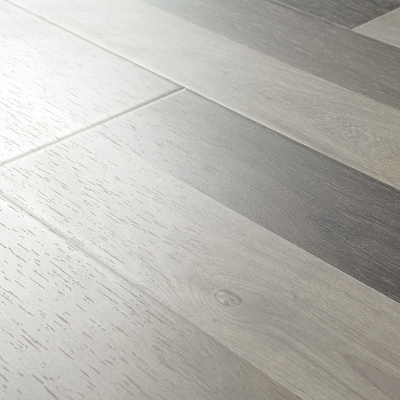
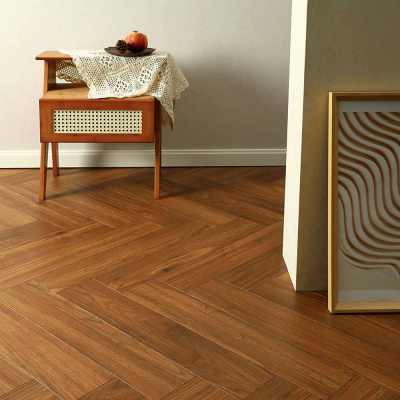
Fishbone flooring meets these criteria through its symmetrical layout and strong visual rhythm, making it a preferred option for projects that prioritize brand image and spatial character.
Market Data and Patterned Flooring Growth
Industry data indicates that patterned flooring—including fishbone flooring and other parquet formats—continues to outperform standard plank products in value growth. While straight-lay planks dominate volume, fishbone flooring captures a disproportionate share of mid- to high-end project budgets due to its perceived craftsmanship and design prestige.
Understanding Fishbone Flooring
Fishbone vs Herringbone Terminology
In international trade practice:
Fishbone flooring is commonly used in Asian and emerging markets
Herringbone flooring is the dominant term in Europe and North America
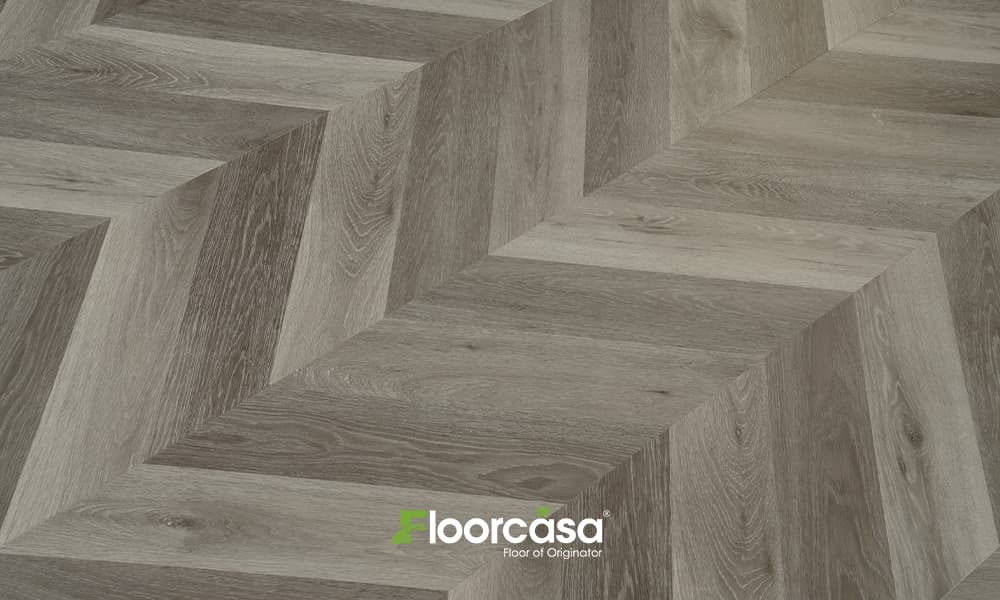
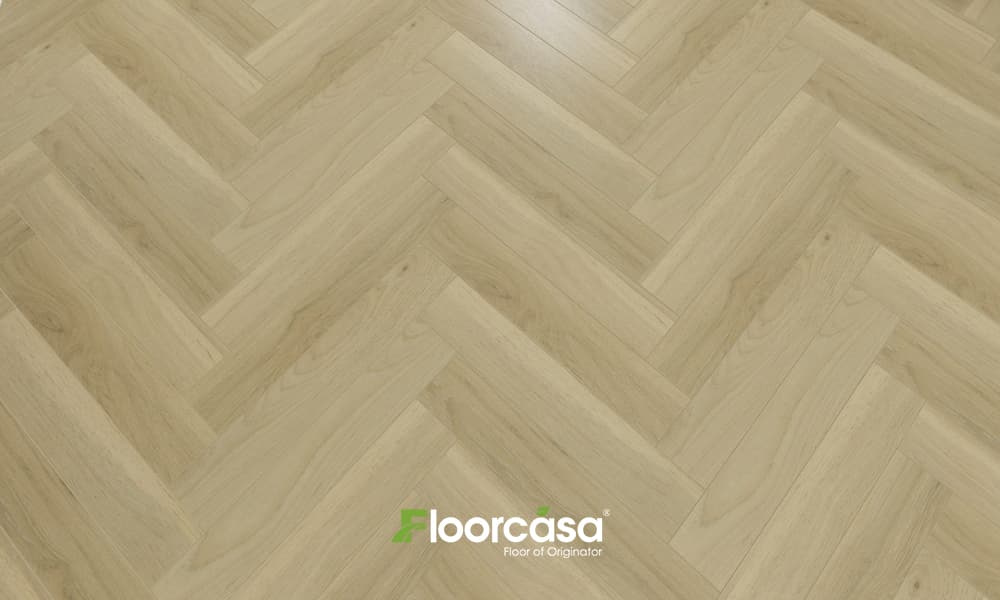
Structurally and visually, both describe the same 90-degree staggered zigzag pattern. From an SEO and export documentation standpoint, fishbone flooring functions as a regional keyword variant with strong commercial relevance.
Why the Pattern Endures
The longevity of fishbone flooring lies in its balance between geometry and neutrality. Unlike trend-sensitive decorative motifs, the fishbone pattern adapts seamlessly to:
Contemporary minimal interiors
Classic European-style architecture
Commercial spaces seeking understated luxury
2026 Design and Market Trends
Material Innovation Over Pattern Reinvention
The continued popularity of fishbone flooring in 2026 is driven less by pattern novelty and more by material innovation. Buyers are increasingly sourcing:
Engineered fishbone flooring for dimensional stability
Laminate fishbone flooring for cost-controlled projects
Rigid core fishbone flooring for moisture-sensitive environments
This shift allows the fishbone aesthetic to penetrate broader market segments.
Sustainability and Compliance Trends
Sustainability certifications, low-VOC emissions, and responsible sourcing have become non-negotiable in many markets. Fishbone flooring manufactured with certified cores and finishes aligns well with evolving regulatory frameworks in the EU and North America.
Technical Parameters of Fishbone Flooring
Dimensional Accuracy and Tolerances
Fishbone flooring requires tighter dimensional tolerances than standard plank flooring. Consistent plank length, width, and end-angle precision are essential to maintain pattern alignment across large floor areas.
Floorcasa applies multi-stage calibration and inspection to ensure export-grade consistency.
Core Structure Options
Common constructions include:
Engineered plywood core
High-density fiberboard (HDF) for laminate fishbone flooring
SPC or rigid core structures for enhanced stability
Each structure addresses different climatic, budgetary, and performance requirements.
Product Structure Overview
A typical engineered fishbone flooring product consists of:
Hardwood or decorative wear layer
Multi-layer cross-laminated core
Balancing backing layer
For laminate fishbone flooring, a printed décor layer and abrasion-resistant overlay replace the hardwood surface, offering visual consistency at scale.
Manufacturing Process and Pattern Execution
Precision Production Requirements
Fishbone flooring production demands:
CNC profiling for left- and right-oriented boards
Strict moisture control during processing
Pattern-specific packaging to prevent site-level errors
These factors differentiate professional fishbone flooring manufacturers from commodity plank suppliers.
Scalability for Export Markets
Unlike more complex parquet designs, fishbone flooring can be efficiently scaled for international distribution, making it attractive for distributors managing multi-country supply chains.
Cost Positioning and Commercial Viability
Is Fishbone Flooring More Expensive?
While fishbone flooring remains more expensive than straight-lay plank flooring, its cost premium has narrowed due to:
Improved manufacturing automation
Wider adoption of engineered and laminate structures
In 2026, fishbone flooring is widely viewed as a value-added design upgrade rather than a niche luxury product.
ROI for Project Buyers
For hotels, retail spaces, and branded residential developments, fishbone flooring delivers measurable ROI through enhanced visual appeal and stronger end-user perception.
International Buyer Preferences and Pain Points
What Buyers Are Looking For
International buyers prioritize:
Consistent pattern accuracy across batches
Clear installation documentation
Reliable lead times for large projects
Floorcasa structures its fishbone flooring programs to meet these operational expectations.
Common Buyer Challenges
Key pain points include:
Installation complexity without proper guidance
Inconsistent board orientation
Limited after-sales technical support
These challenges underscore the importance of selecting experienced export-oriented suppliers.
Why Fishbone Flooring Remains Relevant in 2026
Fishbone flooring has successfully evolved from a purely decorative choice into a standardized architectural solution. Its adaptability across materials, markets, and project scales ensures continued relevance well beyond 2026.
Frequently Asked Questions (B2B)
Is herringbone still in style in 2026?
Yes. Herringbone, commonly referred to as fishbone flooring, remains one of the most specified patterned flooring options in global projects.
Is fishbone flooring suitable for commercial use?
Yes. Engineered and rigid core fishbone flooring are widely used in hospitality and light-commercial environments.
Does fishbone flooring require special installation skills?
Fishbone flooring requires experienced installers, but modern click systems have significantly reduced installation complexity.
Which material offers the best balance of cost and performance?
Engineered fishbone flooring provides an optimal balance for most international projects.
Professional Conclusion and Call to Action
As design trends shift toward timeless, pattern-driven interiors, fishbone flooring continues to demonstrate strong commercial relevance in 2026. Its enduring aesthetic, combined with modern materials and scalable manufacturing, makes it a strategic choice for international buyers.
Floorcasa supplies engineered, laminate, and rigid core fishbone flooring solutions designed for global B2B markets.
For detailed pricing, technical specifications, or project samples, contact Floorcasa’s export team to support your upcoming flooring developments with confidence and precision.