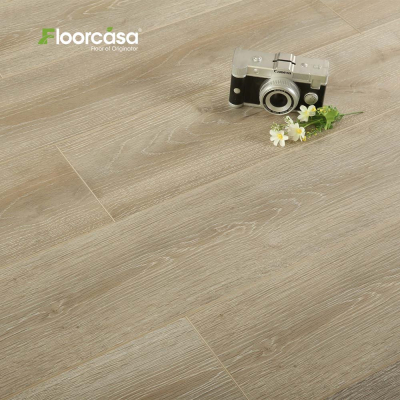
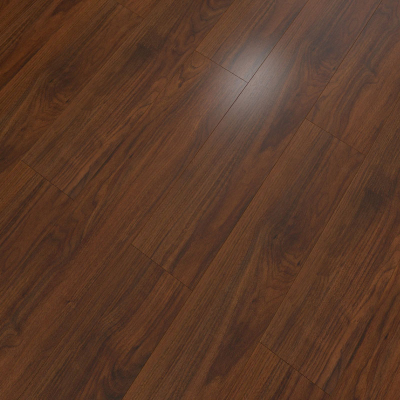
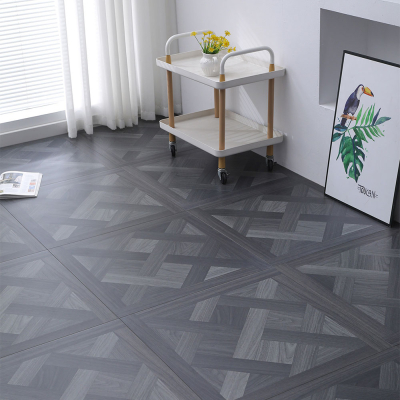
Best Waterproof Flooring for Basement Over Concrete
Best waterproof flooring for basement over concrete refers to rigid or resilient flooring systems engineered to resist hydrostatic moisture, vapor transmission, and dimensional instability when installed directly over concrete slabs in below-grade environments.
Technical Parameters & Specifications
Recommended SPC / Rigid Core Flooring Specifications
Total thickness: 4.5–8.0 mm
Wear layer: 0.5 mm (commercial grade recommended)
Core density: 1.9–2.1 g/cm³
Water absorption: ≤0.1%
Dimensional stability: ≤0.1%
Locking strength: ≥4.5 kN/m
Fire rating: Bfl-s1 (EN 13501-1 equivalent)
Slip resistance: R9–R10
Concrete Substrate Requirements
Moisture vapor emission rate (MVER): ≤3 lbs/1000 sq.ft/24h (ASTM F1869 reference)
Relative humidity (RH in slab): ≤75–85%
Flatness tolerance: ≤3 mm over 2 m straightedge
Surface compressive strength: ≥20 MPa
When specifying the best waterproof flooring for basement over concrete, both flooring and substrate performance must be evaluated together.
Structure & Material Composition
SPC Rigid Core Structure (Preferred Solution)
UV Coating: Scratch and stain protection
Wear Layer: Transparent PVC abrasion layer
Decor Film: Printed wood/stone pattern
SPC Core: Limestone (CaCO₃) + PVC composite
Integrated IXPE Pad (Optional): Acoustic dampening and vapor buffer
Alternative Waterproof Systems
Glue-down LVT (vinyl composition)
Epoxy-coated concrete systems
Porcelain tile with waterproof membrane
From an engineering standpoint, rigid core vinyl is often considered the best waterproof flooring for basement over concrete due to dimensional stability and vapor resistance.
Manufacturing Process (Engineering Overview)
SPC Production Steps
Raw Material Batching: PVC resin, CaCO₃, stabilizers
Twin-Screw Extrusion: Core sheet formation
Calendering & Thickness Calibration: ±0.05 mm tolerance
Hot Lamination: Wear layer bonding
UV Coating Line: Surface curing
CNC Slotting: Click-lock profiling
Final QC Testing: Lock strength, flatness, impact resistance
Quality Control Focus
Core density uniformity
Heat stability test (80°C dimensional test)
Moisture immersion testing (24h)
Production control ensures long-term suitability as the best waterproof flooring for basement over concrete.
Industry Comparison Table
| Criteria | SPC Flooring | Glue-down LVT | Laminate | Porcelain Tile |
|---|---|---|---|---|
| Waterproof Core | Yes | Yes | No | Yes |
| Dimensional Stability | Excellent | Good | Moderate | Excellent |
| Installation Speed | Fast (floating) | Medium | Fast | Slow |
| Thermal Comfort | Moderate | Moderate | Good | Low |
| Hydrostatic Pressure Resistance | High | Medium | Low | High |
Application Scenarios
Distributors: Stocking waterproof SKUs for renovation market
EPC Contractors: Basement gyms, storage areas, commercial basements
Developers: Below-grade residential units
Facility Managers: Hospitals and institutional lower levels
Projects requiring moisture resilience consistently prioritize the best waterproof flooring for basement over concrete to reduce warranty risk.
Core Pain Points & Engineering Solutions
1. Moisture Vapor Transmission
Issue: Slab emits vapor causing swelling or mold.
Solution: Use vapor barrier film (≥0.15 mm PE) under floating SPC.
2. Uneven Concrete Surface
Issue: Locking failure due to deflection.
Solution: Apply self-leveling compound to achieve ≤3 mm deviation.
3. Hydrostatic Pressure
Issue: Groundwater pressure pushing moisture upward.
Solution: Integrate drainage system and perimeter waterproofing.
4. Cold Subfloor Discomfort
Issue: Thermal discomfort in basements.
Solution: Install IXPE-backed rigid core or radiant heating-compatible SPC.
Risk Warnings & Mitigation
Do not install laminate flooring in below-grade slabs without moisture barrier.
Verify slab curing time (minimum 28 days).
Test moisture before installation.
Avoid glue-down systems if slab RH exceeds limits.
Procurement Selection Guide
Conduct slab moisture testing (MVER or RH).
Define traffic classification (residential/commercial).
Select wear layer ≥0.5 mm for heavy use.
Verify fire classification compliance.
Confirm click system strength certification.
Request third-party lab reports.
Calculate lifecycle cost (10–15 years).
Test sample under simulated basement conditions.
Systematic evaluation ensures correct specification of the best waterproof flooring for basement over concrete.
Engineering Case Example
A 6,500 m² residential basement redevelopment project required moisture-resistant flooring over a 5-year-old concrete slab with measured RH of 78%. After evaluating multiple systems, engineers selected 6.0 mm SPC flooring with 0.5 mm wear layer and integrated IXPE pad. A 0.2 mm polyethylene vapor barrier was installed beneath the floating system. After 30 months of monitoring, no swelling, joint failure, or mold growth was recorded, confirming performance as the best waterproof flooring for basement over concrete under controlled conditions.
FAQ
1. Is SPC suitable for all basements?
Yes, if moisture testing confirms acceptable limits.
2. Can laminate be used over concrete?
Only with strict vapor barrier control; not recommended for high moisture.
3. Is glue-down LVT waterproof?
The material is, but adhesive may fail under high moisture.
4. What thickness is ideal?
≥5 mm recommended for basement installations.
5. Do I need underlayment?
Yes, unless integrated backing is included.
6. How long does installation take?
Typically 150–250 m² per crew per day.
7. Is radiant heating compatible?
Yes, if surface temperature ≤27°C.
8. What about mold resistance?
SPC core is inorganic and resistant to mold growth.
9. Does SPC expand?
Minimal expansion compared to wood-based flooring.
10. Is tile better than SPC?
Tile is durable but more expensive and slower to install.
Request Technical Data & Samples
For project-specific evaluation of the best waterproof flooring for basement over concrete, submit slab test data, project area, and compliance requirements. Technical documentation, laboratory reports, and sample boards are available upon request for qualified commercial inquiries.
Author Expertise & E-E-A-T Statement
This technical guide is prepared by flooring engineers with over 15 years of experience in rigid core extrusion, substrate moisture diagnostics, and EPC commercial installations. All specifications align with recognized international construction and material performance standards.