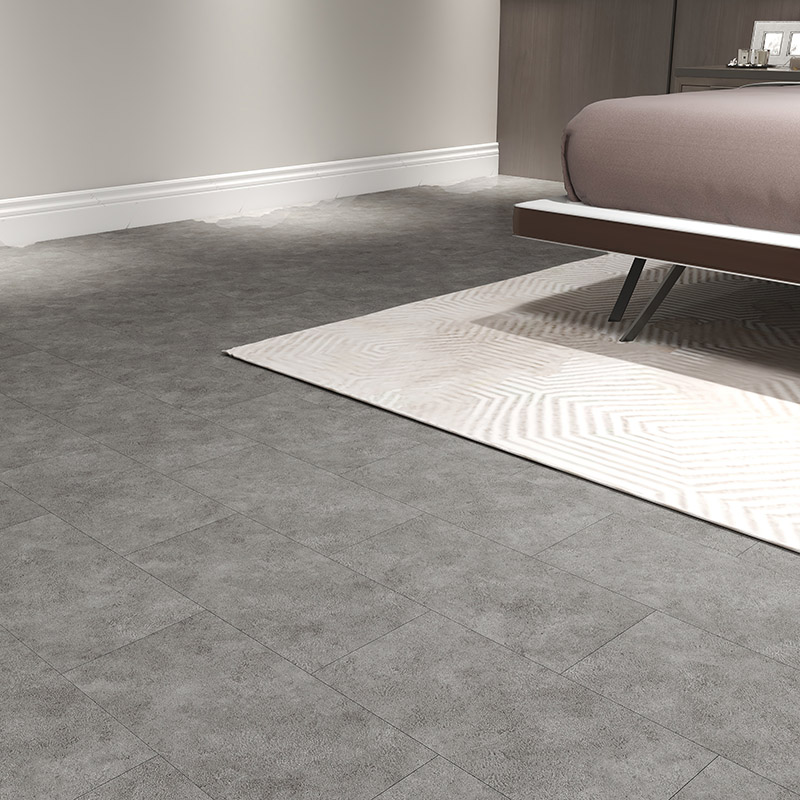
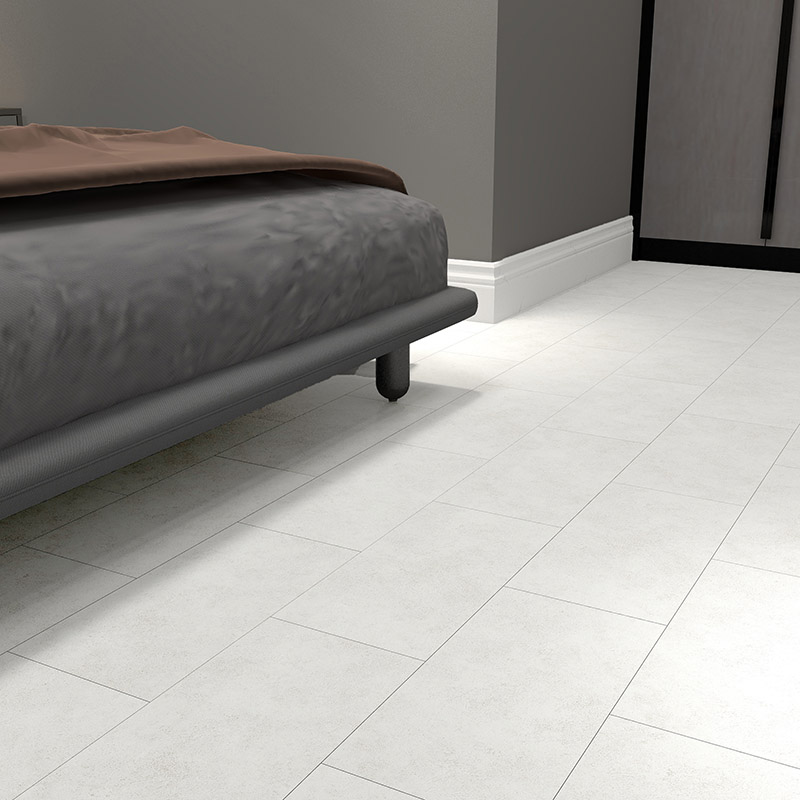
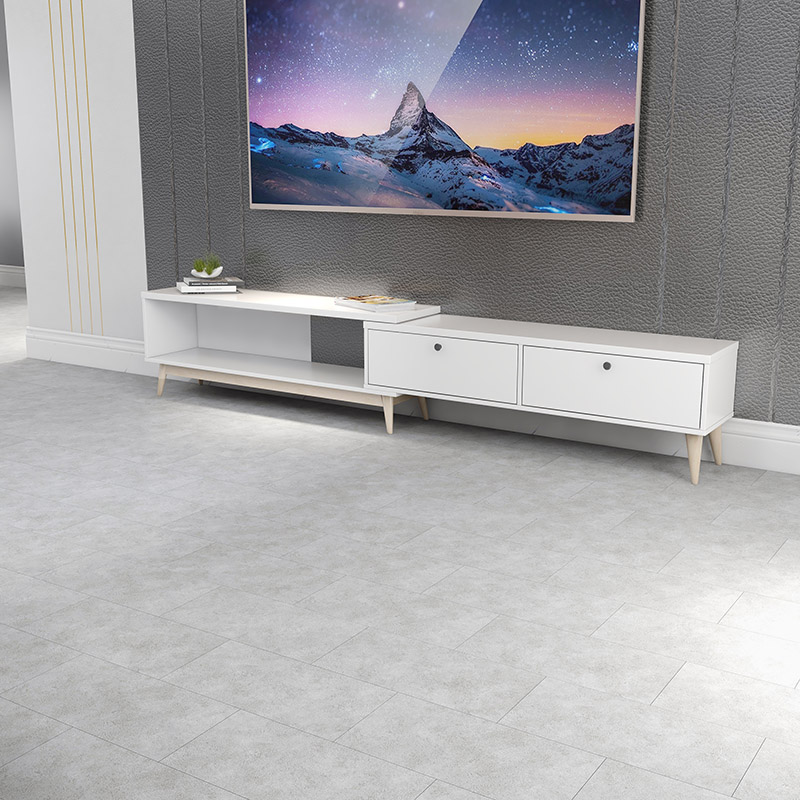
3.5mm Waterproof Vinyl Flooring SPC Manufacture
Manufacturing Process
The manufacture of 3.5mm Waterproof Vinyl Flooring SPC requires controlled extrusion, precise lamination, and standardized finishing processes.
Raw Material Compounding: High-speed mixing of PVC resin, calcium carbonate, stabilizers, and modifiers
SPC Core Extrusion: Twin-screw extruder forming rigid core sheets
Hot Press Lamination: Integration of wear layer, décor film, and SPC core
Cooling & Calibration: Controlled cooling to ensure thickness accuracy
UV Coating & Curing: Multi-pass UV application for surface durability
Precision Cutting: CNC cutting to plank or tile dimensions
Click Profile Milling: Automated locking system machining
Quality Inspection: Dimensional, mechanical, and visual checks
Product Definition
3.5mm Waterproof Vinyl Flooring SPC is a rigid core flooring product manufactured using a stone-plastic composite formulation, designed to deliver dimensional stability, moisture resistance, and consistent mechanical performance for commercial and residential construction projects.
Why Is SPC Flooring Waterproof?
SPC flooring is waterproof because of its core material and construction. Unlike laminate flooring, which uses a wood-fibre (HDF) core, SPC uses a stone-plastic composite core that does not absorb water.
Non-Porous SPC Core
The SPC core is a composite of calcium carbonate (typically 60–70%) and PVC resin (typically 30–40%). The calcium carbonate does not absorb water, and the PVC matrix is impermeable. This makes the core hydrophobic—it does not swell, delaminate, or degrade when exposed to moisture.
Water Resistance of the Flooring Structure
In addition to the core, the other layers of the flooring also contribute to water resistance:
Wear layer. A transparent PVC layer that is impermeable to water.
Decorative film. A printed film that is sealed between the wear layer and the core.
Balance layer. A backing layer that provides structural stability.
The complete flooring structure is designed to resist water penetration under normal indoor conditions.
Waterproof Core vs Waterproof Installation System
A waterproof core does not automatically mean the entire installed floor system is waterproof. Water can still enter through:
Joints. If the click-lock joints are not fully engaged, or if the joint design does not include a gasket, water can penetrate the joints.
Perimeter. If the perimeter is not sealed, water can enter the expansion gap.
Subfloor moisture. If the subfloor is damp, moisture vapour can migrate upward into the flooring system.
Wall junctions. If the flooring meets walls or fixtures without proper sealing, water can enter at these junctions.
Standing water. SPC is waterproof at the core, but the joints are not designed for continuous standing water.
Improper installation. Incorrect installation can compromise the waterproof performance of the system.
Waterproof core does not automatically make the entire room waterproof. For wet areas such as bathrooms, additional waterproofing measures (joint sealing, perimeter sealing, subfloor moisture control) are required. The SPC core is highly resistant to water exposure, but bathroom installations still require proper joint, perimeter, and subfloor waterproofing measures.
3.5mm Waterproof SPC Technical Specifications
| Parameter | Standard Range |
|---|---|
| Total Thickness | 3.5 mm ± 0.05 mm |
| Wear Layer Thickness | 0.3 mm / 0.5 mm |
| Density | 1.95–2.10 g/cm³ |
| Surface Abrasion Resistance | Class T (EN 660-2) |
| Dimensional Stability | ≤ 0.15% |
| Formaldehyde Emission | E0 / ≤ 0.01 mg/m³ |
| Slip Resistance | R9–R10 |
| Fire Rating | Bfl-s1 (EN 13501-1) |
Waterproof-Related Parameters
| Waterproof-Related Parameter | Specification |
|---|---|
| SPC core | Calcium carbonate + PVC |
| Water absorption | Product-specific; verify test report |
| Water immersion | Product-specific; verify test method and result |
| Dimensional change | Product-specific; verify test report |
| Joint performance | Product-specific; verify test report |
| Edge sealing | Recommended for wet areas |
| Surface resistance | Class T (EN 660-2) |
| Applicable standard | EN 13329, EN 14041, EN 16511 |
Contact us for the complete technical datasheet, test reports, and OEM specifications. Technical values vary by production specification, and the appropriate specification depends on the project requirements. We provide test reports with each shipment.
How Is Waterproof SPC Flooring Tested?
Waterproof performance is verified through a series of tests. The following tests are commonly used to evaluate waterproof SPC flooring.
Water Immersion
The flooring sample is immersed in water for a specified period, and the dimensional change and weight change are measured. This test verifies the core's resistance to water absorption.
Water Absorption
The flooring sample is weighed before and after water exposure to determine the amount of water absorbed. Lower water absorption indicates better water resistance.
Dimensional Stability
The flooring sample is exposed to temperature and humidity variation, and the dimensional change is measured. This test verifies the product's stability under changing conditions.
Joint and Edge Performance
The joint and edge performance is tested to verify that the locking system and edge sealing resist water penetration. This test is important for wet-area applications.
Surface and Wear Testing
The surface and wear layer are tested for abrasion resistance, stain resistance, and chemical resistance. These tests verify that the surface maintains its performance under cleaning and use.
Test Reports and Certifications
Test reports should be provided for each batch. Relevant test standards include EN 13329 (laminate—referenced for wear layer testing), EN 14041 (moisture-resistant products), EN 16511 (modular multilayer flooring), EN 13893 (slip resistance), and EN 13501-1 (fire resistance). For specific test methods and results, contact us for the technical datasheet and test reports.
Important note: Test methods and results are product-specific. Verify the test data for the specific product before specification. Do not rely on general claims—request the test reports.
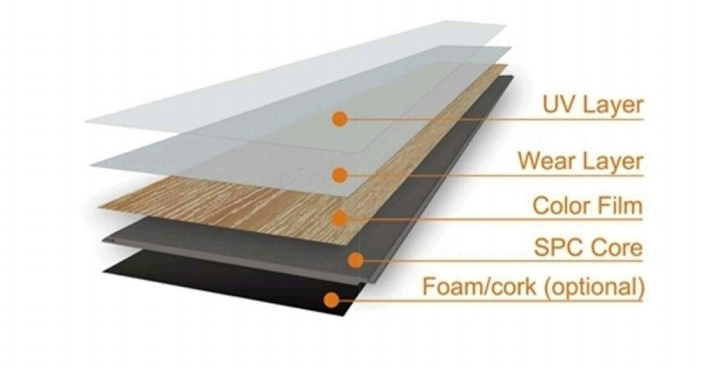
Waterproof SPC Flooring Structure
3.5mm waterproof SPC flooring adopts a multi-layer composite structure engineered for strength, surface durability, and moisture isolation.
UV Coating Layer. Provides scratch resistance and stain protection.
Wear Layer. Transparent PVC layer ensuring abrasion resistance.
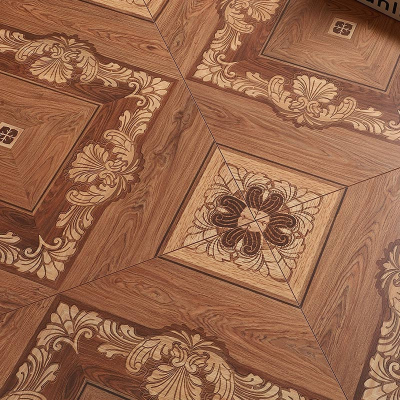
Decor Film. High-definition printed design layer.
SPC Core Layer. Calcium carbonate + PVC compound for rigidity.
Balance Layer. Enhances structural stability and flatness.
Optional IXPE/EVA Backing. Acoustic insulation and comfort underfoot.
Waterproof SPC vs Laminate and LVT
| Factor | Waterproof SPC | Laminate | LVT |
|---|---|---|---|
| Core | SPC | HDF | Vinyl |
| Water resistance | High | Product dependent | Product dependent |
| Moisture exposure | Better suited | More sensitive | Product dependent |
| Dimensional stability | Generally high; verify product test | Lower; moisture-sensitive HDF | Moderate; verify product test |
| Installation | Click/glue depending on profile | Usually click | Glue or click |
| Wet-area suitability | Depends on complete system | More limited | Product dependent |
Important note: This comparison focuses on waterproof performance. For a full comparison of SPC and laminate, see the SPC Laminate Flooring page. The appropriate product depends on the complete system—core, joint design, installation method, and moisture control. Verify product test reports before specification.
Where Can 3.5mm Waterproof SPC Flooring Be Used?
3.5mm waterproof SPC flooring is suitable for a range of applications, including areas with moisture exposure. The following sections explain the considerations for each application.
Kitchens
Considerations: Spills, cleaning water, humidity.
Suitability: SPC is suitable for kitchens. Clean up spills promptly, and use appropriate joint sealing to protect against moisture ingress.
Limitations: Hot spills and heavy grease may require a chemical-resistant topcoat. Verify chemical resistance against the specific cleaning agents used.
Bathrooms
Considerations: Splashing, cleaning water, humidity, standing water limitations.
Suitability: SPC is suitable for bathrooms, provided that joint sealing, perimeter sealing, and subfloor moisture control are properly implemented. The SPC core is highly resistant to water exposure, but bathroom installations still require proper joint, perimeter, and subfloor waterproofing measures.
Recommended practice: For bathroom installations, specify gasket joints, seal the perimeter with wet-room-grade silicone, and verify subfloor moisture before installation.
Limitations: SPC is not suitable for continuous standing water. Shower floors require a waterproofing membrane and tile. SPC can be installed outside the shower tray.
Basements
Considerations: Subfloor moisture, vapour transmission, flood risk, mould prevention.
Suitability: SPC can be installed in basements, provided the subfloor is dry and a vapour barrier is installed. A vapour barrier is not optional—it is required.
Limitations: In flood-prone basements, SPC may be damaged by prolonged standing water and subfloor saturation.
Commercial Projects
Considerations: Traffic, cleaning regime, moisture exposure.
Suitability: SPC with an appropriate wear layer (0.5 mm for commercial use) is suitable for commercial projects, including offices, retail, and healthcare.
Limitations: Verify wear layer, slip resistance, and chemical resistance against the specific project requirements.
Hotels and Hospitality
Considerations: Traffic, cleaning regime, moisture exposure.
Suitability: SPC is suitable for hotel guest rooms, corridors, and bathrooms (with appropriate waterproofing measures).
Limitations: Verify the product specification against the specific requirements of each area.
Important note: Waterproof core does not automatically make the entire room waterproof. For wet areas, additional waterproofing measures are required. Verify the complete system performance before specification.
Waterproof SPC Flooring Problems and Solutions
The following problems are specific to waterproof SPC flooring. The most common waterproof SPC problem is water entering joints, followed by perimeter water exposure, moisture under flooring, subfloor dampness, edge damage, improper cleaning, standing-water exposure, and bathroom installation mistakes. Each entry explains the cause and the solution.
Water entering joints. Cause: joints not fully engaged, joint design without gasket, or incorrect installation. Solution: ensure full joint engagement, specify gasket joints where required. Prevention: verify joint design and installation quality.
Perimeter water exposure. Cause: perimeter not sealed, water entering the expansion gap. Solution: seal the perimeter with silicone or appropriate sealant. Prevention: specify perimeter sealing for wet areas.
Moisture under flooring. Cause: subfloor moisture, no vapour barrier, or water ingress. Solution: install a vapour barrier, address the moisture source, and verify subfloor moisture content before installation. Prevention: verify subfloor moisture and install a vapour barrier.
Subfloor dampness. Cause: subfloor moisture content beyond specification. Solution: test the subfloor moisture content and address the source. Prevention: verify subfloor moisture before installation.
Edge damage. Cause: handling damage, installation damage, or moisture exposure. Solution: replace damaged planks, address the moisture source. Prevention: careful handling and proper installation.
Improper cleaning. Cause: excessive water during cleaning, or use of incompatible cleaning agents. Solution: use a well-wrung mop and pH-neutral cleaners. Prevention: provide cleaning guidelines.
Standing-water exposure. Cause: continuous standing water on the floor surface. Solution: remove standing water promptly, address the water source. Prevention: avoid continuous standing water; for shower floors, use tile with a waterproofing membrane.
Bathroom installation mistakes. Cause: joints not sealed, perimeter not sealed, or subfloor moisture not addressed. Solution: address the specific issue and re-seal. Prevention: follow the installation requirements for wet areas.
Installation Requirements for Waterproof SPC
Waterproof SPC flooring is installed using a click-lock or glue-down system, depending on the product. The following requirements apply for waterproof performance.
Subfloor flatness. The subfloor must be flat within tolerance. Verify flatness before installation.
Subfloor cleanliness. The subfloor must be clean, dry, and free of debris, oil, and grease.
Moisture condition. Verify subfloor moisture content before installation. Install a vapour barrier where required.
Joint sealing. For wet areas, use gasket joints or seal the joints to prevent water ingress.
Perimeter sealing. Seal the perimeter with silicone or appropriate sealant to prevent water ingress into the expansion gap.
Expansion gaps. Maintain expansion gaps at the perimeter and at intermediate intervals, as required by the product and project conditions.
Acclimation. Acclimate the product in the installation area before installation. Follow the manufacturer's instructions.
Installation method. Installation method depends on the product. For click-lock (floating), ensure full joint engagement and use gasket joints where required. For glue-down, use SPC-approved adhesive and follow the adhesive manufacturer's instructions.
For detailed installation instructions, contact us for the installation manual for your specific product.
Waterproof SPC Engineering Case
The following case illustrates a project using 3.5mm waterproof SPC flooring.
Project type: Mixed-use residential renovation.
Floor area: Approximately 12,000 m².
Original flooring: Existing ceramic tiles.
Reason for selecting 3.5mm waterproof SPC: The project required a thin-profile waterproof floor that could be installed over existing ceramic tiles without major demolition. The 3.5 mm thickness minimized floor buildup.
Installation method: Floating click installation over the existing ceramic tiles.
Flooring specification: 3.5 mm waterproof SPC.
Waterproof requirement: The product was specified for moisture resistance in kitchens, bathrooms, and other wet areas.
Waterproof verification: Joint sealing and perimeter sealing were verified during installation. Subfloor moisture was tested before installation. The installed floor was inspected for joint engagement and edge sealing.
Final result: The rigid core allowed direct installation without demolition, reducing construction time and achieving consistent acoustic and moisture performance across all units.
The case above is based on a project delivered by Jining Floormaker. Project-specific details are available on request. For reference projects in your market, contact us.
Price positioning. Waterproof SPC is generally positioned at a similar price point to standard SPC. The waterproof performance comes from the core material, not from additional surface treatments. Compare total installed cost, including adhesive (for glue-down) and installation, rather than material cost alone. For pricing information, contact us with your project requirements.
FAQ: Waterproof SPC Flooring
1. Is 3.5mm SPC flooring waterproof?
The SPC core is waterproof—it does not absorb water, swell, or degrade when exposed to moisture. However, the installation must also be waterproof: joint sealing, perimeter sealing, and vapour barrier (ground floors) are required for wet areas. Verify the specific product's test data.
2. Why is SPC flooring waterproof?
SPC flooring is waterproof because of its core material—a composite of calcium carbonate and PVC that does not absorb water. The wear layer and decorative film are also impermeable.
3. Is the SPC core waterproof or water resistant?
The SPC core is waterproof—it does not absorb water. This is different from laminate, which has an HDF core that is moisture-sensitive.
4. What waterproofing measures are required for bathroom SPC installations?
For bathroom installations, specify gasket joints, seal the perimeter with wet-room-grade silicone, and verify subfloor moisture before installation. SPC is not suitable for continuous standing water—shower floors require a waterproofing membrane and tile.
5. Can waterproof SPC be used in kitchens?
Yes. SPC is suitable for kitchens. Clean up spills promptly, and use appropriate joint sealing to protect against moisture ingress.
6. Can SPC flooring be installed in basements?
Yes, provided the subfloor is dry and a vapour barrier is installed. A vapour barrier is required for ground-floor installations.
7. Can water penetrate SPC flooring joints?
Water can penetrate the joints if the joints are not fully engaged, if the joint design does not include a gasket, or if the installation is incorrect. For wet areas, specify gasket joints and seal the perimeter.
8. Does waterproof SPC flooring need edge sealing?
Edge sealing is recommended for wet areas. Seal the perimeter with silicone or appropriate sealant to prevent water ingress into the expansion gap.
9. How is waterproof SPC flooring tested?
Waterproof performance is verified through water immersion, water absorption, dimensional stability, joint and edge performance, and surface testing. Relevant test standards include EN 13329, EN 14041, EN 16511, EN 13893, and EN 13501-1. Test methods and results are product-specific—request the test reports.
10. How does waterproof SPC compare with laminate?
SPC has a waterproof core; laminate has a moisture-sensitive HDF core. SPC is suitable for wet areas; laminate is not. For a full comparison, see the SPC Laminate Flooring page.
11. Does waterproof SPC expand when exposed to water?
SPC has near-zero moisture expansion—it does not expand when exposed to water. Verify the specific product's dimensional stability test data.
12. Can waterproof SPC be installed over concrete?
Yes, with a vapour barrier. The concrete must be dry, flat, and clean. Verify moisture content before installation.
13. What moisture level should the subfloor have?
Subfloor moisture content requirements depend on the product and the substrate. Verify the manufacturer's requirements before installation.
14. What wear layer should be used for commercial projects?
0.5 mm wear layer is commonly specified for commercial use. Verify the wear layer against the expected traffic level.
15. Can Floorcasa customize waterproof SPC flooring?
Yes. Custom decor, colour, surface finish, plank size, private label, and custom packaging are available for OEM/ODM projects. Contact us with your requirements.
OEM and Custom Waterproof SPC Flooring
For distributors, importers, and project suppliers, OEM and ODM services allow the product to be customized to the market or brand requirements.
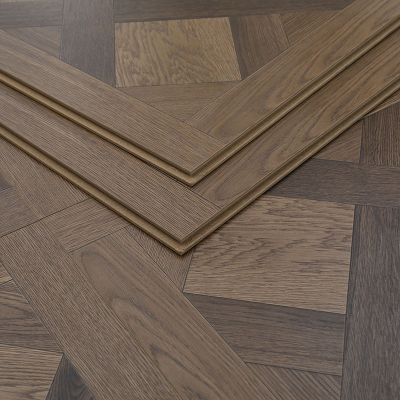
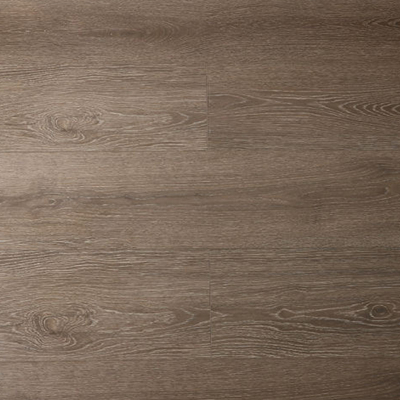
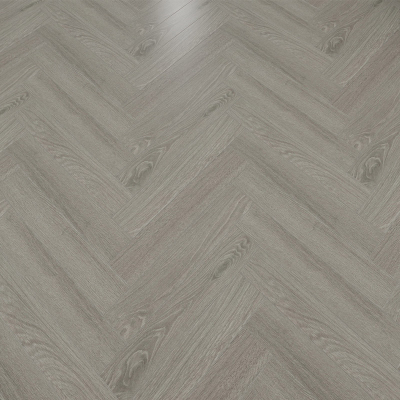
Custom decor. Custom wood grain, stone, or abstract designs.
Custom color. Custom colour matching to a specific design reference.
Custom surface. Wood grain, EIR, stone, or customized surface finishes.
Custom plank size. Custom plank dimensions.
Private label. Custom branding on packaging and product.
Custom packaging. Custom packaging specifications, including carton design, pallet configuration, and labelling.
Sample approval. Custom orders typically require sample approval before production.
MOQ. MOQ depends on the customization scope. Contact us for details.
Lead time. Lead time for OEM orders is typically 20–35 days after sample approval, depending on the customization scope and order volume.
For OEM/ODM inquiries, contact us with your project requirements.
CTA
For technical datasheets, test reports, OEM specifications, or pricing related to 3.5mm waterproof SPC flooring, please submit your project requirements to request a formal quotation, engineering documentation, or evaluation samples.
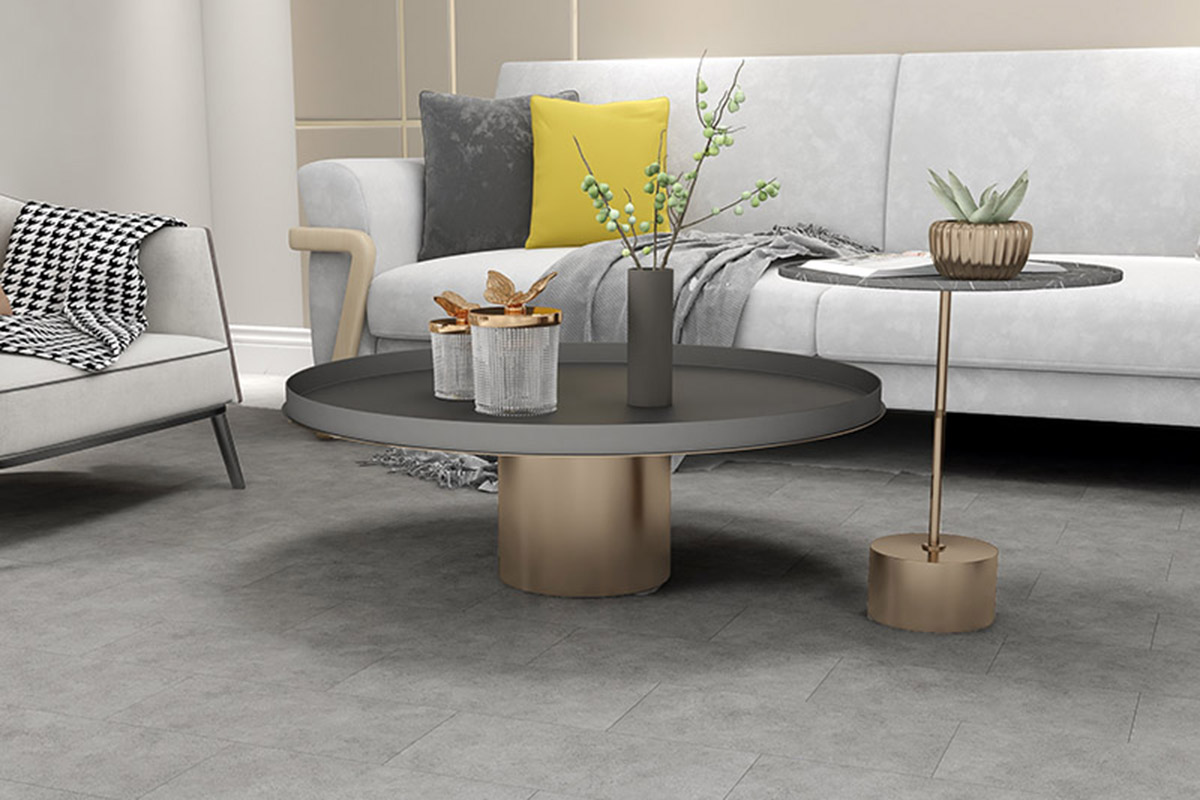
| Application |
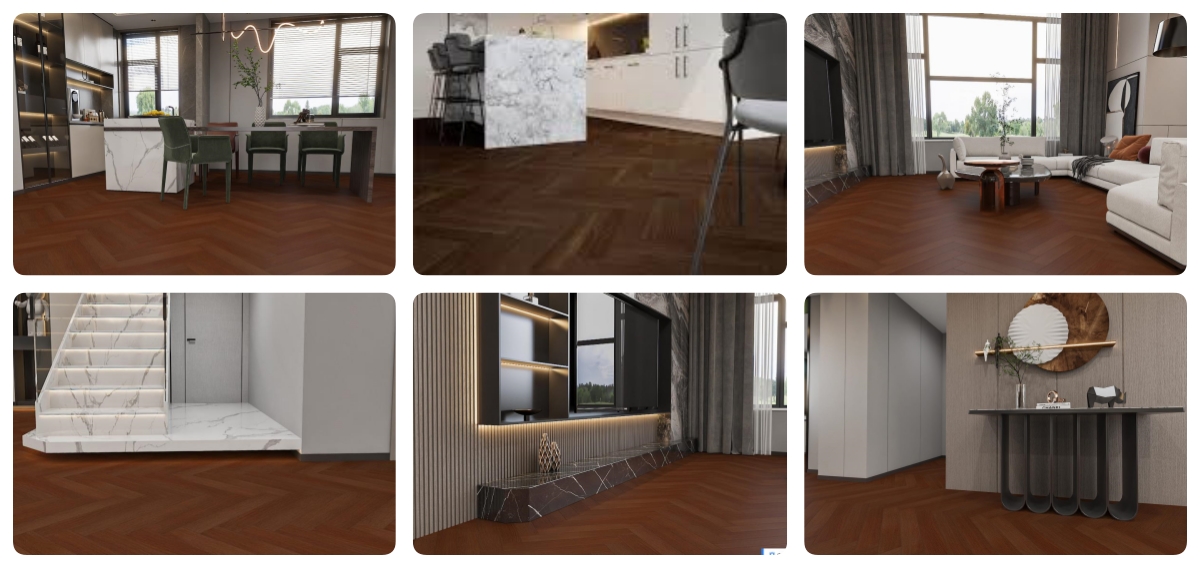
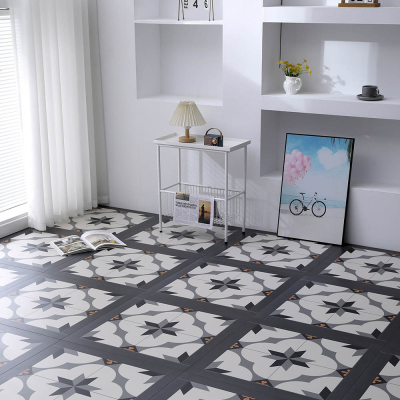
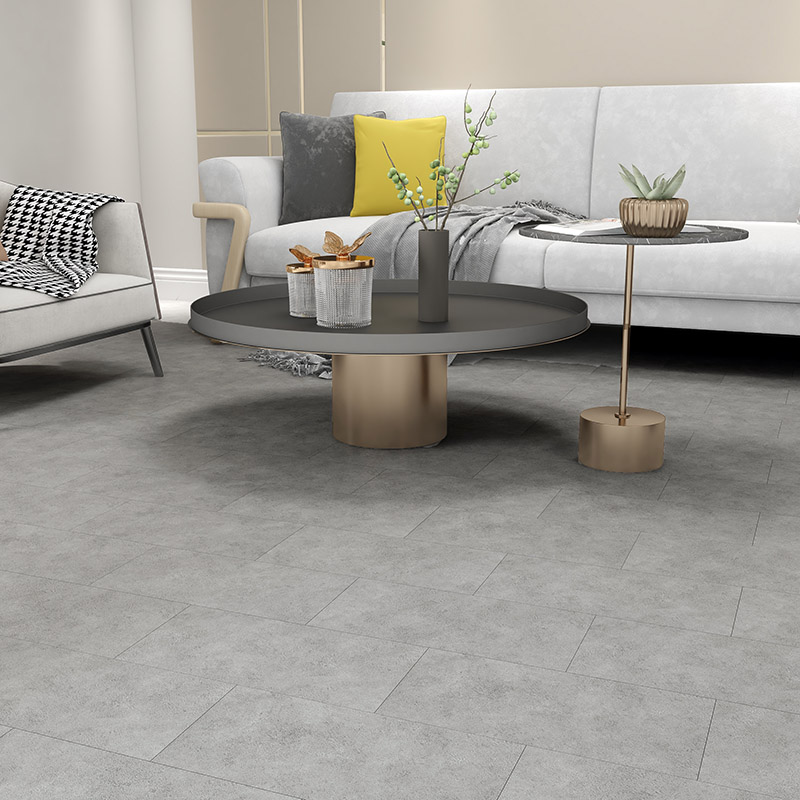
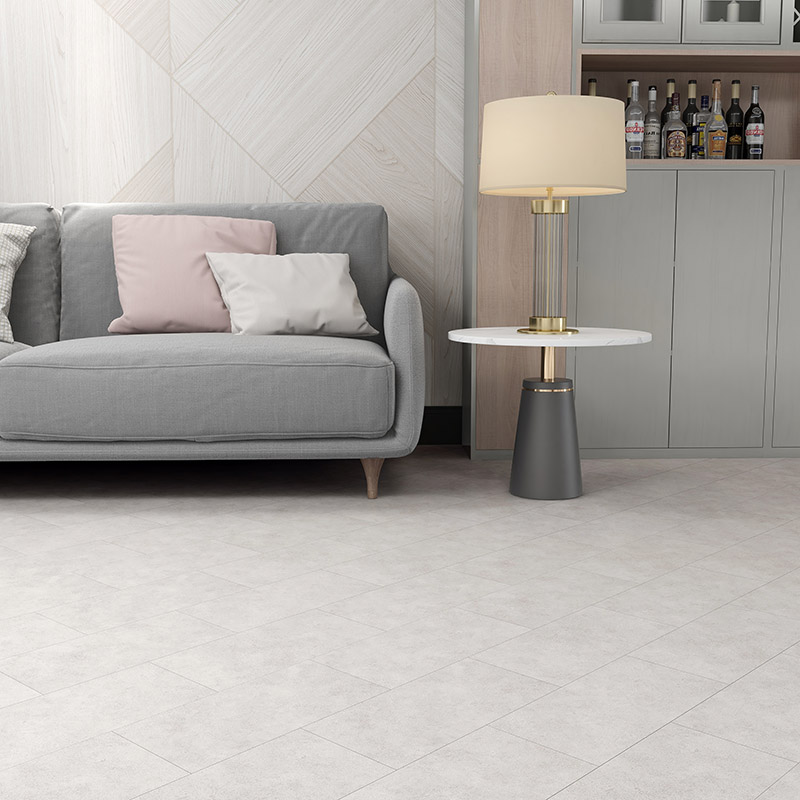
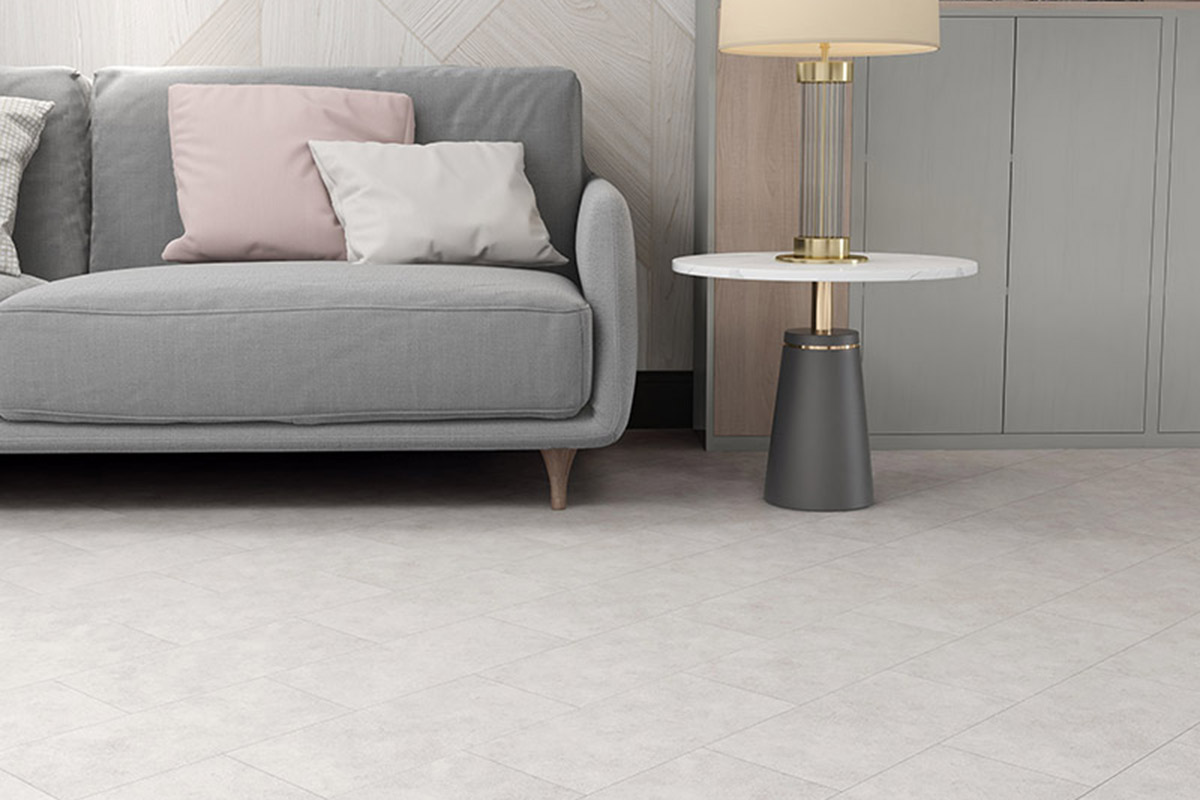
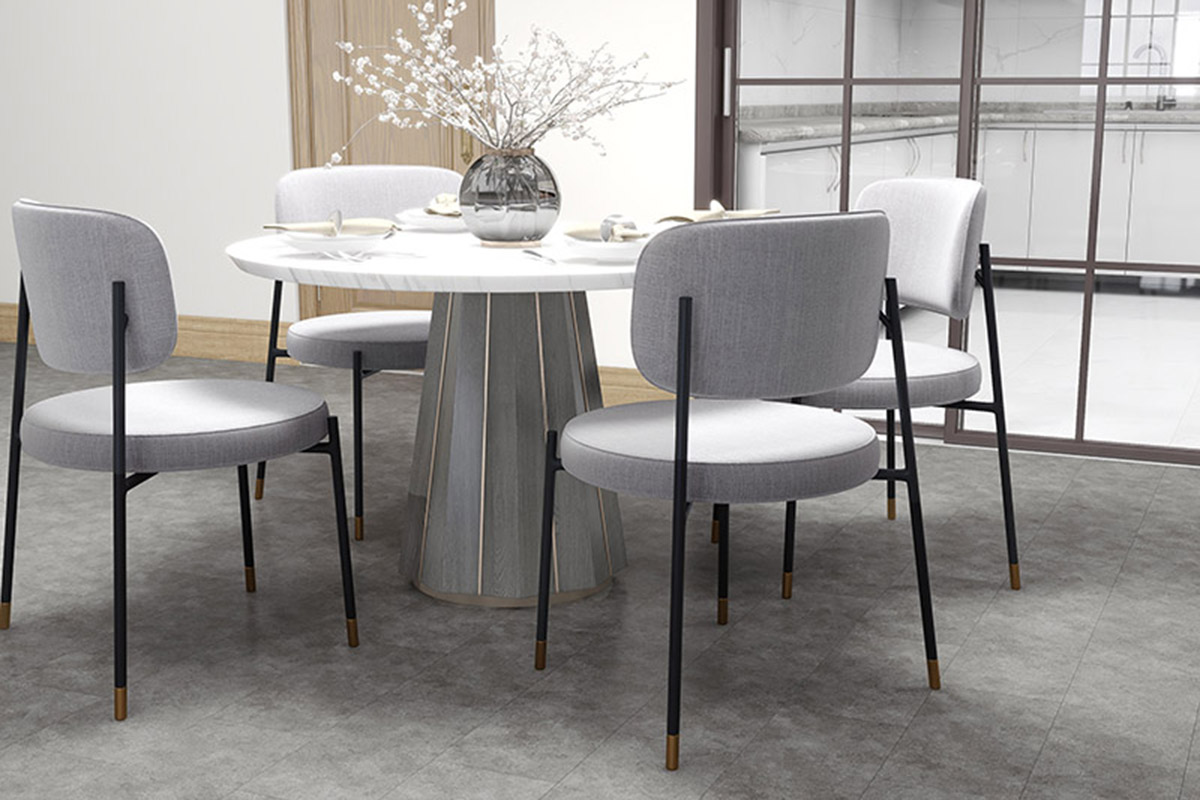
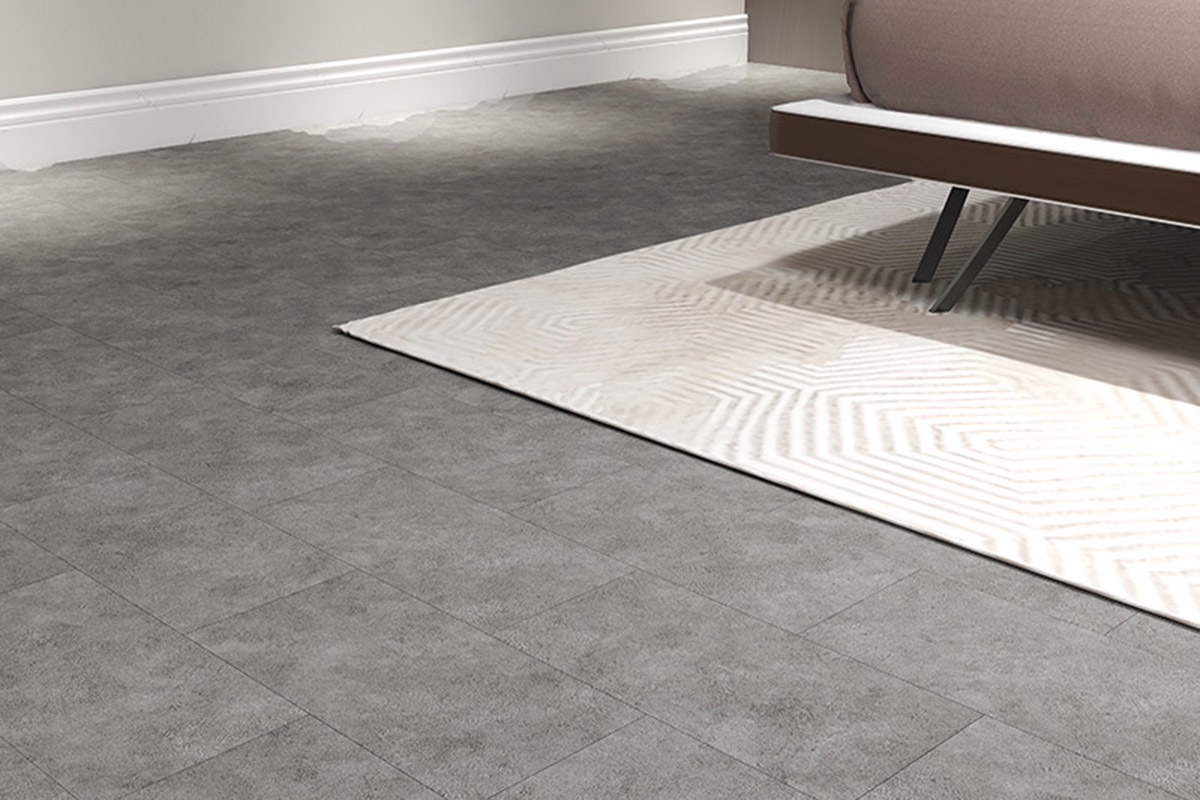
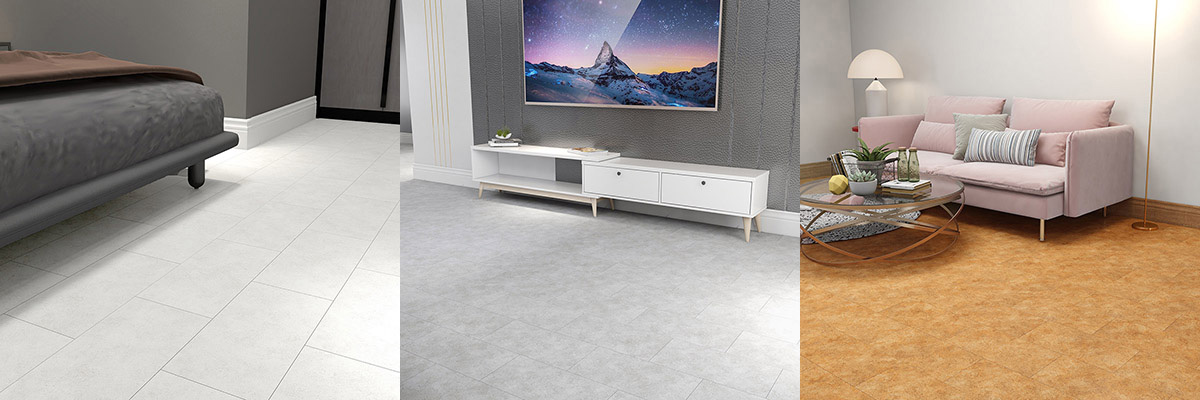
Application :Family living: living room, kitchen, bedroom, children's room, cloakroom, balcony; Commercial space: supermarket, hotel, gym, playground, school, bookstore, etc.