Waterproof Flooring for Hotels
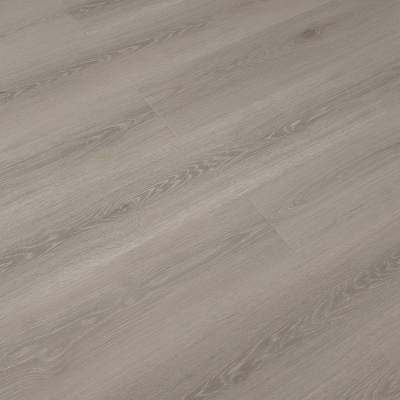
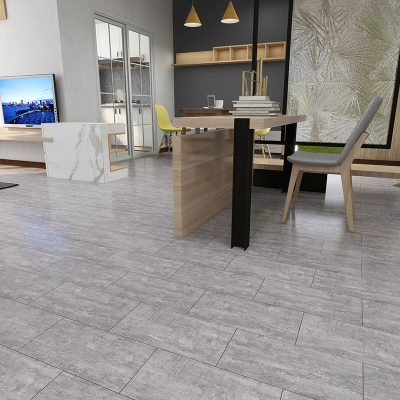
Waterproof flooring for hotels is a high-performance, durable surface solution designed to resist water, stains, and heavy foot traffic while maintaining aesthetic quality. It ensures safety, hygiene, and longevity in lobbies, guest rooms, bathrooms, and wet areas, addressing both operational and maintenance requirements of hospitality facilities.
Technical Parameters and Specifications
Key Technical Specifications
Material: Vinyl, SPC/WPC rigid core, polyurethane (PU), luxury vinyl tiles (LVT)
Thickness: 3 mm – 8 mm based on traffic load
Slip resistance: R9–R11 (EN 13845)
Wear layer: 0.3–0.7 mm UV-cured or polyurethane coating
Fire rating: Bfl-s1 or equivalent per EN 13501-1
Thermal tolerance: -20°C to +80°C
Acoustic insulation: Optional integrated underlay 15–20 dB reduction
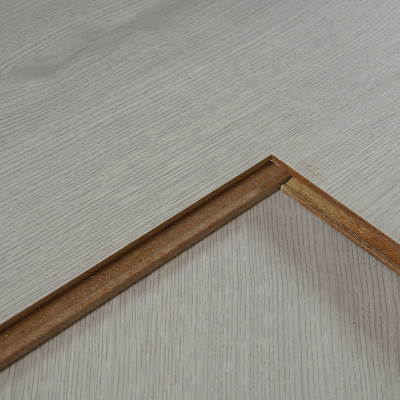
Maintenance: Seamless or click-lock installation for easy cleaning
Structure and Material Composition
Layered Design
Top wear layer: Scratch-resistant, UV-stable, anti-slip coating
Decorative layer: High-resolution printed design with moisture barrier
Core layer: Rigid SPC/WPC or reinforced PVC composite for dimensional stability
Acoustic or adhesive layer: Optional cork or foam underlay for sound insulation
Backing layer: Water-impermeable and anti-warp base
Manufacturing Process
1. Material Preparation
Resins, stabilizers, fillers, pigments, and anti-slip additives are precisely blended according to performance requirements.
2. Layer Formation
Vinyl sheets or SPC/WPC cores are extruded, calendered, or pressed; PU coatings are applied via roll or spray systems.
3. Surface Finishing
UV curing, embossing, and protective coatings are applied to enhance wear resistance, anti-slip performance, and aesthetic appeal.
4. Quality Testing
Each batch undergoes thickness, tensile strength, chemical resistance, slip resistance, and fire rating tests per ISO/EN standards.
Industry Comparison
| Material | Durability | Slip Resistance | Cost | Typical Application |
|---|---|---|---|---|
| SPC/WPC Rigid Core | Very High | R10/R11 | Medium | Lobbies, corridors, hotel suites |
| Luxury Vinyl Tiles (LVT) | High | R9–R10 | Medium | Guest rooms, lounges, restaurants |
| PU Flooring | High | R11 | High | Wet areas, spas, kitchens |
| Epoxy Coating | Very High | Moderate | Medium | Back-of-house and utility areas |
Application Scenarios
Distributors: Supply flooring products compliant with hotel specifications
EPC Contractors: Implement full-floor waterproofing for large-scale hospitality projects
Design & Engineering Consultants: Specify flooring for wet and high-traffic areas per fire, hygiene, and safety codes
Hotel Owners/Operators: Ensure longevity, maintenance efficiency, and aesthetic consistency
Core Pain Points and Solutions
High foot traffic wear: Use wear layers ≥0.5 mm and rigid core constructions
Water ingress in bathrooms/lobbies: Employ seamless installation or click-lock systems with waterproof backing
Noise and vibration: Integrate acoustic underlay or sound-reducing backings
Maintenance and cleaning: Select UV-cured surfaces for chemical and stain resistance
Risk Warnings and Mitigation
Improper installation, substandard materials, or incorrect slip rating can lead to accidents, premature failure, or non-compliance with hotel safety codes. Mitigation involves certified products, professional installation, site-specific testing, and adherence to ISO/EN standards.
Procurement and Selection Guide
Determine traffic load, moisture exposure, and aesthetics requirements for each area
Select material type (SPC, WPC, LVT, PU) based on durability and cost-effectiveness
Verify wear layer thickness and anti-slip rating
Review manufacturer certifications (ISO, ASTM, EN standards)
Assess installation method (click-lock, adhesive, or seamless pour)
Request technical datasheets for fire, slip, chemical, and moisture resistance
Order samples for visual and tactile evaluation on-site
Engineering Case Example
In a 5-star hotel, 800 m² of SPC rigid core flooring with 0.6 mm wear layer and R11 anti-slip coating was installed in corridors, lobbies, and guest rooms. Seamless transitions and acoustic underlays reduced noise, while water-resistant core prevented swelling and maintenance issues over five years of daily operations.
Frequently Asked Questions (FAQ)
What is the best flooring for hotel lobbies? SPC rigid core with anti-slip and UV-cured wear layer.
Can waterproof floors be installed in bathrooms? Yes, PU or LVT with waterproof backing is recommended.
Are rigid core floors durable under high foot traffic? Yes, they provide excellent dimensional stability and wear resistance.
Is acoustic insulation necessary? For corridors and suites, optional underlay reduces noise transmission.
Do these floors meet fire regulations? Certified products meet Bfl-s1 or equivalent ratings.
How long is typical service life? 10–15 years depending on wear layer and maintenance.
Can flooring handle spills and cleaning chemicals? Yes, UV-cured surfaces resist water, detergents, and stains.
Are LVT and SPC interchangeable? LVT is more decorative; SPC offers higher dimensional stability.
What installation method is preferred? Click-lock for guest rooms, adhesive or seamless pour for wet areas.
How to maintain flooring in hotels? Regular sweeping, neutral cleaning agents, and periodic inspections.
CTA – Request Technical Data and Samples
Contact certified manufacturers to request detailed technical datasheets, project quotations, and sample planks or tiles for waterproof hotel flooring projects. Ensure compliance, durability, and long-term performance for all areas in hospitality facilities.
E-E-A-T Author Credentials
This guide is authored by experts in commercial flooring engineering and hospitality project implementation, with extensive experience specifying, procuring, and installing waterproof flooring solutions in hotels and multi-use facilities. All technical information is verified per ISO, ASTM, and EN standards.