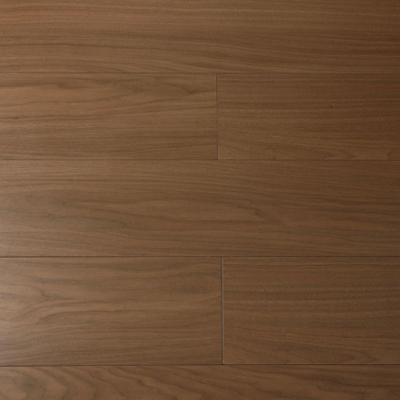
Vinyl flooring fob price shanghai
What Is Vinyl Flooring FOB Price Shanghai
Vinyl flooring FOB price Shanghai refers to the ex-works or factory-gate pricing—expressed in US dollars per square metre or per container—of finished vinyl flooring products (SPC, LVT, WPC, vinyl sheet, and accessories) quoted by manufacturers in the Shanghai region (including the broader Yangtze River Delta manufacturing hub) under the Incoterm FOB (Free on Board) Shanghai. Under FOB Shanghai, the seller is responsible for delivering the goods to the named port (Shanghai port), loading them onto the vessel, and covering all costs up to that point—including inland transport from the factory to the port, export clearance, and loading charges. The buyer assumes all costs and risks from the point the goods pass the ship's rail: ocean freight, marine insurance, destination port handling, customs clearance, and inland transport. The FOB price is the baseline cost for international procurement—it is the price against which all subsequent logistics, duty, and delivery costs are added.
From an engineering and supply chain perspective, the FOB price is not a fixed number but a function of product specification, manufacturing cost, raw material prices (PVC resin, calcium carbonate, plasticisers), labour costs, factory overhead, profit margin, and the manufacturer's negotiation position. The FOB price typically accounts for 50–70% of the total landed cost. For vinyl flooring: SPC 5.0 mm (0.30 mm wear layer) FOB Shanghai: $8–12/m²; SPC 6.5 mm (0.55 mm wear layer): $12–16/m²; LVT 3.0 mm (0.55 mm wear layer): $9–13/m²; WPC 5.5 mm (0.30 mm wear layer): $10–14/m²; vinyl sheet 2.0 mm (0.30 mm wear layer): $6–9/m². The price varies by product type, thickness, wear layer, design complexity, order volume, and market conditions.
The essential distinction between FOB Shanghai pricing and other Incoterms (CIF, CFR, EXW) is the allocation of costs and risks between buyer and seller. EXW (Ex Works): the buyer collects the goods from the factory and bears all costs and risks from that point—the lowest seller price but the highest buyer logistics burden. FOB: the seller delivers to the port and loads the vessel—the buyer bears ocean freight and destination costs. CIF (Cost, Insurance, Freight): the seller pays for freight and insurance to the destination port—the highest seller obligation but a fixed cost for the buyer. CFR (Cost and Freight): the seller pays freight to the destination port—the buyer pays insurance. FOB is the most common Incoterm for flooring exports from Shanghai because it provides cost transparency (the buyer can shop for freight and insurance separately) and aligns risk transfer with the point of loading—a standard practice in containerised shipping.
The original engineering purpose of FOB pricing is to provide a clear, internationally recognised cost baseline for global trade. The Incoterms (International Commercial Terms), published by the International Chamber of Commerce (ICC), define the allocation of costs, risks, and responsibilities between buyer and seller in international contracts. FOB has been used for maritime trade for centuries and remains the standard for containerised flooring exports because it aligns with the physical logistics chain: the factory produces the goods, transports them to the port, loads them onto the vessel—and from that point, the buyer takes control. For importers, understanding FOB pricing is essential for cost estimation, budgeting, and competitive sourcing.
Manufacturing Process and FOB Price Drivers
The manufacturing process for vinyl flooring determines the ex-works cost, which is the foundation of the FOB price.
Raw Material Costs: The FOB price is heavily influenced by raw material costs, which account for 50–70% of the ex-works price. Key materials:
PVC resin (30–50% of the product): $800–1,200/tonne (varies with oil prices and supply-demand)
Calcium carbonate filler (30–50%): $50–100/tonne
Plasticisers (DOTP/DINCH, 10–20%): $1,200–2,000/tonne
Stabilisers, pigments, processing aids: $500–1,500/tonne
Decorative films: $0.50–2.00/m²
Wear layer materials (Al₂O₃, melamine): $0.30–1.00/m²
Packaging (cartons, pallets, film): $0.50–1.50/m²
Raw material price fluctuations are the single largest source of FOB price volatility. PVC resin prices, in particular, correlate with crude oil prices. A $100/tonne increase in PVC resin adds $0.30–0.50/m² to the FOB price. Buyers should include a raw material price adjustment clause in the purchase order—or lock in pricing for a fixed period.
Labour and Energy Costs: Labour costs in Shanghai and the Yangtze River Delta region have increased significantly over the past decade—from $2–3/hour to $5–8/hour for factory workers. Labour accounts for 10–20% of the ex-works price. Energy costs (electricity, gas, water) account for 3–5% of the ex-works price. These costs are relatively stable but can increase with inflation or regulatory changes.
Factory Overhead and Profit Margin: Factory overhead (administration, depreciation, maintenance, R&D) accounts for 10–20% of the ex-works price. The manufacturer's profit margin is typically 5–15%—negotiated based on order volume, payment terms, and long-term relationships. Volume discounts: 1–5 containers (5–10% discount), 5–10 containers (10–15% discount), 10+ containers (15–20% discount).
Logistics to Shanghai Port: Inland transport from the factory to Shanghai port (typically 100–300 km) costs $200–500 per container—added to the FOB price. Export clearance (customs declaration, inspection, documentation) costs $100–300 per container. Port loading (stevedoring, container handling) costs $100–200 per container. These costs are included in the FOB price.
Why Manufacturing Affects FOB Price: A US importer negotiated a FOB Shanghai price of $10/m² for SPC 5.5 mm (0.30 mm wear layer). Three months later, PVC resin prices increased by 15%—the manufacturer raised the FOB price to $11.20/m². The importer's budget was exceeded by $12,000 on a 10,000 m² order. The lesson: FOB prices are not fixed—raw material volatility must be managed.
Technical Specifications and FOB Pricing
The FOB price of vinyl flooring depends on the product's technical specifications.
Thickness: Thicker products require more raw materials and higher manufacturing costs. Price increment: +$0.50–1.00/m² per 1 mm thickness. For SPC: 4.0 mm ($7–10/m²), 5.0 mm ($8–12/m²), 5.5 mm ($9–13/m²), 6.5 mm ($12–16/m²). Thicker products have higher shipping costs (fewer m² per container), increasing the total landed cost.
Wear Layer: Thicker wear layers require more Al₂O₃ and processing. Price increment: +$1–2/m² per 0.10 mm wear layer. For SPC: 0.20 mm wear layer ($8–10/m²), 0.30 mm ($9–12/m²), 0.55 mm ($12–16/m²), 0.70 mm ($14–18/m²). Commercial-grade wear layers (0.55 mm) cost 20–30% more than residential-grade (0.30 mm).
Core Type: SPC (rigid core, 1.8–2.2 g/cm³) is 20–30% more expensive than WPC (cellular core, 1.2–1.4 g/cm³) due to higher raw material costs and higher density. LVT (flexible core, 1.2–1.5 g/cm³) is 10–20% less expensive than SPC. Vinyl sheet is the least expensive ($6–9/m²).
Design Complexity: Standard wood-look designs (oak, walnut, maple) are the least expensive. Premium designs (herringbone, high-resolution printing, custom colours) add $1–3/m². EIR (Embossed in Register) adds $1–2/m². Bevels (micro-bevels, V-grooves) add $0.50–1.00/m².
Packaging: Standard packaging (cartons, pallets, stretch wrap) is included in the FOB price. Enhanced packaging (moisture barrier, edge protection, custom labels) adds $0.50–1.50/m². Custom packaging (branded cartons, special pallets) adds $1–3/m².
Volume Discounts: FOB prices decrease with volume:
1–5 containers (1,500–7,500 m²): base price (no discount)
5–10 containers (7,500–15,000 m²): 5–10% discount
10–20 containers (15,000–30,000 m²): 10–15% discount
20+ containers (30,000+ m²): 15–20% discount
Payment Terms: FOB prices may vary with payment terms: 30% deposit + 70% balance against Bill of Lading (standard); 20% deposit + 80% balance (higher risk for supplier, may increase price by 1–2%); 100% L/C (Letter of Credit) (higher administrative cost, may increase price by 1–2%).
Advantages of FOB Pricing in Real Projects
Project data demonstrates the engineering and financial benefits of FOB pricing.
Cost Transparency: FOB pricing provides clear cost visibility: the buyer knows the ex-works price and can add logistics, duty, and inland costs. This enables accurate budgeting and cost comparison across suppliers. A US importer compared FOB prices from three Shanghai suppliers and selected the most cost-effective—saving $15,000 on a 20,000 m² order.
Competitive Sourcing: FOB pricing enables buyers to compare suppliers based on the same cost baseline (ex-works Shanghai). The buyer can negotiate freight, insurance, and destination costs separately—potentially securing better rates than the supplier could offer under CIF. A European importer negotiated a 10% lower ocean freight rate than the supplier's CIF quote—saving $5,000 on a 10-container order.
Supply Chain Control: FOB pricing gives the buyer control over logistics: (a) freight forwarder selection, (b) shipping route, (c) insurance coverage, (d) customs clearance, (e) inland transport, and (f) inventory management. This control enables cost optimisation and supply chain reliability.
Risk Allocation: FOB pricing transfers risk to the buyer at the point of loading. The buyer assumes the risk of (a) ocean freight delays, (b) cargo damage, (c) customs delays, (d) tariff changes, and (e) currency fluctuations. The supplier assumes the risk of (a) production quality, (b) delivery to the port, (c) export clearance, and (d) loading. The buyer can mitigate these risks with marine insurance, experienced freight forwarders, and safety stock.
Real Failure Logic: A US importer accepted a CIF quote from a Shanghai supplier (the supplier's freight cost was 20% higher than the market rate). The importer paid an extra $8,000 on a 10-container order. The importer now uses FOB Shanghai and negotiates freight separately—saving 15–20% on logistics costs.
Vinyl Flooring FOB Shanghai vs Alternative Pricing
Comparison with alternative pricing methods provides selection criteria for procurement engineers.
System A: FOB Shanghai vs System B: EXW (Ex Works Shanghai)
FOB price: $8–16/m² (includes logistics to port and loading); EXW price: $7–14/m² (10–15% lower). The buyer arranges logistics from the factory to the port—adding $200–500 per container. FOB is simpler for the buyer (the seller handles export clearance and loading). EXW is lower cost but higher administrative burden.
System C: FOB Shanghai vs System D: CIF (Cost, Insurance, Freight)
FOB price: $8–16/m²; CIF price: $10–20/m² (includes freight and insurance to the destination port—20–30% higher). FOB enables the buyer to shop for freight and insurance separately—potentially saving 10–20% on logistics. CIF is simpler for the buyer (a single fixed cost) but often includes hidden markups. FOB is preferred for experienced importers.
System E: FOB Shanghai vs System F: DDP (Delivered Duty Paid)
FOB price: $8–16/m²; DDP price: $15–30/m² (includes all costs, duties, and taxes—70–100% higher). DDP is the simplest for the buyer (a single delivered price) but the most expensive—the supplier adds markups for freight, insurance, duties, and administration. FOB is recommended for cost transparency and control.
Application Scenarios for FOB Pricing
FOB pricing is used across multiple buyer types and project sizes.
Distributors and Wholesalers: Importing containers for resale—SPC, LVT, WPC. Selection rationale: cost transparency, supply chain control, volume discounts (10–20 containers). Risks: freight volatility (ocean freight rates fluctuate), tariff changes (US Section 301 tariffs), currency risk (USD/CNY exchange rate). Conditions to control: negotiate FOB price; lock in freight rates; hedge currency risk; maintain safety stock.
Contractors and Project Developers: Sourcing direct for projects—SPC, laminate, LVT. Selection rationale: cost savings (20–40% lower than branded), volume procurement, supply chain control. Risks: QC responsibility, lead time (8–14 weeks), logistics. Conditions to control: specify product details; implement QC (pre-shipment inspection); maintain safety stock; manage logistics.
Retailers and E-Commerce: Launching private label brands—SPC, LVT. Selection rationale: cost savings, brand differentiation, higher margins. Risks: QC responsibility, inventory holding costs (30–60 days lead time), product obsolescence. Conditions to control: specify product details; implement QC; manage inventory; build brand identity.
Procurement Guide for FOB Pricing
Procurement of vinyl flooring under FOB Shanghai requires a systematic approach to specification, pricing, logistics, and risk management.
Supplier Selection: Evaluate suppliers based on: (a) product quality (EN 13329, ASTM F2195, CARB Phase 2 compliance), (b) FOB pricing (competitive), (c) production capacity (able to meet volume and lead time), (d) quality control (batch test reports, pre-shipment inspection capability), (e) logistics capability (experience with container shipping, documentation), and (f) financial stability (reliable supply). Request references and factory audit for large orders.
Pricing Negotiation: Negotiate FOB price based on: (a) order volume (discounts for 5+ containers), (b) payment terms (30% deposit + 70% balance is standard), (c) product specification (thickness, wear layer, design), (d) packaging (standard or custom), and (e) long-term relationship (annual contract volume). Include a raw material price adjustment clause (e.g., if PVC resin prices change by >5%, the FOB price adjusts proportionally).
Logistics Management: Use an experienced freight forwarder with expertise in flooring imports. The forwarder manages: (a) ocean freight booking, (b) routing (direct or transshipment), (c) marine insurance, (d) destination customs clearance, and (e) inland transport. Compare freight rates from multiple carriers. Book freight during off-peak seasons (December–February) for lower rates.
Risk Management: Mitigate risks by: (a) maintaining safety stock (10–15% overage), (b) purchasing marine insurance (0.5–1.0% of cargo value), (c) hedging currency risk (forward contracts, options), (d) using pre-shipment inspection, and (e) diversifying suppliers.
Quality Control: Implement a QC process: (a) pre-production sample (verify specification), (b) production sample (from the batch), (c) pre-shipment inspection (SGS, Bureau Veritas—verify thickness, colour, wear layer, packaging, documentation), and (d) receiving inspection (verify against the sample and documentation).
Common Problems and Solutions
Field-observed failures in FOB pricing procurement provide practical lessons.
Freight Cost Escalation
Cause: Ocean freight rates increase between order placement and shipment; buyer did not lock in freight rates.
Symptom: The total landed cost increases by 10–20%; budget overrun.
Solution: Negotiate freight rates at the time of order; use a freight forwarder with fixed-rate contracts; book freight during off-peak seasons.
Prevention: Include freight rate lock-in in the logistics contract; use a forwarder with stable pricing.
Raw Material Price Increase
Cause: PVC resin prices increase after order placement; manufacturer raises FOB price.
Symptom: FOB price increases by 5–15%; budget overrun.
Solution: Negotiate a raw material price adjustment clause (e.g., if PVC resin prices change >5%, adjust FOB price); lock in FOB price for the order duration.
Prevention: Include a price adjustment clause in the purchase order; lock in FOB price; monitor PVC resin prices.
Currency Fluctuation
Cause: USD/CNY exchange rate moves against the buyer (USD depreciates, CNY appreciates); FOB price quoted in USD.
Symptom: The total cost increases by 5–10% (the buyer pays more in USD).
Solution: Hedge currency risk (forward contracts, options); pay in USD (if the buyer has USD revenue); negotiate FOB price in USD (supplier bears CNY exposure).
Prevention: Hedge currency risk; monitor exchange rates.
Quality Discrepancy
Cause: Product does not match the specification (thickness, wear layer, colour); manufacturer substituted inferior raw materials.
Symptom: Product rejected at receiving; installation issues; client rejection.
Solution: Reject the shipment; claim with manufacturer; source replacement product.
Prevention: Specify product details; request pre-production and production samples; use pre-shipment inspection; include quality clauses in the purchase order.
Logistics Delay
Cause: Port congestion, weather, carrier scheduling, customs clearance.
Symptom: Container arrives 2–6 weeks late; project delayed; storage costs.
Solution: Maintain safety stock; use a faster shipping route; use a more reliable carrier; expedite customs clearance.
Prevention: Build lead time into the project schedule (8–14 weeks); use experienced forwarders; maintain safety stock.
FAQ: Procurement and Engineering Questions
1. What is the FOB price of vinyl flooring from Shanghai?
SPC 5.0 mm (0.30 mm wear layer): $8–12/m²; SPC 6.5 mm (0.55 mm wear layer): $12–16/m²; LVT 3.0 mm (0.55 mm wear layer): $9–13/m²; WPC 5.5 mm (0.30 mm wear layer): $10–14/m²; vinyl sheet 2.0 mm (0.30 mm wear layer): $6–9/m². Prices are FOB Shanghai (USD) and vary by volume, specification, and market conditions.
2. What is included in the FOB Shanghai price?
The FOB price includes: ex-works product cost, inland transport from the factory to Shanghai port, export clearance (customs declaration, inspection, documentation), and port loading (stevedoring, container handling). It does not include: ocean freight, marine insurance, destination port handling, customs clearance, or inland transport to the final destination.
3. How does FOB Shanghai compare to CIF or DDP?
FOB: $8–16/m² (buyer pays freight, insurance, duties). CIF: $10–20/m² (seller pays freight and insurance to the destination port). DDP: $15–30/m² (seller pays all costs, duties, and taxes). FOB is the most cost-transparent option for experienced importers.
4. What is the minimum order quantity for FOB Shanghai?
Typically 1 container (1,500–2,600 m² depending on product). Smaller orders (LCL—Less than Container Load) are possible at higher per-m² cost (20–30% premium). For custom colours and designs, MOQ may be higher (5–10 containers).
5. How long is the lead time for FOB Shanghai?
Manufacturing: 4–6 weeks; shipping: 30–45 days (Asia to Europe/NA); customs: 5–10 days; inland: 2–5 days. Total lead time: 8–14 weeks. Air freight: 5–10 days (but 10–20× more expensive). Plan lead time into the project schedule.
6. How do I negotiate the best FOB price?
(a) Place larger orders (5+ containers for discounts), (b) negotiate payment terms (30% deposit + 70% balance), (c) specify standard products (no custom colours or designs), (d) order during off-peak seasons, (e) build long-term relationships with the supplier, and (f) compare quotes from multiple suppliers.
7. What is the best underlayment for vinyl flooring?
A 6-mil vapour barrier (polyethylene) is required for ground-floor concrete installations. Acoustic underlayment (2–3 mm foam) is recommended for comfort and noise reduction. The underlayment is typically sourced separately—not included in the FOB price.
8. How do I verify quality before shipment?
Implement a quality control process: pre-production sample, production sample, pre-shipment inspection (SGS, Bureau Veritas). The inspection verifies thickness, colour, wear layer, packaging, and documentation. The inspection cost ($200–500 per container) is justified by eliminating the risk of receiving substandard product.
Industry Standards and Certifications
Vinyl flooring exported from Shanghai must comply with relevant international standards.
EN Standard System: EN 13329 (laminate—referenced for SPC wear layer testing), EN 14041 (moisture-resistant products—P5/P7 rating), EN 16511 (modular multilayer flooring—SPC and LVT), EN 13893 (slip resistance—R classes), EN 1811 (emission testing—E1 compliance). CE marking under the CPR is required for European imports; the DoP must be available in the destination country's language.
ASTM Testing Methods: ASTM F2195 (dimensional stability—critical for US climate), ASTM F964 (vinyl flooring—chemical resistance), ASTM G154 (UV stability), ASTM C1028 (slip resistance—DCOF), ASTM E84 (fire resistance—Class I), ASTM D1308 (chemical resistance). For US projects, ASTM F2195 and E84 are critical.
US Regulatory Standards: CARB Phase 2 (formaldehyde emissions ≤0.05 ppm) is mandatory for California and many US states. Phthalate-free plasticisers (DOTP or DINCH) are required for US markets. FTC (Federal Trade Commission) regulations on marketing claims and warranties.
ISO Quality Management: ISO 9001 (quality management) and ISO 14001 (environmental management) are the minimum requirements for credible manufacturers. ISO 50001 (energy management) may be specified for green building projects.
Emission Standards: CARB Phase 2 (≤0.05 ppm formaldehyde) is the US standard; E1 (≤0.124 mg/m³) is the European standard. Low VOC emissions (≤0.3 mg/m³ total VOCs, ISO 16000) are specified for LEED projects.
Sustainability Certification: Recycled content certification (Global Recycled Standard, UL 2799) is available for SPC with 25–50% recycled PVC. LEED credits are achievable with products containing ≥30% recycled content and low VOC emissions.
Significance in Procurement: Verify that the product meets the destination market's standards: CE marking for Europe, CARB Phase 2 for the US, etc. Without these certifications, the product may be rejected at customs or by building inspectors. Request test reports before ordering.
Conclusion: Engineering Decision Logic
Vinyl flooring FOB price Shanghai is the baseline for international procurement—understanding it is essential for cost estimation, budgeting, and competitive sourcing.
Cost Optimisation Logic: The FOB price can be optimised by: (a) selecting the right product specification (thickness, wear layer, design), (b) placing larger orders for volume discounts, (c) negotiating payment terms (30% deposit + 70% balance), (d) ordering during off-peak seasons, (e) building long-term relationships with the supplier, and (f) comparing quotes from multiple suppliers. The FOB price accounts for 50–70% of the total landed cost—the remaining 30–50% is logistics, duty, and inland transport.
Risk Priority Judgement: Highest risk is freight cost escalation—lock in freight rates. Second is raw material price increases—include a price adjustment clause. Third is currency fluctuation—hedge currency risk. Fourth is quality discrepancy—implement QC. Fifth is logistics delay—maintain safety stock.
Final Decision Protocol: Define the product specification (thickness, wear layer, AC rating, colour). Select the supplier (quality, FOB pricing, capacity, logistics). Negotiate FOB price (volume discount, payment terms, raw material clause). Manage logistics (freight forwarder, shipping route, insurance). Implement QC (pre-shipment inspection). Manage risks (safety stock, currency hedge, price adjustment). Document installation for warranty and quality assurance. Vinyl flooring FOB price Shanghai is a powerful tool for cost-effective procurement—but it requires discipline, negotiation, and systematic risk management.