SPC Flooring vs Hardwood Flooring: How to Choose the Right Flooring Solution
For distributors, importers, engineering contractors, and procurement managers, selecting the right flooring material is a critical decision that affects project durability, maintenance costs, and installation timelines. Among the most common options in the global flooring market are SPC flooring vs hardwood flooring, two materials that offer very different performance characteristics and cost structures.
Hardwood flooring has long been associated with premium residential and commercial interiors because of its natural appearance and long service life. However, modern construction projects increasingly require flooring that can withstand moisture, temperature fluctuations, and heavy foot traffic.
This is where SPC flooring vs hardwood flooring becomes an important comparison for project planners. SPC flooring—also known as stone plastic composite flooring—has emerged as a high-performance alternative that delivers waterproof performance, structural stability, and simplified installation.
Understanding the technical differences between these materials helps buyers make informed procurement decisions based on project requirements, budgets, and long-term operational considerations.
What Is SPC Flooring vs Hardwood Flooring
The comparison of SPC flooring vs hardwood flooring involves two fundamentally different flooring technologies.
SPC flooring is a rigid core vinyl flooring made from a composite mixture of limestone powder, PVC, and stabilizers. The material is engineered to provide high dimensional stability, waterproof performance, and resistance to heavy traffic.
Hardwood flooring, on the other hand, is made from solid or engineered natural wood species such as oak, maple, or walnut. It offers a premium natural aesthetic but is sensitive to moisture and environmental changes.
Key differences include:
l SPC flooring uses engineered composite materials
l Hardwood flooring is made from natural wood
l SPC flooring offers waterproof performance
l Hardwood flooring provides traditional luxury aesthetics
This fundamental distinction directly affects installation methods, durability, and long-term maintenance.
Key Technical Specifications
For professional buyers comparing SPC flooring vs hardwood flooring, technical specifications are essential.
Specification | SPC Flooring | Hardwood Flooring |
Material Composition | Limestone + PVC composite | Solid or engineered wood |
Thickness | 4–7 mm | 15–20 mm |
Wear Layer | 0.3–0.7 mm | Sandable wood surface |
Waterproof | Yes | No |
Installation | Click-lock floating | Nail, glue, or staple |
Dimensional Stability | Very high | Moderate |
Maintenance | Low | Medium to high |
The rigid core construction of SPC flooring allows it to perform well in environments where hardwood flooring may warp or expand.
Main Cost Factors and Performance Drivers
When evaluating SPC flooring vs hardwood flooring, procurement teams must consider several cost and performance factors.
Raw Material Costs
Hardwood flooring depends on natural timber resources, making pricing sensitive to wood species availability and forestry regulations.
SPC flooring uses engineered materials, which provide more stable manufacturing costs.
Installation Labor
Hardwood installation requires skilled labor for nailing, sanding, and finishing.
SPC flooring often uses click-lock systems that significantly reduce installation time.
Maintenance Costs
Hardwood flooring typically requires periodic refinishing and protective coatings.
SPC flooring requires minimal maintenance beyond routine cleaning.
Durability in Moist Environments
In humid climates or commercial spaces, SPC flooring often delivers longer service life due to its waterproof properties.
Product Structure and Core Technology
The structural design of each material also plays an important role in the SPC flooring vs hardwood flooring comparison.
SPC Flooring Structure
Typical SPC flooring includes the following layers:
1. UV protective coating
2. Wear-resistant transparent layer
3. Decorative film layer
4. Rigid SPC core layer
5. Integrated acoustic backing (optional)
The rigid composite core provides excellent impact resistance and structural stability.
Hardwood Flooring Structure
Hardwood flooring may be produced in two main forms:
Solid hardwood flooring
l Made from a single piece of wood
l Can be sanded and refinished multiple times
Engineered hardwood flooring
l Top veneer layer of hardwood
l Multi-layer plywood or fiberboard base
While engineered hardwood improves stability, it still remains sensitive to moisture compared with SPC flooring.
Manufacturing Process Overview
The manufacturing process also differs significantly in the SPC flooring vs hardwood flooring comparison.
SPC Flooring Production
SPC flooring is produced through advanced industrial manufacturing processes:
l Raw material mixing and extrusion
l Rigid core board formation
l Decorative film lamination
l Wear layer application
l UV coating and curing
l Precision click-lock milling
This highly automated production process ensures consistent product quality.
Hardwood Flooring Production
Hardwood flooring manufacturing involves:
l Timber harvesting and drying
l Wood cutting and milling
l Surface sanding and finishing
l Protective coating application
Because hardwood relies on natural materials, variations in grain and color are common.
Industry Comparison
The following table summarizes the most important differences in SPC flooring vs hardwood flooring from a commercial project perspective.
Performance Factor | SPC Flooring | Hardwood Flooring |
Waterproof Performance | Excellent | Poor |
Installation Speed | Fast | Slow |
Dimensional Stability | Very High | Moderate |
Visual Authenticity | High | Very High |
Maintenance Cost | Low | Higher |
Suitable for Commercial Use | Yes | Limited |
For many modern construction projects, SPC flooring provides a balance between durability, installation efficiency, and cost control.
Application Scenarios
The suitability of SPC flooring vs hardwood flooring varies depending on the application environment.
SPC Flooring Applications
l Hotels and hospitality facilities
l Retail stores and shopping malls
l Office buildings
l Apartments and rental housing
l Hospitals and schools
These environments benefit from the waterproof and durable properties of SPC flooring.
Hardwood Flooring Applications
l Luxury residential homes
l High-end offices
l Boutique hotels
l Executive meeting spaces
Hardwood flooring is often selected for projects where natural aesthetics are the primary priority.
Common Buyer Concerns
Buyers evaluating SPC flooring vs hardwood flooring typically focus on several practical concerns.
Long-Term Durability
Commercial buyers often prioritize materials that maintain performance under heavy foot traffic.
Moisture Resistance
In humid regions, SPC flooring provides a safer choice due to its waterproof construction.
Installation Timeline
Fast project schedules often favor SPC flooring because of its click-lock installation system.
Cost Control
For large-scale developments, SPC flooring offers more predictable pricing compared with hardwood.
Procurement and Selection Guide
Selecting between SPC flooring vs hardwood flooring should be based on project requirements rather than aesthetics alone.
Procurement managers should evaluate:
Project Environment
Moist environments or high-traffic commercial spaces generally favor SPC flooring.
Budget Constraints
SPC flooring usually offers lower total project costs when considering installation and maintenance.
Design Requirements
Luxury residential projects may still prioritize hardwood flooring for its authentic natural appearance.
Supplier Capability
Reliable manufacturers should provide:
l product testing reports
l quality certifications
l consistent production capacity
Case Study: Large Residential Apartment Project
A residential development project in Southeast Asia required flooring for over 20,000 square meters of apartments.
The developer initially considered hardwood flooring but encountered concerns regarding humidity and installation costs.
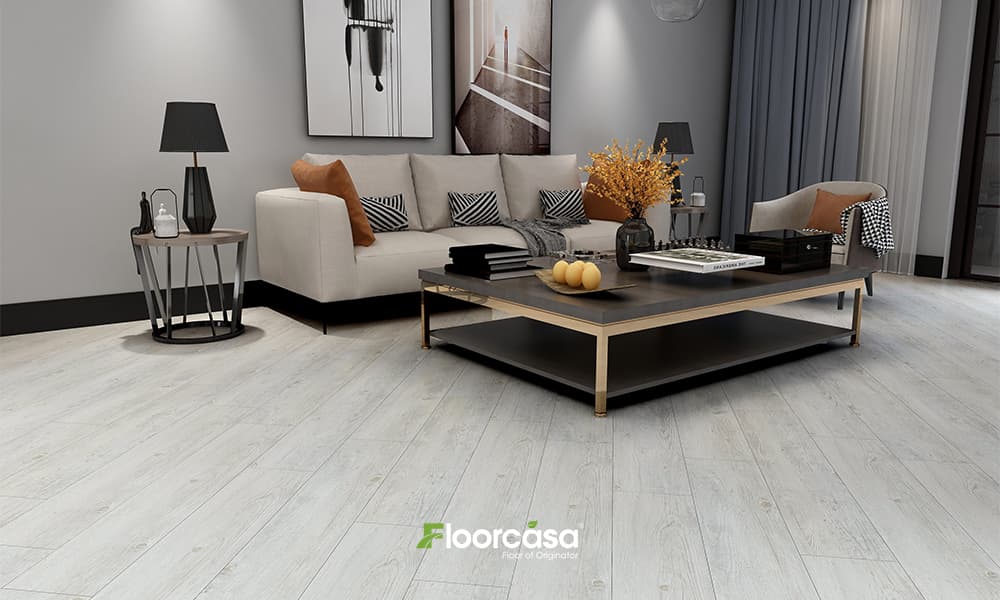
After comparing SPC flooring vs hardwood flooring, the project team selected commercial-grade SPC flooring.
Results included:
l installation completed 40% faster
l lower long-term maintenance requirements
l improved resistance to humidity-related damage
The decision helped reduce overall project costs while maintaining a modern wood-look interior design.
FAQ: Buyer Questions About SPC Flooring vs Hardwood Flooring
1. Is SPC flooring more durable than hardwood flooring?
In high-traffic environments, SPC flooring often performs better due to its rigid composite core.
2. Can SPC flooring look like real wood?
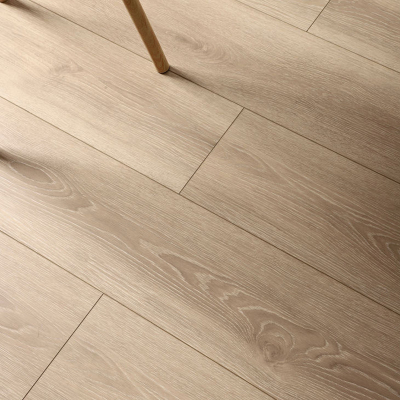
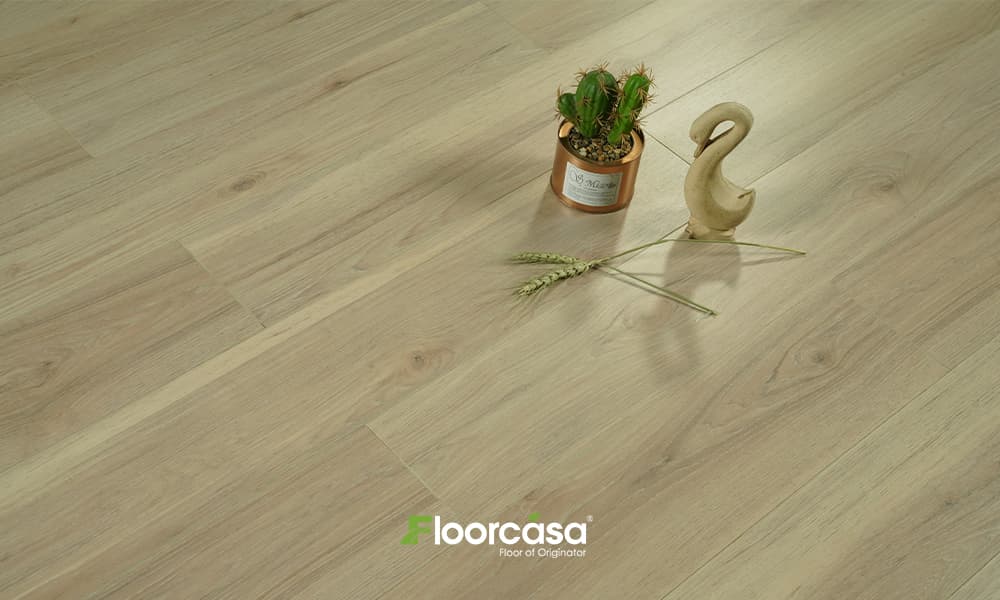
Yes. Modern printing and embossing technologies create highly realistic wood textures.
3. Which flooring is better for humid climates?
SPC flooring is the better choice because it is waterproof.
4. Is hardwood flooring more expensive?
Yes. Hardwood materials and installation costs are typically higher.
5. Can SPC flooring be installed over existing floors?
In many cases, it can be installed over level surfaces such as concrete or tile.
6. How long does SPC flooring last?
High-quality products can last 20 years or more in commercial environments.
7. Does SPC flooring require underlayment?
Some products include built-in acoustic backing.
8. Can hardwood flooring be refinished?
Yes, solid hardwood floors can be sanded and refinished multiple times.
9. Which flooring is easier to maintain?
SPC flooring requires significantly less maintenance.
10. Which option is better for large commercial projects?
SPC flooring is usually preferred due to its durability and cost efficiency.
Request a Quote or Technical Information
If you are evaluating SPC flooring vs hardwood flooring for upcoming construction or distribution projects, selecting the right supplier is essential.
Professional flooring manufacturers can provide:
l detailed technical specifications
l international quality certifications
l customized designs and surface textures
l bulk supply capabilities
l competitive pricing for global buyers
Contact our technical team today to request product samples, technical documentation, and a project quotation for your next flooring project.