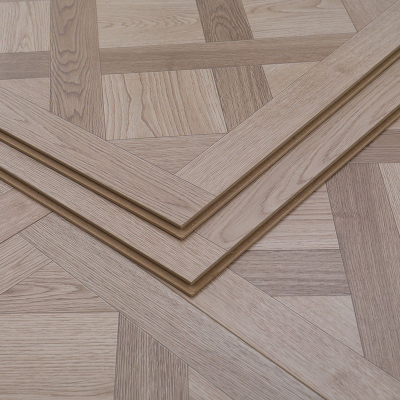
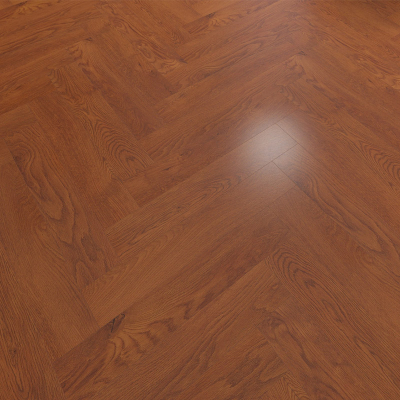
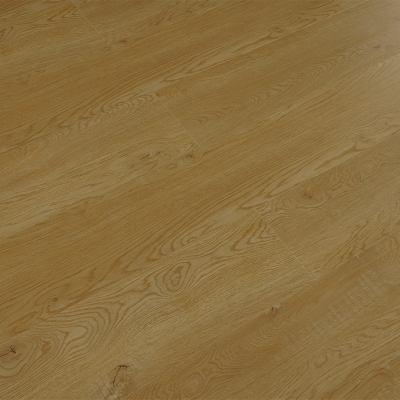
SPC flooring OEM
What Is SPC Flooring OEM
SPC flooring OEM (Original Equipment Manufacturing) refers to a contractual manufacturing arrangement where a brand owner, distributor, or retailer outsources the production of Stone Plastic Composite flooring to a specialised manufacturer—typically based in Asia—who produces the product to the buyer's exact specifications, which is then branded, marketed, and sold under the buyer's own private label. From a supply chain and manufacturing engineering perspective, OEM is not a simple purchase transaction but a strategic partnership where the buyer takes ownership of product design, specification, quality control, and regulatory compliance, while the manufacturer provides production capacity, raw material procurement, and manufacturing expertise. The buyer defines the product's technical parameters—thickness, wear layer, core density, colour palette, decorative designs, packaging, and branding—and the manufacturer produces to that specification.
The material structure of OEM SPC flooring is identical to any SPC product—a rigid core of PVC resin (30–40%) and calcium carbonate filler (60–70%) with density 1.8–2.2 g/cm³, a printed decorative layer, and a wear layer (0.20–0.55 mm, Al₂O₃ 30–50 g/m²). The distinction lies in the commercial and legal framework: the OEM buyer controls the product specification, owns the brand, and manages the supply chain, while the manufacturer provides the production capability. The buyer typically owns the intellectual property for the product design, decorative patterns, and packaging—the manufacturer is prohibited from selling the same product to other buyers.
The essential distinction between OEM SPC procurement and standard wholesale purchasing is the buyer's level of control and responsibility. With wholesale purchasing, the buyer selects from an existing product line—specification, packaging, and branding are fixed by the manufacturer. With OEM, the buyer defines the product specification, designs the packaging and branding, and assumes responsibility for quality assurance and regulatory compliance. This control enables differentiation: the buyer can create a unique product line not available from competitors, build brand equity, and capture higher margins (30–50% versus 10–20% for branded resale). However, this control comes with increased responsibility: the buyer must manage product development, supplier qualification, quality control, logistics, and regulatory compliance.
The original engineering purpose of OEM SPC manufacturing was to enable US and European distributors, retailers, and contractors to compete with national brands (Mohawk, Shaw, Armstrong, Mannington) by offering comparable quality at lower cost while building their own brand identity. The US and European flooring markets are highly concentrated, with national brands commanding 60–70% of residential and commercial markets. OEM SPC—produced by the same Asian manufacturers that supply the national brands—offers 20–40% cost savings, allowing smaller and regional players to compete effectively. The OEM model has grown significantly since 2010, driven by quality improvement of Asian manufacturers, expansion of US distribution networks, and the rise of direct-to-consumer e-commerce brands.
Manufacturing Process and OEM Quality Control
The manufacturing process for OEM SPC is identical to branded production, but with additional quality control steps and customisation options specified by the buyer.
Product Development and Specification: The OEM process begins with product development. The buyer defines the product specification: product type (SPC), thickness (±0.05 mm), wear layer (0.20–0.55 mm, Al₂O₃ 30–50 g/m²), AC rating (AC3–AC5), density (1.8–2.2 g/cm³), dimensional stability (ASTM F2195), moisture resistance (≤0.5% swelling), VOC emissions (CARB Phase 2), slip resistance (DCOF ≥0.42), fire resistance (ASTM E84 Class I), colour (ΔE ≤1.0), and packaging. The buyer may provide design assets—colour samples, decorative patterns, packaging artwork, and branding—to the manufacturer.
Raw Material Procurement: The OEM manufacturer procures raw materials: PVC resin, calcium carbonate filler, plasticisers (DOTP/DINCH), stabilisers, pigments, decorative films, wear layer materials, and packaging materials. For OEM products, the buyer may specify the source of raw materials (e.g., phthalate-free plasticisers, specific decorative film suppliers) to ensure quality and regulatory compliance. The manufacturer batches materials to the buyer's specification.
Core Formation: PVC resin (30–40%) and calcium carbonate filler (60–70%) are compounded with phthalate-free plasticisers, stabilisers, and processing aids. The batch is mixed in a high-speed mixer (1,200–1,500 rpm) at 100–120°C to achieve homogeneous dispersion. The compounded material is calendered or extruded into a rigid core (1.8–2.2 g/cm³) and cooled at 5–8°C/minute. For OEM buyers, cooling rate control is critical—variation causes dimensional instability and thickness variation. The buyer should specify cooling rate tolerance ±1°C/minute.
Decorative Layer Printing: The decorative layer (0.07–0.10 mm) is printed using rotogravure (engraved cylinders, up to 12 colour layers) or digital printing. For OEM buyers, custom decorative patterns are a key differentiator. The buyer provides design files—high-resolution images, colour specifications (Pantone or CMYK), and registration marks for EIR alignment. The printing process must achieve colour consistency (ΔE ≤1.0) across production batches.
Wear Layer Lamination: The clear wear layer (0.20–0.55 mm, Al₂O₃ 30–50 g/m²) is laminated and UV-cured. OEM buyers specify wear layer thickness and Al₂O₃ content—the primary determinants of AC rating and scratch resistance. For commercial OEM products, specify 0.55 mm wear layer with Al₂O₃ 50 g/m² (AC5).
EIR Embossing: The surface is embossed (EIR—Embossed in Register) with depth 0.2–0.5 mm, providing slip resistance and aesthetic realism. OEM buyers may specify custom embossing patterns to match decorative designs.
Backing Layer: A backing layer (cork, foam, rubber, or felt) is laminated to the underside. OEM buyers specify backing type—cork (15–22 dB impact noise reduction), foam (10–15 dB), rubber (18–25 dB), or felt (cost-effective). Cork is preferred for residential and commercial acoustic applications.
Profiling: The click-lock profile is milled with a tolerance of ±0.05 mm. OEM buyers specify profile type (angle-angle, drop-lock, or 5G) and joint strength (≥800 N/m for commercial). For waterproof products, a gasket (rubber or silicone) is applied.
Branding and Packaging: The product is packaged with the buyer's brand name, logo, and labelling—the defining step of the OEM process. Packaging design (carton artwork, pallet labels, product information) is provided by the buyer. Packaging must meet US/European labelling requirements: product name, brand name, country of origin, specifications, installation instructions, warranty information, regulatory compliance (CARB, ASTM), and contact information. Packaging must be designed for retail and contractor channels—English language, imperial/metric units, US pallet sizes.
OEM Quality Control Requirements: OEM buyers should require:
Pre-production sample (verify specification, colour, embossing)
Production sample (from the batch, for approval before full production)
Batch test reports: thickness, density, wear layer, dimensional stability, VOC emissions
Colour consistency: ΔE ≤1.0 between batches
Dimensional tolerance: ±0.05 mm thickness, ±0.2 mm width/length
Pre-shipment inspection: SGS or Bureau Veritas verification of thickness, colour, wear layer, packaging, documentation
ISO 9001 and ISO 14001 certification for the manufacturer
Why Manufacturing Affects OEM Performance: A US distributor contracted with a Chinese OEM for private label SPC without specifying cooling rate tolerance. The manufacturer used accelerated cooling to increase production throughput, producing thickness variation (±0.15 mm) and dimensional instability. The distributor installed 20,000 m² in a hotel; the floor showed lipping at batch boundaries and gapping in large areas. The distributor incurred £80,000 in replacement costs. Subsequent OEM contracts specified cooling rate tolerance ±1°C/minute and thickness tolerance ±0.05 mm—eliminating the issue.
Technical Specifications for OEM SPC Procurement
OEM SPC buyers must specify technical parameters precisely to enable quality verification and claim resolution.
Thickness: 4.0–6.5 mm (residential: 4.0–5.0 mm; commercial: 5.0–5.5 mm; industrial: 5.5–6.5 mm). Thickness tolerance ±0.05 mm (EN 13329). Wear layer: residential 0.20–0.30 mm, commercial 0.30–0.55 mm, industrial 0.55–0.70 mm.
Density: 1.8–2.2 g/cm³; calcium carbonate content 60–70%. Specify density tolerance ±2% across a batch. For commercial applications, specify density ≥1.9 g/cm³.
Wear Layer and Abrasion Resistance: Wear layer 0.20–0.70 mm; aluminium oxide content 30–50 g/m². AC rating (EN 13329): AC3 (residential), AC4 (commercial), AC5 (heavy commercial). For OEM commercial products, specify AC4–AC5.
Moisture Resistance: Thickness swelling (24-hour immersion) ≤0.5%—SPC is waterproof. OEM buyers should specify ≤0.5% and require test reports with each batch.
Dimensional Stability: Thermal expansion coefficient ≤0.08 mm/m/°C (ASTM D696). Moisture expansion coefficient ≤0.02%. For large installations (1,000+ m²), expansion gaps must be calculated precisely.
Installation System: Click-lock (floating) or glue-down. Specify installation system and joint strength: click-lock ≥800 N/m linear. For commercial OEM products, specify enhanced joint strength (≥1,000 N/m) for high-traffic areas.
VOC Emissions: E1 (≤0.124 mg/m³ formaldehyde) or CARB Phase 2 (≤0.05 ppm). Total VOCs ≤0.3 mg/m³ (ISO 16000). Phthalate-free plasticisers (DOTP or DINCH) required for EU/NA markets.
Slip Resistance: R9–R10 (EN 13893) for commercial; R10–R11 for wet areas.
Colour Consistency: ΔE ≤1.0 between batches—essential for large installations.
Fire Resistance: ASTM E84 Class I (flame spread ≤25) or EN 13501-1 Bfl-s1 for commercial applications.
Custom Decorative Designs: OEM buyers may specify custom decorative patterns. Provide high-resolution design files (≥600 dpi), colour specifications (Pantone or CMYK), and embossing patterns. Minimum order quantity for custom designs: 5–10 containers (7,500–15,000 m²). Tooling costs: $2,000–5,000 per design (rotogravure cylinders).
Advantages of OEM SPC in Real Projects
Commercial Performance (Distributor Brand) : A US-based distributor launched an OEM SPC brand (5.5 mm, 0.30 mm wear layer) targeting multi-family housing. Landed cost was $14/m²—30% lower than national brands ($20/m²). Over 2 years, the distributor sold 500,000 m², achieving 35% gross margin (versus 15–20% for branded resale). Product had 0.3% failure rate—comparable to national brands. OEM brand enabled the distributor to compete on price and capture market share.
Commercial Performance (Contractor Group) : A US contractor group launched an OEM LVT brand (3.0 mm, 0.55 mm wear layer) targeting retail store renovations. Landed cost was $18/m²—25% lower than national brands ($24/m²). Over 3 years, the group supplied 200,000 m² to 50 retail stores, achieving 30% gross margin. Product had 0.2% failure rate—comparable to national brands. OEM brand enabled differentiation from competitors.
Cost Savings: OEM SPC products typically cost 20–40% less than comparable national brands (ex-works Asia versus US branded pricing). Savings come from: direct sourcing (eliminating distributor and retailer markups), lower brand marketing costs (no national advertising spend), volume procurement (container-sized orders reduce per-unit cost), and flexible packaging (buyer controls packaging costs). Savings are passed to customers or retained as higher margins.
Brand Differentiation: OEM enables the buyer to differentiate their product line from competitors. The buyer can: create unique colour ranges, offer specific thickness/wear layer combinations, design distinctive packaging, build a brand identity, and develop a loyal customer base. This is not possible with branded product resale—the brand is fixed.
Supply Chain Control: OEM gives the buyer control over the supply chain: direct relationships with the manufacturer, influence over production schedules, priority access to capacity during high-demand periods, customised packaging and labelling, and the ability to specify product improvements. This control is not available with branded products.
Quality Assurance: OEM buyers can implement their own quality control: pre-production samples, production samples, pre-shipment inspection, receiving inspection, and ongoing QC (batch testing, colour consistency). This ensures the product meets the buyer's specification—reducing the risk of receiving substandard product.
Real Failure Logic: A US distributor launched an OEM SPC brand without a pre-shipment inspection process. The first container arrived with 10% damaged cartons (poor packaging) and colour mismatch (ΔE 2.5). The distributor incurred $15,000 in replacement costs and lost customer confidence. The distributor now uses pre-shipment inspection for all containers—the inspection cost ($300 per container) is justified by eliminating $15,000 in losses.
OEM SPC vs Alternative Procurement Models
System A: OEM SPC vs Branded Product (National Brand)
OEM landed cost: $14–22/m²; branded product: $20–35/m². Gross margin: OEM 30–50%; branded 15–20% (resale). Control: OEM full (specification, branding, QC); branded minimal (fixed). Quality: OEM comparable (with QC implementation); branded consistent (manufacturer's QC). Failure risk: OEM 0.3–1% at 5 years (depends on buyer's QC); branded 0.2–0.5% at 5 years. The premium for branded (20–50% higher cost) is justified for buyers who do not want QC, specification, and branding responsibility.
System B: OEM SPC vs Wholesale Purchase (No Branding)
OEM cost: $14–22/m² (includes branding, packaging, QC); wholesale: $12–18/m² (no branding, minimal packaging). Gross margin: OEM 30–50%; wholesale 15–25% (resale without brand). Control: OEM full; wholesale minimal. Failure risk: OEM 0.3–1% at 5 years; wholesale 2–5% at 5 years (quality variation, colour mismatch). OEM premium (10–20% higher cost) is justified by brand building, differentiation, and higher margins.
System C: OEM SPC vs US Warehouse Stock Program
OEM cost: $14–22/m² (FOB Asia, 8–14 weeks); US warehouse stock: $18–28/m² (1–5 days). Lead time: OEM 8–14 weeks; warehouse stock 1–5 days. Minimum order: OEM 1 container (custom packaging tooling may require 5–10 containers); warehouse stock 1 pallet. OEM is preferred for building a branded product line; warehouse stock is preferred for rapid replenishment and small quantities.
Application Scenarios for OEM SPC
Distributors and Wholesalers: Regional and national distributors launching their own brand—SPC. Selection rationale: higher margins, brand differentiation, supply chain control, customer loyalty. Risks: QC responsibility, inventory holding costs, product obsolescence. Conditions: specify product details; implement QC; manage inventory; build brand identity.
Contractor Buying Groups: Groups of contractors pooling volume to source OEM SPC. Selection rationale: cost savings (20–40% lower than branded), consistent quality, supply chain control. Risks: QC responsibility, product specification, logistics. Conditions: specify product details; implement QC; manage logistics; maintain safety stock.
Retailers and E-Commerce: Online retailers, big-box retailers launching their own brand—SPC. Selection rationale: higher margins, brand differentiation, customer loyalty, supply chain control. Risks: QC responsibility, inventory holding costs, product obsolescence, returns and warranty claims. Conditions: specify product details; implement QC; manage inventory; build brand identity; establish warranty and returns policy.
Real Estate Developers: Large-scale developers sourcing direct for projects—SPC. Selection rationale: cost savings (20–40% lower than branded), consistent quality, supply chain control. Risks: QC responsibility, project timeline (8–14 weeks). Conditions: specify product details; implement QC; maintain safety stock; manage logistics.
Procurement Guide for OEM SPC
Supplier Selection: Evaluate manufacturers based on: ISO 9001 and ISO 14001 certification, production capacity (≥100,000 m²/month for major volumes), QC documentation (batch test reports, DoP, CE marking), reference projects (similar volume and specification), and financial stability. Conduct factory audits for large orders (>100,000 m²). Negotiate terms based on volume, payment, and warranty.
Product Specification: Define product specification in the OEM agreement: product type (SPC), thickness (±0.05 mm), wear layer (0.20–0.55 mm), AC rating (AC3–AC5), density (1.8–2.2 g/cm³), dimensional stability (ASTM F2195), moisture resistance (≤0.5% swelling), VOC emissions (CARB Phase 2), slip resistance (DCOF ≥0.42), fire resistance (ASTM E84 Class I), colour (ΔE ≤1.0), packaging (carton design, palletisation, labelling), and branding (logo, colour scheme, marketing copy).
Intellectual Property: Protect brand and product design: trademark the brand name and logo, copyright packaging design, non-disclosure agreement (NDA) with the manufacturer, and non-compete agreement (if possible). USPTO registration recommended.
Quality Control: Implement QC: pre-production sample, production sample, pre-shipment inspection (SGS, Bureau Veritas), receiving inspection, and ongoing QC. QC cost ($200–500 per container) is justified by eliminating substandard product risk.
Logistics Management: Use an experienced freight forwarder with expertise in SPC imports. Manage origin logistics, ocean freight, destination logistics, and documentation. Confirm Incoterms (FOB, CIF, or CFR).
Branding and Marketing: Build brand identity: brand name, logo, packaging design, product information, website and marketing materials, warranty and returns policy, and customer service. The brand is the differentiator—invest in professional branding.
Common Problems and Solutions
Quality Discrepancy
Cause: Product does not match specification; manufacturer substituted inferior raw materials.
Symptom: Product rejected at receiving; client rejection.
Solution: Reject shipment; claim with manufacturer; source replacement.
Prevention: Specify product details; request samples; use pre-shipment inspection; include quality clauses.
Branding and Packaging Errors
Cause: Packaging artwork errors (logo, colour, text); labelling errors.
Symptom: Packaging rejected; brand damage; legal issues.
Solution: Re-package at buyer's cost; correct artwork.
Prevention: Approve packaging artwork before production; use local packaging designer for QA.
Supply Chain Disruption
Cause: Manufacturer capacity issues; shipping delays; customs clearance issues.
Symptom: Product unavailable; project delays; inventory shortages.
Solution: Maintain safety stock; use multiple suppliers; expedite shipping.
Prevention: Maintain safety stock; diversify suppliers; use experienced forwarders.
Intellectual Property Issues
Cause: Manufacturer sells same product to another US buyer; product design copied.
Symptom: Competitors offer identical products; brand dilution.
Solution: Legal action (if IP protected); switch manufacturer; differentiate product.
Prevention: Register trademarks; use NDAs and non-compete agreements; protect product design.
Warranty and Returns
Cause: Product fails (delamination, joint failure, wear); buyer has no warranty policy.
Symptom: Client claims; replacement costs; brand damage.
Solution: Establish warranty policy; claim with manufacturer; replace affected product.
Prevention: Establish warranty policy; implement QC; maintain safety stock.
FAQ: Procurement and Engineering Questions
1. What is SPC flooring OEM?
A manufacturing arrangement where a buyer contracts with a manufacturer to produce SPC flooring to the buyer's exact specifications—which is then branded, marketed, and sold under the buyer's own private label. The buyer controls product design, specification, branding, and quality assurance.
2. How much does OEM SPC flooring cost?
Landed cost: $14–22/m² (depending on product type, thickness, wear layer, and volume). Ex-works Asia: $10–18/m²; logistics: $4–8/m²; total landed cost: $14–26/m². National brands: $20–35/m². OEM offers 20–40% cost savings.
3. What is the minimum order quantity for OEM SPC?
Typically 1 container (1,500–2,600 m²). For custom colours and designs, MOQ is 5–10 containers (7,500–15,000 m²) due to tooling costs (rotogravure cylinders, embossing rollers). Smaller orders may be possible at higher per-unit cost.
4. What documents are required for OEM SPC?
OEM agreement (specification, pricing, payment terms, QC, IP), commercial invoice, packing list, Bill of Lading, Certificate of Origin, CE Declaration of Performance (DoP) for Europe, CARB Phase 2 compliance, ASTM test reports, and warranty documentation.
5. How do I protect my brand and product design?
Register trademarks (USPTO) for brand name and logo; copyright packaging design; use NDAs with the manufacturer; use non-compete agreements; protect product design (unique colours, thickness/wear layer combinations).
6. What is the lead time for OEM SPC?
Manufacturing: 4–8 weeks (depending on MOQ and customisation); shipping: 30–45 days (Asia to US); customs: 5–10 days; inland: 2–5 days. Total lead time: 8–14 weeks. First orders may take longer due to tooling and sample approval.
7. Can I source OEM SPC from US manufacturers?
Yes—US-based OEM manufacturers exist but are typically 20–40% more expensive than Asian manufacturers. US OEMs offer faster lead times (2–4 weeks) and lower minimum orders. For cost-sensitive projects, Asian OEMs are preferred.
8. What is the best underlayment for OEM SPC?
A 6-mil vapour barrier is required for ground-floor concrete installations. Acoustic underlayment (2–3 mm cork, foam, or rubber) is recommended for comfort and noise reduction. Some OEM brands offer underlayment with the product—verify compatibility.
Industry Standards and Certifications
EN Standard System: EN 13329 (laminate—referenced for SPC wear layer testing), EN 14041 (moisture-resistant products—P5/P7), EN 16511 (modular multilayer flooring—directly applicable), EN 13893 (slip resistance—R classes), EN 1811 (emission testing—E1). CE marking under CPR required for European markets; DoP must be available in destination country's language.
ASTM Testing Methods: ASTM F2195 (dimensional stability—critical for US climate), ASTM F964 (vinyl flooring—chemical resistance), ASTM G154 (UV stability), ASTM C1028 (slip resistance—DCOF), ASTM E84 (fire resistance—Class I), ASTM D1308 (chemical resistance).
US Regulatory Standards: CARB Phase 2 (formaldehyde emissions ≤0.05 ppm) mandatory for California and many US states. Phthalate-free plasticisers (DOTP or DINCH) required for US markets. FTC regulations on marketing claims, warranties, and country of origin labelling.
ISO Quality Management: ISO 9001 (quality management) and ISO 14001 (environmental management) are minimum requirements for credible manufacturers. ISO 50001 (energy management) may be specified.
Sustainability Certification: Recycled content certification (Global Recycled Standard, UL 2799) available for SPC with 25–50% recycled PVC. LEED credits achievable with ≥30% recycled content and low VOC emissions.
Significance in Procurement: Verify that OEM SPC meets CARB Phase 2, ASTM E84 Class I, and ASTM C1028 DCOF ≥0.42. Request test reports—without these documents, the product's compliance and quality cannot be confirmed.
Conclusion: Engineering Decision Logic
OEM SPC procurement offers significant cost savings, brand differentiation, and supply chain control—but requires systematic specification, QC, and logistics management.
OEM Selection Logic: Evaluate manufacturers based on ISO certification, production capacity (≥100,000 m²/month), QC documentation, reference projects, and financial stability. Conduct factory audits for large orders (>100,000 m²). Negotiate terms based on volume, payment, and warranty.
Cost vs Performance Tradeoff: OEM offers 20–40% cost savings compared to national brands and 30–50% gross margins (versus 15–20% for branded resale). The premium for national brands (20–50% higher cost) is justified for buyers who do not want QC, specification, and branding responsibility. For buyers with QC capability, OEM is more profitable.
Risk Priority Judgement: Highest risk is quality discrepancy—specify product details and implement QC. Second is branding errors—approve artwork before production. Third is supply chain disruption—maintain safety stock and diversify suppliers. Fourth is intellectual property issues—protect trademarks and product design. Fifth is warranty and returns—establish a warranty policy.
Final Decision Protocol: Define product specification (thickness, wear layer, AC rating, colour). Select OEM manufacturer (quality, pricing, support, logistics). Implement QC (pre-production sample, production sample, pre-shipment inspection). Manage logistics (freight forwarder, shipping route, documentation). Build brand (brand name, logo, packaging, marketing). Maintain safety stock (10–15% overage). Establish warranty and returns policy. OEM SPC provides a powerful growth vehicle for US and European distributors—but success requires discipline, investment, and systematic management.