SPC flooring click system
What Is SPC Flooring Click System
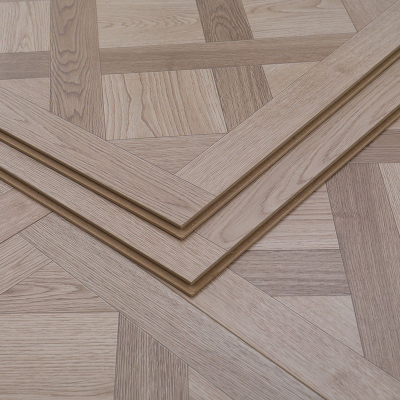
The SPC flooring click system is a mechanical locking mechanism—precision-milled tongue-and-groove profiles on the edges of each plank—that enables adhesive-free, floating floor installation through a simple angling or dropping action. From a mechanical engineering perspective, the click system is not a simple joint but a precisely engineered locking mechanism that provides structural integrity, load transfer, and dimensional stability to the finished floor. The system relies on the elastic deformation of the locking profiles—the tongue flexes as it engages the groove, then springs back to create a secure mechanical lock that resists separation under foot traffic, thermal movement, and rolling loads. The joint strength is quantified as the force required to separate locked planks—typically ≥800 N/m linear for commercial-grade SPC (EN 13329).
The material structure of the click system consists of: the tongue (male profile) milled on the long and short edges of each plank; the groove (female profile) milled on the opposite edges; and the locking mechanism—either an angled engagement (20–30° insertion) or a vertical drop-lock engagement. The profile is milled with a tolerance of ±0.05 mm. The geometry includes: the locking lip (prevents vertical separation), the locking angle (determines insertion force), and the clearance gap (accommodates thermal expansion within the joint). The joint strength is determined by the profile geometry, the core material's flexural modulus, and the manufacturing precision.
The structural behaviour of the click system is governed by the locking mechanism's ability to transfer loads between planks and to accommodate thermal movement. Under load (foot traffic, furniture), the joint transfers compression and shear forces from one plank to the next through the locking lip and angle. Under thermal expansion, the joint absorbs movement through a combination of: (a) compression of the locking lip (elastic deformation), (b) sliding of the tongue within the groove, and (c) the clearance gap designed into the profile. The system's ability to accommodate thermal movement without gapping or buckling depends on the joint design and the expansion gaps at the perimeter.
The essential distinction between different click systems is the engagement method and joint strength. Angle-angle systems (Uniclic, Valinge 2G) require inserting the tongue at a 20–30° angle and lowering the plank flat—the most common system for SPC. Drop-lock systems (Valinge 5G, 5G-i) allow vertical dropping of the plank—faster installation but requires higher manufacturing precision. Push-lock systems (some budget products) use a horizontal push to engage—lower joint strength and prone to gapping. The most common SPC click system is the angle-angle system with joint strength ≥800 N/m linear.
The original engineering purpose of the click system was to enable rapid, adhesive-free, floating floor installation—eliminating the need for adhesive application, curing time, and specialised tools. The first click systems were developed for laminate flooring in the 1990s (Unilin, Valinge) and later adapted for SPC. Today, the click system is the standard for SPC flooring, with over 90% of SPC installed using click-lock methods. The system has enabled DIY installation and rapid commercial installations, reducing installation time by 40–60% compared to glue-down methods.
Manufacturing Process of Click System
The manufacturing process for the click system includes specific steps that achieve and control profile precision.
Extrusion: The compounded SPC material is extruded into a continuous sheet at 180–220°C. The sheet is cooled and calibrated to achieve thickness tolerance ±0.05 mm.
Profiling: The click-lock profile is milled using high-speed CNC routers or specialised profilers. The profile geometry is determined by the cutting tool design: angle-angle (20–30° angle) or drop-lock (vertical engagement). The profile is milled with a tolerance of ±0.05 mm. The cutting speed and feed rate affect the surface finish and dimensional accuracy—slower speeds produce smoother profiles but reduce production throughput.
Tooling: The profiling tooling (cutting heads, blades, bearings) is custom-made for each profile design. Tooling wear affects profile precision—worn tooling produces profiles with reduced locking angle, lower joint strength, and increased gapping. Tooling is typically replaced after 500,000–1,000,000 linear metres.
Profile Quality Control: Profile quality is verified using: (a) optical measurement (profile geometry verification), (b) joint strength testing (EN 13329), (c) visual inspection (profile damage, burrs), and (d) gauge measurement (profile dimensions). Profile variation >0.05 mm causes loose joints, gapping, or binding.
Why Manufacturing Affects Real-World Performance: A US distributor received SPC with profile damage from worn tooling—the locking angle was reduced by 2° (from 25° to 23°), reducing joint strength from 850 N/m to 600 N/m. The installation showed gapping (0.5–1.5 mm) at joints within 6 months. The distributor switched to a manufacturer with regular tooling replacement.
Technical Specifications for Click System
SPC click system must meet specific technical requirements across multiple parameters.
Joint Strength: ≥800 N/m linear (EN 13329) for commercial applications; ≥600 N/m for residential. Joint strength is determined by profile geometry and core density. For commercial applications, specify ≥800 N/m.
Profile Tolerance: ±0.05 mm (EN 13329). Profile variation >0.05 mm causes loose joints, gapping, or binding.
Locking Angle: 20–30° for angle-angle systems. The locking angle determines insertion force—higher angles require more force but provide stronger joints. For SPC, 25° is standard.
Insertion Force: 50–150 N for angle-angle systems. Too low = loose joints; too high = difficult installation. Specify insertion force based on installation requirements.
Locking Lip Height: 0.5–1.0 mm. The locking lip prevents vertical separation. Higher lip height provides stronger vertical locking but increases insertion force.
Clearance Gap: 0.05–0.10 mm. The gap accommodates thermal expansion within the joint. The gap is designed into the profile—not visible in the finished floor.
Cycle Life: ≥1,000 locking cycles (opening and closing the joint) without visible wear. Profile wear reduces joint strength over multiple installations (not relevant for single installation).
Water Resistance: The joint must resist water ingress—specify gasket (rubber or silicone) for waterproof installations. Without a gasket, water can penetrate the click joint, causing mould and adhesive failure.
Advantages of SPC Click System in Real Projects
Installation Speed: Click system installs at 150–250 m²/day—2× faster than glue-down (100–150 m²/day) and 3–4× faster than tile (50–100 m²/day). A 100 m² residential installation takes 1–2 days; a 500 m² commercial installation takes 3–5 days.
No Adhesive: Click system eliminates adhesive—reducing VOC emissions, eliminating curing time (24–72 hours), and enabling immediate foot traffic. This is critical for commercial projects where downtime costs are high.
Replaceability: Click system floors are replaceable—damaged planks can be lifted and replaced without removing the entire floor. Glue-down floors require complete removal of the affected area.
Cost Savings: Click system reduces installation cost by 30–50%—no adhesive, no curing time, faster installation. For a 1,000 m² commercial project, click system saves $5,000–10,000 in labour and materials.
Real Failure Logic: A hotel installed click system SPC in 200 guest rooms. The installer used excessive tapping force, damaging the locking lips—the joints showed gapping (0.5–1.0 mm) within 12 months. The hotel replaced the flooring with a new installation—proper tapping force.
SPC Click System vs Alternative Systems
System A: Angle-Angle Click System vs Drop-Lock System
Angle-angle cost: standard; drop-lock: 5–10% premium. Installation: angle-angle requires 20–30° angle; drop-lock allows vertical dropping. Joint strength: angle-angle 800–1,000 N/m; drop-lock 700–900 N/m. Angle-angle is more common and provides higher joint strength; drop-lock is faster to install.
System B: Click System (Angle-Angle) vs Glue-Down
Click system: $25–45/m² installed; glue-down: $30–50/m². Installation speed: click 150–250 m²/day; glue-down 100–150 m²/day. Joint integrity: click mechanical lock; glue-down adhesive bond. Click is preferred for faster installation and replaceability; glue-down is preferred for high-load areas.
System C: Click System vs Loose Lay
Click system: $25–45/m²; loose lay: $20–35/m². Joint integrity: click mechanical lock (≥800 N/m); loose lay friction-based (COF ≥0.5). Click is preferred for joint integrity and commercial applications; loose lay is preferred for temporary installations.
Application Scenarios by Click System
Residential (DIY) : Angle-angle click system, 20–25° locking angle. Selection rationale: easy installation, no adhesive, replaceable. Risks: incorrect tapping force, insufficient expansion gaps. Conditions: provide installation instructions; use tapping block; maintain expansion gaps.
Commercial (Retail, Offices) : Angle-angle click system, ≥800 N/m joint strength, 25–30° locking angle. Selection rationale: high joint strength, fast installation, replaceability. Risks: heavy traffic (specify ≥800 N/m). Conditions: specify ≥800 N/m; install expansion profiles; provide cleaning guidelines.
Hospitality (Hotels) : Drop-lock system or angle-angle with gasket. Selection rationale: fast installation, waterproof joints, replaceability. Risks: luggage traffic, cleaning chemicals. Conditions: specify gasket; install expansion profiles; provide cleaning guidelines.
Healthcare (Hospitals) : Angle-angle click system, ≥800 N/m, gasket, antimicrobial additives. Selection rationale: joint integrity, waterproof, hygiene. Risks: heavy equipment, rolling loads. Conditions: specify ≥800 N/m; specify gasket; provide cleaning guidelines.
Installation Guide for Click System
Subfloor Preparation: Concrete moisture ≤2.5% (CM method). Flatness ≤2 mm over 2 m. Remove curing compound, oil, grease.
Moisture Control: Vapour barrier (6 mil polyethylene) required for ground-floor installations.
Acclimatisation: 48–72 hours at 18–25°C, 40–60% RH.
Expansion Gap Logic: Gap (mm) = room length (m) × 0.08 mm/m/°C × ΔT × 1.2. Install expansion profiles at 8–10 m intervals for rooms >8 m.
Installation Steps:
Acclimatise product 48–72 hours.
Install vapour barrier with taped seams.
Start from longest wall; maintain 15–20 mm expansion gaps.
For angle-angle: insert tongue at 20–30° angle and lower plank flat.
For drop-lock: drop plank vertically to engage lock.
Use tapping block (not mallet directly on joint) to engage locks.
Install transition profiles at doorways (5–8 mm gap).
Seal perimeter with silicone.
Common Installation Mistakes:
Insufficient expansion gaps—floor buckles or gaps.
Excessive tapping force—profile damage, joint gapping.
Insufficient tapping force—loose joints, gapping.
Subfloor flatness inadequate—lipping at joints.
Vapour barrier omitted—moisture vapour migrates.
Common Problems and Solutions
Joint Gapping
Cause: Insufficient expansion gaps; profile damage; thermal movement.
Symptom: Gaps at short joints (0.5–2.0 mm).
Solution: Use colour-matched filler; if >1.5 mm, replace boards.
Prevention: Calculate expansion gaps; inspect profiles; use correct tapping force.
Joint Binding
Cause: Profile tolerance >0.05 mm; excessive tapping force.
Symptom: Planks difficult to engage; visible lipping.
Solution: Replace affected planks; check profile tolerance.
Prevention: Specify profile tolerance ±0.05 mm; use tapping block.
Lipping
Cause: Subfloor flatness >2 mm over 2 m; thickness variation.
Symptom: Visible lipping (0.2–1.0 mm) at joints.
Solution: Self-level the subfloor; replace affected planks.
Prevention: Verify subfloor flatness; specify thickness tolerance ±0.05 mm.
Profile Damage
Cause: Worn tooling; excessive tapping force; handling damage.
Symptom: Visible profile damage; loose joints; gapping.
Solution: Replace damaged planks; inspect profiles at receiving.
Prevention: Inspect profiles at receiving; use correct tapping force.
Water Ingress
Cause: No gasket; perimeter seal omitted.
Symptom: Visible water staining; mould growth.
Solution: Replace affected boards; seal perimeter.
Prevention: Specify gasket; seal perimeter; use low-moisture cleaning.
FAQ: Procurement and Engineering Questions
1. What is the SPC flooring click system?
A mechanical locking mechanism (tongue-and-groove profiles) that enables adhesive-free, floating floor installation. The system relies on elastic deformation of the locking profiles to create a secure mechanical lock.
2. What is the difference between angle-angle and drop-lock click systems?
Angle-angle: insert tongue at 20–30° angle and lower flat—most common, higher joint strength (800–1,000 N/m). Drop-lock: drop plank vertically—faster installation, slightly lower joint strength (700–900 N/m).
3. What is the joint strength of SPC click systems?
Residential: ≥600 N/m linear (EN 13329). Commercial: ≥800 N/m linear. For commercial applications, specify ≥800 N/m. Joint strength determines resistance to gapping under load.
4. Does the click system require adhesive?
No—click system is adhesive-free. The mechanical lock provides the joint integrity. This eliminates adhesive costs, VOC emissions, and curing time.
5. Can click system SPC be installed over uneven subfloors?
No—click system requires subfloor flatness ≤2 mm over 2 m. Uneven subfloors cause lipping at joints. Self-levelling compound is required for marginal subfloors.
6. Is the click system waterproof?
The core is waterproof, but the click joint is not waterproof unless it has a gasket (rubber or silicone). For wet areas, specify gasket joints and seal the perimeter.
7. Can click system planks be replaced?
Yes—damaged planks can be lifted and replaced without removing the entire floor. This is a key advantage over glue-down installations.
8. What tapping force is required for click installation?
Sufficient to fully engage the lock without damaging the profile. Use a tapping block (not mallet directly on the joint). Excessive tapping force damages the locking lips; insufficient force creates loose joints.
Industry Standards and Certifications
EN Standard System: EN 13329 (laminate—referenced for SPC joint strength testing), EN 16511 (modular multilayer flooring—SPC). CE marking under CPR required for European markets.
ASTM Testing Methods: ASTM F2195 (dimensional stability), ASTM F964 (vinyl flooring—chemical resistance).
ISO Quality Management: ISO 9001 and ISO 14001 are minimum requirements.
Emission Standards: CARB Phase 2 or E1. Phthalate-free plasticisers required.
Significance in Procurement: Verify joint strength (≥800 N/m for commercial) and profile tolerance (±0.05 mm). Request test reports.
Conclusion: Engineering Decision Logic
SPC flooring click system is a critical mechanical component determining installation speed, joint integrity, and long-term performance—requiring systematic selection based on application, traffic, and installation requirements.
Material Selection Logic: Choose angle-angle click system for residential and commercial applications (higher joint strength, 800–1,000 N/m). Choose drop-lock for fast installation (hotels, large projects). Specify ≥800 N/m joint strength for commercial applications. Specify gasket for wet areas.
Cost vs Performance Tradeoff: Click system is 30–50% faster to install than glue-down and eliminates adhesive costs. Joint strength is the critical performance parameter—specify ≥800 N/m for commercial applications.
Risk Priority Judgement: Highest risk is profile damage—inspect profiles at receiving. Second is insufficient expansion gaps—calculate correctly. Third is excessive tapping force—use tapping block. Fourth is subfloor flatness—verify ≤2 mm over 2 m.
Final Decision Protocol: Define the application (residential, commercial). Select click system type (angle-angle, drop-lock). Specify joint strength (≥800 N/m for commercial). Verify profiles at receiving (visual inspection). Install using correct tapping force. Document installation for warranty. SPC click system specification, when correctly executed, provides 10–25 years of reliable service.