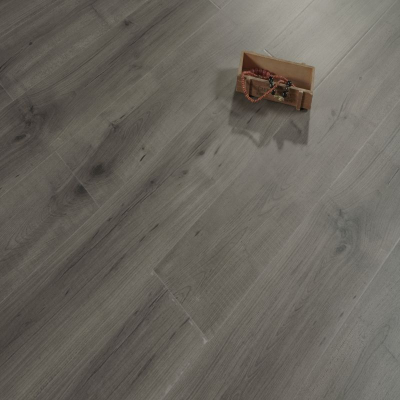
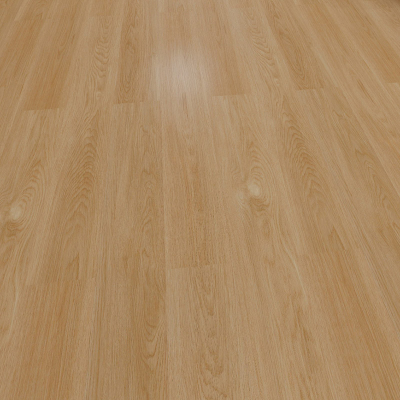
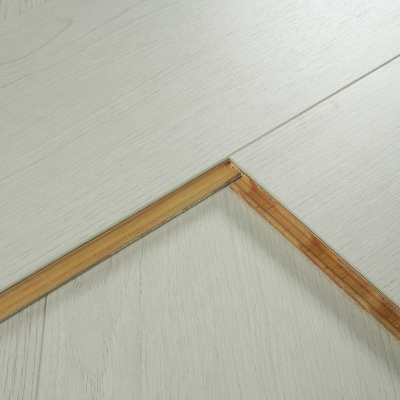
Rigid Core SPC Flooring for Kitchen and Bathroom
Product Definition
Rigid core SPC flooring for kitchen and bathroom is a stone plastic composite floor covering featuring a high-density limestone-PVC core engineered for moisture resistance, dimensional stability, and heavy residential or light commercial performance in wet interior environments.
Technical Parameters and Specifications
When specifying rigid core SPC flooring for kitchen and bathroom projects, procurement teams should evaluate structural thickness, wear layer durability, locking strength, and water resistance performance.
| Parameter | Typical Range | Test Standard |
|---|---|---|
| Total Thickness | 4.0–8.0 mm | ISO 24346 |
| Wear Layer | 0.3 / 0.5 / 0.7 mm | EN 660-2 |
| Density (Core) | ≥2000 kg/m³ | Internal QC |
| Water Absorption | <0.1% | ISO 62 |
| Impact Resistance | No crack at 800 mm drop | ISO 24344 |
| Dimensional Stability | ≤0.1% | ISO 23999 |
| Slip Resistance | R9–R10 | DIN 51130 |
For kitchen and bathroom zones, a minimum 0.5 mm wear layer is generally recommended for long-term durability.
Structure and Material Composition
Layer Configuration
UV Coating: Scratch and stain resistance
Wear Layer: Transparent PVC protective layer
Decor Film: High-resolution wood or stone design
SPC Rigid Core: Limestone (60–70%) + PVC composite
Optional IXPE/EVA Underlayment: Acoustic cushioning
Material Characteristics
High mineral content for rigidity
Low thermal expansion
Phthalate-free formulations available
Manufacturing Process
1. Raw Material Mixing
Calcium carbonate and PVC resin are blended at controlled ratios to ensure density and structural stability.
2. Extrusion and Calendering
High-temperature twin-screw extrusion forms the rigid SPC core sheet.
3. Hot Press Lamination
Decor film and wear layer are thermally bonded under high pressure.
4. UV Surface Coating
Multiple UV-curing layers improve abrasion and stain resistance for kitchen and bathroom applications.
5. Precision Cutting & Click Profiling
CNC profiling machines produce locking systems with tolerance control within ±0.05 mm.
Industry Comparison
| Criteria | SPC Rigid Core | WPC Flooring | Ceramic Tile |
|---|---|---|---|
| Water Resistance | Excellent | Very Good | Excellent |
| Dimensional Stability | High | Moderate | Very High |
| Installation Speed | Fast (Floating) | Fast | Slow (Adhesive) |
| Weight | Moderate | Light | Heavy |
| Thermal Conductivity | Compatible with UFH | Limited | High |
Rigid core SPC flooring for kitchen and bathroom offers a balance between moisture resistance and rapid installation, making it suitable for renovation projects.
Application Scenarios
Residential kitchens and bathrooms
Hotel guest bathrooms
Apartment renovation projects
Commercial pantry areas
Light healthcare washrooms
Distributors and EPC contractors prefer rigid core SPC flooring for kitchen and bathroom upgrades due to its floating installation and minimal downtime.
Core Pain Points and Solutions
1. Moisture Exposure
Solution: Use high-density SPC core with sealed locking edges.
2. Subfloor Imperfections
Solution: Ensure maximum deviation ≤3 mm over 2 m span; apply leveling compound if needed.
3. Expansion Gaps Mismanagement
Solution: Maintain 5–8 mm perimeter expansion clearance.
4. Slip Risk in Wet Areas
Solution: Specify R10 slip-rated surface finish.
Risk Warnings and Mitigation
Avoid prolonged standing water without proper sealing.
Do not install over uneven or unstable substrates.
Verify underfloor heating temperature ≤27°C.
Ensure acclimatization for 24–48 hours before installation.
Procurement and Selection Guide
Define traffic level and end-use classification.
Select appropriate total thickness (≥5 mm recommended).
Choose wear layer (0.5 mm for heavy residential).
Confirm slip resistance rating.
Verify click-lock mechanical strength.
Request fire rating documentation (Bfl-s1 typical).
Review VOC and environmental certifications.
Inspect sample boards before bulk order.
Engineering Case Example
A 120-unit apartment renovation required rigid core SPC flooring for kitchen and bathroom areas totaling 8,500 m². The project specified 6.0 mm thickness with 0.5 mm wear layer and integrated IXPE backing. Installation was completed within 18 days, reducing labor time by 35% compared to ceramic tiling while maintaining water resistance compliance.
FAQ
1. Is SPC flooring fully waterproof?
The core is waterproof; joints must be properly installed.
2. What thickness is best for kitchens?
5–6 mm total thickness is standard.
3. Can SPC be installed over tiles?
Yes, if surface is level and stable.
4. Does SPC expand with temperature?
Minimal expansion due to rigid mineral core.
5. Is underlayment necessary?
Optional; improves acoustics and comfort.
6. Is it compatible with underfloor heating?
Yes, within temperature limits.
7. What fire rating is typical?
Bfl-s1 under EN 13501-1.
8. How long is service life?
10–20 years depending on wear layer.
9. Does it resist kitchen stains?
Yes, with UV-coated surface.
10. Is professional installation required?
Recommended for large-scale commercial projects.
Request Technical Documentation
For rigid core SPC flooring for kitchen and bathroom projects, contact our technical team to request full specification sheets, fire test reports, installation manuals, and project samples for evaluation.
Author & Technical Authority
This guide is prepared by flooring engineers and export project consultants with over 12 years of experience in SPC manufacturing, quality control, and international building material supply for residential and commercial developments.