Global Flooring Market Trends
The global flooring industry is undergoing a period of rapid transformation driven by evolving consumer preferences, technological innovation, sustainability requirements, and shifting supply chains. For distributors, importers, engineering contractors, and procurement managers, staying aligned with Global Flooring Market Trends: What Importers Should Watch is no longer optional—it is essential for maintaining competitiveness and profitability.
From the rise of waterproof laminate and SPC flooring to increasing demand for eco-friendly materials, the flooring market is becoming more complex yet full of opportunity. Companies like floorcasa are actively adapting to these shifts by aligning product development with international standards and emerging buyer expectations.
This article provides a comprehensive, data-driven overview of key trends, technical insights, and procurement strategies to help B2B buyers make informed decisions in today’s dynamic flooring landscape.
What is Global Flooring Market Trends: What Importers Should Watch
Global Flooring Market Trends: What Importers Should Watch refers to the major industry developments that influence product demand, pricing structures, material innovation, and international trade patterns in the flooring sector.
These trends are shaped by several macro and micro factors:
· Urbanization and infrastructure expansion in emerging markets
· Increasing demand for durable, low-maintenance flooring
· Environmental regulations and sustainability certifications
· Supply chain diversification and geopolitical shifts
· Technological advancements in manufacturing and materials
For importers, understanding these trends helps in:
· Selecting the right product mix
· Reducing inventory risks
· Improving profit margins
· Meeting local compliance requirements
Key Technical Specifications
When evaluating flooring products in line with Global Flooring Market Trends: What Importers Should Watch, technical specifications play a critical role in determining suitability and performance.
Core Technical Parameters
Specification | SPC Flooring | Engineered Wood | |
Thickness | 3.5–8 mm | 6–12 mm | 10–15 mm |
Wear Layer | 0.2–0.7 mm | AC3–AC5 rating | 2–6 mm veneer |
Water Resistance | 100% Waterproof | Water-resistant | Limited |
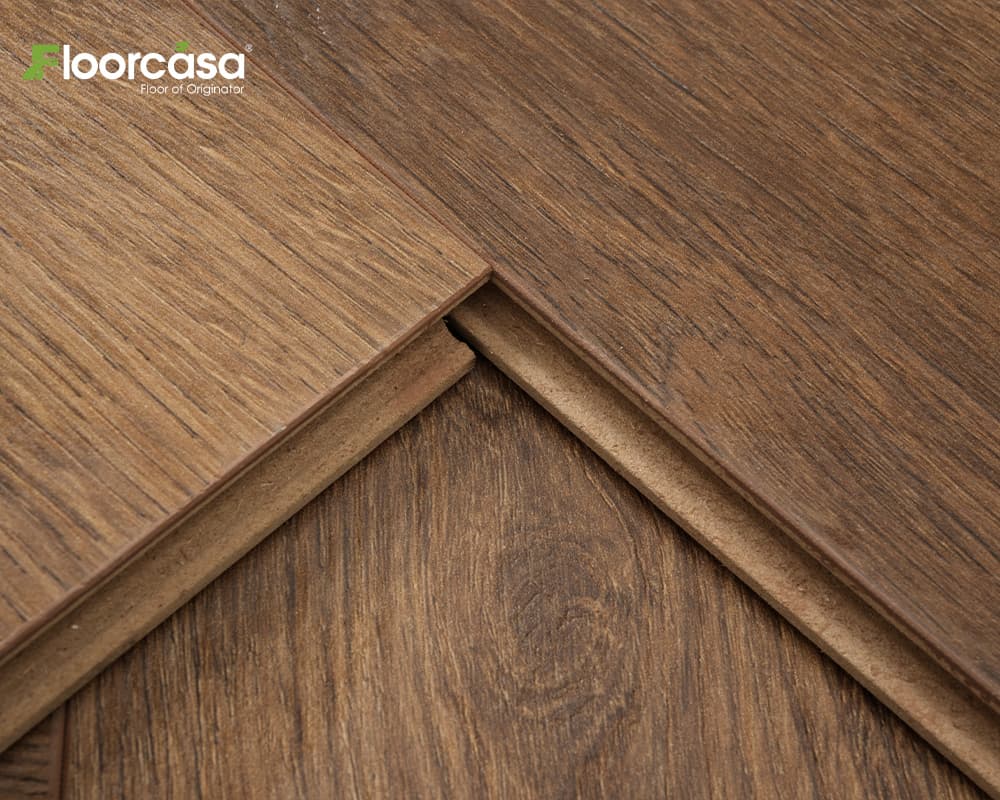
Installation Method | Click-lock | Click-lock | Glue / Float |
Thermal Stability | High | Medium | Low |
Lifespan | 10–20 years | 8–15 years | 15–30 years |
Understanding these specifications allows buyers to match products with specific market demands, particularly in regions with high humidity or heavy foot traffic.
Main Cost Factors or Performance Factors
Several cost and performance drivers are shaping Global Flooring Market Trends: What Importers Should Watch:
1. Raw Material Costs
· PVC resin prices significantly affect SPC flooring
· HDF board costs impact laminate pricing
· Timber availability influences engineered wood
2. Logistics and Freight
· Post-pandemic shipping volatility remains a concern
· Nearshoring trends are emerging in North America and Europe
3. Product Performance
· Waterproof capabilities are now a standard expectation
· Scratch resistance and wear layer thickness impact durability
4. Certification and Compliance
· CARB, FloorScore, CE, and ISO certifications add value but increase cost
Companies like floorcasa are addressing these factors by optimizing supply chains and investing in cost-efficient production technologies.
Product Structure or Core Technology
Technological innovation is at the heart of Global Flooring Market Trends: What Importers Should Watch.
SPC Flooring Structure
· UV Coating
· Wear Layer
· Printed Decorative Film
· SPC Core (Stone Plastic Composite)
· IXPE/EVA Underlayment
Laminate Flooring Structure
· Overlay (Wear Layer)
· Decorative Paper
· HDF Core Board
· Balance Layer
Key Technology Trends
· Digital printing for realistic wood and stone textures
· Anti-bacterial and anti-slip coatings
· Rigid core technology for enhanced stability
These innovations improve both aesthetics and functionality, making modern flooring products more versatile across applications.
Manufacturing Process Overview
Understanding the production process helps importers evaluate supplier reliability and product consistency.
SPC Flooring Manufacturing Steps
1. Raw material mixing (PVC + limestone powder)
2. Extrusion into rigid core boards
3. Hot pressing with decorative layers
4. UV coating application
5. Cutting and click-lock profiling
6. Quality inspection and packaging
Laminate Flooring Manufacturing Steps
1. HDF board production
2. Decorative paper printing
3. High-pressure lamination
4. Cutting and profiling
5. Surface finishing
Manufacturers like floorcasa emphasize automation and quality control systems to ensure consistency across large-volume orders.
Industry Comparison
To fully understand Global Flooring Market Trends: What Importers Should Watch, comparing major flooring types is essential.
Criteria | SPC Flooring | Laminate Flooring | Ceramic Tiles |
Waterproof | Excellent | Moderate | Excellent |
Installation | Easy | Easy | Complex |
Cost | Medium | Low–Medium | Medium–High |
Comfort | High | Medium | Low |
Maintenance | Low | Low | Low |
SPC flooring continues to gain market share due to its balance of cost, durability, and ease of installation.
Application Scenarios
Different flooring solutions are suited for specific applications:
Residential
· Living rooms: Laminate or SPC
· Kitchens & bathrooms: SPC flooring
Commercial
· Retail stores: High wear-layer SPC
· Offices: Carpet tiles or laminate
Industrial
· Warehouses: Epoxy or heavy-duty vinyl
Hospitality
· Hotels: Engineered wood or premium SPC
Global demand is increasingly shifting toward multi-functional flooring solutions that can perform across various environments.
Common Buyer Concerns
Importers and procurement managers often face several challenges:
· Quality consistency across batches
· Delivery timelines and logistics risks
· Compliance with local regulations
· After-sales support and warranty
· Price volatility
Addressing these concerns requires working with experienced manufacturers and conducting thorough supplier audits.
Procurement and Selection Guide
When aligning procurement strategies with Global Flooring Market Trends: What Importers Should Watch, consider the following:
1. Define Market Positioning
· Economy vs. premium product lines
2. Evaluate Supplier Capabilities
· Production capacity
· Certification compliance
· R&D capabilities
3. Sample Testing
· Wear resistance
· Water resistance
· Click-lock strength
4. Logistics Planning
· Shipping terms (FOB, CIF)
· Lead times
5. Risk Diversification
· Avoid over-reliance on a single supplier or region
A strategic sourcing approach ensures long-term business stability and profitability.
Case Study or Example
A European importer shifted 60% of its product portfolio from traditional laminate to SPC flooring between 2021 and 2024. The result:
· 25% increase in sales revenue
· 30% reduction in customer complaints related to water damage
· Improved installation efficiency for contractors
By partnering with innovative suppliers such as floorcasa, the importer was able to introduce waterproof, high-performance flooring solutions that aligned with market demand.
FAQ (Frequently Asked Questions)
1. What is the fastest-growing flooring segment globally?
SPC and rigid core vinyl flooring are currently the fastest-growing segments due to their durability and waterproof features.
2. How do importers ensure product quality?
Through third-party inspections, certification verification, and factory audits.
3. What certifications are essential for flooring products?
CARB, FloorScore, CE, ISO, and FSC (for wood products).
4. Is laminate flooring still relevant?
Yes, especially in price-sensitive markets, but it is gradually losing share to SPC flooring.
5. What affects flooring pricing the most?
Raw material costs, shipping rates, and product specifications.
6. How important is waterproof performance?
It has become a key purchasing factor, especially in residential and commercial applications.
7. What are common installation methods?
Click-lock systems are the most popular due to ease and speed.
8. How can importers reduce risks?
By diversifying suppliers and maintaining safety stock.
9. Are eco-friendly products in demand?
Yes, sustainability is increasingly influencing purchasing decisions.
10. What regions show the highest growth potential?
Southeast Asia, the Middle East, and parts of Africa.