Future of Flooring: Hybrid & Eco-Friendly Materials Explained
The global flooring industry is undergoing a major transformation driven by sustainability regulations, evolving consumer expectations, and technological innovation. For distributors, importers, engineering contractors, and procurement managers, understanding the future of flooring: hybrid & eco-friendly materials explained is no longer optional—it is essential for maintaining competitiveness in international markets.
Hybrid flooring solutions and environmentally responsible materials are rapidly replacing traditional options due to their durability, cost efficiency, and compliance with green building standards. This article provides a comprehensive, data-driven overview of these next-generation flooring systems, helping B2B buyers make informed sourcing decisions.
What is Future of Flooring: Hybrid & Eco-Friendly Materials Explained
The concept of the future of flooring: hybrid & eco-friendly materials explained refers to the integration of advanced composite technologies with sustainable raw materials to create high-performance flooring solutions.
Hybrid flooring typically combines multiple layers such as:
· Rigid core (SPC or WPC)
· Decorative layer
· Wear-resistant coating
· Acoustic backing
Eco-friendly flooring focuses on:
· Low VOC emissions
· Recyclable or renewable materials
· Reduced carbon footprint during manufacturing
Leading suppliers like floorcasa are investing heavily in hybrid innovations that balance performance with environmental responsibility, making them highly attractive in global B2B procurement.
Key Technical Specifications
Understanding technical parameters is crucial when evaluating hybrid and eco-friendly flooring.
Core Specifications Table
Specification | Hybrid Flooring (SPC/WPC) | Traditional Laminate | |
Thickness | 4–8 mm | 8–12 mm | 15–20 mm |
Water Resistance | 100% Waterproof | Limited | Low |
Wear Layer | 0.3–0.7 mm | AC3–AC5 rating | Surface coating |
VOC Emissions | E0 / FloorScore | E1–E0 | Varies |
Installation | Click-lock | Click-lock | Nail/Glue |
Thermal Stability | High | Moderate | Low |
Lifespan | 10–25 years | 8–15 years | 20+ years |
Hybrid materials outperform traditional flooring in moisture resistance and dimensional stability, making them ideal for diverse climates.
Main Cost Factors or Performance Factors
When evaluating the future of flooring: hybrid & eco-friendly materials explained, several cost and performance drivers should be considered:
1. Raw Material Composition
· SPC (Stone Plastic Composite): Higher density, better durability
· WPC (Wood Plastic Composite): Better comfort and sound absorption
· Recycled content: Impacts sustainability certifications
2. Wear Layer Thickness
Thicker wear layers increase durability and lifecycle value, particularly in commercial environments.
3. Certification and Compliance
· FloorScore
· CE marking
· ISO standards
Certified eco-friendly products may have higher upfront costs but reduce long-term risk.
4. Logistics and Installation
Click-lock systems reduce labor costs by up to 30% compared to traditional installations.
Product Structure or Core Technology
Hybrid flooring relies on multilayer engineering:
Typical Structure
1. UV Coating Layer
o Scratch resistance
o Anti-bacterial properties
2. Wear Layer
o Protects against abrasion
o Determines AC rating
3. Decor Film
o High-definition wood or stone visuals
4. Rigid Core (SPC/WPC)
o Provides stability and waterproof performance
5. IXPE/EVA Backing
o Acoustic insulation
o Comfort underfoot
Manufacturers such as floorcasa utilize advanced extrusion and lamination technologies to ensure consistent product quality across large-scale production.
Manufacturing Process Overview
The production of hybrid eco-friendly flooring involves several controlled steps:
Key Steps
1. Material Mixing
o Limestone powder + PVC + stabilizers (for SPC)
o Wood fiber + polymer (for WPC)
2. Extrusion
o High-temperature molding into rigid core boards
3. Hot Press Lamination
o Bonding decorative and wear layers
4. UV Coating Application
o Multi-layer curing for durability
5. Precision Cutting & Profiling
o Click-lock system machining
6. Quality Control
o Dimensional stability testing
o Water resistance testing
o VOC emission checks
Automation and quality assurance systems ensure consistency required by international buyers.
Industry Comparison
Hybrid vs Traditional Flooring
Criteria | Hybrid Flooring | Vinyl Sheet Flooring | |
Waterproof | Yes | No | Yes |
Durability | High | Medium | Medium |
Eco-Friendliness | High (certified) | Moderate | Low–Moderate |
Installation Cost | Low | Low | Medium |
Maintenance | Easy | Moderate | Easy |
Hybrid flooring clearly leads in versatility and lifecycle value, reinforcing its role in the future of flooring: hybrid & eco-friendly materials explained.
Application Scenarios
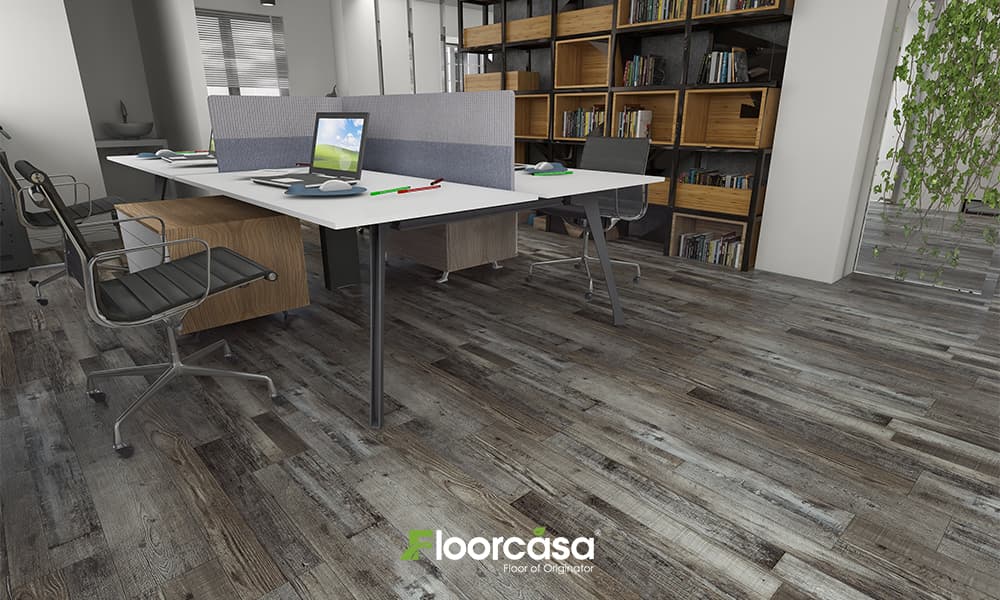
Hybrid and eco-friendly flooring is widely used across industries:
Commercial Applications
· Retail stores
· Office buildings
· Hotels and hospitality
Residential Projects
· Apartments
· Villas
· Renovation projects
Industrial & Public Spaces
· Hospitals (low VOC requirement)
· Schools
· Airports
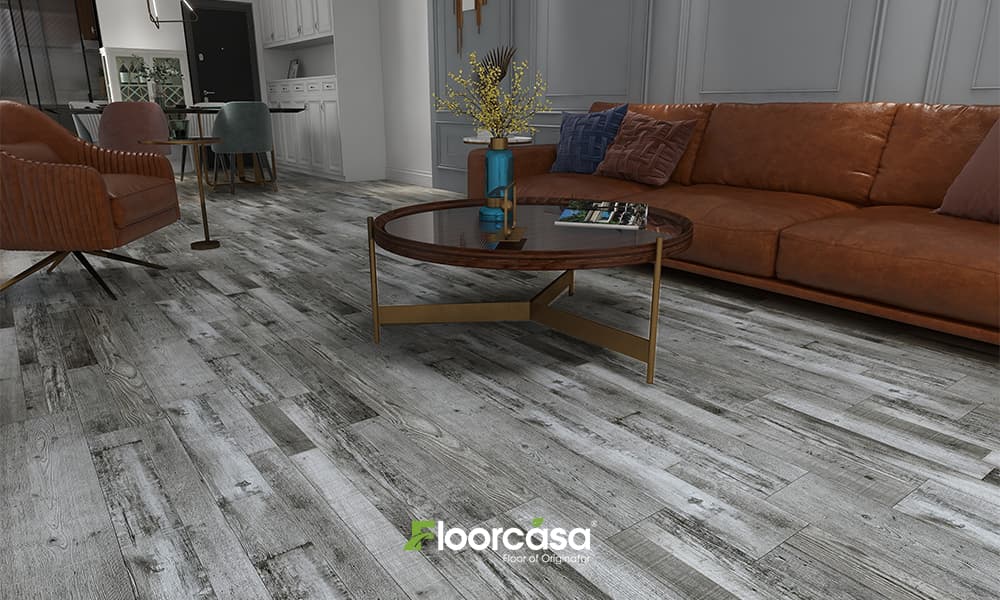
Its waterproof and durable nature makes it particularly suitable for humid regions such as Southeast Asia, the Middle East, and South America.
Common Buyer Concerns
B2B buyers often evaluate the following:
· Is the product truly eco-friendly or just “greenwashed”?
· Can it meet local certification standards?
· What is the long-term ROI?
· How stable is supply chain consistency?
· Will it perform under extreme climate conditions?
Suppliers must provide transparent documentation, test reports, and case references to address these concerns effectively.
Procurement and Selection Guide
When sourcing hybrid flooring, procurement managers should follow a structured approach:
Step-by-Step Guide
1. Define Project Requirements
o Traffic level
o Environmental conditions
2. Verify Certifications
o FloorScore, ISO, CE
3. Evaluate Samples
o Wear resistance
o Click-lock precision
4. Assess Supplier Capability
o Production capacity
o Export experience
5. Check Logistics Support
o Packaging standards
o Lead times
Working with experienced exporters like floorcasa ensures smoother procurement processes and reduced risk in international trade.
Case Study or Example
Project: Southeast Asia Commercial Complex
Challenge:
A contractor required waterproof, durable, and eco-certified flooring for a mixed-use commercial complex in a high-humidity region.
Solution:
Hybrid SPC flooring with:
· 0.5 mm wear layer
· IXPE acoustic backing
· FloorScore certification
Results:
· 25% reduction in installation time
· 40% lower maintenance costs over 5 years
· Improved indoor air quality compliance
This case highlights how hybrid solutions align with the future of flooring: hybrid & eco-friendly materials explained, delivering both economic and environmental benefits.
FAQ
1. What is hybrid flooring made of?
Hybrid flooring combines rigid core materials (SPC or WPC) with decorative and protective layers.
2. Is hybrid flooring environmentally friendly?
Yes, especially when certified with low VOC emissions and recyclable materials.
3. How does SPC differ from WPC?
SPC is denser and more durable, while WPC offers better comfort and sound absorption.
4. Can hybrid flooring be used in wet areas?
Yes, it is 100% waterproof and suitable for kitchens and bathrooms.
5. What certifications should buyers look for?
FloorScore, CE, ISO, and E0 formaldehyde standards.
6. What is the typical lifespan?
10–25 years depending on wear layer and usage.
7. Is installation complicated?
No, click-lock systems simplify installation and reduce labor costs.
8. How does it compare in cost to traditional flooring?
Higher upfront cost but lower lifecycle cost.
9. Is it suitable for underfloor heating?
Yes, most hybrid flooring supports underfloor heating systems.
10. What markets are driving demand?
North America, Europe, and emerging markets in Southeast Asia.
Conclusion
The future of flooring: hybrid & eco-friendly materials explained represents a fundamental shift toward performance-driven and sustainable solutions. For global B2B buyers, hybrid flooring offers a compelling combination of durability, cost efficiency, and environmental compliance.
As regulations tighten and customer expectations evolve, sourcing from reliable manufacturers and exporters becomes critical. Companies that adopt these next-generation materials early will gain a significant competitive advantage in both developed and emerging markets.